
Welcome to my guide on how to make your soil more acidic! If you’re wondering how to create the ideal conditions for acid-loving plants or need to lower the pH of your soil, you’ve come to the right place. Acidic soil is beneficial for certain plants like blueberries, rhododendrons, and hydrangeas, and it’s essential to know how to achieve an acidic soil environment to support their growth.
Acidic soil, with a pH range of 4.9 or below, is the preferred soil condition for many plants. However, the UK generally has neutral to moderately acidic soil, so adjustments may be necessary to meet the needs of acid-loving plants. In this article, I will explain the basics of soil acidity, the plants that thrive in acidic soil, how to test your soil’s acidity level, and different methods to make your soil more acidic.
Whether you’re a seasoned gardener or a beginner, this guide will provide you with all the information you need to create the perfect growing environment for acid-loving plants. So let’s dive in and discover how to make your soil more acidic!
Key Takeaways:
- Soil acidity is measured on the pH scale, with acidic soil having a pH of 4.9 or below.
- Acid-loving plants like blueberries and hydrangeas thrive in acidic soil conditions.
- Testing the pH of your soil is essential to determine whether it needs adjustment.
- There are various methods to make soil more acidic, such as using organic matter or chemical amendments.
- Using a soil pH test kit or professional soil testing service can help determine the acidity level of your soil accurately.
What is acidic soil?
Soil acidity is a crucial factor that influences plant growth and health. It is measured on the pH scale, which ranges from 0 to 14, with acidic soil having a pH of 4.9 or below. In contrast, neutral soil has a pH of 7.0. The United Kingdom generally has neutral to moderately acidic soil, except in areas with chalk or limestone.
It’s important to understand the pH level of your soil because different plants have varying preferences. Acid-loving plants thrive in a pH range of 5.1 to 6.0, while alkaline-loving plants prefer a pH range of 7.1 to 8.0. Testing the pH of your soil is a crucial step in determining its acidity level and ensuring optimal growth for your plants.
Which plants prefer acidic soil?
When it comes to gardening, it’s important to choose plants that are well-suited to your soil conditions. Acid-loving plants, also known as ericaceous plants, are a great choice if you have acidic soil. These plants have evolved to thrive in pH ranges below 7, allowing them to access essential nutrients and avoid mineral imbalances.
Some popular examples of acid-loving plants include blueberries, rhododendrons, hydrangeas, camellias, and azaleas. These plants not only add beauty to your garden but also provide vibrant colors and delicate blooms.

Growing acid-loving plants in suitable soil conditions is essential for their health and vitality. Symptoms of soil problems in these plants include stunted growth, poor flowering, and yellowing between leaf veins. To ensure optimal growth, it’s important to provide the right soil environment or containers with ericaceous compost.
“Acid-loving plants thrive in acidic soil conditions, allowing them to access essential nutrients and avoid mineral imbalances.”
By choosing acid-loving plants, you can create a beautiful garden that flourishes in acidic soil. Whether you’re a fan of delicate flowers or delicious fruits, these plants will add a vibrant touch to your outdoor space.
Key Points:
- Acid-loving plants, also known as ericaceous plants, thrive in acidic soil conditions.
- Some popular examples of acid-loving plants include blueberries, rhododendrons, hydrangeas, camellias, and azaleas.
- Symptoms of soil problems in acid-loving plants include stunted growth, poor flowering, and yellowing between leaf veins.
- It is important to grow acid-loving plants in suitable soil or containers with ericaceous compost.
How to test your soil acidity
Testing the acidity of your soil is essential to understand its pH level and determine if it requires any adjustments to make it more acidic. There are several methods you can use to test for soil acidity:
- Observe existing plants: Take note of the plants already thriving in your garden. Healthy rhododendrons, heathers, and camellias are indicative of acidic soil conditions, as they prefer a lower pH level.
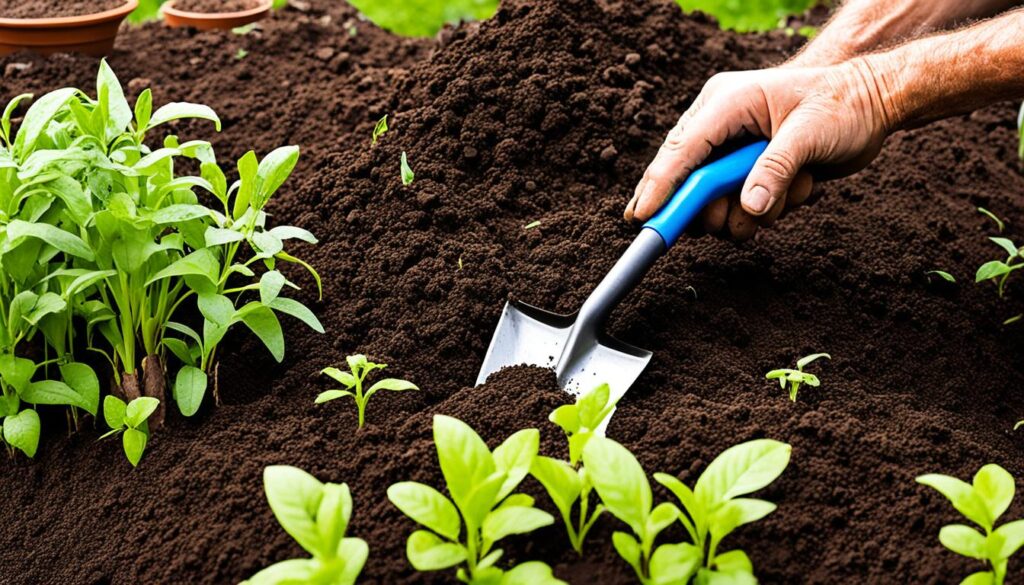
- Create a homemade soil testing kit: You can easily assemble a DIY soil testing kit using common household items. Grab a trowel, glass jars, water, vinegar, and baking soda. Take soil samples from different areas of your garden, label them, and add a small amount of soil to the glass jars. Add water to one jar and vinegar to another. If the water jar foams and the vinegar jar fizzes, it suggests alkaline soil. Conversely, if the baking soda added to another jar causes it to fizz, it indicates acidic soil.
- Professional soil testing services: For a more accurate and comprehensive analysis of your soil acidity, consider opting for professional soil testing services. These services utilize advanced laboratory techniques to precisely measure soil pH and provide detailed reports about the soil’s acidity level and any necessary amendments.

“Testing the acidity of your soil is crucial for understanding its pH level and making informed decisions about acidifying it if required.”
By incorporating these testing methods, you can confidently assess the acidity of your soil and move forward with necessary measures to create the ideal growth conditions for your plants.
Making your soil more acidic
To make your soil more acidic and create optimal conditions for acid-loving plants, there are various methods you can use. Here are some effective approaches:
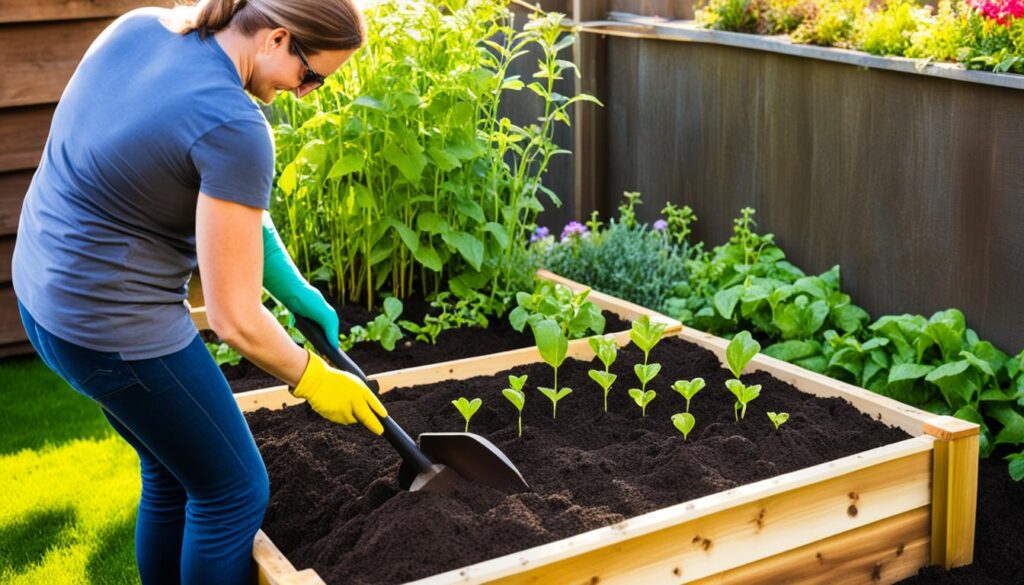
- Mulching with organic matter: One method is to mulch your soil with organic materials that increase soil acidity. Ericaceous compost, wood chips, leaf mold, and well-rotted manure are excellent choices. The gradual breakdown of these organic materials releases acids into the soil, helping to lower the pH level.
- Using natural acidifiers: Spread pine needles, oak leaves, or coffee grounds around your acid-loving plants. These natural materials contain organic acids that can quickly boost soil acidity. It’s a simple and cost-effective way to provide a temporary increase in acid content.
- Chemical options: If you need a more immediate and substantial increase in soil acidity, you can consider using chemical amendments. Iron sulfate (iron sulphate) and aluminum sulfate (aluminium sulphate) are common choices. These compounds can be applied to the soil according to the manufacturer’s instructions to achieve the desired soil pH level. However, it is important to handle these chemicals with care, wearing protective clothing and gloves.
When working with chemicals, it is essential to consider their potential impact on the environment and your health. To further ensure the success of acidifying your soil, it is advisable to use rainwater or treated mains water instead of alkaline tap water when watering your plants.

Tip: Before making any changes to your soil, it’s crucial to test its current pH level and determine the appropriate adjustment required. This will help you achieve the ideal soil acidity for your acid-loving plants.
By following these methods, you can effectively increase soil acidity and create a nutrient-rich environment that promotes the healthy growth of acid-loving plants. Remember to monitor the pH levels regularly and make adjustments as needed to maintain the optimal soil conditions.
Using a test kit to determine soil acidity
When it comes to ensuring optimum conditions for your plants, understanding the acidity of your soil is crucial. Testing the pH level can help you determine whether your soil is acidic, neutral, or alkaline. One of the simplest and most affordable ways to gauge soil acidity is by using a soil pH test kit.
A soil pH test kit allows you to measure the acidity level of your soil quickly and accurately. These kits can be easily obtained from garden centers or purchased online. With a test kit in hand, you can perform the pH test in the comfort of your own garden.
By following the instructions provided with the test kit, you can collect soil samples from different areas of your garden. Once you have collected the samples, you simply mix them with the test solution included in the kit. The color change in the solution will indicate the pH level of your soil.
If you prefer more detailed and comprehensive results, you may consider opting for a professional soil testing service. These services offer laboratory analysis of your soil samples, providing you with precise measurements of pH, as well as valuable information about soil texture and the presence of organic matter.
Whether you choose to use a test kit or a professional service, testing your soil pH before making any soil amendments or pH adjustments is essential. This knowledge will help you determine the necessary steps to create the optimal growing conditions for your plants.
7 simple ways to make your soil more acidic
If you’re looking to create a more acidic environment for your plants, there are several simple and natural methods you can try. These methods can help you achieve the optimal soil pH for acid-loving plants, allowing them to access essential nutrients and thrive. Here are 7 effective ways to make your soil more acidic:
- Add Sulfur: Incorporate sulfur into your soil either as elemental sulfur or by using organic matter high in sulfur. This can gradually lower the pH of your soil and create a more acidic environment.
- Use Aluminum Sulfate: Aluminum sulfate is another option for lowering soil pH. Apply it according to the package instructions to increase acidity in your soil.
- Try Ferrous Sulfate: Ferrous sulfate is commonly used to treat iron deficiencies in plants, but it can also help acidify your soil. Apply it as directed on the packaging to lower the pH.
- Water with Vinegar: Diluted vinegar or lemon juice can be used to water acid-loving plants, helping to increase soil acidity over time. Mix one tablespoon of vinegar with a gallon of water and use it to water your plants.
- Utilize Coffee Grounds: Coffee grounds are not only a great addition to your compost, but they can also help increase soil acidity. Spread them around your acid-loving plants as a natural mulch to provide a boost of acidity.
- Add Acidic Mulch: Using acidic mulch, such as pine needles or oak leaves, can contribute to lowering soil pH. Spread them around your plants to enhance soil acidity and provide a natural source of nutrients.
- Incorporate Acidic Compost: When adding compost to your soil, opt for materials high in acidity. Acidic compost can help create a more acidic environment, benefiting acid-loving plants.
By implementing these simple strategies, you can successfully make your soil more acidic and create the ideal growing conditions for your acid-loving plants. Remember to monitor the pH of your soil regularly to ensure the desired acidity levels are being maintained.
What plants need acidic soil?
Acid-loving plants thrive in acidic soil conditions. Some examples include azaleas, camellias, rhododendrons, blueberries, cranberries, and heathers. These plants require acidic soil to access essential nutrients and thrive. It is important to provide the right soil environment for acid-loving plants to ensure their optimal growth and health.
Containers filled with ericaceous compost can be used to create a suitable acidic soil environment for these plants.
Precautions and considerations when making soil more acidic
When aiming to make your soil more acidic, it is important to take into account the current soil conditions and the specific requirements of your plants. In cases of extreme alkalinity, significant soil amendments may be necessary, whereas slightly alkaline or neutral soil can be adjusted with relative ease.
It is crucial to avoid the use of harmful chemicals and synthetic fertilizers when attempting to acidify soil. Instead, organic methods such as incorporating sulfur, compost, or acidic mulch are highly recommended. These natural amendments not only help lower the pH but also promote healthier soil ecosystems.
For areas with alkaline soil, container gardening using ericaceous compost can provide a viable solution for cultivating acid-loving plants. This allows you to create a suitable acidic soil environment within the containers, giving your plants the optimal conditions they need to thrive.
Regular monitoring of soil pH is essential to ensure that the desired acidity levels are achieved and maintained. By regularly testing the pH and making the necessary adjustments, you can ensure that your plants are receiving the appropriate soil conditions for their growth and overall health.