
Hello, gardening enthusiasts! Are you struggling to keep your potted plants healthy and vibrant? Well, you’ve come to the right place. In this article, I will share with you some handy tips and effective solutions on how to enhance the drainage in your potted plants. By improving drainage, you can create a healthier environment for your indoor greenery to thrive.
Whether you’re new to gardening or an experienced plant parent, understanding the importance of proper drainage is crucial. It directly affects the overall well-being and growth of your potted plants. So, let’s explore the best practices and strategies to optimize drainage and ensure the vitality of your prized indoor flora.
Key Takeaways:
- Choose the right potting mix with well-draining components to promote healthy root growth.
- Utilize drainage holes effectively to allow excess water to escape and prevent water accumulation in the pot.
- Consider using additives and amendments in your potting mix to improve water penetration and prevent soil compaction.
- Select the correct pot size to optimize water drainage and maintain appropriate soil moisture levels.
- Monitor soil moisture regularly to prevent overwatering or underwatering, ensuring optimal drainage conditions.
Why is Proper Drainage Important for Potted Plants?
I understand that you want to provide the best care for your indoor plants. One crucial aspect of plant health that is often overlooked is proper drainage. It might not seem like a big deal, but good drainage is vital for the well-being and growth of your potted plants. Let me explain why.
When it comes to potted plants, it’s easy for water to accumulate in the soil. Without proper drainage, excess water can lead to root rot, fungal diseases, and even the death of your beloved green companions. Poor drainage can also result in waterlogged soil, preventing the roots from accessing oxygen, which is essential for their growth and health.
By improving drainage, you create a healthier environment for your indoor plants to thrive. Adequate drainage allows excess water to escape, preventing waterlogged soil, and reducing the risk of root-related issues. It also helps regulate soil moisture levels, ensuring your plants are not overwatered or underwatered.
To ensure your potted plants have the best chance of thriving, you need to follow the best practices for potted plant drainage. In the upcoming sections, I will share practical tips and solutions that will help you enhance drainage, optimize soil moisture levels, and maintain the overall health of your indoor plants.
Choosing the Right Potting Mix for Improved Drainage
When it comes to optimizing drainage in potted plants, one of the crucial factors to consider is the choice of potting mix. Not all potting mixes are created equal, and selecting the right components and ratios can make a significant difference in the overall health and growth of your plants.
So, what are some ways to optimize potted plant drainage through the potting mix? Here are a few essential tips:
1. Use a Well-Draining Mix
Start by ensuring that your potting mix provides excellent drainage. Look for a mix that contains a combination of organic materials such as compost, peat moss, or coco coir. These materials help retain moisture while allowing excess water to escape.
2. Include Perlite or Vermiculite
Adding perlite or vermiculite to your potting mix can further enhance drainage. These lightweight materials improve aeration and prevent the mix from compacting, ensuring that water can easily flow through the soil.
3. Avoid Dense Soils
Avoid using heavy or dense soils, as they tend to retain water for longer periods. Opt for a mix that is lightweight and fluffy, providing room for roots to grow and allowing excess moisture to drain away.
Remember, a well-draining potting mix promotes healthy root growth and prevents waterlogging, which can lead to root rot and other plant diseases. By choosing the right potting mix, you set the foundation for optimal drainage in your potted plants.

Using Drainage Holes for Effective Water Release
Proper drainage is essential for ensuring the health and vitality of your potted plants. One of the key elements in achieving proper drainage is the effective utilization of drainage holes. These holes serve as an outlet for excess water, preventing water accumulation and potential damage to the roots.
To ensure proper drainage in your potted plants, follow these strategies:
- Check for drainage holes: Before planting or repotting, make sure your pots have adequate drainage holes. These holes allow excess water to escape, preventing waterlogging and root rot.
- Position the drainage holes: Place your potted plants on a saucer or tray to collect drained water. This helps in preventing water from pooling around the base of the pot and keeps it away from the plant’s root zone.
- Prevent blockage: Regularly check and clear any obstructions in the drainage holes to ensure proper water release. Over time, soil particles, debris, or root growth may block the holes, hindering drainage.
- Elevate the pots: To improve the effectiveness of drainage holes, use pot feet or other elevating mechanisms to lift the pots slightly off the ground. This allows water to flow freely from the drainage holes.
Image for reference:
By following these strategies, you can ensure proper drainage in your potted plants, promoting healthy root development and preventing water-related issues. Remember to regularly inspect and maintain the drainage holes to optimize their functionality and provide the best growing conditions for your plants.
Enhancing Drainage with Additives and Amendments
When it comes to improving drainage in potted plants, incorporating additives and amendments into the potting mix can make a significant difference. These products help enhance water penetration, prevent soil compaction, and promote overall plant health. Let’s explore some natural and commercial options that serve as effective potted plant drainage solutions.
Coconut Coir
Coconut coir, derived from coconut husks, is an excellent additive for improving drainage. It creates air pockets within the soil, allowing excess water to drain freely. Additionally, coconut coir retains moisture, ensuring that plants receive adequate hydration without becoming waterlogged.
Perlite
Another popular choice is perlite, a lightweight volcanic mineral. Its porous structure improves aeration and drainage in the potting mix. Perlite prevents soil compaction by keeping the soil loose and allowing water to flow through easily. It is readily available at garden centres and can be mixed with potting soil to enhance drainage.
Peat Moss
Peat moss is known for its water retention and drainage properties. By adding peat moss to the potting mix, you can improve both drainage and moisture retention. It also helps prevent nutrient leaching, ensuring plants receive the necessary nutrients for optimal growth.
Gravel and Sand
For larger pots or containers, incorporating a layer of gravel or sand at the bottom can improve drainage. The layer acts as a barrier, reducing the risk of water accumulation at the roots. However, it is important to ensure that the layer doesn’t block the drainage holes completely, allowing water to flow out.
These additives and amendments provide practical solutions to enhance drainage in potted plants. Whether you choose natural options like coconut coir and peat moss or opt for commercially available products like perlite, incorporating these solutions into your potting mix can significantly improve the health and vitality of your indoor greenery. Experiment with different combinations and find the optimal balance for your plants’ needs.
Using the Correct Pot Size for Efficient Water Drainage
When it comes to potted plants, the size of the pot is an important factor that can greatly impact drainage efficiency. Choosing the correct pot size is essential to optimize water drainage and maintain appropriate soil moisture levels, ultimately promoting the health and vitality of your plants.
A pot that is too small can restrict the movement of water through the soil, leading to waterlogged conditions and potentially causing root rot. On the other hand, a pot that is too large may retain excess water, preventing proper drainage and potentially drowning the roots.
So, how can you determine the ideal pot size for your potted plants? Here are some best practices to help you make the right choice:
- Consider the root system: Assess the size and extent of your plant’s root system. Choose a pot that provides ample room for the roots to grow and spread, allowing for proper water drainage.
- Match the pot size to the plant’s size: As a general rule, the pot should be approximately 1-2 inches larger in diameter than the root ball or the plant’s width. This will give the roots enough space to grow while preventing excessive water retention.
- Account for plant growth: Keep in mind that plants grow over time. If you are planting a small seedling, anticipate its future growth and choose a pot size that will accommodate the plant’s eventual size.
- Consider the plant’s water requirements: Different plants have different water requirements. If you have a plant that requires frequent watering, consider a larger pot that can hold more soil and water. Conversely, for plants that prefer drier conditions, a smaller pot may be suitable.
- Use multiple pots for a grouping of plants: If you have multiple plants that you want to group together, consider using several smaller pots rather than a large one. This allows each plant to have its own drainage system and prevents water from pooling excessively.
By carefully selecting the appropriate pot size, you can ensure efficient water drainage and maintain the ideal soil moisture levels for your potted plants. This, in turn, will contribute to their overall health and well-being.
Remember, proper drainage is a crucial aspect of maintaining healthy potted plants. In the next section, we will explore how to effectively monitor soil moisture levels to further enhance drainage and promote optimal plant growth.
Monitoring Soil Moisture Levels
Properly monitoring soil moisture levels is crucial for improving drainage and preventing overwatering or underwatering in your indoor plants. By regularly assessing and regulating the moisture content, you can maintain optimal drainage conditions and ensure the health and vitality of your potted plants.
To effectively monitor soil moisture, I recommend the following methods:
- Visual Inspection: Regularly observe the soil’s appearance and texture. Well-drained soil should feel slightly moist to the touch but not overly saturated or dry. Darker soil indicates moisture retention, while lighter soil suggests proper drainage.
- Finger Test: Insert your finger about an inch into the soil. If it feels damp, wait until the top inch dries out before watering again. If it feels dry, it’s time to water. Adjust watering frequency based on your plant’s specific needs.
- Moisture Meter: Invest in a moisture meter to accurately measure soil moisture levels. These devices provide instant readings and eliminate any guesswork. Simply insert the probe into the soil and read the moisture level displayed on the meter.
Remember to monitor soil moisture levels throughout the year, as different seasons and environmental conditions can affect drainage requirements. Adjust the watering frequency accordingly to ensure your potted plants receive the right amount of water without compromising drainage.
By implementing these monitoring techniques, you’ll have greater control over your potted plants’ drainage, promoting healthier growth and reducing the risk of root rot or waterlogged soil.
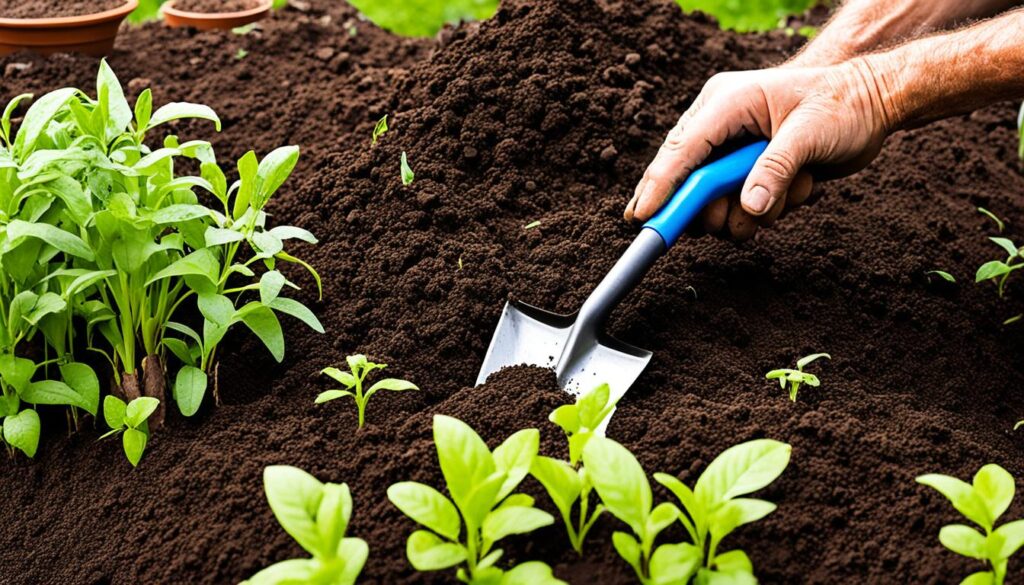
Take a look at the image below to see a visual representation of the importance of soil moisture monitoring in improving drainage for indoor plants:

Continue to the next section to learn how to utilize saucers and trays for excess water collection and further enhance the drainage in your potted plants.
Utilizing Saucers and Trays for Excess Water Collection
Saucers and trays are valuable assets when it comes to enhancing potted plant drainage. These simple tools effectively collect excess water, preventing it from pooling in the pot and causing waterlogging. By incorporating saucers and trays into your potted plant setup, you can further optimize drainage and create an environment that promotes healthy root growth.
When choosing saucers and trays, ensure they are the appropriate size for your pots. The saucer or tray should be large enough to catch any run-off water without overflowing. It should also be deep enough to hold the excess water without causing spillage. Remember, the objective is to collect the water, not create an additional mess.
To utilize saucers and trays for effective water collection, simply place them underneath the potted plants. When watering your plants, any excess water will flow into the saucer or tray, preventing it from lingering in the pot. This helps to safeguard the roots from water-related issues such as root rot and fungal diseases.
In addition to collecting excess water, saucers and trays offer an opportunity to monitor drainage efficiency. By regularly checking the saucers or trays, you can assess whether your plants are receiving the appropriate amount of water. If the saucer or tray consistently stays dry after watering, it may indicate that your plants are not getting enough water. Conversely, if the saucer or tray remains constantly filled, you may need to adjust your watering practices to avoid overwatering.
Remember to empty the saucers and trays after water collection. Allowing the water to sit in the saucers or trays for an extended period can encourage mosquito breeding or cause root rot. Regularly emptying and cleaning them will maintain a healthy and hygienic environment for your potted plants.
In summary, utilizing saucers and trays is an effective method to enhance potted plant drainage. By collecting excess water and providing a means to monitor water flow, saucers and trays ensure the optimal well-being of your plants. Incorporate this simple technique into your potted plant care routine to promote healthy growth and prevent water-related issues.
Adjusting Watering Practices for Better Drainage
When it comes to maintaining good drainage in potted plants, adjusting your watering practices is key. By following these potted plant drainage tips, you can promote optimal drainage and prevent water-related issues.
- Watering frequency: Overwatering is one of the main culprits behind poor drainage. To avoid this, examine your plants’ moisture needs and water them only when the top inch of soil feels dry. It’s better to underwater than to overwater.
- Amount of water: When watering, ensure that you’re providing enough water to thoroughly saturate the soil. A slow and steady stream of water allows it to penetrate evenly, promoting better drainage.
- Avoid waterlogging: To prevent water from sitting in the bottom of the pot, always empty the saucer or tray underneath after watering. Let the excess water drain away to maintain proper drainage.
- Consider the pot size: The size of the pot can affect drainage. Use a pot with drainage holes that is appropriate for the size of your plant. This allows excess water to escape and helps prevent waterlogging.
- Observe plant response: Pay attention to how your plants respond to watering. If you notice yellowing leaves, wilting, or a foul odor, it may indicate poor drainage. Adjust your watering practices accordingly.
Finding the right balance
Improving drainage in potted plants requires finding the right balance between watering enough to sustain their needs and avoiding excessive moisture. By adjusting your watering practices and following these potted plant drainage tips, you can create an optimal environment for your plants to thrive.

Regular Maintenance and Cleaning for Drainage Optimization
Regular maintenance and cleaning are vital components of optimizing drainage in your potted plants. By following these simple tips, you can ensure that your plants thrive in a well-draining environment, supporting their overall health and growth.
1. Clean the Drainage Holes
Over time, debris such as soil, roots, and minerals can accumulate in the drainage holes of your pots, hindering water flow. Periodically inspect and clean these holes using a small brush or toothpick to maintain effective drainage.
2. Remove Dead Leaves and Plant Debris
Regularly remove dead leaves and other plant debris that may accumulate on the soil surface. Decaying organic matter can lead to soil compaction and poor drainage. Use a pair of pruning shears or your fingertips to gently remove any unwanted plant material.
3. Check for Mold or Fungal Growth
Inspect the soil and pot surfaces for any signs of mold or fungal growth. These can indicate excessive moisture levels or poor ventilation. If present, remove the affected soil and treat the area with an appropriate fungicide or improve ventilation by adjusting the pot’s placement.
4. Clean the Pot’s Inner Surface
Over time, mineral deposits, algae, or fungal spores may accumulate on the inner surface of your pots. Clean them periodically with a mixture of mild soap and warm water, scrubbing gently with a sponge or brush. Rinse thoroughly to remove any soapy residue.
5. Avoid Overcrowding
Ensure that your plants have enough space for healthy root growth by avoiding overcrowding. Overcrowding can lead to competition for nutrients and water, which can negatively impact drainage. Consider repotting or rearranging your plants to provide adequate space.
6. Monitor for Pests
Pests, such as fungus gnats or root-feeding insects, can contribute to poor drainage by damaging the roots or introducing diseases. Regularly monitor your plants for signs of pest infestation and take appropriate measures to control them, such as using natural or chemical treatments.
7. Adjust Watering Habits
Consistently review and adjust your watering habits to ensure optimal drainage. Avoid overwatering, as excess moisture can lead to waterlogged soil. Instead, water your plants thoroughly and allow the top inch or so of soil to dry out before watering again.
- Consider using a moisture meter to gauge soil moisture levels accurately.
- Be mindful of seasonal variations, as plants require different amounts of water during different times of the year.
- Observe your plants’ response to watering adjustments and make necessary changes accordingly.
By incorporating these regular maintenance and cleaning practices into your plant care routine, you can ensure optimal drainage and provide a healthier environment for your potted plants to thrive.
Troubleshooting Drainage Issues in Potted Plants
Sometimes, despite following best practices for potted plant drainage, issues may arise that affect the health and growth of your indoor greenery. In this section, I will discuss common drainage problems that can occur in potted plants and provide practical solutions to troubleshoot and rectify these issues.
1. Soil Compaction:
One common drainage problem is soil compaction, which occurs when the potting mix becomes densely packed, hindering water absorption and drainage. To solve this issue, gently loosen the soil using a fork or small gardening tool to improve aeration and water flow. Additionally, consider incorporating organic materials such as perlite or vermiculite into the potting mix to promote better drainage.
2. Overwatering:
Overwatering is a frequent cause of drainage problems in potted plants. Excessive water can lead to waterlogged soil, root rot, and poor plant health. Ensure that you allow the top inch of the soil to dry out before watering again. Additionally, check if there are any drainage holes clogged with soil or debris. If necessary, repot the plant in a container with proper drainage holes.
3. Improper Pot Size:
Using the wrong pot size can contribute to drainage issues. If the pot is too large, excess water can accumulate, causing root rot. Conversely, a pot that is too small may restrict root growth and impede drainage. Choose a pot that is appropriate for the size of your plant, providing enough space for roots to grow and allowing water to flow freely.
4. Insufficient Drainage Holes:
Insufficient drainage holes can prevent excessive water from escaping the pot, leading to water accumulation and soil saturation. Ensure that your pots have an adequate number of drainage holes to allow water to flow freely. If your pot doesn’t have any drainage holes, consider drilling some at the bottom or transplanting the plant into a pot with proper drainage.
5. Incorrect Potting Mix:
The choice of potting mix can significantly affect drainage. Using a heavy soil mix that retains too much water can impede drainage and cause root rot. Opt for a well-draining potting mix that contains materials like perlite, vermiculite, or coarse sand. These additives help improve aeration and moisture retention balance, ensuring optimal drainage for your potted plants.
By understanding and addressing these common drainage problems, you can troubleshoot and rectify issues in your potted plants. Remember to assess the specific needs of your plants and adjust watering practices accordingly. By implementing these solutions, you can ensure proper drainage and create a healthier environment for your indoor greenery to thrive.
Conclusion
In conclusion, by implementing these tips and techniques to improve drainage in your potted plants, you can ensure their overall health and vitality. Proper drainage is essential for the roots’ well-being and prevents waterlogged conditions that can lead to root rot and other plant diseases. By choosing the right potting mix, utilizing drainage holes effectively, and adjusting your watering practices, you can create an optimal environment for your indoor greenery to thrive.
Regular maintenance and monitoring of soil moisture levels are also crucial in maintaining good drainage. By cleaning your pots regularly and using saucers or trays to collect excess water, you can prevent waterlogging and maintain a healthy growing environment. And when drainage issues arise, troubleshooting and addressing them promptly can save your plants from potential damage.
So, whether you’re a seasoned plant enthusiast or a beginner looking to enhance your indoor gardening skills, follow these best practices to improve drainage in your potted plants. With the right care and attention, your plants will flourish, bringing beauty and freshness to your home or office space.