
Creating a vertical pallet garden is a fantastic way to maximize space and add greenery to any small area. In this guide, I’ll walk you through the steps to make your own vertical pallet garden using simple materials and techniques. You don’t need a large backyard or extensive gardening knowledge to create a beautiful and functional vertical garden. With a little creativity and some basic DIY skills, you can transform a wooden pallet into a stunning vertical planter that will enhance any space.
Key Takeaways:
- Learn how to make a vertical pallet garden to maximize space and add greenery to small areas.
- Obtain a safe pallet for gardening by checking for heat-treated markings.
- Prepare the pallet by removing slats and securing landscape fabric to hold the soil.
- Add potting soil to the pallet to create planting pockets for flowers, herbs, or succulents.
- Choose suitable plants and provide regular maintenance to ensure the success of your vertical garden.
Step 1: Find a Pallet
The first step in making a vertical pallet garden is to find a suitable pallet. Pallets can be sourced for free from local businesses or found on platforms like Craigslist.
“Pallets can be found in great condition from local businesses that receive shipments on them. They may have extras that they’re happy to give away or sell at a low cost.”
– Emma’s Garden Supply
However, it’s essential to ensure the pallet you choose is safe for gardening. Check for stamps or markings that indicate the pallet has been heat treated rather than chemically treated. Heat-treated pallets are safe to use for gardening as they do not contain harmful chemicals that could leach into the soil.
When searching for a pallet, keep in mind the size and condition. Look for one that is in good shape and free from rot or damage.
Where to Find Pallets
- Local businesses that receive shipments
- Craigslist or other online platforms
- Grocery stores, garden centers, or hardware stores
By exploring these options, you can easily find a suitable pallet for your vertical garden project. Remember to choose a safe pallet that has been heat treated and is in good condition to ensure the success of your garden.
Step 2: Prepare the Pallet
Once you have a safe pallet, it’s time to prepare it for use as a vertical planter. First, assess the pallet and determine if any slats need to be removed to create sufficient space for plants to thrive. Gently tap the slats with a hammer to loosen them, then carefully remove them to create openings.
Next, cut a piece of landscape fabric to fit the backside of the pallet. This fabric is essential as it will hold the soil in place while allowing for proper drainage. Lay the fabric over the backside of the pallet, ensuring it covers the entire area.
With the landscape fabric in place, secure it to the pallet using a staple gun. Start at one end and work your way horizontally, adding staples to keep the fabric taut and in position. Aim to create pockets or compartments across the pallet, ensuring they are deep enough to accommodate the soil.

Step 3: Add Potting Soil
Now that the landscape fabric is securely in place, it’s time to add the potting soil to your vertical pallet garden. This step is crucial for providing the necessary nutrients and support for your plants to thrive.
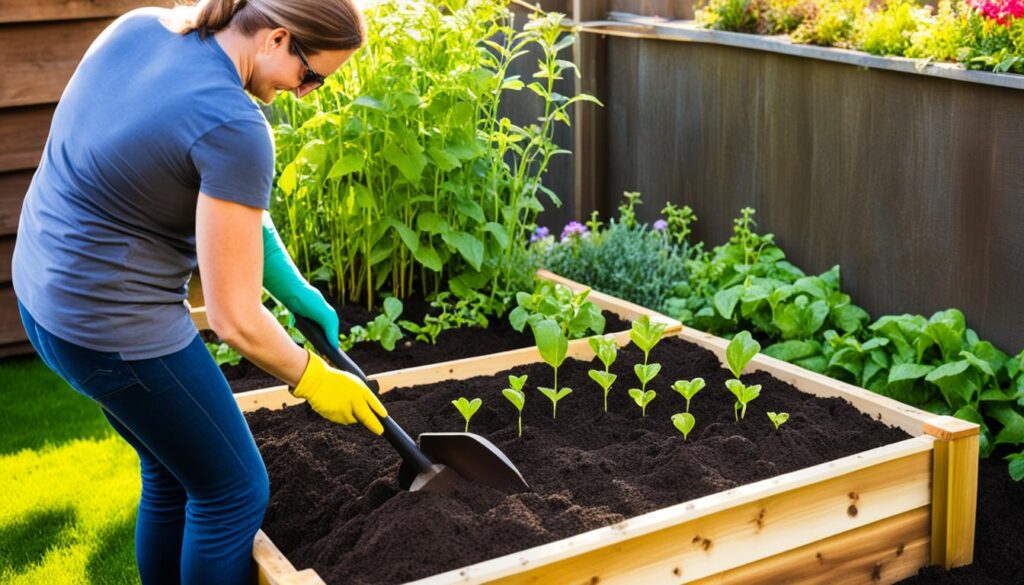
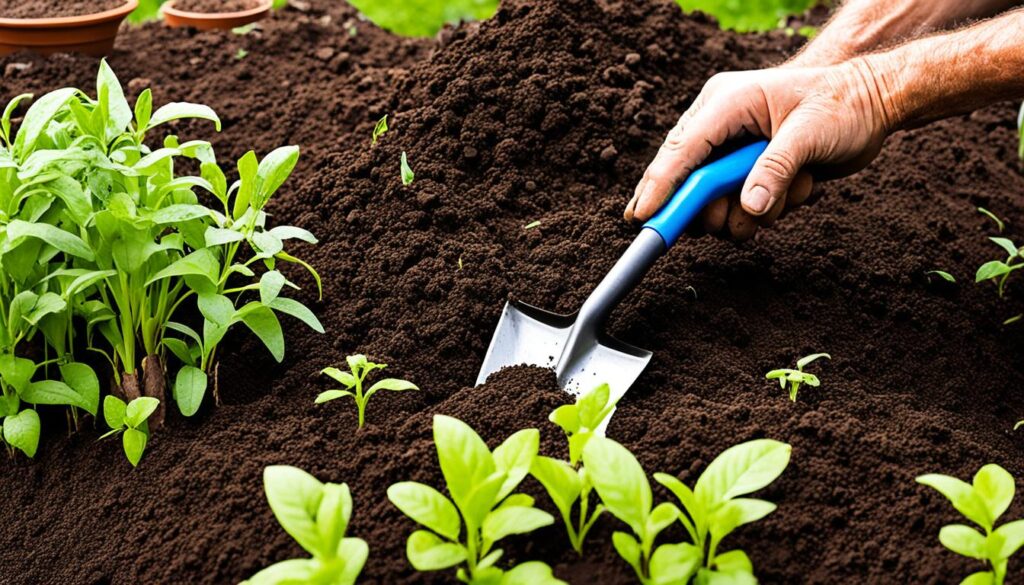
To begin, fill each pocket that you created with the fabric with an ample amount of potting soil. The goal is to ensure that the plants have enough soil to root and grow properly. Fill the soil all the way to the top of the pallet slats, giving your plants sufficient space to spread their roots and reach their full potential.
Remember: The quality of your potting soil will directly impact the health and growth of your plants. Choose a high-quality potting mix that is rich in organic matter and well-draining. Avoid using regular garden soil, as it can become compacted and hinder root development in a vertical garden.
Tip: If you find it difficult to fill the pockets with soil, try using a trowel or your hands to gently press the soil down and create space for more.
Importance of Adequate Soil Depth
Ensuring that your plants have sufficient soil depth is crucial for their overall health and productivity. The deeper the soil, the better the plants can establish their root systems and access essential nutrients and water. In a vertical pallet garden, filling the soil all the way to the top of the pallet slats is essential for providing adequate soil depth and promoting optimal plant growth.
By having enough soil depth, your plants will have enough space for their roots to develop and access the nutrients they need to thrive. This will result in healthier, more vigorous plants that will produce an abundance of foliage, flowers, or even edible crops.

Note: The image above demonstrates the process of filling the pallet pockets with potting soil, creating an optimal growing environment for your plants.
- Fill each pocket created with landscape fabric with potting soil.
- Press the soil down gently to create space for more if needed
- Ensure the soil reaches the top of the pallet slats.
Step 4: Choose and Plant
Now that the pallet is prepared and filled with soil, it’s time to select the plants for your vertical garden. When it comes to vertical pallet gardens, succulents are an excellent choice. These plants are not only low-maintenance but also thrive in shallow soil depths. Their unique shapes and textures can add visual interest to your vertical garden.
If you’re looking to add a burst of color, you can opt for annuals or small seasonal flowers. They will bring vibrancy and a touch of nature to any space. However, it’s important to avoid planting vegetables in a vertical pallet garden. The limited soil depth may restrict their growth and yield.
When planting, make sure to carefully place your chosen plants in the pockets of soil, ensuring they have enough room to grow and thrive. Consider the height and growth habits of each plant to ensure they won’t overshadow or crowd each other. With proper plant selection and placement, your vertical pallet garden will flourish and become a lush green oasis.
Maintenance and Care
Once your vertical pallet garden is planted, proper maintenance and care are crucial for its success. Here are some essential tips to help you maintain a thriving vertical garden.
Watering Your Vertical Garden
Water your garden regularly to keep the plants hydrated, especially during hotter weather. Vertical gardens are more exposed to sunlight and wind, which can lead to increased evaporation. Make sure to water your plants adequately, but avoid overwatering as excess moisture can cause root rot. A good rule of thumb is to moisten the soil without saturating it.

Soil Maintenance
Check the soil moisture regularly to ensure it stays in the optimal range. If the soil feels dry to the touch, it’s time to water your garden. Additionally, over time, the soil may settle, creating gaps between the plants’ root systems and the surface. To address this, you may need to top up the soil in the pallet to maintain an adequate growing environment for your plants.
Replacing Plants
As your vertical garden thrives, some plants may outgrow their space or complete their lifecycle. It’s important to keep an eye on the health and growth of your plants. If you notice any wilting, overcrowding, or plants that have fulfilled their lifespan, consider replacing them with new ones. This way, you can ensure a continuous and vibrant display in your vertical pallet garden.
“Proper maintenance and care are essential for the longevity and success of your vertical pallet garden.”
By following these maintenance and care practices, you can enjoy a beautiful and flourishing vertical garden throughout the seasons. Keep a watchful eye on your plants, customize your care routine based on their needs, and enjoy the beauty and benefits of your vertical pallet garden.
Getting Started: Materials and Time Investment
Before embarking on your vertical pallet garden project, it’s important to gather all the necessary materials and tools. Here’s a breakdown of what you’ll need:
- A wooden pallet – to serve as the foundation of your vertical garden.
- Landscaping fabric – to hold the soil in place and prevent it from falling out.
- Potting soil – to provide nutrients for your plants to grow.
- Plants suitable for vertical gardening – choose plants that can thrive in a shallow soil depth.
- A staple gun – for securing the landscaping fabric to the pallet.
- Scissors and a utility knife – for cutting the fabric and making any necessary adjustments.
- Optionally, bungee cords or ties – to secure the pallet in place.
- A broom and trowel – for soil maintenance.
With these materials and tools ready, you’ll be well-equipped to start your vertical pallet garden project.
Now, let’s talk about the time commitment. Constructing a vertical pallet garden typically takes about one afternoon to complete. This includes finding a pallet, preparing it, and filling it with soil. However, keep in mind that the soil may take an additional 48 hours to settle properly before you can begin planting.
When it comes to filling the pallet with plants, you can expect to spend roughly an hour on this step. It may take some time to arrange the plants and ensure they have enough space to grow and thrive.
To make the process smoother, have a broom and trowel handy for soil maintenance. These tools will help you keep your vertical pallet garden looking its best by tidying up any loose soil or debris.
Remember to take your time, enjoy the process, and get ready to create a beautiful and functional vertical garden.
What to Grow in a Vertical Pallet Garden
A vertical pallet garden offers a versatile growing space for various plants. Lettuce is a popular choice for vertical gardens, as it can provide multiple harvests and fresh greens throughout the season. Other leafy lettuces, such as Boston, Oak leaf, and red leaf, can also thrive in a vertical pallet garden.
When it comes to herbs, thyme, parsley, rosemary, and basil are excellent options for vertical gardening. These herbs require less space to grow and can be easily accessed for cooking and culinary purposes. Plus, they add a delightful aroma to your vertical garden.
Incorporating trailing flowers, like marigolds or petunias, can add a vibrant splash of color and visual interest to your vertical garden. These flowers gracefully cascade down the pallet, creating a beautiful display. Additionally, they attract pollinators such as bees and butterflies, contributing to a thriving ecosystem.
By combining a variety of suitable plants for your vertical pallet garden, you can create a lush and vibrant green space, even in limited areas. Experiment with different combinations of lettuces, herbs, and flowers to find the perfect mix for your vertical garden.
Discover the joy of growing your own fresh greens, flavorful herbs, and beautiful flowers in a vertical pallet garden. Let nature thrive in even the smallest spaces!
Materials List
Creating a vertical pallet garden requires a few essential materials to ensure your project is successful. Here is a list of the required items:
- Wooden Pallet: Choose a wooden pallet preferably heat-treated to ensure its safety for gardening. Grocery stores, garden centres, or hardware stores are excellent places to source pallets that meet this requirement.
- Potting Soil: Approximately 160 litres of potting soil will be needed for a full-sized pallet. This quantity will provide sufficient growing space for your plants.
- Landscaping Fabric: The landscaping fabric is crucial for holding the soil in place while allowing proper drainage and preventing soil erosion. Cut the fabric to fit the backside of the pallet, securing it with a staple gun.
- Bungee Cords or Ties: Secure the pallet in an upright position using bungee cords or ties to keep it stable.
- Tools: You will need a staple gun, scissors, and a utility knife for various tasks throughout the project.
With these materials on hand, you’ll be well-equipped to create your own vertical pallet garden. Let’s move on to the next step and start constructing your garden masterpiece!
Step-by-Step Construction
Here’s a step-by-step guide to making a vertical pallet garden.
- Spray paint the pallet in your desired color, if desired.
- Cut landscaping fabric to line the cavities of the pallet.
- Secure the fabric in place using a staple gun.
- Fill the cavities with potting soil, ensuring sufficient depth for plant growth.
- Create small slits in the fabric to accommodate the plants’ root balls.
- Plant the chosen plants accordingly.
- Stand the pallet upright and secure it with bungee cords if necessary.
To begin, spray paint the pallet in your chosen color(s) to add a personal touch to your vertical pallet garden.
Next, cut landscaping fabric to fit the cavities of the pallet. This fabric will line the pockets and prevent soil from falling out. Ensure the fabric is taut and secure it in place using a staple gun.
Once the fabric is secured, fill the cavities with potting soil. Be sure to provide enough depth for the plants to grow and thrive.
Create small slits in the fabric to accommodate the root balls of the chosen plants. Gently insert each plant, ensuring it is securely positioned in the soil.
Finally, stand the pallet upright, positioning it in your desired location. If necessary, use bungee cords or other securement methods to keep the pallet stable.
Adding Personal Touches
To make your vertical pallet garden truly unique, consider personalizing it with creative and decorative elements. Let your imagination run wild and let your personal style shine through in your vertical pallet garden.
One way to add personality to your garden is by painting the pallet in colors that complement your outdoor space. Choose hues that speak to your style and create a cohesive look. Whether you opt for vibrant shades or subtle tones, painting the pallet will transform it into a focal point that adds visual interest to your vertical garden.
If you want to take your personalization a step further, consider adding patterns or designs to the painted pallet. Use stencils or freehand techniques to create unique and artistic touches. The patterns can reflect your personality or be inspired by elements in your surroundings.
Add functional elements to your vertical pallet garden by attaching small hooks or shelves. These additions can hold additional potted plants or decorative items, such as wind chimes or hanging lanterns. This not only enhances the visual appeal of your garden but also provides practical storage options for your plants and garden accessories.
“Adding personal touches to your vertical pallet garden creates a space that is uniquely yours.”
Remember, adding personal touches to your vertical pallet garden is all about expressing your creativity and making a space that reflects your personality. So, get creative and have fun as you personalize your vertical pallet garden!
Tips and Tricks
To ensure successful vertical pallet gardening, here are some helpful tips and tricks.
Selecting the right location is crucial for the health and growth of your plants. Choose a spot that receives adequate sunlight for your selected plant varieties. Most plants require at least 6 hours of direct sunlight daily to thrive. Consider the specific light requirements of your chosen plants and find a location that meets their needs.
Watering is an essential aspect of vertical pallet gardening. Regular watering is necessary to keep the plants hydrated, especially during dry spells or hot weather. However, avoid overwatering, as excessive moisture can lead to root rot and other fungal diseases. Allow the soil to dry slightly between watering sessions to maintain a healthy balance.
Maintenance plays a significant role in the success of your vertical garden. Monitor the health of your plants regularly and make necessary adjustments as needed. Some plants may outgrow their space or not thrive as expected. Replace any struggling or dying plants to maintain the overall aesthetic and vitality of your vertical garden. Additionally, consider adjusting the soil level as the plants establish themselves, ensuring they have enough room to grow and spread their roots.