
Welcome to the world of water-efficient gardening with wicking beds! In this guide, I will take you through the step-by-step process of creating your very own wicking bed in your garden. With a wicking bed, you can ensure efficient watering for your plants while promoting water conservation. So, let’s dive in and discover how to make a wicking bed that will enhance your gardening experience.
Key Takeaways:
- Creating a wicking bed is a rewarding and cost-effective project for any garden enthusiast.
- A wicking bed is a self-watering garden bed that helps conserve water.
- Understanding the construction and setup of a wicking bed is essential before you begin.
- Gathering the necessary materials is the first step in building a wicking bed.
- Maintaining and troubleshooting your wicking bed will ensure its long-term functionality.
Understanding Wicking Bed Construction
In this section, we will explore the construction process of a wicking bed. Building your own wicking bed can be a rewarding and cost-effective project, allowing you to create a self-watering garden bed in your outdoor space.
Before we dive into the construction details, let’s first understand what a wicking bed is. A wicking bed is a unique gardening system that utilizes capillary action to draw water upwards, providing consistent moisture to the plant roots. This method ensures water efficiency and plant health, making it an ideal choice for sustainable gardening.
When constructing a wicking bed, there are a few key components you need to gather:
- A suitable container: This is the foundation of your wicking bed system. It can be a raised garden bed, a wooden box, or even a repurposed container such as a bathtub or an old water tank. Make sure the container is sturdy and has proper drainage holes.
- A water reservoir: This is where the water is stored in the wicking bed. It should be a watertight compartment placed below the growing medium. A plastic liner or pond liner can be used to create the reservoir.
- A growing medium: This is a crucial element that allows the plants to grow and draw moisture from the reservoir. Common choices for a growing medium include a blend of compost, vermiculite, and coconut coir. It should be lightweight, well-draining, and nutrient-rich.
- A water distribution layer: It serves as a barrier between the growing medium and the water reservoir, preventing the roots from sitting directly in water. This layer can be made of geotextile fabric or a layer of gravel.
- A wicking material: This material acts as the capillary wick, drawing water up from the reservoir to the growing medium. Examples of wicking materials include PVC pipes, irrigation tubing, or even strips of felt fabric.
Once you have gathered the necessary materials, it’s time to assemble your wicking bed. Start by creating the water reservoir at the bottom of the container. Line the base with the plastic liner and ensure it is securely sealed. Next, add the water distribution layer on top of the reservoir.
Now, it’s time to add the growing medium. Fill the container with the prepared blend of compost, vermiculite, and coconut coir, ensuring it is evenly distributed. Leave some space at the top for planting.
Finally, insert the wicking material into the growing medium, making sure it reaches down into the water distribution layer. This will allow the water to be drawn up towards the plant roots.
Congratulations! You have successfully constructed your very own wicking bed. It’s now ready for planting and providing your plants with a consistent water supply. Regularly monitor the moisture level and refill the reservoir when necessary to maintain optimal water levels.
A wicking bed offers a sustainable and efficient way to grow your plants, minimizing water waste and promoting healthy plant growth. In the next section, we will delve into the specifics of gathering the necessary materials for your DIY wicking bed. But before we move on, take a moment to appreciate the beauty of a wicking bed in action:
Gathering the Necessary Materials
Before you start building your wicking bed, it’s important to gather all the necessary materials. Having everything prepared will make the construction process smoother and more efficient. In this section, I will provide you with a comprehensive list of wicking bed materials that you will need to ensure a successful project.
Container
The first and most important material you’ll need is a suitable container for your wicking bed. This can be a raised bed, a wooden planter, or even a repurposed container such as a plastic barrel. Make sure it’s large enough to accommodate the desired size and number of plants.
Growing Medium
The next essential material is the growing medium for your wicking bed. This is the soil-like substance that will retain moisture and provide nutrition to your plants. A good choice is a mix of high-quality compost, vermiculite or perlite, and coconut coir or peat moss. This combination creates a well-draining and nutrient-rich environment for your plants to thrive.
Water Reservoir
A wicking bed relies on a water reservoir to provide a constant supply of moisture to the plants. You’ll need a material that can hold water without leaking or deteriorating over time. Some options include a pond liner, a food-grade plastic liner, or even a concrete sealer for wooden containers. Be sure to choose a material that suits the size and type of your wicking bed.
Drainage Components
To ensure proper drainage and prevent waterlogging, you’ll need various drainage components. This includes drainage pipes, gravel or coarse sand for the water distribution layer, and geotextile fabric to separate the growing medium from the drainage layer. These materials will ensure that excess water can escape the reservoir, preventing root rot and other water-related issues.
Additional Materials
In addition to the main components mentioned above, you may also need other materials depending on your specific wicking bed design. This could include fittings, connectors, tubing, or even irrigation systems if you want to automate the watering process. Consider any additional features or accessories you’d like to incorporate into your wicking bed and gather the necessary materials accordingly.
Now that you have a comprehensive list of wicking bed materials, you can start gathering them before proceeding to the construction phase. Having everything prepared will save you time and ensure a smooth workflow. In the next section, I will guide you through the process of setting up your wicking bed.
Setting Up the Wicking Bed
Now that you have gathered all the necessary materials, it’s time to set up your wicking bed. This section will guide you through the process of creating the different layers within the wicking bed system, ensuring that it functions effectively.
Step 1: Prepare the Reservoir
Start by selecting a sturdy container that will serve as the reservoir for your wicking bed. It can be a plastic tub, a wooden box lined with a pond liner, or any other water-resistant container. Make sure the container is large enough to hold an adequate amount of water for your plants.
Place the container in the desired location, ensuring it is level and stable. Next, drill a small hole near the bottom of the container to serve as an overflow outlet. This will prevent excess water from accumulating and ensure proper drainage.
Step 2: Add the Water Distribution Layer
The water distribution layer is responsible for evenly distributing water throughout the wicking bed. This layer helps to maintain consistent moisture levels for the plants.
To create the water distribution layer, you can use a geotextile fabric or a layer of small stones. Spread the fabric or stones evenly on top of the reservoir, ensuring they cover the entire surface area. This layer will allow water to move freely and reach the growing medium.
Step 3: Install the Wicking Material
The wicking material is what allows water to move from the reservoir to the root zone of the plants. It acts as a capillary wick, drawing water up through the soil or growing medium.
Commonly used wicking materials include geotextile fabric, landscape fabric, or specially designed wicking strips. Place the wicking material on top of the water distribution layer, making sure it extends into the reservoir.
Step 4: Add the Growing Medium
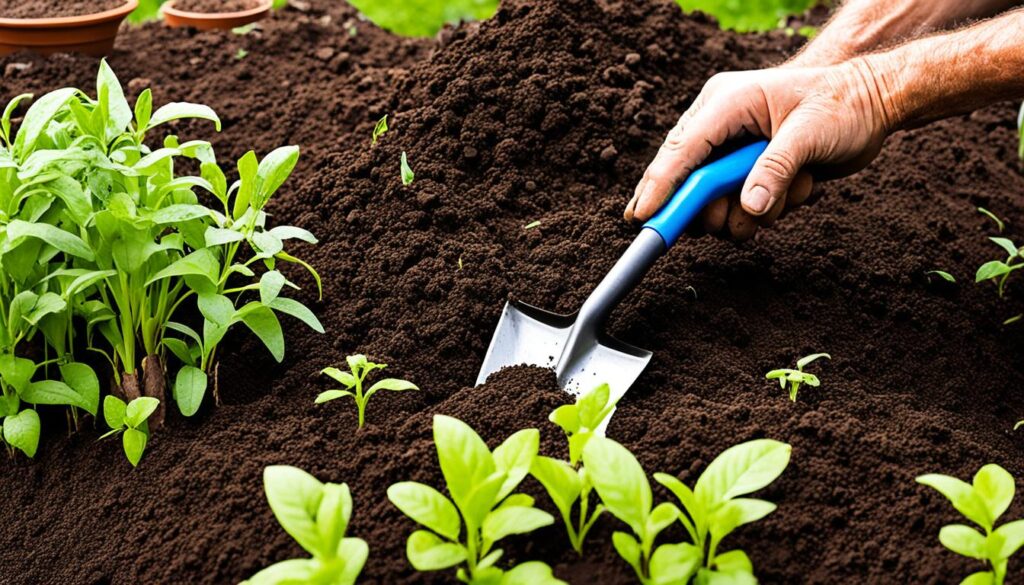
Now it’s time to add the growing medium to your wicking bed. Choose a well-draining medium that is suitable for the types of plants you intend to grow. A mix of compost, sand, and perlite or vermiculite often works well.
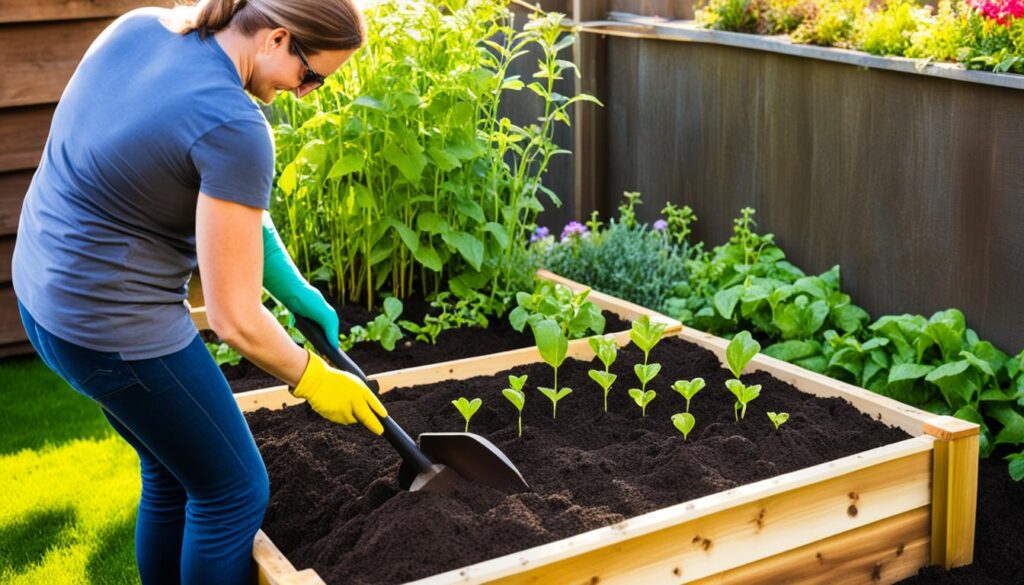
Fill the wicking bed with the growing medium, ensuring it is evenly distributed and reaches the desired depth. Leave some space at the top to allow room for watering.
Step 5: Planting in the Wicking Bed
Once the setup is complete, you can start planting in your wicking bed. Choose plants that are suitable for the growing conditions provided by the wicking bed system, considering factors such as sunlight requirements, water needs, and spacing.
Remember to water the plants from the top during the initial establishment phase to encourage the roots to reach down towards the wicking material. Once the roots have established, you can rely on the self-watering capability of the wicking bed.
By following these steps, you can create a well-functioning wicking bed that provides consistent moisture to your plants, reducing the need for frequent watering and promoting healthy growth.
The Benefits of Wicking Beds
I’m excited to share with you the numerous benefits of incorporating wicking beds into your garden. These innovative self-watering systems offer a range of advantages that not only promote water-efficient gardening but also contribute to the overall health and vitality of your plants.
1. Reduced Water Waste
One of the primary benefits of wicking beds is their ability to significantly reduce water waste. By utilizing a reservoir system that provides water to the plants from below, wicking beds minimize evaporation and ensure that water is delivered directly to the roots where it is needed most. This efficient watering method helps conserve water, making it an environmentally friendly choice.
2. Water-Efficient Gardening
Wicking beds are ideal for water-efficient gardening. Through a process called capillary action, the growing medium in the wicking bed draws water up from the reservoir, delivering it to the plant roots as needed. This ensures that your plants receive a consistent water supply, reducing the need for frequent watering and minimizing water loss due to runoff or evaporation.
With wicking beds, you can cultivate a beautiful and thriving garden while using less water, making it a sustainable choice for gardeners who want to conserve this valuable resource.
3. Healthier Plant Growth
Wicking beds create the perfect environment for healthy plant growth. The consistent moisture provided by the self-watering system helps plants develop strong and extensive root systems, allowing them to access nutrients more efficiently and establish themselves more effectively in the growing medium.
Additionally, the controlled watering in wicking beds prevents overwatering and underwatering, reducing the risk of plant stress and diseases caused by inconsistent moisture levels. This results in healthier, more resilient plants that are better equipped to withstand environmental fluctuations and thrive in your garden.
4. Extended Watering Intervals
One of the key benefits of wicking beds is their ability to extend watering intervals. The self-watering system ensures that water is available to the plants for an extended period, reducing the need for daily watering. This is especially beneficial during hot summer months or when you are away from home for an extended period.
5. Versatility and Adaptability
Wicking beds are highly versatile and can be adapted to different garden spaces and plant varieties. Whether you have a small balcony or a large backyard, you can create a wicking bed that fits your available space and gardening needs.
Furthermore, wicking beds can be used to grow a wide range of plants, from edibles like vegetables and herbs to ornamental flowers and shrubs. You have the freedom to design and customize your wicking bed according to your preferences, allowing you to create a beautiful and productive garden.

Understanding Wicking Bed Irrigation
When it comes to water-efficient gardening, understanding wicking bed irrigation is essential. Wicking beds utilize a unique self-watering system that ensures efficient watering for your plants while minimizing water loss. In this section, I will explain how the wicking action works and how it helps create a sustainable garden environment.
The key to effective wicking bed irrigation lies in its clever design. A wicking bed consists of different layers that work together to deliver water to the plants’ roots as needed. At the bottom of the bed, a water reservoir is created, typically using a layer of gravel or sand, and this acts as a water storage zone. Above the reservoir, a barrier material is placed to prevent soil and growing medium from seeping into the reservoir. This barrier forces the water to move upwards through capillary action, making it available to the plant roots.
To ensure efficient water distribution throughout the growing medium, a water distribution layer made of permeable material, such as geotextile fabric or PVC pipe, is added. This layer allows the water to spread evenly and reach all parts of the bed, ensuring no plant goes thirsty. The water is pulled by the roots through osmosis, allowing the plants to take up only what they need, reducing water wastage significantly.
Wicking bed irrigation offers several benefits for water-efficient gardening. First and foremost, it eliminates the need for conventional watering methods such as overhead sprinklers or hand watering, saving both time and effort. It also reduces water consumption by providing water directly to the plant roots and minimizing evaporation. With this efficient system in place, you can say goodbye to water runoff and waterlogged soil, creating a perfect environment for your plants to thrive.
Benefits of Wicking Bed Irrigation:
- Conserves water by delivering it directly to plant roots
- Minimizes water loss through evaporation and runoff
- Prevents overwatering and waterlogged soil
- Reduces the need for frequent watering
- Promotes healthier plant growth and reduces plant stress
By implementing wicking bed irrigation in your garden, you can achieve water-efficient gardening and contribute to a more sustainable future. So why wait? Let’s explore the wonders of wicking bed irrigation together!
Maintaining Your Wicking Bed
Proper maintenance is crucial for the long-term success of your wicking bed. By following a few simple tips and techniques, you can ensure that your wicking bed remains in optimal condition, allowing it to function effectively for years to come.
Regular Inspections
Regular inspections of your wicking bed are essential to identify any potential issues early on. Check for leaks, clogs, or any signs of damage to the reservoir, water distribution layer, or growing medium. Inspecting the bed at least once a month will help you address any problems promptly.
Monitor Water Levels
Keep an eye on the water levels within your wicking bed. Ensure that the reservoir has an adequate amount of water to supply the plants’ needs without overflowing. If the water level drops below the required threshold, add water to maintain the proper moisture balance.
Weed Control
Regular weeding is necessary to prevent unwanted plants from competing with your desired crops. Remove any weeds that appear in the wicking bed, making sure to extract the roots to prevent regrowth. This will ensure that your plants have access to essential nutrients and water.

Fertilization
Just like any garden, your wicking bed may require additional nutrients to support plant growth. Apply organic fertilizers or compost regularly to replenish the soil’s fertility. Remember to follow the recommended dosage and application instructions to avoid over-fertilization.
Pest and Disease Management
Monitor your wicking bed for any signs of pests or diseases. Inspect your plants regularly, looking for spots, discoloration, or evidence of pests such as aphids or slugs. If a problem is identified, take appropriate measures, such as natural pest control methods, to protect your plants.
Seasonal Adjustments
Adjust your wicking bed’s watering schedule and planting choices according to the season. During hot summers, you may need to increase watering frequency, while in cooler months, you can reduce it. Choose plant varieties that thrive in the current weather conditions for optimal growth and efficiency.
Clearing Blockages
If you notice any blockages in the water distribution layer or drainage components of your wicking bed, address them promptly. Clearing the blockages will help maintain proper water flow and prevent waterlogging, ensuring the effective functioning of your wicking bed.
By implementing these maintenance practices, you can enjoy the benefits of a healthy and thriving wicking bed. Continue to care for your bed regularly, and it will reward you with a bountiful harvest while contributing to sustainable water-efficient gardening.
Troubleshooting Common Issues
As you embark on your water-efficient gardening journey with a wicking bed, you may encounter some common issues along the way. Worry not! I’m here to help you troubleshoot these problems and ensure your wicking bed continues to function effectively.
1. Watering Imbalance
One potential issue you might face is an imbalance in watering. If you notice that some plants in your wicking bed are getting more water than others, this can lead to uneven growth and health disparities. To address this problem, check the distribution layer of your wicking bed. Ensure that it is evenly distributing water throughout the bed by perforating the layer or adjusting the water flow. This will guarantee that all your plants receive equal moisture, promoting uniform growth.
2. Drainage Problems
If you find that your wicking bed is not draining properly, it may result in waterlogging, root rot, and water wastage. To resolve this issue, check whether the drainage pipe or holes are clogged. Clear any debris obstructing the flow and ensure that the drainage system is functioning optimally. Additionally, inspect the quality and composition of your growing medium, as a dense or compact medium can restrict proper drainage. Adjusting the medium or adding more perlite can improve the drainage capabilities of your wicking bed.
3. Algae Growth
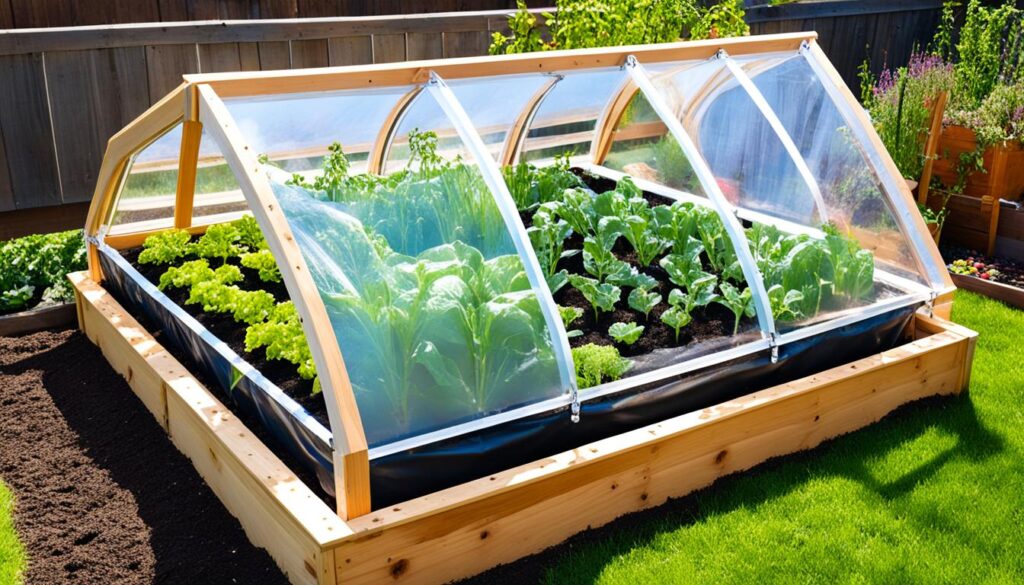
Algae growth can be a common problem in wicking beds, especially when exposed to excessive sunlight or if the water is stagnant. If you notice greenish or slimy patches on the surface of your wicking bed, it’s time to tackle this issue. Firstly, consider shading your wicking bed with a canopy or row covers to reduce the amount of direct sunlight reaching the water surface. Secondly, introduce natural algae control methods such as barley straw, which can help keep the growth in check without harming your plants. Regularly inspect and clean your wicking bed to prevent algae from taking over.
Remember, troubleshooting is an integral part of maintaining a successful wicking bed. By being proactive and addressing these common issues, you can ensure that your water-efficient gardening system thrives. Stay tuned for the next section, where I’ll provide valuable insights into maintaining your wicking bed effectively.
Expanding Your Wicking Bed System
Now that you have successfully set up your initial wicking bed, it’s time to explore the exciting possibilities of expanding your water-efficient gardening system. Whether you have aspirations of growing a wider variety of plants or simply want to increase your garden’s overall capacity, I’ll guide you through the process step by step.
Adding More Beds
If you find that your current wicking bed isn’t providing enough space for all the plants you want to cultivate, expanding by adding more beds is a great solution. Here’s how you can do it:
- Begin by determining the available space in your garden for additional beds. Consider factors such as sunlight exposure and accessibility for watering.
- Choose the appropriate containers for your new beds. You can opt for the same type of container used in your existing wicking bed or experiment with different sizes and styles.
- Follow the same construction process you used for your first wicking bed, ensuring that each new bed has its own independent reservoir and drainage system.
- Connect the reservoirs of all the beds together, either by linking their overflow pipes or by using a common water source.
- Fill each new bed with the necessary growing medium and transplant your desired plants.
- Monitor and maintain the water levels in each bed, ensuring that the wicking action is functioning properly throughout the expanded system.
By expanding your wicking bed system with additional beds, you’ll be able to cultivate a wider variety of plants while maintaining the water-efficient gardening approach.
Exploring Different Plant Varieties
Another way to expand your wicking bed system is by incorporating a diverse range of plant varieties. Each plant has different water requirements, and by including a variety of species in your garden, you can create a vibrant and balanced ecosystem. Here’s how to do it:
- Research and select plant varieties that are well-suited to your local climate and will thrive in a wicking bed environment. Consider factors such as water needs, sunlight requirements, and compatibility with the existing plants in your garden.
- Create separate sections within your wicking bed or allocate individual beds for different plant groups.
- Adjust the water levels and frequency of watering according to the specific needs of each plant variety.
- Monitor the growth and health of your plants, making any necessary adjustments to ensure they are receiving the optimal amount of water.
- Enjoy the visual appeal and bountiful harvest of a diverse range of plant varieties in your expanded wicking bed system.
Expanding your wicking bed system to incorporate different plant varieties adds an extra dimension to your water-efficient gardening. By carefully selecting and nurturing a diverse range of plants, you’ll create a beautiful and productive garden.

Exploring Advanced Wicking Bed Techniques
If you’re ready to take your water-efficient gardening to the next level, there are advanced techniques you can explore to maximize the benefits of your wicking bed system. By incorporating additional water-saving features and experimenting with different setups, you can further enhance the efficiency and effectiveness of your garden.
One advanced technique is to install a rainwater harvesting system alongside your wicking bed. This allows you to collect and utilize rainwater for irrigation, reducing your reliance on mains water and conserving precious resources. By integrating this sustainable solution, you’ll not only save water but also support the overall health of your garden.
Another approach is to incorporate moisture sensors and automated irrigation systems into your wicking bed system. These devices can monitor soil moisture levels and deliver water precisely when and where it’s needed. This ensures that your plants receive optimal hydration while minimizing water waste, making your gardening even more water-efficient and hassle-free.
Furthermore, you can experiment with different plant selections and companion planting techniques to create a diverse and resilient ecosystem within your wicking bed. By choosing plants that have similar water requirements and beneficial relationships with each other, you can optimize water usage and promote natural pest control, resulting in a thriving and sustainable garden.