
In this article, I will provide a step-by-step guide on how to make garden hoops. Garden hoops are a great way to protect your plants and maximise your garden’s potential. By following these instructions, you can easily create your own garden hoops using simple materials.
Key Takeaways:
- Garden hoops are a cost-effective and versatile solution for protecting plants and extending the growing season.
- By using simple materials like pallets, scrap wood, and electrical conduit, you can easily create your own garden hoops.
- Creating a bending mold is the first step in making garden hoops, followed by adding a “hold” to the mold for easy bending.
- Bend the hoops carefully, ensuring both legs have the same angle of bend for a uniform shape.
- Set the hoops in the garden bed using rebar or sinking the conduit directly into the soil for stability.
Materials Needed for Making Garden Hoops
To make garden hoops, you will need a few materials. Here’s what you’ll need:
- A pallet
- Scrap pallet slats
- Scrap wood pieces
- Nails or screws
- 1/2″ galvanized electrical conduit
- String
- A marker
These materials can be easily found or repurposed to create your own garden hoops.
I find that using a pallet as a base provides a sturdy foundation for the garden hoops. Plus, it’s a great way to repurpose materials and reduce waste.
By using scrap pallet slats and wood pieces, you can create the arch and mold for bending the hoops. Nails or screws will be used to secure the materials together. The 1/2″ galvanized electrical conduit will serve as the main hoop structure. String and a marker will assist in creating the curved line for the bending mold.
When choosing the electrical conduit, opt for the galvanized variety for added durability. This will ensure that your garden hoops can withstand various weather conditions and last for seasons to come.
Creating the Bending Mold
In order to start constructing garden hoops, the first step is to create the bending mold. This mold will serve as the framework for shaping the hoops. Here’s how to get started:
- Fill the openings in the pallet with extra slats to create a continuous surface. This will provide a stable base for the mold.
- Locate the center point of the pallet and set a nail or screw in place. This will act as a reference point for creating the curved line of the mold.
- Attach a string with a loop at each end to the nail or screw. This string will be used to create the curved shape of the mold.
- Lay out scrap wood pieces along the curve of the string, attaching them securely to the pallet. These wood pieces will form an arch that follows the curve of the string, creating the desired shape for the mold.
Creating a sturdy bending mold is crucial for achieving well-formed garden hoops. Taking the time to build a solid foundation will ensure that your hoops retain their shape and provide optimal protection for your plants.
Once you have successfully created the bending mold, you are ready to move on to the next step in the garden hoop building process.

Adding the “Hold” to the Mold
Once the arch for your garden hoop is formed, it’s time to add a “hold” or stop to ensure equal length on both sides of the hoop. To do this, you’ll need a block or raised piece of wood.
Position the block or raised piece of wood on one side of the mold. This will serve as a stop during the bending process, holding one end of the conduit in place while you bend the other end around the form.
By using the hold, you can ensure that both sides of the hoop are of the same length, resulting in a symmetrical and sturdy structure for your garden.

Adding the hold is an essential step in the easy construction of garden hoops. It provides stability and uniformity to the hoops, ensuring they can withstand various weather conditions and protect your plants effectively.
Bending the Hoops
Now that we have created the bending mold and added the “hold” to it, it’s time to bend the hoops. This step is crucial for the successful construction of your garden hoops. Follow these easy garden hoop construction techniques to ensure effective results.
To begin, align the hold over mark with the center of the conduit and place one end of the conduit in the stop side of the form. It’s important to apply pressure to the conduit throughout the bending process to keep it in contact with the form. This ensures that the hoop will maintain its shape and provide optimal support for your plants.
Start bending the conduit, gradually applying pressure and guiding it along the curve of the mold. Make sure to bend the entire length of the conduit, ensuring that both legs of the hoop have the same angle of bend. This step guarantees that the garden hoop will sit securely in the bed and provide the necessary protection for your plants.
Remember, the key to easy garden hoop construction lies in effective techniques. Apply consistent pressure and take your time to achieve the desired bend. With patience and practice, you’ll master the art of bending the hoops and create sturdy and reliable structures for your garden.

Now that the hoops are bent to perfection, we’re ready to move on to the next section and learn how to set them in the garden bed for maximum stability and functionality.
Setting the Hoops in the Bed
To ensure stability for your garden hoops, it is important to properly set them in the bed. Here are the steps to follow:
- Start by choosing the desired location for your garden hoops. Consider factors such as sunlight, access to water, and plant spacing.
- Using a hammer, drive rebar or sink the conduit directly into the soil at the designated spots. Make sure the rebar or conduit is securely anchored in the ground to provide stability for your hoops.
- If additional stability is needed, you can add a length of conduit to the top of the hoops. This can be achieved by sliding the additional conduit over the existing hoops.
- Attach the added conduit to the existing hoops using pipe compression clamps, zip ties, or tie wire. Ensure a tight and secure attachment to prevent any movement or wobbling of the hoops.
By properly setting your garden hoops in the bed, you can ensure they stay in place and provide the necessary structure for your plants to grow. The sturdy foundation will support the weight of coverings, such as frost blankets or insect-barrier fabrics.
Take a look at the image below to get a visual representation of how your garden hoops should be set in the bed:
Remember to check the stability of your garden hoops regularly and make any necessary adjustments to ensure your plants are well-protected.
Hoop Height: Low vs High
When building garden hoops, it’s important to consider the height that best suits the needs of the plants you’ll be growing. The height of the hoops can significantly impact the growth and overall health of your plants. Let’s explore the benefits of both low and high hoop heights.
Low Hoop Height
A low hoop height refers to a structure with a lower clearance above the plants. This type of hoop requires less material for covering and can be cost-effective. Low hoops are ideal for plants that don’t require much vertical growth or have a compact size. They provide protection from mild weather conditions, insects, and small animals.
Low hoop height is perfect for compact plants like lettuce, spinach, and other leafy greens.
High Hoop Height
A high hoop height allows for vertical growth and provides ample space for taller plants or those that require trellising. These taller structures enable your plants to reach their full potential, making them suitable for climbing vegetables like tomatoes, peas, and beans. High hoops also provide better air circulation and easier access to your plants for harvesting and maintenance.
High hoop height is excellent for climbing plants such as tomatoes, cucumbers, and pole beans.
Consider the specific needs of your plants and the purpose of your garden hoops when deciding on the height. Whether you opt for a low or high hoop height, both options offer their own advantages. It’s all about choosing the best height that will support the growth and health of your garden.
Different Uses for Garden Hoops
Garden hoops are incredibly versatile and can be utilized in various ways to maximize your gardening experience. Here are some creative garden hoop projects:
Frost Protection
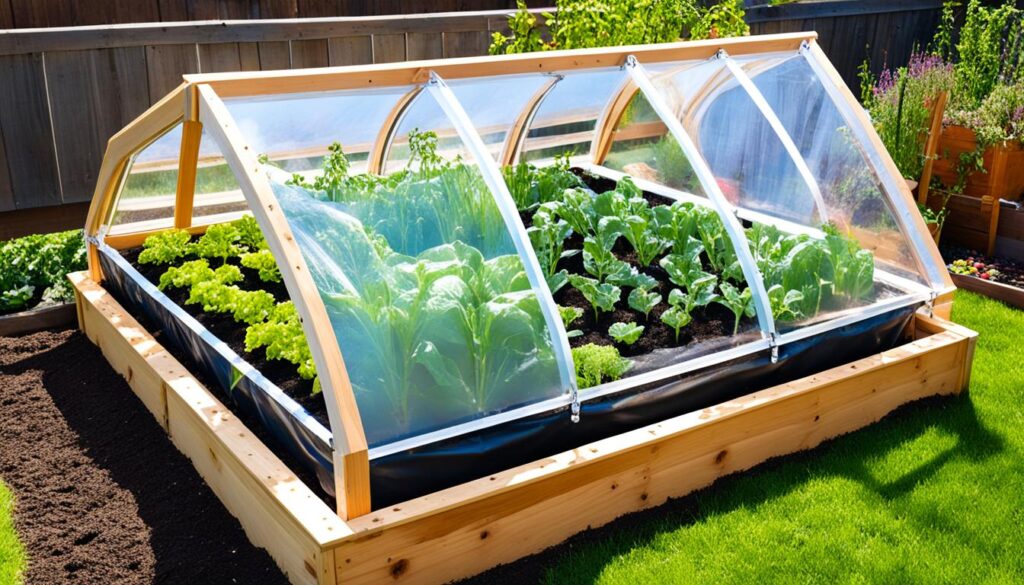
One of the main uses of garden hoops is to protect your plants from frost. By covering the hoops with frost blankets or clear plastic, you can create a protective barrier against freezing temperatures. This allows you to extend your growing season and protect your delicate plants.
Winter Harvesting
Garden hoops can also be used for winter harvesting. By covering the hoops with frost blankets or plastic, you can create a mini greenhouse effect. This helps to trap heat and protect your crops from harsh winter conditions, allowing you to continue harvesting fresh vegetables throughout the colder months.
Pest Protection
Garden hoops are an effective tool to safeguard your plants from pests. By covering the hoops with insect-barrier fabrics, you can create a physical barrier that prevents insects and pests from damaging your crops. This organic pest control method helps to maintain the health and productivity of your garden.
Summer Shading
During hot summer months, garden hoops can be used to provide shade for your plants. By covering the hoops with shade cloth or other light-blocking materials, you can protect your delicate plants from scorching sun rays. This helps to prevent damage caused by extreme heat and maintains a comfortable environment for your garden.
Remember, garden hoops offer endless possibilities for creativity and experimentation. Feel free to mix and match different materials based on your gardening needs and preferences.
With these creative garden hoop projects, you can make the most of your garden space and protect your plants throughout the seasons.
DIY Garden Hoop Tunnel
If you’re looking for another option for easy garden hoop construction, consider using dowels and bamboo to create a DIY garden hoop tunnel. This type of garden hoop is perfect for supporting climbing vines or adding netting to keep bugs and pests out of your plants.
Here are some garden hoop building tips to get you started:
- Soak the wooden dowels: Soaking the wooden dowels in water will make them more pliable and easier to bend.
- Shape the dowels: Once the dowels are soaked, shape them to the width of your garden bed. This will ensure that the tunnel fits perfectly and provides adequate coverage for your plants.
- Dry out the dowels: After shaping the dowels, allow them to dry out completely before moving on to the next step. This will help the dowels retain their shape and ensure that they are sturdy enough to support the bamboo stakes.
- Attach bamboo stakes: Attach bamboo stakes to the top and sides of the dowels to create a framework for the netting or other covers. The bamboo stakes will provide stability and give the tunnel structure.
By following these easy garden hoop construction tips, you can create a DIY garden hoop tunnel that is both functional and visually appealing. This tunnel design allows you to effectively utilize vertical space in your garden and protect your plants from pests and harsh weather conditions.
For a visual representation of the DIY garden hoop tunnel, take a look at the image below:
Inspiration: “Gardeners who have limited space or want to make the most of their vertical gardening area will find a DIY garden hoop tunnel to be a valuable addition. The tunnel design offers flexibility and protection for a variety of plants.” – John Smith, experienced gardener
Conclusion
Building garden hoops is a simple and effective way to protect your plants and extend your growing season. By following the step-by-step instructions provided in this article, you can create your own garden hoops using materials readily available. Whether you choose to make them with a pallet and electrical conduit or with dowels and bamboo, garden hoops are a versatile addition to any garden.
Garden hoops provide a cost-effective solution to common gardening challenges. They can protect your plants from frost, pests, and extreme weather conditions, allowing you to enjoy an extended growing season. By covering the hoops with different materials, you can create a customized environment for your plants.
Get creative with your garden hoops! They are not only functional but can also add aesthetic appeal to your garden. Experiment with different shapes, heights, and materials to create unique garden hoop designs that reflect your style and preferences. Whether you have a small backyard garden or a larger plot, garden hoops can be adapted to suit your specific needs.