
Greetings, fellow gardeners! Today, I want to share with you the secret to creating the perfect loam soil mix for your pots. Whether you’re an experienced gardener or just starting out, having the right potting soil recipe is crucial for the success of your plants.
Loam soil is a magical mixture of sand, clay, and silt that provides optimal conditions for your plants to thrive. It offers excellent drainage while retaining the right amount of moisture for healthy growth. By mastering the art of making loam soil, you’ll give your potted plants the ideal environment they need to flourish.
Key Takeaways:
- Creating loam soil is essential for healthy potted plants.
- Loam soil contains a balanced combination of sand, clay, and silt.
- Amending your soil with organic matter is the key to achieving loamy soil.
- Consistency and patience are necessary to maintain and improve your soil texture.
- Seek expert advice and support for optimal results in your loam soil journey.
The Importance of Loamy Soil
Loam soil is considered the best type of gardening soil as it produces bumper crops and beautiful blooms. It provides a perfect balance of water retention and drainage, allowing plants to thrive. Loamy soil is especially beneficial for container plants as it provides the ideal growing environment in a limited space.
When it comes to container gardening, loamy soil is a game-changer. Its unique composition of sand, clay, and silt creates an optimized environment for plants in pots.
The Benefits of Loam Soil for Container Plants
Container plants rely solely on the soil in their pots for nutrients, moisture, and stability. Loamy soil delivers on all fronts, offering numerous benefits:
- Optimal Water Retention: Loamy soil strikes the perfect balance, holding adequate moisture without becoming waterlogged. This ensures that container plants receive a consistent water supply, preventing over- or under-watering.
- Excellent Drainage: Excess water drains easily from loamy soil, preventing waterlogging and root rot. This is crucial for container plants, as stagnant water can be detrimental to their health.
- Nutrient-rich: Loamy soil contains a healthy mix of organic matter, clay, and silt, providing plants with essential nutrients for growth. Container plants grown in loamy soil are less likely to suffer from nutrient deficiencies.
- Stability: Loamy soil has the ideal texture and structure to support the roots of container plants. It provides a solid foundation while still allowing for root penetration and oxygen flow.
- Versatility: Loamy soil is suitable for a wide range of container plants, from flowers and herbs to vegetables and shrubs. Its balanced composition accommodates the needs of various plant species.
Having loamy soil in your containers can make a remarkable difference in the success of your container gardening endeavors. It creates the perfect conditions for healthy root development, lush foliage, and vibrant blooms, all within the limited space of a pot.
Whether you’re growing flowers on a balcony or cultivating herbs on a windowsill, using loamy soil in your containers will ensure that your plants thrive. Its unparalleled water retention, drainage, nutrient content, and stability make it the go-to choice for container gardening.
Understanding Soil Components
When it comes to soil, understanding its components is essential for successful gardening. So, let’s delve into the fascinating world of soil components: sand, clay, and silt.
Sand particles are the largest among the three components. They provide much-needed aeration to the soil, allowing roots to access oxygen and facilitating water drainage.
Clay particles, on the other hand, are fine and nutrient-rich. However, their tightly packed structure can hinder drainage, leading to waterlogged soil. Despite this drawback, clay retains moisture and offers excellent nutrient retention.
Silt is the medium-sized particle in soil. It is the most fertile component, rich in organic matter and minerals. Silt contributes both to water retention and proper drainage.
Now you might be wondering, how do these components come together to create the renowned loamy soil? Well, loamy soil contains a balanced mixture of sand, clay, and silt. This unique combination results in ideal soil texture and fertility, providing the perfect environment for plants to thrive.
Visualizing these soil components can help us appreciate their role in gardening. Take a look at the image below to see the different particle sizes of sand, clay, and silt.
“Understanding the distinct attributes of sand, clay, and silt is crucial for creating a well-balanced soil environment.” – Gardening Expert
The Balanced Composition of Loamy Soil
Loamy soil is defined by the following composition: less than 52% sand, between 7 and 27% clay, and between 28 and 50% silt. This balanced combination allows for optimal water retention and drainage. Gardeners aim for equal parts of sand and silt, with half as much clay, to create the perfect loam soil.
When it comes to the composition of loamy soil, the ratio of sand, clay, and silt plays a crucial role. Too much sand can result in poor water retention, while an excess of clay can cause waterlogging and drainage issues.
By achieving the proper balance of these components, loamy soil provides an ideal environment for plant growth and development. The combination of sand, clay, and silt allows for the right amount of air circulation, water drainage, and nutrient availability.
This well-balanced composition makes loamy soil highly fertile and suitable for a wide range of plants. It provides a stable, crumbly texture that allows roots to penetrate easily and access both water and nutrients.
Gardeners often aim for an equal ratio of sand and silt in loamy soil, with half the amount of clay. This composition promotes good drainage and prevents compaction, ensuring that water reaches plant roots without causing waterlogging.
“The balance of sand, clay, and silt in loamy soil is crucial for successful plant growth. It provides the perfect combination of water retention and drainage, which is essential for healthy plants.” – Gardening expert
By understanding and maintaining this balanced composition, you can create and nurture loamy soil that supports optimal plant growth. This is achieved through careful consideration of soil amendments and the addition of organic matter to improve soil structure and fertility.
In the next section, I will discuss the various methods you can use to determine your soil content and assess the current composition of your soil.
How to Determine Your Soil Content
To understand the content of your soil, I recommend performing a simple soil texture test. This test can help you determine the characteristics of your soil and identify whether it is sandy, clayey, silty, or loamy. Here’s how you can conduct the test:
- Take a handful of slightly damp soil from your garden or pot.
- Squeeze the soil in your hand to form a ball.
- Observe how the soil behaves:
If the soil doesn’t hold its shape and falls apart easily, it indicates sandy soil.
If the soil forms a firm ball when squeezed, it suggests clayey soil.
If the soil forms a loose ball that breaks down easily, it indicates silty soil.
If the soil forms a soft ball that crumbles when pressed, it suggests loamy soil, which is highly desired for healthy plant growth.
You can also collect a soil sample and have it tested at your County Extension Office for a more accurate analysis of its composition. The professionals there can provide you with detailed insights into your soil’s content and offer recommendations for any necessary amendments.
Understanding your soil content is crucial for creating the right growing conditions for your plants. By determining whether your soil is sandy, clayey, silty, or loamy, you can make informed decisions about which plants to grow and how to improve your soil for optimal plant health.

Creating Loamy Soil through Organic Matter
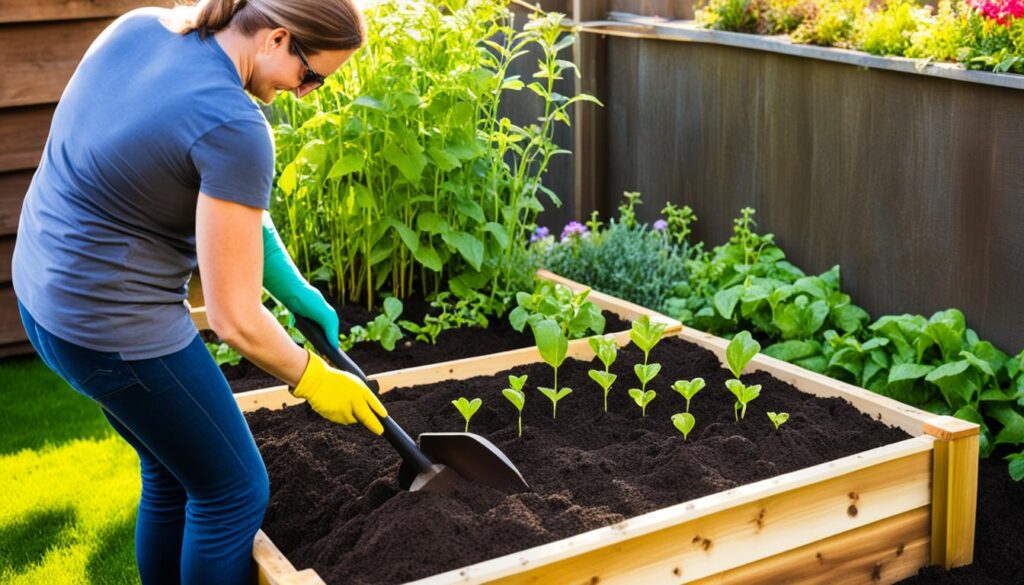
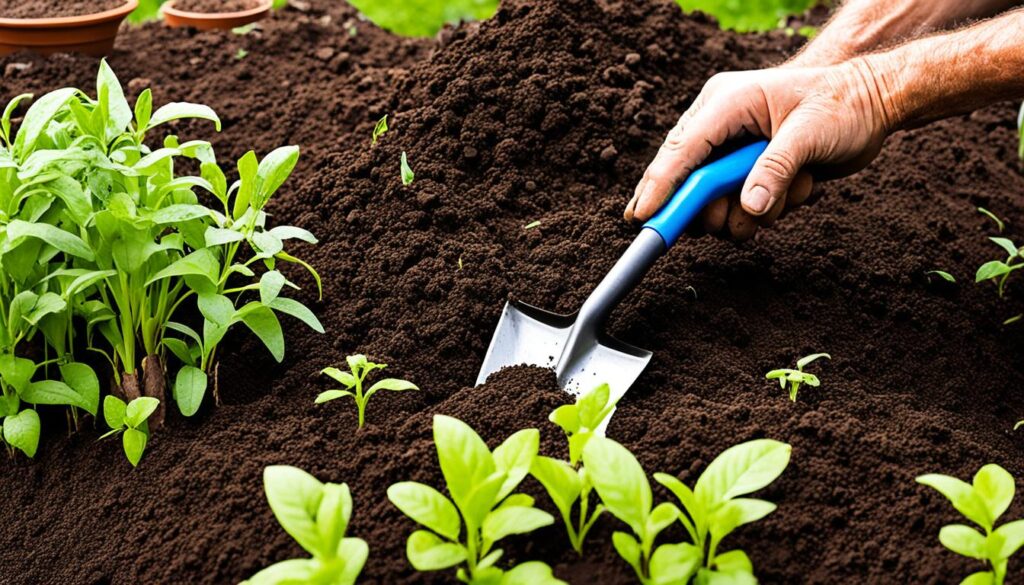
To create nutrient-rich and well-draining loamy soil, it is essential to amend it with organic matter. By adding organic materials to your soil, you can improve its structure, enhance water retention, and provide essential nutrients for healthy plant growth.
The process of creating loamy soil involves incorporating various organic matter options, such as:
- Garden compost
- Peat moss
- Manures
- Dried leaves
- Shredded bark
These organic materials, when mixed into the soil, work wonders in transforming its texture and fertility. They provide a rich source of organic carbon, which acts as a food source for beneficial soil microorganisms.
By improving the soil structure, organic matter helps create a crumbly and well-aerated soil texture, allowing plants’ roots to penetrate easily and access essential nutrients and oxygen.
Adding organic matter to your soil is like giving it a nutritious meal. It not only improves its physical properties but also enhances its overall health and productivity.
The Benefits of Amending Soil with Organic Matter
When you add organic matter to your soil, it offers a range of benefits:
- Enhanced water retention: Organic matter acts as a sponge, holding onto moisture and preventing it from quickly draining away. This helps ensure that your plants receive a steady supply of water.
- Improved drainage: Despite increasing water retention, organic matter also aids in improving soil drainage. It promotes the formation of pore spaces in the soil, allowing excess water to pass through and prevent waterlogged conditions.
- Nutrient availability: Organic matter slowly decomposes over time, releasing essential nutrients into the soil. This gradual release ensures a steady supply of nutrients for plant uptake.
Remember that creating loamy soil is an ongoing process. It is recommended to add organic matter annually to maintain optimal soil conditions.
Creating Loamy Soil for Optimal Plant Growth
Adding organic matter to your soil is a simple yet effective method of creating loamy soil suitable for optimal plant growth. With regular amendments and some patience, you can transform your soil into a nutrient-rich and well-structured growing medium.
Next, I will discuss various methods for improving soil texture, including cover crops, mulching, and the use of annual plants, which will further enhance the quality of your loamy soil.
Methods to Improve Soil Texture
Improving soil texture is crucial for creating optimal conditions for plant growth. Here are some effective methods that can help you achieve a better soil texture:
- Annual Amendments: Applying annual amendments is a great way to improve soil texture. During late fall, add a two-inch layer of organic matter, such as compost or well-rotted manure, to the soil. Work it into the top few inches of soil in spring. This not only improves the texture but also enhances fertility and nutrient content.
- Cover Crops: Planting cover crops in the fall can greatly enrich the soil. These crops, such as legumes or grasses, help add organic matter, nitrogen, and other essential nutrients to the soil. In the spring, till these cover crops under the soil surface to break them down, further improving the soil texture and nutrient availability.
- Mulching: Mulching around plants during the growing season is another effective technique to improve soil texture. Organic mulch, such as straw, wood chips, or shredded leaves, helps retain moisture in the soil, reduces weed growth, and promotes beneficial microbial activity. Over time, as the mulch decomposes, it enriches the soil with valuable organic matter.
- Laying Annual Plants: Another method to enhance soil texture is to lay annual plants on the soil in the fall and let them decompose over winter. As the plants break down, they release organic matter into the soil, improving its structure and nutrient content. This technique is especially beneficial if you have empty garden beds during the winter months.
To visually demonstrate the process of improving soil texture, take a look at the image below:

Implementing these methods will gradually transform your soil, making it loamier and providing an ideal environment for your plants to thrive. Remember to be patient as it may take time to see significant improvements, but the results will be well worth the effort.
Realistic Expectations for Achieving Loamy Soil
Transforming soil into loamy soil takes time and patience. It is important to have realistic expectations and understand that it may take several years of consistent amendments to achieve optimal loamy soil. While improvements can be seen in the first year, the process is an ongoing one as plants use up nutrients and water runoff can deplete the soil.
When embarking on the journey to create loamy soil, it’s crucial to remember that patience is key. Rome wasn’t built in a day, and neither is the perfect soil for your plants. The timeframe for achieving loamy soil can vary depending on various factors such as the initial soil composition and the specific amendments used.
As you start the soil improvement process, it’s essential to understand that it is a gradual transformation. Expecting immediate results may lead to frustration or disappointment. Instead, embrace the journey and focus on providing consistent care and amendments to your soil over time.
In the first year of soil improvement, you may begin to notice changes in soil structure and plant health. Organic matter and amendments added to the soil can enhance its fertility and drainage. However, it’s important to recognize that soil improvement is an ongoing process that requires regular maintenance.
Over the course of several years, the continuous addition of organic matter and other amendments will gradually enrich the soil, creating the optimal conditions for loamy soil. Consistency and commitment are key to achieving and maintaining healthy soil for your plants.
It’s also important to consider the environmental factors that affect soil quality. Nutrients can be depleted as plants grow and flourish, making regular amendments necessary. Additionally, water runoff can wash away nutrients, requiring continuous replenishment.
Remember, the journey to loamy soil is a marathon, not a sprint. Approach it with a mindset of patience and perseverance, knowing that each amendment brings you one step closer to the ideal soil for your plants to thrive.
So, as you embark on your soil improvement journey, embrace the process and celebrate each milestone along the way. With time, patience, and dedication, your efforts will be rewarded with loamy soil that serves as the foundation for healthy and flourishing plants.
Image: A visual representation of the time it takes to achieve loamy soil.
Resources for Soil Improvement
When it comes to improving the quality of your soil, there are a variety of resources available to assist you in achieving optimal results. One valuable resource is your County Extension Office. They have the expertise to test your soil and provide personalized recommendations based on its specific composition. Whether you need to adjust the pH levels, enhance nutrient content, or improve drainage, the County Extension Office can guide you in the right direction.
In addition to the County Extension Office, soil delivery services can be a convenient option for obtaining high-quality soil for your gardening needs. These services offer a wide selection of specialized soil mixes designed to promote healthy plant growth and achieve the desired loamy soil composition. Whether you require an enriched potting mix for container plants or a nutrient-dense blend for your garden beds, soil delivery services can provide you with the perfect soil to meet your requirements.

By utilizing these valuable resources, you can ensure that your soil is properly tested, analyzed, and amended to create the ideal conditions for your plants to flourish. Whether you seek expert guidance from the County Extension Office or take advantage of soil delivery services, these resources can make the soil improvement process more efficient and effective.
Expert Advice and Support
If you require expert advice and support for enhancing your soil, I highly recommend consulting with gardening professionals or joining gardening communities. These resources can offer invaluable tips, guidance, and support to assist you in achieving the best loamy soil for your pots.
Gardening professionals possess a wealth of knowledge and experience in soil improvement techniques. They can provide personalized recommendations based on your specific gardening needs and goals. Whether you require advice on soil composition, amending soil with organic matter, or creating optimal conditions for your plants, these experts can offer tailored solutions to help you achieve success.
Another excellent source of guidance and support is gardening communities. These communities are comprised of passionate gardeners who share a common interest in cultivating healthy and vibrant plants. By joining these communities, you gain access to a collective wealth of expertise and experience. Members can share their own tips and tricks for soil improvement, provide recommendations for suitable amendments, and offer encouragement and support throughout your gardening journey.
Remember, building loamy soil is a process that requires time, effort, and knowledge. By seeking expert advice and support, you can benefit from the wisdom of experienced gardeners and increase your chances of achieving optimal soil conditions for your plants.
Being part of a gardening community has been incredibly helpful for me. I’ve learned so much from fellow gardeners and their experiences. It’s such a supportive and educational environment. – Michelle Green, avid gardener
Conclusion
Creating loamy soil for your pots is a rewarding process that can have a tremendous impact on the health and growth of your container plants. By understanding the different soil components and determining your soil’s current content, you can tailor your amendments to achieve the optimal balance of sand, clay, and silt in your loam soil mix. Adding organic matter, such as compost, peat moss, or shredded bark, will improve soil structure, enhance water retention, and provide essential nutrients for your plants.
However, it’s important to remember that transforming your soil into loamy soil is a journey that requires patience and consistency. It may take several years of annual amendments to achieve the desired results. But don’t get discouraged! Keep nurturing your soil with organic matter and regularly monitoring its content to maintain a healthy balance. Your efforts will pay off with healthier, more vibrant plants.
In conclusion, making loam soil for your pots is an investment in the long-term success of your container gardening. With a little knowledge about soil components and a commitment to organic amendments, you can create an ideal growing environment that promotes optimal plant growth and yields. So roll up your sleeves, get your hands dirty, and enjoy the fruitful rewards of cultivating loamy soil for your pots.