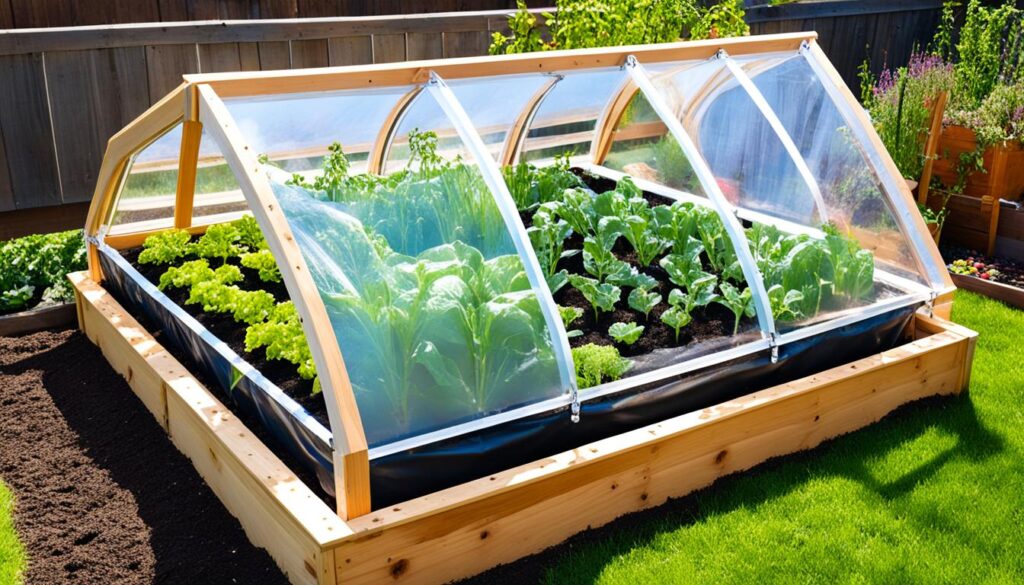

In this section, I will guide you through the process of measuring your garden in square meters. Whether you’re planning a landscaping project, purchasing new plants, or simply curious about the size of your outdoor space, knowing how to calculate your garden’s area accurately is essential.
Before we dive into the measurement process, let’s discuss why it’s important to measure your garden’s area. Knowing the exact size of your garden allows you to plan and allocate resources effectively. It helps in determining the number of plants, materials, and structures you can accommodate, ensuring a well-designed and functional outdoor space.
To measure your garden accurately, you’ll need a few essential tools. These include a measuring tape, a long ruler or yardstick, a clipboard or notebook, and a pen or pencil. If you have a larger garden, a measuring wheel or trundle wheel can also be useful for longer distances.
Before you start measuring, it’s important to prepare your garden for accurate measurements. Clear any debris or obstacles that may hinder your measurements, such as toys, plant pots, or furniture. Ensure that the area you’re measuring is relatively flat and free from any major slopes or uneven terrain.
The first step in measuring your garden is determining the length and width. Using your measuring tape or ruler, measure the longest side of your garden and record the measurement in meters. Then, measure the width of the garden from side to side and write down this measurement as well.
Now that you have the length and width measurements, you can calculate the area of your garden in square meters. Multiply the length by the width to obtain the total area. For example, if your garden is 10 meters long and 5 meters wide, the calculation would be 10m x 5m = 50 square meters.
If your garden has an irregular shape, such as curves or angles, measuring the length and width may not be sufficient for accurate area calculation. In this case, divide your garden into smaller sections with regular shapes, such as rectangles or triangles. Measure each section individually and calculate their areas separately. Finally, add up the individual areas to determine the total garden area.
If you’re used to measuring your garden in different units, such as square feet or acres, it may be helpful to convert those measurements into square meters. There are conversion calculators available online that can help you easily convert between units. Simply input your existing measurement and select the desired unit to obtain the equivalent in square meters.
Once you have measured your garden and calculated its area, it’s important to record these measurements for future reference. Keep a garden journal or notebook where you can record the dimensions, dates, and any other relevant information. These measurements will come in handy when planning future projects or updating your garden.
Key Takeaways:
- Garden area calculation is essential for effective garden planning and resource allocation.
- Accurate measurement tools like a measuring tape, ruler, and measuring wheel are crucial for precise calculations.
- Preparing your garden and clearing obstacles ensures accurate measurements.
- Calculating garden area involves measuring the length and width and multiplying them together.
- To measure irregularly shaped gardens, divide them into smaller regular sections and calculate each section’s area separately.
Why Measure Your Garden’s Area?
Before we dive into the measurement process, let’s discuss why it’s important to measure your garden’s area. Knowing the exact size of your garden allows you to plan and allocate resources effectively. It helps in determining the number of plants, materials, and structures you can accommodate, ensuring a well-designed and functional outdoor space.
The Importance of Garden Measurement
When it comes to garden planning, accurate measurements are key. By measuring your garden’s area, you can make informed decisions and avoid overcrowding or underutilization of the space. Planning your garden layout becomes easier when you have a clear understanding of the available area.
Garden measurement also plays a crucial role in resource allocation. Whether it’s water, fertilizer, or other gardening supplies, knowing the size of your garden helps in determining the quantities needed. This not only saves you from wasting resources but also ensures that your plants receive the optimal amount of care.
Garden Planning Made Easy
When you measure your garden’s area, you gain the ability to plan effectively. You can decide on the types and quantities of plants you want to include based on the space available. Whether you’re aiming for a vibrant flower garden, a productive vegetable patch, or a combination of both, understanding the size of your garden allows you to make informed choices.
In addition to plants, measuring your garden’s area helps when considering the installation of structures such as patios, decks, or sheds. By understanding the dimensions of your outdoor space, you can ensure that these structures fit perfectly without overpowering the rest of the garden.
Overall, measuring your garden’s area is the foundation of successful garden planning. It provides you with the essential information you need to create a well-designed and functional outdoor space.
Gathering the Tools
To measure your garden accurately, you’ll need a few essential tools. These include a measuring tape, a long ruler or yardstick, a clipboard or notebook, and a pen or pencil. If you have a larger garden, a measuring wheel or trundle wheel can also be useful for longer distances.
Having the right measurement tools ensures precise calculations of your garden’s area. The measuring tape allows you to measure the length and width accurately, while the long ruler or yardstick helps in measuring larger distances. A clipboard or notebook, along with a pen or pencil, is crucial for recording your measurements and keeping track of all the necessary details.
If you have a larger garden or need to measure longer distances, a measuring wheel or trundle wheel can be a valuable addition to your garden measuring equipment. These tools make it easier to measure curved paths or irregularly shaped areas accurately.
Remember that using the appropriate tools can greatly simplify the measuring process and minimize errors. So, gather your measurement tools before you begin calculating your garden’s area.
Essential Garden Measuring Equipment:
- Measuring tape
- Long ruler or yardstick
- Clipboard or notebook
- Pen or pencil
- (Optional) Measuring wheel or trundle wheel
With these tools at hand, you’ll be well-prepared to accurately measure your garden and determine its area. Let’s move on to the next step and prepare your garden for measurement.
Preparing Your Garden for Measurement
Before I delve into the measuring process, it’s essential to ensure that your garden is ready for accurate measurements. To start, it’s crucial to clear any debris or obstacles that may obstruct your measurements. Remove toys, plant pots, or furniture from the area you’re going to measure. By clearing the area, you’ll have a clean and unobstructed space to work with, allowing for precise measurements.
Additionally, it’s advisable to have a relatively flat surface for measuring. Check for any major slopes or uneven terrain that might affect the accuracy of your measurements. So, take some time to level out the area if necessary. By ensuring that your garden is clear and level, you can proceed with confidence, knowing that your measurements will be reliable and accurate.

Measuring the Length and Width of Your Garden
In order to accurately measure the size of your garden, it’s important to determine the length and width of the area. This step is crucial in calculating the overall area of your garden. Here’s how you can do it:
1. Grab your measuring tape or ruler and locate the longest side of your garden. This could be the side that runs parallel to your house or the boundary. Take note of the measurement in meters.
2. Moving on to the width, measure the garden from side to side. This will help you understand the breadth of the area. Write down the measurement.
By measuring the length and width, you now have the necessary data to proceed with calculating the total area of your garden.
Calculating the Garden’s Area
Now that you have the length and width measurements, you can calculate the area of your garden using a simple formula. Multiply the length by the width to obtain the total area. Let’s say your garden is 10 meters long and 5 meters wide, the calculation would be 10m x 5m = 50 square meters.
This calculation will give you the precise area of your garden in square meters, allowing you to plan and allocate resources effectively.
Calculating the Garden’s Area
Now that you have the length and width measurements, you can calculate the area of your garden in square meters. To do this, simply multiply the length by the width. For example, if your garden is 10 meters long and 5 meters wide, the calculation would be: 10m x 5m = 50 square meters.

Calculating the size of your garden is an essential step in understanding its dimensions and planning your outdoor space effectively. By determining the square meter measurement, you can determine how much space you have available for various features such as flower beds, pathways, seating areas, and more.
Measuring Irregularly Shaped Gardens
If your garden boasts irregular shapes, such as captivating curves or unique angles, simply measuring the length and width may not suffice for an accurate area calculation. In such instances, I recommend dividing your garden into smaller sections, each with regular shapes like rectangles or triangles. By measuring and calculating the area of each section individually, you can then sum up these individual areas to determine the total garden area.
Measuring odd-shaped gardens can be a creative and engaging process. You can use rope or garden hoses to outline the distinct sections, enabling an easier visualization of the smaller shapes. Once you have marked these sections, it’s time to measure their individual lengths and widths. Utilize your measuring tape or ruler and record accurate measurements for each section.
Next, individually calculate the area of each section. For rectangles, simply multiply the length and width. For triangles, multiply the base length by the height, and then divide the result by 2. Be sure to record these calculated areas for future reference.
Finally, add up the individual areas of the sections to find the total garden area. Summing up the individually calculated areas will provide you with an accurate understanding of your garden’s size, even with its irregular shape.
Converting Other Units into Square Meters
If you’re used to measuring your garden in different units, such as square feet or acres, it may be helpful to convert those measurements into square meters. There are conversion calculators available online that can assist you in easily converting between units. Simply input your existing measurement and select the desired unit to obtain the equivalent in square meters.
Converting your garden’s measurements to square meters allows for better standardization and compatibility with various measurement systems. It can make it easier to compare your garden’s size with others or utilize data from different sources.
For example, if you have measured your garden’s area in square feet and would like to convert it to square meters, you can use an online converter tool. Input the measurement in square feet, select the “square feet to square meters” conversion option, and the tool will provide you with the equivalent measurement in square meters. It’s a simple and straightforward process that can save you time and effort in manual calculations.
Using an online converter is especially beneficial if you frequently work with measurements in different units, as it eliminates the need for manual conversions and reduces the risk of errors. Plus, it’s convenient and accessible whenever you need it, allowing for quick and accurate unit conversions.
Remember, accurate conversions are essential for accurate measurements. Ensuring that your garden’s size is correctly represented in square meters will help you when planning and executing projects, communicating with professionals, or comparing your garden to others.
Using an Online Conversion Calculator
When using an online conversion calculator for garden size conversion, follow these simple steps:
- Find a reliable online conversion calculator specifically designed for converting garden measurements.
- Enter your existing measurement value, such as square feet or acres, for conversion.
- Select the desired unit of conversion, such as square meters.
- Click the “Convert” button to obtain the equivalent measurement in square meters.
- Round the converted value to the appropriate decimal places for practical use.
By following these steps, you can quickly and accurately convert your garden’s measurements into square meters, allowing for easy comparison and utilization of measurement data in a standardized format.
Now that you know how to convert different units into square meters, you can confidently communicate and work with various measurement systems, ensuring accurate and consistent representation of your garden’s size.

Recording and Utilizing Your Garden Measurements
Once you have measured your garden and calculated its area, it’s important to record these measurements for future reference. Keeping a garden journal or notebook will allow you to track the dimensions, dates, and other relevant information. This record of your garden measurement records will come in handy when planning future projects or updating your garden.
By creating a consistent habit of recording your garden measurements, you can conveniently refer back to them whenever necessary. Whether you want to add new plants, make changes to your layout, or monitor the growth and development of your garden, having accurate and up-to-date measurements is essential.
One way to maintain your garden measurement records is by using a dedicated notebook or journal. You can write down the dimensions, the date of measurement, and any additional observations that may be useful. This information will not only help you with garden planning but also enable you to track the progress of your gardening efforts over time.
Another option is to use a digital solution such as a note-taking or gardening app. These apps provide a convenient way to organize your garden measurements and keep them readily accessible. They often offer additional features like photo attachments and reminders for seasonal tasks, making them a valuable tool for garden planning and maintenance.
Remember to include any relevant details in your garden measurement records, such as specific areas within your garden, notable features, or unique challenges you may encounter. These additional notes will provide context and serve as a useful reference when revisiting your measurements later on.
Utilizing Your Garden Measurements
Your garden measurements can be utilized in various ways to enhance your gardening experience. Here are a few ideas:
- Design and planning: With accurate measurements at your disposal, you can create detailed garden plans that maximize the use of space and resources. Whether you’re considering adding new features, rearranging existing elements, or designing a new layout, your measurements will guide you in making informed decisions.
- Plant selection: When shopping for plants, knowing the dimensions of your garden will help you determine how many plants you can accommodate comfortably. It will also ensure that you choose plants that are suitable for your available space, preventing overcrowding and promoting healthy growth.
- Maintenance and care: Your garden measurements will assist you in estimating the amount of fertilizer, mulch, or other garden supplies you need for specific areas. By calculating the square meterage of different sections, you can apply products in the appropriate quantity, avoiding waste and ensuring optimal care.
- Progress tracking: Tracking the growth and progress of your garden becomes easier with accurate measurements. You can measure the size of plants, monitor their development, and compare measurements over time. This allows you to celebrate your gardening achievements and make necessary adjustments if desired.
With your garden measurement records and a solid understanding of your garden’s dimensions, you’ll be well-equipped to plan, maintain, and enjoy your outdoor space to the fullest. Embrace the power of accurate measurements and unleash your creativity in the world of garden planning!
Conclusion
Now that you’ve learned how to measure your garden in square meters, you have the necessary knowledge to accurately assess the size of your outdoor space. By understanding the garden measurement process, you can plan, design, and maintain a beautiful and functional outdoor oasis.
Whether you’re a seasoned gardener or just starting your gardening journey, knowing your garden’s dimensions is crucial. With this information, you can effectively allocate resources, such as plants, materials, and structures, to create a well-designed landscape.
Remember to record your garden measurements in a journal or notebook for future reference. This will come in handy when planning future projects or updating your garden. So get out there and start measuring – happy gardening!