
Welcome to my comprehensive guide on how to start your very own indoor herb garden. Whether you’re a beginner or an experienced gardener, I will provide you with valuable tips and ideas to create a flourishing indoor herb garden. From setting up your garden to choosing the best herbs to grow indoors, I’ve got you covered.
Key Takeaways:
- Indoor herb gardening is a rewarding and convenient way to have fresh herbs year-round.
- Choose a suitable location in your home that receives ample sunlight and proper ventilation.
- Select herbs like basil, chives, mint, parsley, and thyme that thrive well indoors.
- Use containers with good drainage and organic potting soil formulated for herbs.
- Regular care, including proper watering and pruning, is essential for maintaining a healthy indoor herb garden.
Understanding the Benefits of Indoor Herb Gardening
Before we delve into the practical steps of starting an indoor herb garden, let’s first explore the benefits of having one. Indoor herb gardening offers a multitude of advantages, making it a popular choice among gardening enthusiasts and beginners alike.
One of the main benefits of indoor herb gardening is the ability to have fresh herbs at your disposal all year round. With your own indoor herb garden, you can harvest herbs whenever you need them, ensuring their freshness and preserving their flavors.
Indoor herb gardens also bring the joy of gardening indoors, making it accessible to those who may not have outdoor space for a traditional garden. Whether you live in an apartment, a small house, or a climate with harsh winters, indoor herb gardening allows you to cultivate plants and experience the joys of nurturing green life.
Furthermore, indoor herb gardening is an ideal starting point for beginners. It offers a lower barrier to entry compared to outdoor gardening, requiring less space, tools, and maintenance. Growing herbs indoors allows beginners to develop their gardening skills and boost their confidence before venturing into larger-scale outdoor projects.
By starting an indoor herb garden, you not only have easy access to fresh herbs for cooking and garnishing your meals but also get to enjoy the therapeutic and aesthetic benefits of nurturing plants within your home environment.
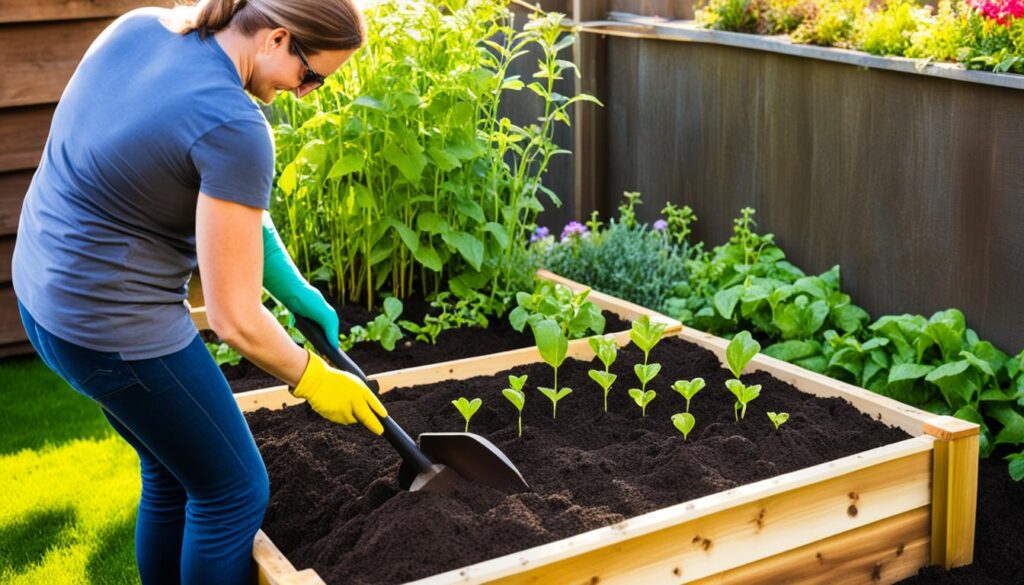
A visually appealing and relevant image showcasing the benefits of indoor herb gardening.
Choosing the Right Location for Your Indoor Herb Garden
When it comes to setting up your indoor herb garden, one of the most crucial factors to consider is the location. Finding the ideal spot for your herbs is key to maintaining a healthy and thriving garden. Here are a few important things to keep in mind:
- Sunlight: Place your indoor herb garden in an area that receives ample sunlight. Herbs typically require 6-8 hours of direct or indirect sunlight each day. Look for a south-facing window or a bright spot near a window to provide the necessary light.
- Well-ventilated: Good air circulation is essential for the well-being of your indoor herbs. Make sure the location you choose is well-ventilated to prevent any stagnant air that may lead to issues like fungal growth or poor plant health.
- Away from drafts: Avoid placing your herbs in drafty areas, such as near doors or windows that are frequently opened. Drafts can cause temperature fluctuations and stress the plants.
By selecting a suitable location that offers sufficient sunlight, proper ventilation, and protection from drafts, you’ll provide your indoor herb garden with the ideal conditions for success and ensure its long-term maintenance.
Selecting the Right Herbs for Indoor Growing
Not all herbs thrive indoors, so it’s important to select the right ones for your indoor herb garden. When choosing herbs for indoor cultivation, consider their adaptability and growth habits. Here are some of the best herbs for indoor growing:
- Basil: This fragrant herb is a staple in many kitchens and is known for its versatility in dishes like pasta, salads, and pesto.
- Chives: Chives add a subtle onion-like flavor to a variety of dishes. They are easy to grow and require minimal maintenance.
- Mint: Mint is a refreshing herb that can be used in teas, cocktails, and desserts. It’s a fast-growing herb that thrives in indoor environments.
- Parsley: Parsley is a versatile herb that adds freshness and color to a wide range of dishes. It’s also rich in vitamins and minerals.
- Thyme: Thyme is a fragrant herb that complements a variety of foods, including roasted meats, soups, and stews. It’s a hardy herb that can withstand indoor growing conditions.
These herbs are not only delicious but also relatively easy to grow indoors. They require moderate sunlight and regular watering to thrive. By selecting these herbs for your indoor herb garden, you’ll be able to enjoy fresh flavors right at your fingertips.
You can see an example of a thriving indoor herb garden in the image below:
Now that you know which herbs are best suited for indoor growing, you’re ready to set up your indoor herb garden and experience the joy of cultivating your own fresh herbs.
Choosing the Right Containers and Soil
When it comes to setting up your indoor herb garden, choosing the right containers and soil is essential for the health and growth of your herbs. Here are some tips to help you make the best choices for your indoor herb garden setup.
Containers with Good Drainage
Indoor herb garden essentials include containers with good drainage. This is crucial to prevent waterlogging and ensure that your herbs don’t suffer from root rot. Look for pots or containers with drainage holes at the bottom, allowing excess water to escape.
If you have your heart set on a visually appealing container that doesn’t have drainage holes, don’t worry! Place a layer of gravel or stones at the bottom of the container before adding soil. This will create a reservoir for excess water to collect, keeping the roots safe from waterlogged conditions.
Organic Potting Soil for Herbs
When it comes to indoor herb gardening, using the right type of soil is crucial. Opt for organic potting soil specifically formulated for herbs. This type of soil provides the essential nutrients your herbs need to thrive indoors.
Organic potting soil is specially designed to retain moisture while promoting healthy drainage. This balance is essential to ensure that your herbs receive adequate hydration without the risk of waterlogging. Look for a high-quality organic potting soil that is labelled specifically for growing herbs indoors.
Choosing Appropriately Sized Containers
Another important consideration for your indoor herb garden setup is the size of the containers you choose. Ensure that the containers are appropriately sized to accommodate the growth of your herbs.
Herbs like basil and mint, for example, tend to grow quite large and require more space. Consider larger containers or plant individual herbs in separate pots to ensure they have enough room to spread their roots.
On the other hand, herbs like thyme and parsley are more compact and can be planted closer together in smaller containers. Just make sure they have enough space for their roots to grow comfortably.
Remember, proper container size is crucial to give your herbs room to grow and flourish. Consider the growth habits of each herb and choose containers accordingly.

By choosing the right containers with good drainage and organic potting soil specifically formulated for herbs, you’ll provide your indoor herb garden with the essentials it needs to thrive. Additionally, ensuring that your containers are appropriately sized will give your herbs enough space to grow and flourish. With these indoor herb garden essentials in place, you’ll be well on your way to a successful indoor garden.
Planting Your Indoor Herb Garden
Now that you have your herbs and containers ready, it’s time to plant them. Follow these indoor herb gardening tips to ensure a successful herb garden setup.
Gently remove the herbs from their nursery pots, being careful not to damage the roots. Transplant each herb into your chosen containers, providing adequate spacing between each herb to allow for growth. This ensures that they have enough space to flourish and develop into healthy plants.
Once you’ve planted your herbs, it’s vital to water them thoroughly. This provides the moisture needed for their root systems to establish and promotes healthy growth. Be mindful not to overwater, as excessive moisture can lead to root rot and other issues. Remember, proper watering is one of the essential indoor herb gardening tips for a successful indoor herb garden setup.
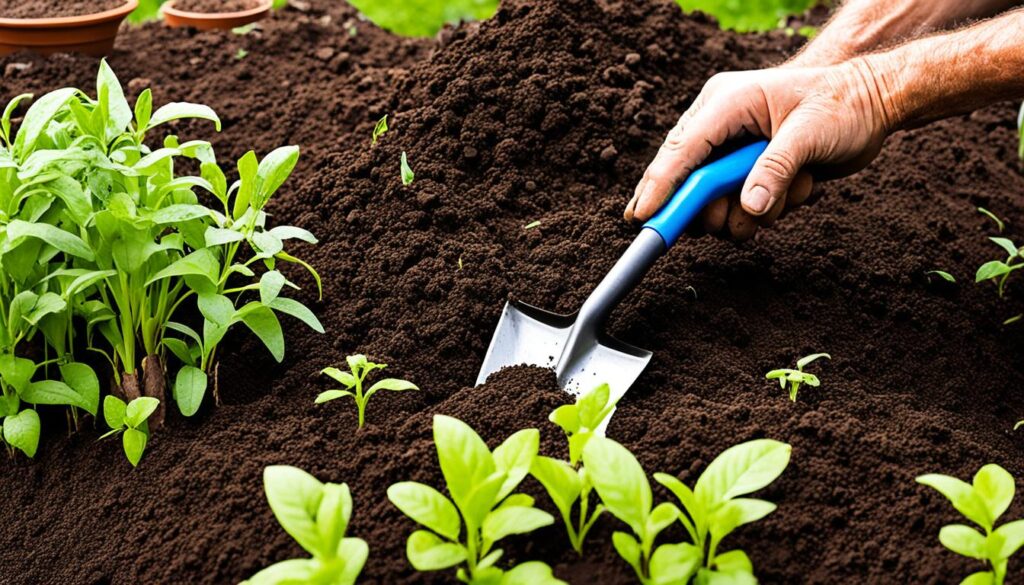
Take a look at the image below to get a visual idea of how to plant your indoor herb garden:
Providing the Right Care for Your Indoor Herb Garden
Once you’ve set up your indoor herb garden, it’s crucial to provide the right care to ensure its success. By maintaining an indoor herb garden, you can enjoy a continuous supply of fresh herbs for all your culinary adventures. Here are some essential tips:
1. Sunlight
To maintain a thriving indoor herb garden, ensure your herbs receive sufficient sunlight. Place them near a south-facing window, ideally exposed to 6-8 hours of sunlight each day. This natural light is essential for their growth and overall health.
2. Watering
Watering your indoor herbs is a delicate balance. Only water the plants when the top inch of soil feels dry. Overwatering can lead to root rot, so it’s essential to avoid excessive moisture. Regularly check the moisture levels and adjust your watering schedule accordingly.
3. Pruning
Pruning is an essential aspect of maintaining an indoor herb garden. Regularly trim your herbs to promote bushier growth and prevent them from becoming leggy. This encourages new leaf growth and helps maintain a compact, attractive appearance. Remember to prune from the top to encourage growth from the sides.
4. Harvesting
Harvesting your herbs is a rewarding part of indoor herb gardening. As they grow, gently pluck leaves or stems as needed. This not only provides fresh flavor for your dishes but also encourages the herbs to continue producing new growth. Regular harvesting ensures a continuous supply of fresh herbs.

By following these care guidelines, you can maintain a healthy and thriving indoor herb garden. Remember to observe your plants and adjust their care routine as needed. With a little love and attention, you’ll have a bountiful supply of fresh herbs right at your fingertips.
Essential Tips for Indoor Herb Garden Maintenance
To keep your indoor herb garden thriving, it is crucial to follow some essential maintenance tips.
- Avoid using chemical pesticides or fertilizers; instead, opt for organic alternatives. Chemical-based products can disrupt the delicate balance of your indoor herb garden and harm the plants.
- Rotate the containers every few days to ensure that all your herbs receive even sunlight exposure. This will help prevent your herbs from leaning towards the light source and promote balanced growth.
- Keep a close eye on your herb garden for any signs of pests or diseases. Common pests that can affect indoor herb gardens include aphids, spider mites, and whiteflies. If you notice any issues, take immediate action to control the infestation and prevent further damage.
By following these indoor herb gardening tips, you can maintain an indoor herb garden that thrives and provides you with a continuous supply of fresh herbs for all your culinary needs.
Harvesting Herbs from Your Indoor Garden
Harvesting your homegrown herbs is one of the most rewarding parts of maintaining an indoor herb garden. It’s exciting to see the fruits of your labor come to life in the form of fresh, flavorful herbs right at your fingertips. Once your herbs have reached a sufficient size, it’s time to start harvesting.
When it’s time to harvest your herbs, make sure to use sharp, clean scissors or pruning shears. This will ensure a clean cut and prevent any damage to the plant. Snip off the leaves or stems that you need, leaving behind a healthy portion of the plant for continued growth. Remember, the goal is to encourage new growth and ensure a continuous supply of fresh herbs.
Regular harvesting is beneficial for both the health of your herbs and your culinary endeavors. It stimulates the plant to produce more leaves, resulting in a bushier and more abundant herb garden. Plus, what could be better than adding freshly harvested herbs to your favorite recipes?
Harvesting Tips:
- Harvest herbs in the morning, when their essential oils are at their peak.
- Be mindful of the specific herb’s growth habit and harvest accordingly. Some herbs, like basil, benefit from frequent pinching to prevent flowering and ensure tasty leaves.
- Store your harvested herbs properly to maintain their freshness. Rinse them gently under running water to remove any dirt or debris, pat them dry, and store them in airtight containers or in the refrigerator wrapped loosely in a damp paper towel.
By following these harvesting tips, you’ll be able to enjoy your homegrown herbs and elevate your culinary creations with their fresh flavors. So go ahead, grab your scissors, and start harvesting the fruits of your indoor herb garden!

Using Your Fresh Herbs in the Kitchen
The beauty of having an indoor herb garden is the convenience of having fresh herbs readily available for all your culinary creations. Experiment with various recipes and use your homegrown herbs to enhance the flavors of your dishes. From fresh salads to homemade pasta sauces, the possibilities are endless.
1. Fresh Salads
Add a burst of flavor to your salads by incorporating freshly harvested herbs. Toss in some basil leaves for a refreshing twist, or sprinkle chopped chives over your greens for an added zing.
2. Flavorful Infused Oils
Create your own infused oils using your homegrown herbs. Simply place a handful of herbs, such as rosemary or thyme, in a bottle of olive oil and let it infuse for a few weeks. Use these aromatic oils to drizzle over salads, roasted vegetables, or grilled meats.
3. Homemade Pasta Sauces
Elevate your pasta dishes with the vibrant flavors of fresh herbs. Blend together basil, parsley, and oregano to create a delectable herb-infused pasta sauce that pairs perfectly with any pasta shape.
4. Fragrant Herb Butter
Whip up a batch of herb-infused butter using your homegrown herbs. Mix softened butter with finely chopped herbs like thyme, sage, or rosemary. Spread it on warm crusty bread or melt it over grilled steaks for an irresistible burst of flavor.
5. Refreshing Herb-infused Beverages
Add a herbal twist to your beverages by infusing them with your fresh herbs. Experiment with mint leaves in iced tea, basil in lemonade, or lavender in a refreshing spritzer.
6. Aromatic Herb Pesto
Blend your favorite herbs, such as basil, parsley, or cilantro, with garlic, pine nuts, Parmesan cheese, and olive oil to create a flavorful herb pesto. Toss it with pasta, spread it on sandwiches, or use it as a dip for fresh veggies.
By incorporating your homegrown herbs into your culinary adventures, you can elevate the flavors of your dishes and enjoy the satisfaction of cooking with fresh ingredients. Get creative, experiment with different combinations, and let your indoor herb garden inspire your inner chef.
Troubleshooting Common Issues in Indoor Herb Gardening
Indoor herb gardening can be a rewarding and fulfilling experience. However, like any form of gardening, it’s not without its challenges. In this section, I will address some common issues that you may encounter in your indoor herb garden and provide you with valuable tips to overcome them. Whether you’re facing problems with overwatering, inadequate sunlight, pests, or diseases, I’ve got you covered with practical solutions to ensure the health and vibrancy of your indoor herb garden.
1. Overwatering
Overwatering is a common mistake that many indoor gardeners make. While herbs do require regular watering, it’s important to find the right balance. Too much water can lead to root rot and other moisture-related issues. To avoid overwatering, always check the moisture level of the soil before watering. Stick your finger about an inch into the soil – if it feels dry, it’s time to water. Additionally, make sure your containers have proper drainage to allow excess water to escape.
2. Inadequate Sunlight
Proper sunlight is crucial for the growth and development of your indoor herbs. While most herbs do require at least 6-8 hours of sunlight per day, not all indoor spaces receive sufficient natural light. If your herbs aren’t getting enough sunlight, consider supplementing with artificial grow lights. LED grow lights are a popular choice among indoor gardeners as they provide a full spectrum of light that mimics natural sunlight. Position the lights close to your herbs, about 6-12 inches above the plants, for optimal growth.
3. Pests
Indoor herb gardens are not immune to pests. Common indoor garden pests include aphids, fungus gnats, and spider mites. To prevent and manage pests, regularly inspect your herb plants for any signs of infestation, such as sticky residue, webbing, or wilting leaves. If you spot pests, you can try natural remedies like spraying a mixture of water and mild dish soap on the affected areas or using neem oil. Remember to isolate any infested plants to prevent the pests from spreading.
4. Diseases
Indoor herbs can also be susceptible to diseases, such as powdery mildew or root rot. To minimize the risk of disease, avoid overcrowding your herbs and ensure proper air circulation by providing enough space between plants. Make sure your herbs are planted in well-draining soil and avoid overwatering. If you notice any signs of disease, remove the affected parts immediately and treat the plants with appropriate organic fungicides or remedies.
By addressing these common issues and implementing the suggested solutions, you’ll be well-equipped to troubleshoot and overcome challenges in your indoor herb garden. Remember, patience and observation are key. With a little care and attention, your indoor herb garden will thrive, providing you with an abundant supply of fresh herbs throughout the year.
Taking Your Indoor Herb Gardening to the Next Level
Now that you have mastered the basics of indoor herb gardening, it’s time to unleash your creativity and explore new ideas to elevate your indoor herb garden to new heights. Whether you’re a seasoned gardener or a beginner, there are plenty of innovative techniques and indoor herb garden ideas to inspire you.
One exciting idea is to create a vertical herb garden. By utilizing vertical space, you can grow a variety of herbs in a small footprint. There are ready-made vertical gardening systems available, or you can get creative and design your own using hanging planters, wall-mounted shelves, or even repurposed materials.
Another option to consider is hydroponic gardening. Hydroponics allows you to grow herbs without soil, using nutrient-rich water solutions. This method provides precise control over the growing conditions, resulting in faster growth and higher yields. From simple countertop hydroponic systems to more advanced setups, the possibilities for indoor herb gardening are truly limitless.
No matter which direction you choose to take your indoor herb garden, always remember to have fun and experiment. Incorporate your personal style and preferences into your garden. Whether it’s using unique containers, arranging herbs in captivating patterns, or trying out new herb varieties, the key is to keep learning and enjoying the journey of indoor herb gardening.