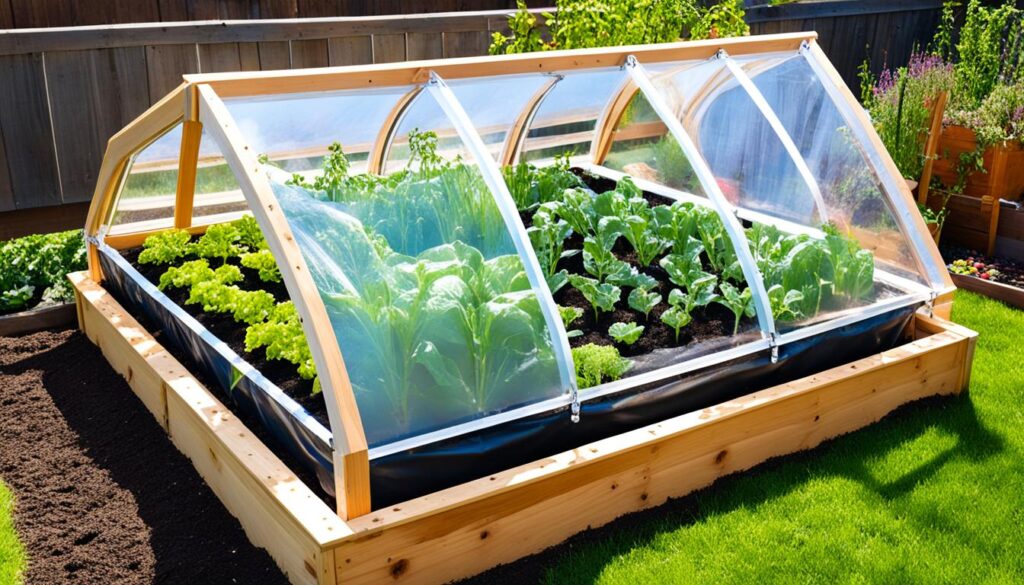

Welcome to my comprehensive guide on how to start plants from seeds! If you’re eager to grow your own plants and enjoy the satisfaction of watching them flourish from the very beginning, sowing seeds is the perfect way to get started. In this seed starting guide, I will walk you through the entire process, from selecting the right seeds to transplanting and maintaining your seedlings. Let’s dive in!
Key Takeaways
- Sowing seeds is a rewarding way to start plants from scratch and witness their growth from the beginning.
- Understanding seed germination is crucial for successful seed starting and propagation.
- Choosing the right seeds is essential to ensure healthy and thriving plants.
- Proper soil preparation is key for the successful growth of seedlings.
- Choosing the right containers for seed starting sets the foundation for strong plant development.
Understanding Seed Germination
Before you start sowing seeds, it’s crucial to understand the process of seed germination. Germinating seeds is the first step towards successful seed propagation. In this section, I will explain how seeds germinate and discuss the importance of seed propagation.
When you plant a seed, it goes through a transformational process where it develops into a young plant. Seed germination occurs when the seed absorbs water and begins to activate physiological processes. This leads to the emergence of the embryonic root, known as the radicle, which anchors the plant to the soil. Simultaneously, the germinating seed sends up a shoot, known as the plumule, which eventually develops into the plant’s leaves.
Understanding the factors that contribute to successful seed germination is essential for any gardener or horticulturist. These factors include:
- Moisture: Adequate moisture is crucial for seed germination. Seeds need to absorb water to activate enzymes and trigger growth.
- Temperature: Different seeds have specific temperature requirements for germination. Some seeds prefer warmer conditions while others thrive in cooler temperatures.
- Light: While some seeds require light to germinate, others prefer darkness. Understanding the light requirements of different seeds is essential for providing the optimal conditions.
- Air: Seeds need oxygen for respiration during germination. Proper aeration of the soil or germination medium is necessary for healthy seed germination.
Seed propagation plays a vital role in preserving plant species and ensuring a diverse range of plants for future generations. By understanding the intricacies of seed germination and providing the ideal conditions for growth, you can enhance the success rate of your seed starting endeavors and create a thriving garden.
Choosing the Right Seeds
When it comes to starting plants from scratch, selecting the right seeds is crucial for success. The quality of the seeds you choose will directly impact the growth and yield of your plants. Here, I will guide you through the process of choosing the best seeds for your garden.

When selecting seeds, consider the following factors to ensure the best results:
1. Seed Source:
Choose seeds from reputable suppliers or trusted sources. Look for companies that specialize in organic, heirloom, or open-pollinated varieties. These seeds are often of higher quality and are more likely to germinate successfully.
2. Plant Variety:
Consider the type of plant you want to grow. Are you looking for flowering plants, vegetables, or herbs? Research the different varieties available and choose the ones that suit your preferences and growing conditions.
3. Germination Rate:
Check the seed packet for information on germination rate. Higher germination rates indicate healthier seeds that have a better chance of sprouting. Aim for seeds with germination rates of 80% or higher.
4. Planting Zone:
Take into account your planting zone and choose seeds that are suitable for your region’s climate and growing conditions. This will increase the chances of success and ensure that your plants thrive in your specific environment.
5. Seed Storage:
Consider the storage and shelf life of the seeds. Seeds that have been stored properly, in cool and dry conditions, are more likely to retain their viability. Check the packaging for information on the date of production and expiration.
By taking these factors into consideration, you can make informed decisions when choosing seeds and increase your chances of starting plants from scratch successfully.
Preparing the Soil
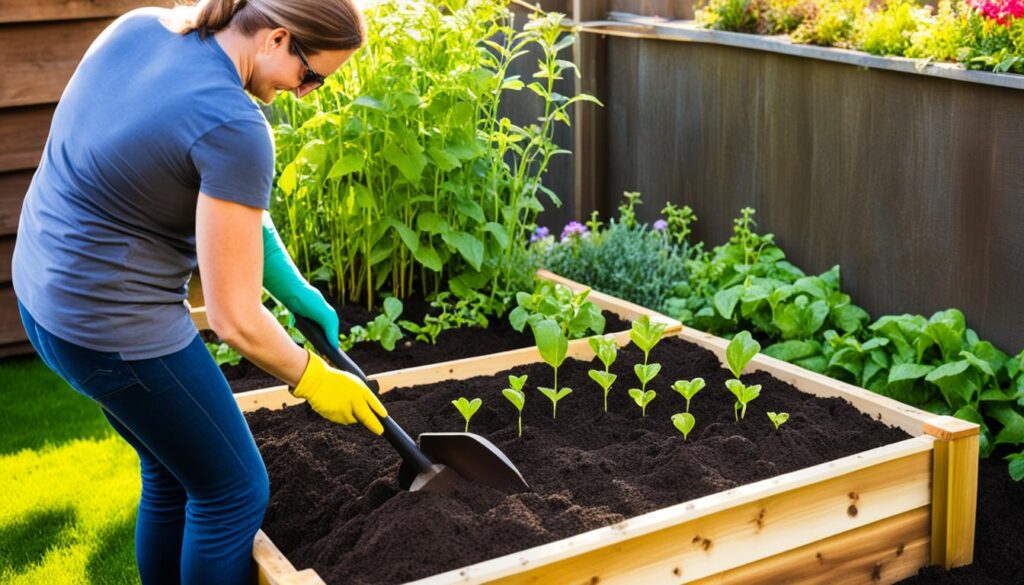
Proper soil preparation plays a vital role in ensuring the healthy growth of seedlings. By creating a nutrient-rich and well-draining environment, you set your seedlings up for success. In this section, I will share valuable tips on how to prepare the soil and provide essential insights on seedling care.
Before sowing your seeds, it’s important to assess the condition of your soil. Start by removing any debris, rocks, or weeds from the planting area. These unwanted elements can hinder seed germination and impede the growth of your seedlings.
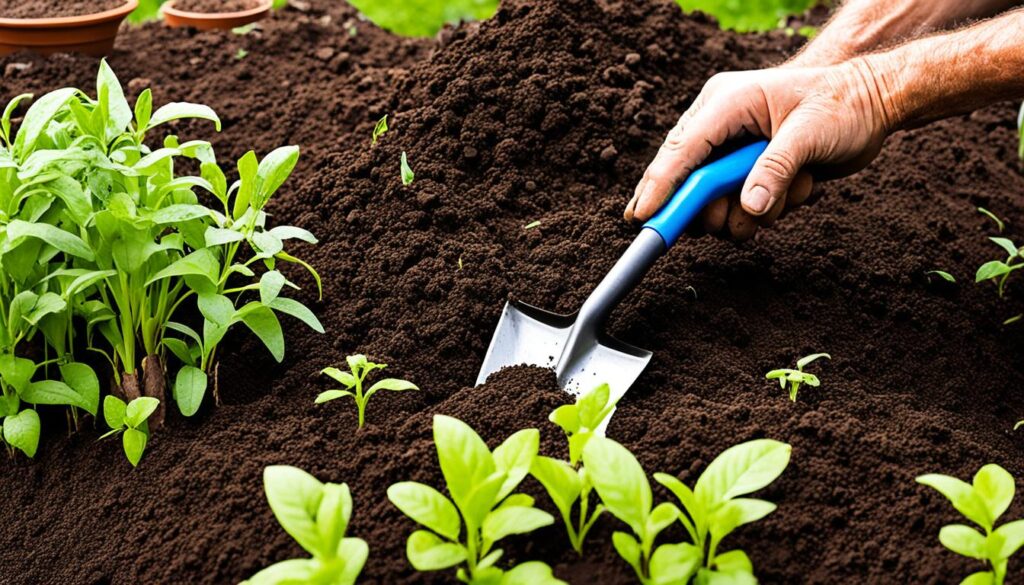
Next, consider enhancing your soil’s fertility by incorporating organic matter such as compost or well-rotted manure. This will provide essential nutrients for the seedlings and improve the soil’s structure. Mix the organic matter thoroughly into the top layer of soil to ensure an even distribution.
Ensuring proper drainage is also crucial for the health of your seedlings. If your soil tends to be heavy and compacted, consider amending it with coarse sand or perlite to improve drainage. This will prevent waterlogging and potential root rot.
Choosing the Right Soil Mix
In some cases, using a pre-made soil mix specifically designed for seed starting can simplify the process. These mixes are usually lightweight and well-draining, providing an ideal environment for seed germination and early growth.
If you prefer to create your own soil mix, aim for a balanced blend of garden soil, organic compost, and a coarse material like vermiculite or perlite. This combination will ensure a good balance of nutrients, moisture retention, and aeration.
Testing Soil pH
Checking the pH of your soil is crucial as it directly affects nutrient availability to the seedlings. Most garden plants prefer a slightly acidic to neutral pH range, typically around 6.0-7.0. Use a soil testing kit to assess the pH level and make any necessary adjustments using organic amendments or pH modifiers.
Remember to take into account the specific requirements of the seeds you are planting. Some plants may thrive in slightly more acidic or alkaline conditions.
By taking the time to prepare your soil properly, you provide your seedlings with the best possible foundation for growth. Follow these tips on soil preparation and seedling care to give your plants the head start they need.
Seed Starting Containers
When it comes to growing plants from seeds, choosing the right containers is essential for ensuring the success of your garden. The type of container you use can significantly impact the growth and development of your plants. In this section, I will discuss different seed starting containers and their benefits for growing plants from seeds.
1. Seed Trays or Seedling Trays

Seed trays or seedling trays are popular choices for starting seeds indoors. These trays are typically made of plastic or biodegradable materials and come with multiple individual cells or compartments. The compartments allow you to sow seeds separately, creating a conducive environment for seed germination and early plant growth. Seedling trays with drainage holes are beneficial as they prevent waterlogging and promote healthy root development.
2. Peat Pots
Peat pots are another excellent option for starting seeds. These pots are made from compressed peat moss and can be planted directly into the soil once the seedlings are ready for transplanting. Peat pots are biodegradable, which means they will eventually break down once planted in the garden. As they decompose, they provide additional nutrients to the soil. This eliminates the need for seedling removal and reduces transplant shock.
3. Cow Pots
Cow pots, as the name suggests, are made from cow manure and offer a sustainable alternative to traditional seed starting containers. These pots are biodegradable, odor-free, and rich in nutrients, making them an environmentally friendly choice for growing plants from seeds. Cow pots gradually break down in the soil and provide valuable organic matter that improves the soil structure and fertility.
4. Egg Cartons
Repurposing egg cartons as seed starting containers is a cost-effective and eco-friendly option. Each individual egg cup can serve as a small pot for sowing seeds. Egg cartons are biodegradable and can be planted directly into the soil. However, it’s crucial to ensure that the cartons have adequate drainage holes to prevent waterlogging and root rot.
When choosing your seed starting containers, consider the specific requirements of your plants, including their size, root development, and moisture needs. Remember to label each container with the seed variety and date of planting for easy identification.
By selecting the right containers for starting your seeds, you can provide a favourable environment for growing plants from seeds, setting the stage for healthy and thriving plants in your garden.
Sowing Seeds Indoors
Sowing seeds indoors is a fantastic way to get a head start on your gardening season. By starting your seeds indoors, you can enjoy early plant growth and protect your seedlings from harsh weather conditions. In this section, I will guide you through the process of sowing seeds indoors effectively, providing you with valuable tips for optimal results.
First and foremost, create a suitable indoor environment for your seedlings. Find a warm spot in your home that receives plenty of natural light or invest in grow lights to provide the necessary lighting for proper growth. Maintaining a consistent temperature between 18-24°C (65-75°F) is crucial for seed germination.
Next, select the appropriate containers for sowing your seeds. Use seed trays, pots, or biodegradable peat pots with drainage holes to ensure proper water drainage and prevent the growth of mold or fungus. Fill the containers with a high-quality seed starting mix, which provides the necessary nutrients and moisture retention for healthy seedlings.
Gently dampen the seed starting mix before sowing the seeds. Follow the instructions on the seed packets for the recommended sowing depth and spacing. Place the seeds on the surface of the mix and cover them with a thin layer of the mix or vermiculite. Keep in mind that some seeds may require light for germination and should be left uncovered.
After sowing the seeds, water them gently using a spray bottle or a watering can with a fine mist nozzle. Avoid overwatering as it can lead to dampening off, a fungal disease that affects seedlings. Keep the soil consistently damp but not waterlogged.
Now, it’s time to provide your seeds with the ideal growing conditions. Place a clear plastic cover or a plastic wrap over the containers to create a greenhouse-like environment that promotes humidity and moisture retention. This will help speed up germination.
Once germination occurs, remove the plastic cover and move the seedlings to a brighter location or under grow lights. Adjust the height of the grow lights to maintain a distance of 5-10cm (2-4 inches) from the tops of the seedlings. This will prevent them from becoming leggy and ensure sturdy growth.
As the seedlings grow, it’s important to provide them with proper care and attention. Water them regularly, keeping the soil consistently moist but not overly saturated. To avoid disease, always water from the bottom by placing the containers in a tray filled with water and allowing the soil to soak up the moisture.
Additionally, ensure good air circulation around the seedlings by placing a small fan nearby or gently wafting air using your hand. This will help prevent damping off and encourage strong stem and root development.
Providing Adequate Light and Water
Proper lighting and watering are essential for the successful germination and growth of your seedlings. In this section, I will guide you on how to provide adequate light and water to ensure healthy and thriving plants.
Lighting Tips:
- Place your seedlings in a bright area that receives at least 6-8 hours of sunlight per day. If natural light is limited, consider using artificial grow lights to supplement the lighting needs.
- Position the grow lights approximately 6-12 inches above the seedlings to prevent them from getting leggy.
- Keep the lights on for 12-16 hours a day to mimic the natural daylight cycle.
- Rotate the seedlings every few days to ensure even exposure to light.

Watering Tips:
- Water your seedlings with care, making sure not to overwater or underwater them.
- Check the moisture level of the soil by inserting your finger about an inch deep. If it feels dry, it’s time to water.
- Use a watering can with a fine nozzle or a misting spray bottle to water gently and evenly.
- Water the seedlings from the base, aiming for the soil rather than the leaves, to prevent rot and disease.
- Avoid waterlogging by ensuring proper drainage in your containers or trays.
By providing adequate light and water, you are giving your seedlings the best start in their journey towards becoming strong and healthy plants. Remember to monitor their progress regularly and make adjustments as needed to ensure optimal growth.
Transplanting Seedlings
Once your seedlings have grown and developed strong root systems, it’s time to transplant them into your garden. Transplanting seedlings is an important step in the seed starting process that ensures their continued growth and allows them to thrive in their new environment.
To transplant your seedlings successfully, follow these simple steps:
- Choose the right time: Wait until there is no longer a risk of frost before transplanting your seedlings. This will prevent any damage to the delicate young plants.
- Prepare the soil: Select a spot in your garden with well-draining soil and enrich it with compost or organic matter. This will provide the seedlings with essential nutrients for growth.
- Dig the planting holes: Dig a hole in the prepared soil that is slightly larger than the root ball of each seedling. Space the holes according to the recommended spacing for the specific plant variety.
- Remove the seedlings: Gently remove the seedlings from their containers or seed trays, being careful not to damage the roots.
- Plant the seedlings: Place each seedling into a planting hole and gently pat the soil around the base to secure it. Ensure that the seedlings are planted at the same depth as they were in their containers.
- Water thoroughly: After transplanting, water the seedlings generously to help them settle into their new environment. Moist soil will provide the necessary hydration for their continued growth.
- Protect from the elements: If there is still a chance of cold weather or strong winds, consider using a protective covering such as a cloche or row cover to shield the seedlings until they become more established.
Transplanting seedlings requires care and attention to ensure their successful establishment in your garden. With the right timing and proper planting techniques, your seedlings will have a strong foundation for healthy growth and development.
For a visual guide on transplanting seedlings, refer to the image below:
Hardening Off Seedlings
Before permanently planting your seedlings outdoors, they need to be gradually acclimated to the outdoor environment. Hardening off seedlings is a crucial process that ensures their successful transition from the protected indoor environment to the harsher outdoor conditions.
To harden off your seedlings effectively, follow these steps:
- Choose the Right Time: Start hardening off your seedlings when the weather conditions are favorable. Typically, this is when the danger of frost has passed and the temperature consistently stays above freezing.
- Begin Gradually: Start by exposing your seedlings to outdoor conditions for a short period, such as a few hours a day. Choose a sheltered location that provides some protection from wind and direct sunlight.
- Increase Exposure: Gradually increase the exposure time over the course of a week or two, depending on the weather and the specific needs of your plants. Expose them to more sunlight and natural elements, carefully monitoring their response.
- Watch for Signs of Stress: Keep an eye out for any signs of stress in your seedlings. If you notice wilting, discoloration, or other signs of distress, reduce their exposure to outdoor conditions and provide extra protection.
- Protect from Extreme Conditions: During the hardening off process, be mindful of any extreme weather conditions, such as strong winds, heavy rain, or intense heat. Take necessary precautions to shield your seedlings or bring them indoors temporarily if needed.
By gradually exposing your seedlings to the outdoor environment, you allow them to adapt and develop stronger root systems and sturdy stems. This process increases their chances of survival and better prepares them for the challenges of the garden.
To give yourself a visual guide for the hardening off process, refer to the image below:
Remember, the key to successful hardening off is to take your time and closely observe your seedlings’ response to the changing conditions. With patience and care, you can ensure a smooth transition and set your seedlings up for a thriving garden.
Monitoring Growth and Maintenance
Now that you’ve successfully started your plants from seeds, it’s essential to keep a close eye on their growth and provide them with the necessary maintenance. By monitoring their progress, you can ensure a flourishing garden and enjoy the fruits of your labor.
One important aspect of monitoring growth is observing the development of your plants’ leaves, stems, and roots. Look for any signs of discoloration, wilting, or stunted growth, as these can indicate underlying issues that need attention. Regularly check the moisture level of the soil and adjust your watering if needed, ensuring that your plants receive adequate hydration for optimal growth.
Fertilizing is another key component of plant maintenance. Supplementing your plants with the right nutrients can enhance their overall health and productivity. Choose a suitable fertilizer based on the specific needs of your plants and apply it according to the manufacturer’s instructions.
Additionally, protecting your plants from pests and diseases is crucial for their well-being. Inspect your garden regularly for any signs of pests, such as aphids or snails, and take prompt action to prevent an infestation. Implement organic pest control methods or use appropriate pesticides sparingly and responsibly.
By closely monitoring the growth of your plants, providing them with the necessary maintenance, and protecting them from potential threats, you can create a thriving garden that will bring you joy and satisfaction for years to come.