
Gardening enthusiasts know the key to a thriving garden lies in the health of the soil. And when it comes to organic soil amendments, vermicast is a game-changer. In this guide, I will walk you through everything you need to know about using vermicast in your garden, from its numerous benefits to its application methods and its role in enhancing soil fertility.
Key Takeaways:
- Vermicast is a powerful organic amendment that enhances soil fertility.
- Understanding the composition and production process of vermicast is crucial.
- Vermicast application requires following specific dosages and methods suitable for different plants and soil conditions.
- Vermicast is rich in nutrients, including essential macronutrients and micronutrients.
- It acts as an exceptional organic fertilizer, improving soil structure and promoting beneficial microbial activity.
Understanding Vermicast: A Complete Guide
When it comes to organic gardening, understanding the intricacies of vermicast is key. This vermicast guide will take you on a journey into the world of nature’s finest soil amendment. Let’s explore the composition, production process, and the numerous benefits that vermicast offers to your plants and soil health.
Vermicast, also known as worm castings, is the rich organic matter that is excreted by earthworms after they consume organic materials. It is a nutrient-dense substance that provides essential elements for plant growth and soil vitality.
The Composition of Vermicast
The composition of vermicast is what makes it so valuable to gardeners. As earthworms digest organic matter, they break it down into simpler, more easily accessible forms for plants. The vermicast is packed with beneficial microorganisms, enzymes, and plant nutrients like nitrogen, phosphorus, and potassium. This potent blend of organic matter and essential nutrients makes vermicast an excellent addition to any garden soil.
The Production Process
To produce vermicast, a worm farm or vermicomposting system is set up. This typically involves housing a specific breed of earthworms, such as Red Wigglers, in a controlled environment. These worms are provided with organic waste, such as vegetable scraps, coffee grounds, and leaves.
As the worms consume the organic matter, they break it down and convert it into nutrient-rich vermicast. The process takes several weeks to months, depending on the conditions and the amount of organic waste available. Once the vermicast is ready, it can be harvested and used in gardens to boost soil fertility.
The Benefits of Vermicast
- Nutrient-Rich Soil Amendment: Vermicast is a natural powerhouse of plant nutrients. It provides the essential elements that plants need for healthy growth, strong roots, and abundant yields.
- Improved Soil Structure: The organic matter in vermicast helps improve soil structure, enhancing water retention and aeration. This, in turn, promotes root development and nutrient absorption by plants.
- Enhanced Microbial Activity: Vermicast is teeming with beneficial microorganisms that contribute to the ecological balance in the soil. These microorganisms break down organic matter further, making nutrients more available to plants and suppressing harmful pathogens.
- Long-Lasting Effects: Unlike synthetic fertilizers that provide a quick burst of nutrients, vermicast releases its benefits gradually over time. This sustained release ensures a steady supply of nutrients to plants, reducing the need for frequent fertilization.
Understanding the composition, production process, and the benefits of vermicast is essential for any gardener looking to optimize their soil health and enhance plant growth. By harnessing the power of earthworms and their miraculous castings, you can create a thriving garden ecosystem that reaps the rewards of nature’s nutrient-rich marvels.
Getting Started with Vermicast Application
Are you ready to harness the power of vermicast and nourish your garden with its incredible benefits? In this section, I’ll guide you through the step-by-step process of applying vermicast in your garden, equipping you with the knowledge to achieve optimal results.
1. Preparing Your Soil
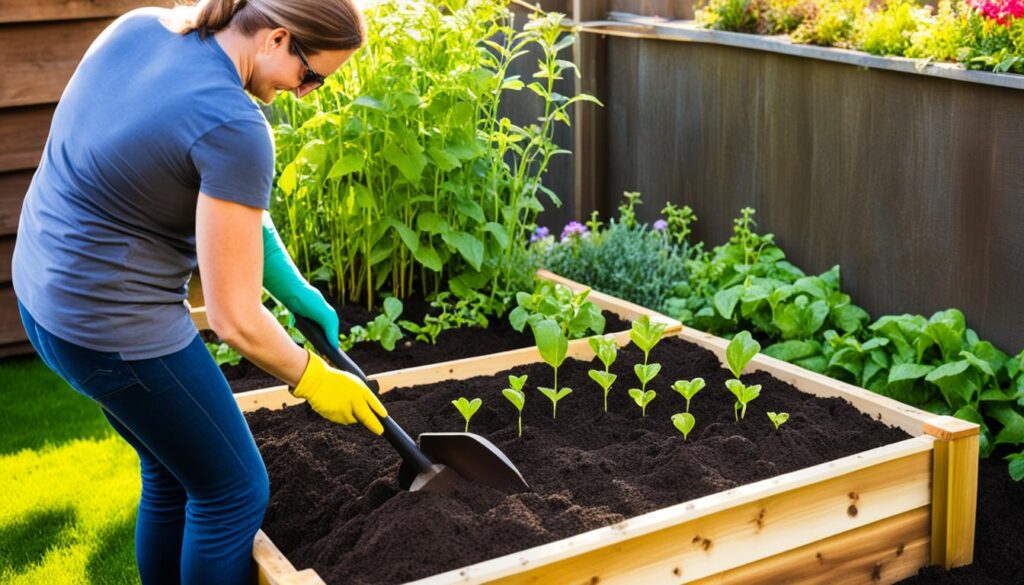
Before applying vermicast, it’s important to prepare your soil to create an optimal growing environment for your plants. Clear any debris or weeds from the area and loosen the soil using a garden fork or tiller. This will ensure better absorption of the vermicast and promote strong root development.
2. Selecting the Method
There are different methods of applying vermicast, and the choice depends on your specific gardening needs. You can use it as a top dressing, incorporate it into potting soil, or make vermicast tea for watering your plants. Consider the requirements of your plants and the desired outcome to determine the most suitable method.
3. Determining the Dosage
The dosage of vermicast varies depending on the type of plant and the soil condition. As a general rule, apply vermicast at a rate of 10-20% by volume of your potting mix or garden soil. For more specific recommendations, refer to the instructions provided by the vermicast manufacturer or consult a gardening expert.
4. Applying Verimicast
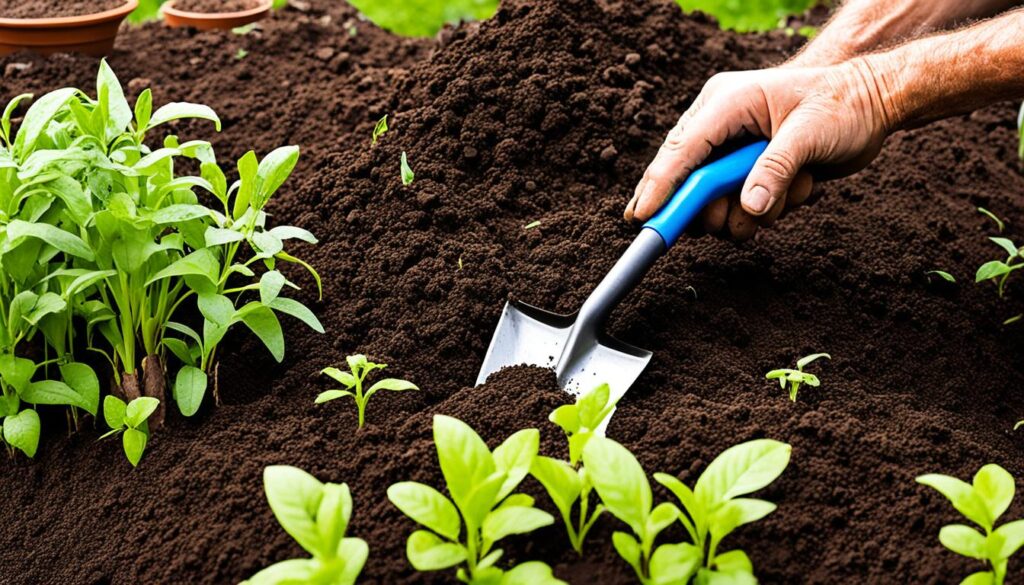
To apply vermicast, evenly distribute it around the base of your plants while avoiding direct contact with the stems or leaves. For top dressing, spread a thin layer of vermicast on the soil surface, making sure to cover the entire root zone. If using vermicast tea, dilute it according to the instructions and use it to water your plants.

5. Watering and Monitoring
After applying vermicast, water your garden thoroughly to help the nutrients penetrate the soil. Monitor the moisture level regularly and adjust your watering schedule accordingly. Keep an eye on your plants’ growth and health to gauge the effectiveness of the vermicast application.
6. Reapplication and Maintenance
As vermicast is a natural and slow-release fertilizer, reapplication may be necessary throughout the growing season. Monitor the nutrient requirements of your plants and observe any signs of deficiency or nutrient imbalance. If needed, apply vermicast again following the dosage recommendations.
By following these simple steps, you can make the most of vermicast’s incredible benefits and foster a thriving garden. In the next section, we’ll explore the rich nutrient content of vermicast and its significant role in supporting plant growth and vitality.
Unleashing the Nutritional Power of Vermicast
When it comes to nourishing your garden, vermicast is a game-changer. Packed with a rich array of nutrients, this organic amendment holds the key to unlocking vibrant plant growth and a flourishing garden ecosystem. Let’s take a closer look at the vermicast nutrients and how they contribute to the overall health of your plants.
The Essential Macronutrients
Vermicast is known to contain essential macronutrients that are vital for plant growth. These macronutrients include nitrogen, phosphorus, and potassium.
- Nitrogen: Essential for promoting healthy leaf and stem development, nitrogen plays a crucial role in building proteins and enzymes that are responsible for various cellular processes within the plant.
- Phosphorus: Crucial for root development, flowering, and fruiting, phosphorus is a key macronutrient that supports overall plant vitality. It aids in energy transfer and stimulates robust root growth, helping plants establish a strong foundation.
- Potassium: Often referred to as the “plant’s quality nutrient,” potassium contributes to disease resistance, water regulation, and overall plant vigor. It helps in the activation of enzymes and the transportation of sugars and other substances within the plant.
These macronutrients work synergistically to ensure optimal plant health and growth, providing a solid foundation for a successful garden.
The Power of Micronutrients
In addition to macronutrients, vermicast is also rich in micronutrients that are equally essential for plant nutrition. These micronutrients include iron, manganese, zinc, copper, and calcium.
- Iron: Necessary for chlorophyll production and overall plant vigor, iron is crucial for maintaining healthy green foliage.
- Manganese: Plays a vital role in photosynthesis, enzyme activation, and nitrogen metabolism, supporting robust plant growth and reproductive development.
- Zinc: Involved in various enzymatic reactions, zinc aids in hormone production, root development, and overall plant resilience.
- Copper: Essential for enzyme activation and electron transport within the plant, copper supports optimal growth and reproductive development.
- Calcium: Crucial for cell wall structure and strength, calcium supports plant growth, cell division, and nutrient uptake.
These micronutrients, though required in smaller quantities, are essential for maintaining balanced plant nutrition and addressing specific growth requirements.
Through the integration of both macronutrients and micronutrients, vermicast provides a well-rounded source of nutrition that supports the overall health and vibrancy of your garden.
Vermicast as a Powerful Organic Fertilizer
When it comes to organic fertilizers, vermicast stands out as a powerful and highly effective option for nurturing your plants. As a seasoned gardener, I’ve witnessed firsthand the remarkable results that vermicast can deliver. Let me explain why vermicast is widely regarded as an exceptional organic fertilizer.
Vermicast is the end product of vermicomposting, a process that involves the transformation of organic waste materials by earthworms. This natural process creates a nutrient-rich substance that is abundant in essential plant nutrients like nitrogen, phosphorus, and potassium.
One of the unique qualities of vermicast is its ability to enhance soil structure. When applied to your garden, it improves soil aeration and water retention, creating a fertile environment for plant roots to thrive. This enhances nutrient uptake and promotes stronger, healthier plants.
But that’s not all – vermicast also acts as a catalyst for beneficial microbial activity in the soil. It contains a diverse population of beneficial bacteria, fungi, and other microorganisms that play a crucial role in breaking down organic matter and releasing nutrients. This microbial activity not only enriches the soil but also helps suppress harmful pathogens, promoting a balanced and thriving ecosystem in your garden.
One of the significant advantages of vermicast as a fertilizer is its slow-release properties. Unlike synthetic fertilizers, which can cause nutrient imbalances and leach into groundwater, vermicast releases nutrients gradually, ensuring a steady supply of nourishment to your plants over an extended period. This contributes to healthier and more resilient plants, capable of withstanding environmental stressors and diseases.

So, how can you make the most of vermicast as an organic fertilizer? It’s simple. Start by applying vermicast to your garden beds, potting mixes, or raised beds, ensuring it is evenly distributed. For vegetables, flowers, and herbs, a general guideline is to mix vermicast into the top few inches of soil before planting. For established plants, top-dress around the base, avoiding direct contact with stems or foliage.
Remember, vermicast is a natural product, and there are no strict rules for application. Feel free to experiment and find your own rhythm, adjusting the amount based on the specific needs of your plants and the condition of your soil.
To conclude, vermicast is truly a game-changer in organic gardening. Its unique properties not only enhance soil structure and promote beneficial microbial activity but also provide long-lasting nourishment to your plants. Embrace the power of vermicast as an exceptional organic fertilizer and witness the remarkable transformation it brings to your garden.
The Art of Vermicast Composting
If you’re fascinated by the idea of harnessing the power of nature to create nutrient-rich organic matter for your garden, then vermicast composting is the perfect technique for you. With its simplicity and effectiveness, vermicast composting allows you to produce your own vermicast, a valuable soil amendment, in a sustainable and environmentally friendly way.
Vermicast composting is essentially the process of utilizing red wiggler worms, also known as Eisenia fetida, to decompose organic waste. These amazing creatures transform kitchen scraps, garden trimmings, and other organic materials into vermicast, a dark, nutrient-dense substance that offers numerous benefits to soil and plants.
So, how does vermicast composting work? It starts with setting up a worm bin, preferably using a plastic or wooden container with proper ventilation and drainage. Bedding materials such as shredded paper, cardboard, or coconut coir serve as the worms’ cozy home. Once the bin is prepared, it’s time to introduce the worms into their new habitat.
The red wiggler worms will happily munch on the organic waste you provide and break it down through digestion. As they process the waste, they leave behind their castings, which are the valuable vermicast that enriches your soil. As a bonus, the worms also release beneficial microorganisms, enzymes, and plant growth hormones, further enhancing the quality of the vermicast.
Key Considerations for Successful Vermicast Production
To ensure successful vermicast production, it’s important to keep a few key considerations in mind:
- Worm Selection: Choose red wiggler worms (Eisenia fetida) for your vermicast composting. These worms are voracious eaters and thrive in organic waste-rich environments.
- Moisture Levels: Maintain optimal moisture levels in the worm bin. The bedding should be damp but not waterlogged, ensuring a comfortable living environment for the worms.
- Temperature: Keep the worm bin within an ideal temperature range of 13-25°C (55-77°F) for optimal worm activity and decomposition.
- Feeding Schedule: Feed the worms small amounts of organic waste regularly, ensuring a balanced mix of nitrogen-rich (e.g., fruit and vegetable scraps) and carbon-rich (e.g., shredded paper) materials.
- Harvesting Vermicast: Give the worms enough time to process the organic waste before harvesting the vermicast. This typically takes around 2-3 months, depending on the size of the worm population and the amount of waste provided.
By following these considerations and techniques, you’ll be well on your way to producing high-quality vermicast for your garden. Remember, vermicast provides a range of benefits, including improved soil structure, increased nutrient availability, enhanced water retention, and stronger plant growth. So why not embrace the art of vermicast composting and unlock the potential of your garden?
Transforming your Soil with Vermicast
If you’re looking for a natural and effective way to improve your garden soil, look no further than vermicast. This remarkable soil amendment has the power to transform your soil and create the perfect environment for healthier plants and greater productivity.
Vermicast is a nutrient-rich organic matter that is produced through the process of vermicomposting. Composed of worm castings, vermicast is packed with beneficial microorganisms and essential nutrients that enhance soil structure, water retention, and nutrient availability.
The Benefits of Vermicast as a Soil Amendment
Vermicast acts as a natural soil conditioner, improving the texture and structure of the soil. By adding vermicast to your garden beds, you can enhance the soil’s drainage capabilities, prevent compaction, and create a loose and crumbly texture that allows for better root growth and nutrient absorption.
Furthermore, vermicast helps improve water retention in the soil. The humus content in vermicast acts as a sponge, absorbing and storing water, ensuring that it is available to plant roots for longer periods. This not only reduces water consumption but also helps plants withstand drought conditions more effectively.
In addition to its physical benefits, vermicast also enriches the soil with valuable nutrients. The microorganisms present in vermicast break down organic matter, making essential nutrients readily available to plants. This ensures that your plants receive a constant supply of nitrogen, potassium, phosphorus, and other vital micronutrients, promoting robust growth and overall plant health.
Using vermicast as a soil amendment offers a multitude of benefits, including:
- Improved soil structure and drainage
- Increased water retention
- Enhanced nutrient availability
- Promoted beneficial microbial activity
- Reduced reliance on synthetic fertilizers
- Environmentally friendly gardening practices
To experience the transformative power of vermicast on your garden soil, it is essential to know how to correctly use it in your gardening routine. Let’s explore some easy steps and tips to get the most out of this incredible organic soil amendment.
Maximizing Vermicast Benefits in Gardening
When it comes to gardening, unlocking the full potential of vermicast can significantly enhance your plant growth and pest resistance. By incorporating vermicast into your planting routines, you can enjoy the numerous benefits it brings to your garden. Let’s explore some innovative ways to maximize the benefits of vermicast in your gardening endeavors.
1. Vermicast Tea
One effective method is to create vermicast tea, a powerful liquid fertilizer. This process involves steeping vermicast in water to extract its nutrients. The resulting nutrient-rich tea can be applied directly to the soil or used as a foliar spray. Regularly feeding your plants with vermicast tea will provide a steady supply of essential nutrients, promoting healthy growth and increased yield.
2. Topdressing
When using vermicast as a topdressing, simply spread a thin layer of vermicast on the soil surface around your plants. As weather or watering breaks down the vermicast, the nutrients will gradually release into the soil and be readily available to the plants. Topdressing with vermicast not only nourishes your plants but also improves soil structure, moisture retention, and beneficial microbial activity.
3. Seed Starting with Vermicast
Vermicast is an excellent medium for seed starting. Mix vermicast with equal parts of sterile potting soil to create a nutrient-rich blend. This mixture provides a favorable environment for seeds to germinate and develop strong root systems. The gentle nutrient supply from vermicast ensures healthy seedlings ready for successful transplantation.
4. Incorporating Vermicast in Compost
If you’re composting at home, adding vermicast to your compost pile will supercharge the decomposition process. Vermicast introduces beneficial microorganisms that accelerate the breakdown of organic matter, resulting in nutrient-dense compost. The enriched compost can then be used throughout your garden, enhancing soil fertility and promoting plant health.
By maximizing the benefits of vermicast through these innovative techniques, you can create a thriving garden filled with vibrant and resilient plants. Experiment with different applications and observe the remarkable difference that vermicast can make in your gardening journey.
Tips and Best Practices for Using Vermicast
As an avid gardener, I’ve discovered some valuable tips and best practices for effectively using vermicast in my garden. By following these guidelines, I’ve been able to maximize the benefits of vermicast and achieve optimal results. Here are some suggestions:
- Understanding when to apply vermicast: Timing is crucial when it comes to using vermicast. Apply it during the early stages of plant growth or when transplanting to give your plants a nutrient boost and promote healthy root development.
- Properly storing vermicast: To maintain its nutrient content, store vermicast in a cool, dry place away from direct sunlight. Using an airtight container or bag will help preserve its quality for future use.
- Tailoring vermicast application to your plants: Different plants have varying nutrient requirements. Consider the specific needs of your plants and adjust the amount of vermicast accordingly. Starting with a small dose and gradually increasing it will ensure optimal results.
- Monitoring the moisture level: Vermicast works best when the moisture level is well-balanced. Regularly check the moisture content of your soil and adjust watering accordingly to prevent overwatering or drying out.
- Mixing vermicast with soil: Incorporate vermicast into the soil before planting or as a topdressing. Gently mix the vermicast with the soil to distribute its nutrients evenly and encourage root penetration.
- Addressing common issues: If you encounter any problems or inconsistencies in your plants’ growth, troubleshoot the situation by examining factors such as watering, sunlight exposure, and soil pH. Vermicast should complement a well-rounded garden care routine.
By following these tips and best practices, you’ll be able to harness the full potential of vermicast in your garden. Remember that vermicast is a versatile and sustainable soil amendment that offers numerous benefits, including improved soil fertility, nutrient availability, and overall plant health.

Vermicast: A Sustainable Solution for Greener Gardens
When it comes to sustainable gardening, vermicast is a game-changer. This organic fertilizer not only enhances plant growth and soil health, but it also has numerous environmental benefits. By using vermicast, you can reduce your reliance on chemical fertilizers and contribute to a healthier, more balanced ecosystem in your garden.
One of the key benefits of vermicast is its ability to minimize waste. Instead of throwing away food scraps and garden waste, you can turn them into nutrient-rich vermicast through the process of vermicomposting. This not only diverts waste from landfills but also creates a valuable resource for your garden. It’s a win-win situation for both your garden and the environment!
With the use of vermicast, you can significantly reduce the need for chemical fertilizers. The nutrients present in vermicast, such as nitrogen, phosphorus, and potassium, are released slowly, ensuring a steady supply of nourishment for your plants. This reduces the risk of nutrient runoff, which can contaminate water bodies and harm aquatic ecosystems.
Vermicast also promotes a healthy and balanced ecosystem in your garden. It enriches the soil with beneficial microorganisms, earthworms, and other soil-dwelling creatures that play a vital role in the breakdown of organic matter and nutrient cycling. This leads to improved soil structure, water retention, and overall plant health.
By incorporating vermicast into your gardening practices, you are not only nurturing your plants but also contributing to a greener and more sustainable future. Whether you’re a seasoned gardener or just starting out, vermicast is a versatile and eco-friendly solution that will bring vitality to your garden while reducing your environmental footprint.
Enhance Your Garden with Vermicast: Final Thoughts
As I conclude this guide, I invite you to take a moment and reflect on the numerous benefits of incorporating vermicast into your gardening practices. By harnessing the power of this remarkable organic amendment, you can elevate the health and productivity of your garden while promoting sustainable and organic gardening principles.
When you use vermicast, you provide your plants with a rich source of essential nutrients that nourish their roots and fuel their growth. This nutrient-rich fertilizer not only enhances soil fertility but also improves soil structure, water retention, and nutrient availability, leading to healthier plants and bountiful harvests.
But it doesn’t stop there. Vermicast is not just an organic fertilizer; it’s a sustainable gardening solution. By reducing reliance on chemical fertilizers and minimizing waste, you contribute to a greener environment and a balanced ecosystem in your garden. Embracing vermicast means embracing a more holistic and environmentally-friendly approach to gardening.
So, whether you’re a seasoned gardener or just starting out, consider the power of vermicast. Incorporate this natural wonder into your gardening routine and witness the transformation it brings to your garden. From improving soil health to promoting sustainable practices, vermicast is a true game-changer for any gardening enthusiast.