
In this section, we will explore the concept of a pollinator garden and its significance in fostering biodiversity. We will discuss how these gardens support vital wildlife through native planting schemes.
A pollinator garden is a specially designed space that encourages the presence and activity of pollinators such as bees, butterflies, and birds. These gardens are carefully cultivated to provide a habitat that attracts and supports these important creatures, playing a crucial role in maintaining biodiversity.
The key objective of a pollinator garden is to create an environment that is rich in native plants and flowers, ensuring a diverse range of food sources for pollinators throughout the year. By incorporating a wide variety of species, these gardens offer a buffet of nectar and pollen, supporting the needs of different types of pollinators and promoting their survival.
In addition to their ecological benefits, pollinator gardens also serve as havens of beauty and tranquility, providing a vibrant display of colors and a soothing atmosphere for human enjoyment. These gardens can be created in various forms, ranging from small urban plots to large meadows or even rooftops.
By establishing pollinator gardens, individuals, communities, and organizations can contribute to the conservation of pollinator populations and the protection of our ecosystems. These gardens also serve as educational tools, raising awareness about the importance of biodiversity and inspiring others to create their own pollinator-friendly spaces.
Throughout this article, we will explore the various aspects of pollinator gardens, from their ecological significance to practical tips on designing and maintaining these enchanting habitats.
Key Takeaways:
- A pollinator garden is a specially designed space that supports the presence and activity of pollinators such as bees, butterflies, and birds.
- These gardens foster biodiversity and provide essential habitats for pollinators to flourish.
- Native planting schemes in pollinator gardens ensure a diverse range of food sources for pollinators throughout the year.
- They offer a beautiful and tranquil environment for human enjoyment.
- Establishing pollinator gardens contributes to the conservation of pollinator populations and the protection of ecosystems.
Understanding the Importance of Pollinator Gardens
Pollinator gardens are more than just beautiful outdoor spaces; they play a crucial role in maintaining the health and vitality of our ecosystems. These gardens provide numerous benefits for both the environment and the community, making them an essential addition to any landscape.
One of the primary advantages of pollinator gardens is their contribution to biodiversity. By attracting a diverse range of pollinators such as bees, butterflies, and birds, these gardens create a habitat that supports a wide variety of plant species. This leads to healthier ecosystems with increased genetic diversity and resilience to environmental changes.
Furthermore, pollinator gardens are essential for the successful reproduction of many flowering plants. The pollinators’ role in transferring pollen from one flower to another helps fertilize the plants, enabling them to produce fruits, vegetables, and seeds. This process is crucial for the growth of our food crops and the natural regeneration of many plant species.
In addition to promoting biodiversity and plant reproduction, pollinator gardens offer numerous aesthetic and educational benefits. These vibrant and colorful spaces attract visitors, providing an opportunity to observe and interact with fascinating wildlife. They also serve as outdoor classrooms where people of all ages can learn about the importance of pollinators and the role they play in maintaining healthy ecosystems.
The Role of Pollinators in Ecosystems
Pollinators play a crucial role in ecosystems by facilitating the reproduction of flowering plants. They transfer pollen from the male part of a flower to the female part, allowing plants to produce seeds and fruits. Without pollinators, many plant species would not be able to reproduce, resulting in a decline in biodiversity and ecosystem health.
In order to attract pollinators to your garden, it is important to create a pollinator-friendly environment. This means providing the necessary resources that these insects and animals need to thrive. Here are some tips for creating a pollinator-friendly garden:
1. Plant a variety of flowers
Choose a wide range of flowering plants that bloom at different times throughout the year. This will ensure a consistent food source for pollinators. Opt for native plants as they have co-evolved with local pollinators and are well-suited to their needs.
2. Provide a water source
In addition to food, pollinators also require water for survival. Set up a shallow dish with fresh water in your garden to attract and hydrate these beneficial creatures.
3. Avoid pesticides
Pesticides can be harmful to pollinators and other beneficial insects. Instead of using chemical pesticides, opt for natural pest control methods or integrated pest management techniques to maintain a healthy balance in your garden.
4. Create shelter
Provide shelter and nesting sites for pollinators by incorporating features such as rock piles, deadwood, and pollinator houses into your garden. These structures offer protection and resources for pollinators to thrive.
By attracting pollinators to your garden, you are not only creating a beautiful and vibrant space but also contributing to the conservation of these essential creatures. Help support biodiversity and the health of our ecosystems by creating a pollinator-friendly garden.
Native Plants for Pollinators
When it comes to creating a thriving pollinator garden, selecting the right plants is key. Native plants play a crucial role in attracting and supporting pollinators, such as bees, butterflies, and hummingbirds. Not only do these plants provide essential food sources for pollinators, but they also offer a familiar habitat that these creatures have evolved with over time. By incorporating native plants in your garden, you can create a harmonious environment that promotes the health and well-being of both pollinators and the overall ecosystem.
Here are some native plants that are well-suited for pollinator gardens:
- 1. Lavender: This fragrant herb produces beautiful purple flowers that are irresistible to bees and butterflies. Its long blooming period ensures a constant food source for pollinators throughout the seasons.
- 2. Coneflower: With its vibrant colors and distinctive cone-shaped center, coneflowers are a favorite among pollinators. They attract a wide range of bees, butterflies, and even hummingbirds.
- 3. Black-eyed Susan: These cheerful yellow flowers not only bring a burst of color to your garden but also serve as a nectar-rich buffet for bees and butterflies. Their daisy-like appearance is particularly appealing to pollinators.
- 4. Milkweed: As the sole host plant for monarch butterflies, milkweed is an essential addition to any pollinator garden. Its vibrant flowers provide nectar for a variety of pollinators, while its leaves serve as a food source for monarch caterpillars.
- 5. Bee balm: This striking perennial produces showy flowers that are rich in nectar, making it a magnet for bees, hummingbirds, and butterflies. Its tubular blooms are perfectly adapted for long-tongued pollinators.
These are just a few examples of the many native plants that can transform your garden into a haven for pollinators. Remember to choose a variety of plants that bloom at different times throughout the year to provide a continuous food supply. By incorporating a diverse range of native plants, you’ll not only attract a wide variety of pollinators but also contribute to the preservation of local ecosystems and biodiversity as a whole.
Image:
Designing a Pollinator Garden
Welcome to the exciting process of designing your very own pollinator garden! Creating a space that not only beautifies your surroundings but also supports vital wildlife is both rewarding and essential for our ecosystem. Let’s dive into the step-by-step instructions for designing an attractive and thriving pollinator garden.
Considerations for Layout
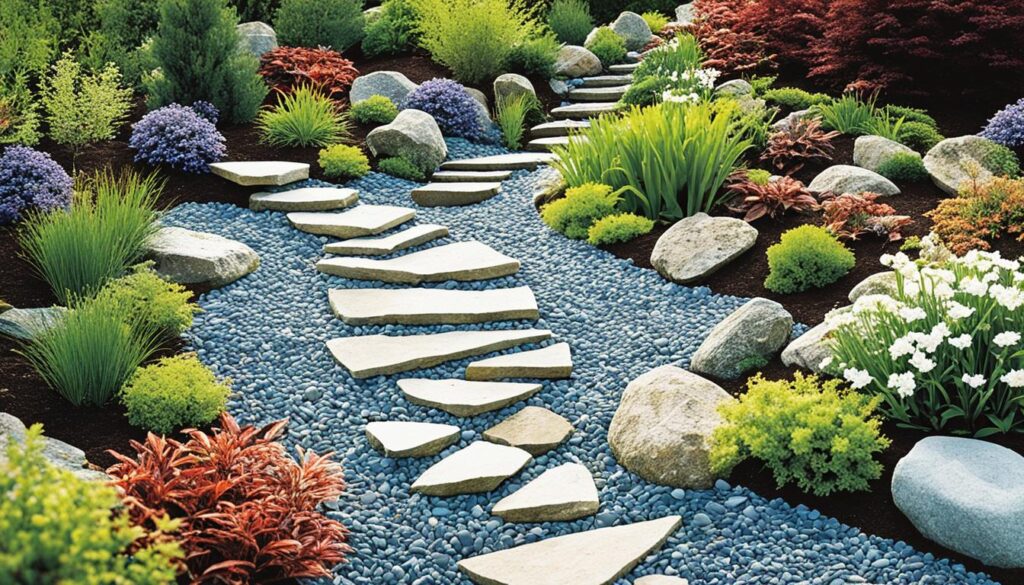
When designing your pollinator garden, it’s important to plan its layout carefully. Start by selecting an area that receives ample sunlight, as most pollinator-friendly plants thrive in sunny conditions. Consider the size of your garden and how it will fit harmoniously into your existing landscape. Remember, pollinators are attracted to a variety of flower shapes and colors, so aim for diversity in your plant selection.

Thoughtful Plant Selection
Choosing the right plants is crucial to attract and support pollinators in your garden. Opt for a diverse range of native plants that provide nectar, pollen, and shelter throughout the different seasons. Some popular choices include lavender, coneflowers, salvia, and bee balm. Additionally, include plants with varied flowering times to ensure a continuous food source for pollinators.
It’s also helpful to research which plants are native to your region, as local pollinators have evolved to rely on these specific plant species. By incorporating native plants into your garden, you can create a habitat that is well-suited to support local pollinators and promote biodiversity.
Maintenance and Care
Once your pollinator garden is established, it’s important to provide regular maintenance and care to ensure its longevity. Regularly weed your garden to prevent invasive species from overpowering native plants. Water your plants regularly, especially during dry spells, to help them thrive. Pruning and deadheading flowers also promote healthy growth and encourage new blooms.
Consider avoiding the use of pesticides in your garden, as they can be harmful to pollinators. Instead, opt for natural pest control methods and encourage beneficial insects like ladybugs and lacewings to help manage garden pests naturally.
Embrace the Beauty of Nature
Designing a pollinator garden allows you to merge your creativity with the beauty of the natural world. Explore different color combinations, textures, and heights to create a visually stunning space that not only appeals to your aesthetic preferences but also welcomes a diverse range of pollinators.
Remember, designing a pollinator garden is an ongoing process. As you gain experience and observe the behavior of pollinators in your garden, you can make adjustments and additions to further enhance their experience.
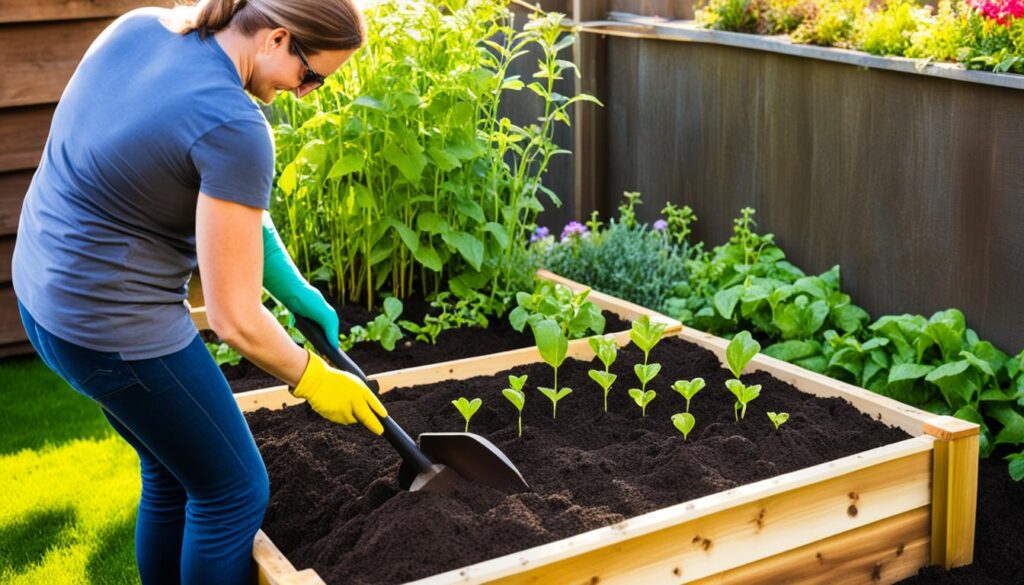
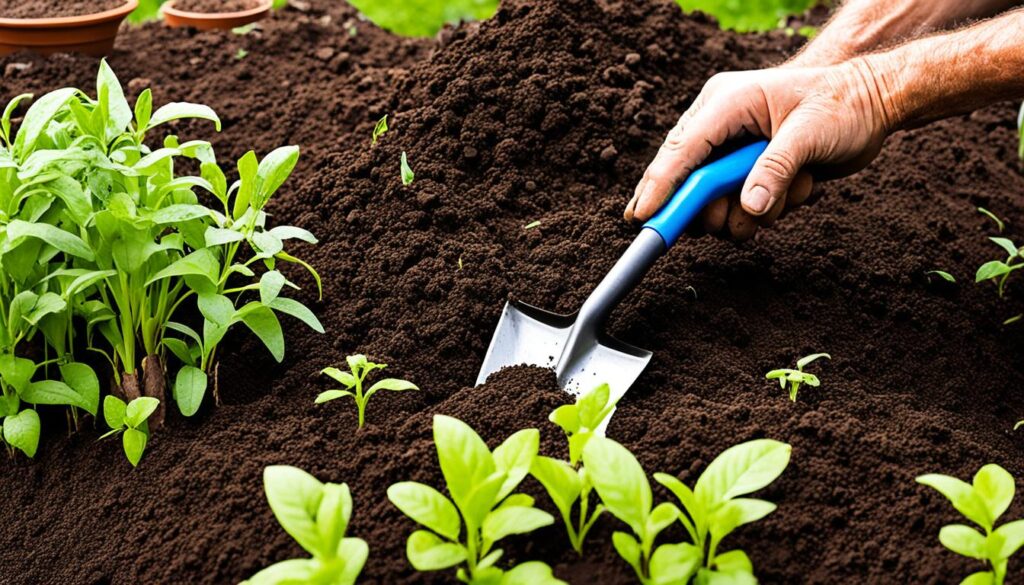
Now that you have all the tools and knowledge on how to design a pollinator garden, it’s time to get started! Prepare the soil, select your plants, and watch as your garden comes to life with the vibrant colors and delightful presence of pollinators.
Creating a Welcoming Habitat
Creating a welcoming habitat for pollinators is crucial to attracting and supporting these vital creatures in your pollinator-friendly landscaping. By providing the right elements, you can ensure that your garden becomes a haven for pollinators to thrive and contribute to the biodiversity of your surroundings.
Food Sources
First and foremost, it’s essential to offer a variety of pollinator-friendly plants that provide nectar and pollen. Choose flowers with different blooming times to offer a continuous supply of food throughout the season. Native plants are particularly beneficial as they have co-evolved with local pollinators and are well-suited to their needs.
Include a mix of flowers, herbs, and shrubs in your garden to cater to different pollinators’ preferences. Bees, for example, are attracted to flowers with bright colors and a tubular shape, while butterflies are drawn to nectar-rich blossoms. By diversifying your plant selection, you can cater to a wider range of pollinators.
Water Sources
Providing a water source is also vital for pollinators. Consider adding a shallow dish or tray with fresh water in your garden. This can be as simple as placing a saucer filled with water and a few stones for insects to perch and drink from. Ensure that the water source is easily accessible and regularly refreshed.
Shelter and Nesting Areas
Creating sheltered spaces is important, especially for solitary bees and other ground-nesting insects. Leave bare patches of soil or provide wooden bee houses and bee hotels where these gentle creatures can make their nests. Additionally, allowing some areas of your garden to grow wild with grasses and fallen leaves can provide shelter for butterflies, moths, and other insects.
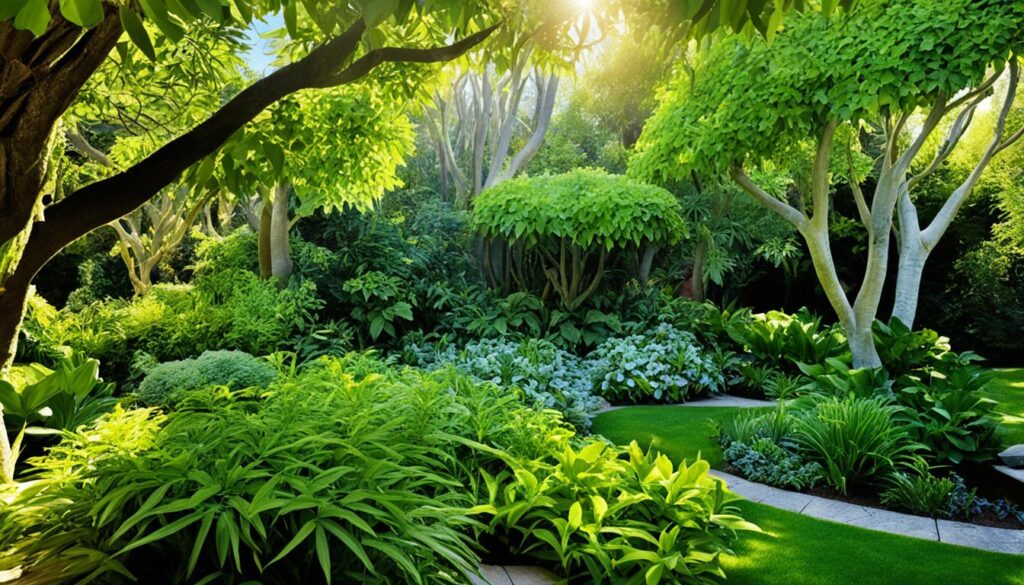
Planting a variety of trees and shrubs also offers excellent shelter options for pollinators. These larger plants can provide shade, protection from predators, and a place for pollinators to rest and roost.
The Impact of Pesticides on Pollinators
When it comes to maintaining a thriving pollinator garden, it is essential to be mindful of the potential negative impact of pesticides on these vital creatures. Pesticides, particularly those containing harmful chemicals, can have detrimental effects on the health and well-being of pollinators, ultimately affecting the biodiversity of your garden.
To safeguard the delicate balance of your pollinator garden and promote biodiversity, it is crucial to opt for natural, pollinator-friendly pest control methods. By choosing organic alternatives, you can effectively manage pests without compromising the well-being of the pollinators that contribute to the beauty and productivity of your garden.
Implementing sustainable pest control strategies not only protects the health of the pollinators but also preserves the overall biodiversity of your garden. To effectively control pests without harming pollinators, consider incorporating the following practices:
- Attract beneficial insects such as ladybugs and lacewings that naturally prey on garden pests.
- Plant companion plants that repel pests or attract natural predators to manage pest populations.
- Introduce physical barriers like netting or row covers to protect vulnerable plants from pests.
- Practice regular monitoring and inspection of your plants to catch pest issues early and intervene with targeted treatments if necessary.
By prioritizing pollinator-friendly pest control methods, you can create a safe and welcoming habitat for these crucial creatures while still maintaining a thriving and diverse pollinator garden. Remember, the well-being of pollinators and the biodiversity they support should always be at the forefront of our gardening practices.

Maintaining Your Pollinator Garden
Once you’ve created your beautiful pollinator garden filled with native plants for pollinators, it’s important to maintain it throughout the year to ensure the health and vitality of your garden and the pollinators it attracts.
Watering
Regular watering is crucial for the success of your pollinator garden. During the summer months, when rainfall may be limited, it’s important to provide sufficient water for your plants. Be mindful of not overwatering or underwatering, as both can be detrimental to the native plants and the pollinators they support.
Pruning
Pruning is an essential maintenance task for your pollinator garden. Regularly trim dead or wilted flowers, branches, and foliage to promote new growth and maintain a neat and tidy garden. Pruning also helps prevent the spread of pests and diseases, ensuring the overall health of your plants.
Overall Care
In addition to watering and pruning, providing overall care for your pollinator garden is essential. This includes regularly checking for signs of pests or diseases, using natural and pollinator-friendly pest control methods if necessary. It’s also important to replenish mulch and compost regularly to enrich the soil and provide a healthy growing environment for your native plants.
By following these essential tips and guidelines, you can ensure the longevity and success of your pollinator garden. Remember, a well-maintained garden not only benefits the pollinators but also enhances the beauty and vibrancy of your outdoor space. So, roll up your sleeves and get ready to nurture your pollinator garden to create a haven for these important creatures.
Observing Wildlife in Your Pollinator Garden
One of the most rewarding aspects of having a pollinator garden is the opportunity to observe wildlife up close. Watching as butterflies flutter from flower to flower, bees buzz busily, and birds perch on nearby branches can bring immense joy and a greater appreciation for the natural world.
When you create a pollinator-friendly space in your garden, you not only attract beneficial insects and birds but also provide them with a safe and abundant food source. This symbiotic relationship between plants, pollinators, and wildlife enhances the overall health of your garden.
To attract a diverse array of pollinators, consider incorporating a variety of flowers in your garden. Opt for native plants that produce an abundance of nectar and pollen throughout the growing season. By providing a continuous source of food, you can ensure a steady stream of pollinators visiting your garden.

Creating different levels within your garden can also attract a greater diversity of wildlife. Plant taller flowers and shrubs at the back and progress to shorter ones towards the front. This layered effect provides cover and shelter for pollinators as they navigate through the garden.
Another way to encourage wildlife in your pollinator garden is by including a water source. A shallow birdbath or a small pond with pebbles or rocks for insects to land on can attract not only pollinators but also birds and other small creatures.
By observing the wildlife that visits your pollinator garden, you can gain valuable insights into the local ecosystem and the interconnections that exist between different species. You may be surprised to discover new species visiting your garden or witness the lifecycle of butterflies and bees firsthand.
Remember to keep a journal of the visitors you observe, noting down their patterns, behaviors, and any other interesting observations. This can be an enjoyable and educational activity for both adults and children alike, fostering a deeper understanding and appreciation for the natural world.
So go out, spend some time in your pollinator garden, and let yourself be amazed by the beauty and wonder of wildlife in action.
Engaging the Community
One of the key benefits of pollinator gardens is their ability to engage and educate the community. By creating these beautiful landscapes, we not only contribute to the well-being of pollinators and the environment but also inspire others to follow suit.
When people see the pollinator-friendly landscaping and witness the pollinator garden benefits firsthand, they become curious and interested in learning more. This presents an excellent opportunity to spread awareness about the importance of pollinators and the role they play in our ecosystem.
Engaging the community in pollinator gardens can take various forms. One approach is to organize educational events, such as workshops or guided tours, where participants can learn about the significance of pollinators and how to create their own pollinator-friendly landscapes. These events provide a platform for sharing knowledge, exchanging ideas, and fostering a sense of ownership and responsibility for our local environment.
Another way to engage the community is through collaborative projects. By partnering with local schools, community centers, or conservation organizations, we can involve people of all ages in creating and maintaining pollinator gardens. This not only enhances community bonds but also instills a sense of pride and accomplishment in contributing to the preservation of pollinators.
Sharing success stories and experiences related to pollinator gardens can further inspire others to join the movement. Publishing articles, creating social media campaigns, or hosting webinars are effective ways to reach a broader audience and encourage them to take action.
Benefits of Spreading Awareness
By spreading awareness about pollinator gardens and pollinator-friendly landscaping, we create a ripple effect of positive change. Increased community involvement leads to more pollinator-friendly spaces, which in turn supports local biodiversity and contributes to a healthier ecosystem.
Moreover, pollinator gardens also offer aesthetic value, enhancing the visual appeal of neighborhoods and public spaces. Their vibrant flowers and buzzing pollinators create a harmonious connection between humans and nature, allowing us to appreciate the beauty and value of our natural world.
Ultimately, engaging the community in pollinator gardens is not only beneficial for the environment but also for our own well-being. It brings people together, fosters a sense of stewardship, and empowers individuals to make a positive impact on their surroundings.
Case Studies: Successful Pollinator Gardens
In this section, we will explore inspiring case studies of pollinator gardens, showcasing their valuable contributions to local ecosystems. These gardens have been carefully designed to maximize the benefits for pollinators, while incorporating a variety of native plants that attract and support these vital creatures.
1. The Bee Haven Garden
The Bee Haven Garden, located in the heart of London, is a prime example of a successful pollinator garden. With its strategic planting of native flowering plants, including lavender, foxgloves, and salvia, this garden has become a haven for bees, butterflies, and other pollinators. Visitors can witness the bustling activity as these creatures go about their essential work.
2. The Butterfly Meadow
The Butterfly Meadow, nestled in the countryside of Hampshire, boasts a diverse array of native plants specifically chosen to attract butterflies. From the vibrant milkweed to the delicate bluebells, this garden provides a thriving habitat for these captivating creatures. It’s a sight to behold as scores of butterflies flutter through the meadow, adding a touch of enchantment to the surrounding landscape.
3. The Hummingbird Haven
In a small suburban garden in Manchester, the Hummingbird Haven has become a delightful oasis for these tiny, vibrant birds. Filled with native flowers such as honeysuckle, columbine, and cardinal flower, this garden provides the nectar-rich sustenance that hummingbirds need. The whirring wings and iridescent colors of these charming visitors bring joy and wonder to all who witness them.
- Benefits of pollinator gardens:
- Enhanced biodiversity
- Promotion of native plant species
- Support for wildlife ecosystems
- Improved crop pollination
- Beautiful and vibrant landscapes
These case studies demonstrate the significant impact that pollinator gardens can have on local biodiversity. By fostering a supportive environment for pollinators with the right selection of native plants, we can help ensure the survival and well-being of these essential creatures.
Conclusion
In conclusion, a pollinator garden is more than just a beautiful addition to your outdoor space—it is a vital tool for fostering biodiversity and supporting the survival of essential wildlife. Through the use of native planting schemes, these gardens provide a natural habitat for pollinators and contribute to the overall health of our ecosystems.
By attracting pollinators such as bees, butterflies, and birds, pollinator gardens play a crucial role in the pollination of plants, ensuring the production of fruits, vegetables, and seeds. This, in turn, supports the diversity of plant species and helps to maintain balance in our natural world.
Creating a pollinator garden is not only a rewarding experience for nature enthusiasts but also an opportunity to actively contribute to the preservation of biodiversity. By incorporating native plants that attract pollinators and opting for pollinator-friendly pest control methods, you can make a positive impact on the environment right in your own backyard. So, why not start your own pollinator garden today and help protect the precious wildlife that depends on it?