
Hello, fellow gardeners! Are you perplexed by the absence of worms in your garden? Fear not, for I’m here to shed light on this curious situation and provide you with solutions to attract these beneficial creatures to your little green haven.
Worms play a crucial role in maintaining soil fertility and overall garden health. These humble creatures, with their tireless burrowing and organic matter consumption, help aerate the soil, enhance nutrient cycles, and promote root growth. So, let’s explore the factors that could be keeping them away and how you can create an inviting environment to entice these wiggly wonders.
Key Takeaways:
- To prevent worm infestation in your garden, consider attracting earthworms instead.
- Understanding the importance of earthworms can motivate you to take the necessary steps to encourage their presence.
- Factors such as soil health, moisture levels, and the presence of predators can affect the worm population.
- Lack of organic matter, soil compaction, and the use of chemical pesticides can deter worms from your garden.
- Implementing strategies to improve soil health, provide adequate moisture, and create a safe environment can attract earthworms to your garden.
Understanding the Importance of Earthworms
Earthworms may seem inconspicuous, but they play a vital role in creating a thriving garden ecosystem. These seemingly humble creatures bring a multitude of benefits to your garden, contributing to soil fertility and overall garden health. Let’s dive into the fascinating reasons why earthworms are so crucial to the success of your garden.
Aerating the Soil
One of the key benefits of earthworms is their ability to aerate the soil. As they tunnel through the earth, they create passageways that allow air, water, and nutrients to penetrate deep into the ground. This enhanced airflow and drainage create an optimal environment for plant roots to thrive, leading to healthier and more vigorous plant growth.
Improving Soil Structure
Earthworms are excellent soil engineers. As they consume organic matter, they break it down and excrete nutrient-rich castings, which uniformly distribute essential minerals throughout the soil. This process helps improve soil structure, making it looser, more crumbly, and well-drained. Proper soil structure promotes root development and allows plants to access nutrients more effectively.
Enhancing Nutrient Cycling
When earthworms digest plant material, they convert it into castings, which are rich in essential nutrients such as nitrogen, phosphorus, and potassium. These castings act as slow-release fertilizers, gradually releasing nutrients into the soil over time. Earthworms also accelerate the decomposition of organic matter, making nutrients more available to plants. They essentially play the role of nature’s nutrient recyclers, ensuring a constant supply of fertility in your garden.
- Promoting Beneficial Microorganisms
Earthworms create a symbiotic relationship with beneficial microorganisms. They host these microscopic organisms in their guts and transport them throughout the soil as they move. These microorganisms break down organic matter, assisting in nutrient cycling and enhancing overall soil health. The presence of earthworms in your garden encourages the proliferation of these beneficial microorganisms, creating a harmonious and balanced ecosystem.
Preventing Soil Erosion
Another crucial role of earthworms is their contribution to preventing soil erosion. By forming burrows through the soil, they enhance its stability, reducing the risk of erosion caused by wind and water. Their activities help create a protective layer that holds the soil in place, safeguarding against erosion during heavy rainfall or gusty winds.
Factors Affecting Worm Population
If you’ve noticed a low or nonexistent worm population in your garden, there are several factors that could be contributing to this issue. Understanding these factors and taking steps to address them can help improve soil health and encourage the activity of these beneficial creatures. Here are some soil health tips to consider:
1. Avoid Overusing Chemical Fertilizers
Excessive use of chemical fertilizers can harm earthworms and disrupt their natural habitat. These fertilizers contain high concentrations of salts and other chemicals that can be toxic to worms. Opt for organic fertilizers or compost to provide essential nutrients to your garden without causing harm to the worm population.
2. Maintain Proper Soil pH Levels
Earthworms thrive in soil with a neutral to slightly acidic pH. Acidic or alkaline soil conditions can deter worm activity. Test your soil pH levels regularly and adjust them accordingly using natural amendments such as lime or sulfur to create a worm-friendly environment.
3. Add Organic Matter to Improve Soil Structure
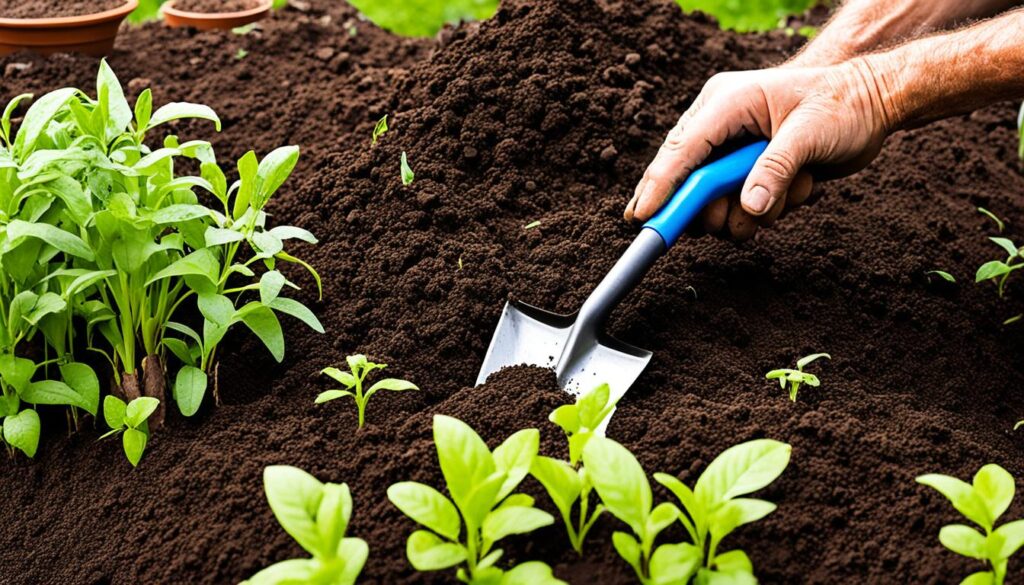
Worms need organic matter to feed on and create burrows within the soil. Incorporate compost, leaf litter, or well-rotted manure into your garden beds to increase organic matter content. This not only improves soil structure but also provides a food source for earthworms.
4. Practice Crop Rotation
Regularly rotating your crops helps mitigate pest and disease issues, reducing the need for chemical pesticides. These harmful chemicals can have adverse effects on earthworm populations. Implementing crop rotation techniques ensures a healthier garden ecosystem, conducive to worm activity.

5. Avoid Compacting the Soil
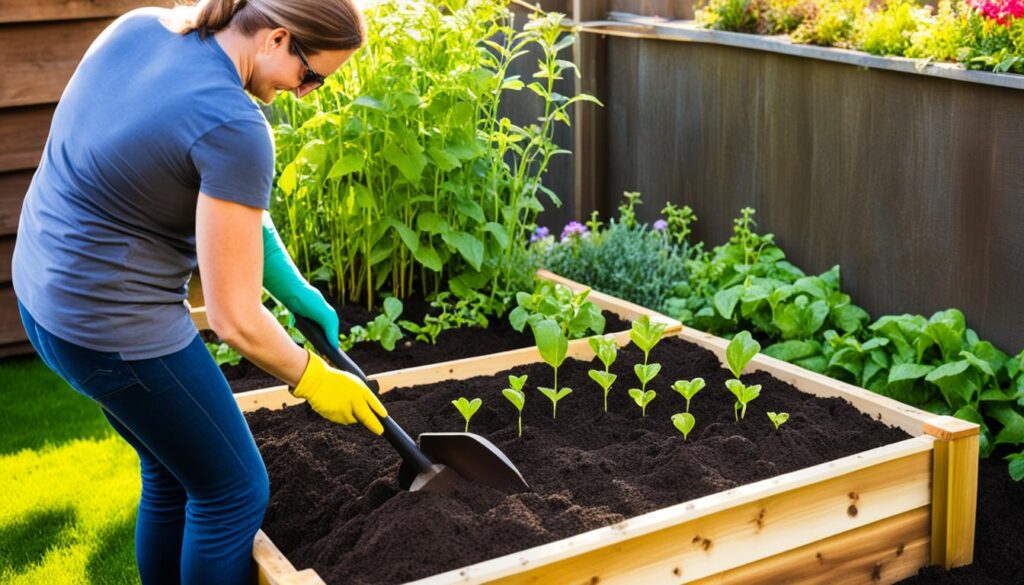
Compacted soil restricts air and water movement, making it difficult for earthworms to survive and thrive. Be careful not to over-till or step on the soil excessively, as this can lead to compaction. Use raised beds or implement no-till gardening practices to maintain loose, well-aerated soil.
By addressing these factors and implementing these soil health tips, you can create an inviting environment for earthworms to flourish in your garden. Their presence will contribute to improved soil fertility and overall garden health.
Lack of Organic Matter in Soil
One possible reason for the absence of worms in your garden is the lack of organic matter in the soil. Organic matter, such as decomposed plant and animal materials, serves as a vital source of nutrients for worms and other microorganisms.
Without sufficient organic matter, the soil becomes compacted and lacks the essential nutrients that worms need to thrive. This can result in poor soil fertility and a less hospitable environment for worms.
To improve soil fertility and attract worms to your garden, it’s important to incorporate organic matter into the soil. This can be achieved through practices such as composting, using organic mulches, and incorporating cover crops.
Composting kitchen scraps, lawn clippings, and leaves can provide an abundant source of organic matter. Adding the resulting compost to your garden beds can enrich the soil and create a nutrient-rich environment that worms find attractive.
Using organic mulches is another effective way to improve soil fertility and attract worms. Materials such as straw, wood chips, or shredded leaves can be spread over the soil surface to retain moisture, suppress weeds, and gradually break down, adding organic matter to the soil.
Cover crops, such as clover or legumes, can also be planted to improve soil fertility. These crops help fix nitrogen in the soil and add organic matter when incorporated into the soil after they have served their purpose.
By incorporating these practices and increasing the organic matter content in your soil, you can create a welcoming environment for worms, improving soil fertility and overall garden health.
Next, we’ll explore another factor that can contribute to a low worm population in your garden: soil compaction. Understanding soil compaction and its impact on worms is essential for creating an environment that encourages their presence.
Soil Compaction Issues
A common issue that can hinder worm activity in your garden is soil compaction. When the soil becomes compacted, it becomes dense and hard, making it difficult for worms to move and thrive. As a result, your soil loses its natural ventilation and water-holding capacity, negatively impacting the overall health of your garden.
To understand how soil compaction occurs, we need to consider the factors that contribute to this problem. Heavy foot traffic, machinery, and improper gardening practices are common causes of soil compaction. These activities compress the soil particles, reducing the air-filled spaces that worms depend on for movement and respiration.
So, how does soil compaction affect worms? Well, compacted soil prevents worms from burrowing and creating tunnels. These tunnels provide channels for air, water, and organic matter to penetrate deep into the soil, nourishing plants and facilitating root growth. When worms are unable to move freely, the soil becomes less conducive to the natural processes that support plant growth.
Fortunately, there are techniques you can use to alleviate soil compaction and create a healthier environment for worms:
1. Avoid excessive tilling:
Excessive tilling can disrupt the natural soil structure and lead to compaction. Instead, adopt a no-till or minimum tillage approach, allowing earthworms and other soil organisms to create and maintain their tunnels.
2. Amend the soil with organic matter:
Add organic matter, such as compost or well-rotted manure, to the soil regularly. Organic matter improves soil structure by increasing its water-holding capacity and promoting the growth of beneficial microorganisms. As worms feed on organic matter, they help break it down further, releasing nutrients that are essential for plant growth.
3. Practice mulching:
Mulching the soil surface with materials such as straw, wood chips, or leaves can help prevent compaction caused by heavy rainfall or physical impact. Mulch acts as a protective layer, reducing the impact of raindrops and foot traffic on the soil, thus preserving its structure.
By implementing these soil health tips, you can combat soil compaction and create an environment that is more favorable for earthworms. Their presence will improve soil structure and fertility, leading to healthier plants and a thriving garden ecosystem.
Chemical Pesticides and Garden Pest Control
When it comes to garden pest control, many people resort to the use of chemical pesticides. While these products may be effective at eliminating pests, they can also have adverse effects on earthworm populations. Chemical pesticides are designed to be toxic to pests, but they can also harm beneficial creatures like earthworms that play a vital role in maintaining soil health.
Fortunately, there are alternative methods of garden pest control that are both safe for worms and effective in tackling garden pests. Natural garden remedies offer a sustainable and environmentally friendly approach to pest management. By using natural, non-toxic solutions, you can protect your earthworms while effectively controlling pests.
1. Biological Control
Biological control involves using natural predators or parasites to control pest populations. For example, introducing beneficial insects like ladybugs or lacewings can help control aphid infestations. Nematodes, microscopic worms that prey on pests, can also be used to target specific insect larvae in the soil. Biological control methods are safe for earthworms and provide a sustainable, long-term solution to garden pest problems.
2. Companion Planting
Companion planting is a practice where certain plants are grown in close proximity to deter pests or attract beneficial insects. For instance, planting marigolds alongside vegetables can repel pests like nematodes and aphids. Similarly, herbs like basil and dill can attract predatory insects that feed on garden pests. By incorporating companion plants into your garden, you can reduce pest populations without harming earthworms.
3. Organic Pesticides
If you do need to use pesticides, consider opting for organic alternatives. Organic pesticides are made from natural ingredients such as plant oils, soap, or diatomaceous earth. These products target specific pests without posing a risk to earthworms and other beneficial organisms. It’s important to follow the manufacturer’s instructions carefully and only use organic pesticides when necessary.
By adopting these natural garden pest control remedies, you can protect your earthworm populations while effectively managing pests. Not only will this approach benefit your garden’s ecosystem, but it will also contribute to a healthier and more sustainable gardening experience.
Lack of Moisture
Adequate moisture is crucial for the survival of worms in your garden. These remarkable creatures rely on moist conditions to thrive and carry out their important soil-building activities. Without a sufficient level of hydration, the worm population can suffer, negatively impacting the overall health of your soil.
To ensure optimal moisture levels for your garden soil and promote a conducive environment for worms, consider the following soil health tips:
- Watering: Regularly water your garden, especially during dry periods, to maintain moist soil conditions. Make sure to water deeply, allowing the water to penetrate the root zone and reach the worms’ habitat.
- Mulching: Apply a layer of organic mulch, such as compost or straw, on top of the soil. This helps retain moisture by preventing evaporation, keeping the soil consistently moist, and providing a suitable environment for worms.
- Avoid Overwatering: While it’s essential to keep the soil moist, avoid overwatering as it can lead to waterlogged conditions and negatively affect worm activity. Check the moisture level before watering and adjust accordingly.
- Proper Drainage: Ensure that your garden has proper drainage to avoid water accumulation and saturation of the soil. Excess water can drive worms away from waterlogged areas.
- Composting: Incorporating compost into your soil improves its water retention capacity. Compost acts like a sponge, holding moisture and providing a nutritious habitat for worms.
- Use Mulch Basins: Create mulch basins around your plants by forming a ring of mulch near the base. This helps concentrate water around the roots and prevents it from flowing away, ensuring the moisture reaches the root zone where worms reside.
By following these soil health tips, you can maintain the appropriate moisture levels in your garden soil, creating a welcoming home for worms. Remember, a thriving worm population contributes to healthy soil, increased nutrient availability, and a vibrant garden ecosystem.

Predators of Earthworms
While earthworms are beneficial for your garden, they can fall victim to predators that reduce their numbers and disrupt the ecosystem. It’s important to be aware of these predators and take measures to protect your worms from infestation.
One common predator of earthworms is the thrush, a bird known for its fondness for worms. Thrushes have sharp beaks and can quickly snatch up worms from the ground. To prevent worm infestations, consider placing nets or birdhouses in your garden to deter thrushes from accessing the worms.
Another predator of earthworms is the mole. These burrowing mammals have an excellent sense of smell and can detect the presence of worms underground. Moles can cause significant damage to the worm population by digging up tunnels to catch their prey. To protect your worms from mole infestations, consider using physical barriers such as wire mesh or installing mole deterrents that emit vibrations to discourage their activity.
Hedgehogs are also known to prey on earthworms. While these cute little creatures may seem harmless, they can have a big appetite for worms. To prevent hedgehogs from feasting on your worms, create barriers around your garden using fencing or by burying wire mesh to prevent their access.
Lastly, certain invasive fish species, such as the cane toad, can disturb the balance of your garden by preying on earthworms. If you live in an area where invasive fish are a concern, it’s essential to take steps to prevent their spread and protect your worms. Consider installing mesh screens or using natural fish repellents to deter these predators.
By identifying the predators of earthworms and implementing suitable preventive measures, you can protect the worm population in your garden, ensuring a healthy and thriving ecosystem.
Attracting Earthworms to Your Garden
Now that we’ve explored the factors that affect worm populations, let’s focus on how to attract earthworms to your garden. These beneficial creatures play a vital role in maintaining a healthy soil ecosystem, enhancing nutrient availability, and promoting plant growth.
One effective method of attracting earthworms is by improving your garden’s soil quality. Start by adding organic matter, such as compost or well-rotted manure, to provide the worms with a rich food source. This organic matter not only acts as a nutrient boost for your plants but also serves as an irresistible buffet for earthworms.
Another way to entice earthworms is by ensuring your garden soil is well-draining and has a good structure. Avoid overcompacting the soil, as it can limit the worms’ movement and ability to burrow. Consider incorporating organic amendments, such as coarse sand or perlite, to improve soil aeration and drainage.
Additionally, maintaining proper moisture levels in your garden soil is crucial for attracting earthworms. Keep the soil consistently moist, but not waterlogged, as excessive moisture can suffocate the worms. Water your garden deeply and less frequently, allowing the soil to dry out slightly between watering sessions.
Creating a worm-friendly environment involves providing adequate shelter and protection. Rock piles, logs, and mulch can serve as hiding spots and offer refuge to earthworms. These features also help conserve moisture in the soil, adding to the overall appeal of your garden for these beneficial creatures.
Furthermore, minimizing the use of chemical pesticides is essential for attracting earthworms. These pesticides can be harmful to earthworms and disrupt their natural habitat. Instead, opt for natural pest control methods such as companion planting, biological controls, and organic insecticides. This approach not only protects the earthworms but also ensures a healthy balance in your garden ecosystem.
Remember, it takes time for earthworm populations to establish themselves in a garden. Be patient and consistent in your efforts to provide a desirable environment. Over time, as the worms become more abundant, they will continue to improve the health and fertility of your soil.
Now that you know how to attract earthworms to your garden, it’s time to put these tips into action. By creating a welcoming habitat and prioritizing soil health, you can enjoy the benefits of a thriving population of earthworms, which will ultimately contribute to the success of your garden.

Conclusion
Throughout this article, we have explored the reasons behind the absence of earthworms in your garden and provided valuable insights on how to attract these beneficial creatures. Earthworms play a vital role in maintaining healthy soil and promoting a thriving garden ecosystem.
By implementing the suggestions discussed, such as improving soil fertility, alleviating soil compaction, using natural pest control methods, maintaining moisture levels, and protecting earthworms from predators, you can create an environment that is welcoming to these soil-dwelling creatures.
Remember, a healthy and vibrant garden starts with the presence of earthworms. So, take the necessary steps to enhance your soil health and embrace the benefits of having these hardworking helpers in your garden. Happy gardening!