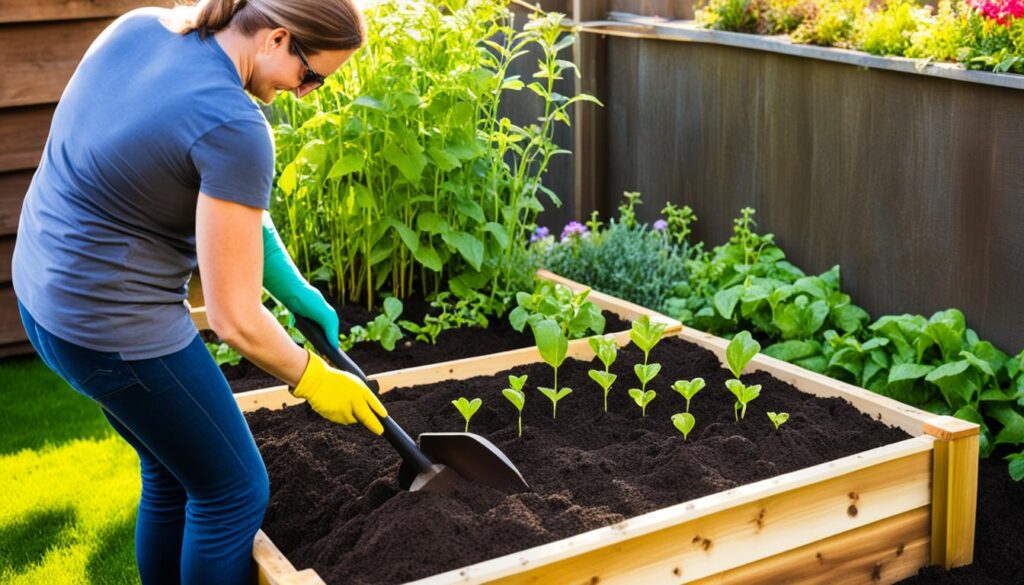

Gardening is an activity that brings immense joy and satisfaction. It not only allows us to connect with nature but also provides a multitude of benefits for our mental and physical health, as well as for the environment. In this article, I will explore the importance of gardening and why it should be an essential part of our daily lives.
Key Takeaways:
- Gardening offers numerous benefits for our mental and physical well-being.
- It allows us to connect with nature and relieve stress.
- Gardening contributes to a healthier environment by promoting biodiversity.
- Engaging in gardening activities provides an opportunity for creativity and self-expression.
- Gardening can be a rewarding and fulfilling activity for individuals and families alike.
The Health Benefits of Gardening
Gardening offers a multitude of benefits for both our mental and physical health. Not only does it provide a peaceful and fulfilling hobby, but it also contributes to our overall well-being.
One of the key advantages of gardening is the opportunity to spend time outdoors, which increases our vitamin D levels. Vitamin D is crucial for the health of our bones, teeth, and muscles, helping them stay strong and resilient.
Moreover, gardening is a form of low-impact exercise that can have a positive impact on our cardiovascular function. Engaging in gardening activities such as digging, planting, and weeding can help strengthen our muscles and bones, enhancing our overall physical fitness.
In addition to the physical benefits, gardening has been shown to have a positive impact on our mental health. The exposure to nature and the peaceful environment can help reduce stress levels and promote relaxation. It provides a sense of tranquility and escape from the stressors of everyday life.
Gardening has also been linked to a decreased risk of dementia and can serve as a form of therapy for those suffering from it. The focused and repetitive nature of gardening tasks can help stimulate the brain and improve cognitive function.
The act of nurturing and watching plants grow can bring a sense of accomplishment and purpose to our lives. It allows us to connect with the natural world, cultivate patience, and develop a deeper appreciation for the beauty of nature.
“Gardening is not just a hobby; it is a way to nurture our bodies and minds, creating a healthier and more fulfilling life.” – Anonymous
The Benefits of Gardening for Mental Health
- Gardening offers a sense of purpose and accomplishment.
- It provides a peaceful and relaxing environment.
- Gardening reduces stress and anxiety.
- Engaging in gardening activities can improve cognitive function.
The Benefits of Gardening for Physical Health
- Gardening increases vitamin D levels, promoting strong bones, teeth, and muscles.
- It is a low-impact form of exercise that improves cardiovascular function.
- Gardening strengthens muscles and bones, enhancing overall physical fitness.
By immersing ourselves in the world of gardening, we not only reap the physical and mental health benefits but also create a nurturing sanctuary that allows us to flourish.
Gardening for the Environment
Gardens are of vital importance to the environment, creating a natural habitat for a variety of plants and trees. As these plants grow, they absorb carbon dioxide and release oxygen, helping to mitigate climate change. The roots of these plants also play a crucial role in stabilizing the soil, preventing erosion and contributing to soil health. Furthermore, gardens act as a natural filter, purifying water as it passes through the soil.
Gardens provide a safe haven for diverse wildlife, including birds, bugs, and bees. These creatures are important pollinators, playing a crucial role in the reproduction of plants and the maintenance of biodiversity. By creating and nurturing a garden, we can actively support the ecosystem and contribute to the preservation of various species.
Creating a garden is not only a way to beautify our surroundings, but also a powerful act in safeguarding the environment and promoting biodiversity.
By growing plants in our gardens, we are actively participating in the conservation of our natural resources and reducing our carbon footprint. Every tree, flower, and vegetable we cultivate contributes to the overall wellbeing of the planet. Gardening allows us to make a meaningful difference in the world while enjoying the beauty and tranquility of nature.
The Benefits of Gardening for the Environment:
- Carbon absorption: Growing plants in gardens helps absorb carbon dioxide, a greenhouse gas responsible for climate change.
- Soil stabilization: The roots of plants in gardens stabilize the soil, preventing erosion and maintaining soil health.
- Water filtration: Gardens act as natural filters, purifying water as it passes through the soil.
- Biodiversity support: Gardens provide a safe habitat for various wildlife species, including important pollinators like birds, bugs, and bees.
- Conservation of natural resources: Cultivating plants in gardens contributes to the preservation of natural resources and the reduction of our carbon footprint.
Incorporating gardening into our lives not only benefits the environment, but also provides us with a deeper sense of connection to nature. It allows us to appreciate the intricate balance of the natural world and our role in protecting and nurturing it.
Gardening for Community
Gardening not only benefits the environment but also has the power to bring communities together. One way this can be achieved is through the creation of community gardens. These communal spaces allow people to work together, sharing responsibilities and reaping the rewards of their combined efforts.
Community gardening fosters a sense of togetherness and provides a platform for neighbors to connect and build relationships. It creates a space where people of diverse backgrounds and experiences can come together, learn from one another, and appreciate the unique perspectives within the community.
Community gardens create a supportive environment where gardening knowledge is shared, and skills are developed collectively. From seasoned gardeners to beginners, everyone has something to contribute and learn. It is an opportunity to grow not just plants, but also friendships.
“Community gardens are a wonderful way to foster relationships and build a strong sense of community. I’ve witnessed firsthand how these gardens bring people together, encouraging collaboration and creating a space where neighbors become friends.” – Jane Smith, Community Gardener
Working side by side in a community garden enables individuals to understand the importance of teamwork and collective effort. It instills a sense of belonging and ownership, as everyone contributes to the growth and maintenance of the shared space.
Furthermore, community gardens offer a beneficial avenue for education and learning. From workshops on gardening techniques to sharing tips and tricks, these gardens become a hub of knowledge exchange. It’s a place where skills are passed down through generations and where individuals can broaden their understanding of sustainable gardening practices.
Community gardens also have a positive impact on the environment and contribute to the overall well-being of the community. They provide green spaces that promote biodiversity and offer a safe haven for local wildlife. These gardens not only enhance the aesthetic appeal of the community but also improve air quality and contribute to the overall sustainability of the neighborhood.
By gardening together as a community, we not only create beautiful spaces but also forge connections that strengthen the fabric of our neighborhoods. It’s an opportunity to work towards a shared goal while cultivating a sense of pride in our community and the environment around us.
Gardening for Daily Life
Gardening can have a significant impact on my daily life. It not only contributes to my health and well-being but also has economic benefits. By growing my own produce, I can have a more sustainable diet, reducing food miles and the environmental footprint associated with transporting produce.
Additionally, gardening can save me money, as I can harvest my own fruits and vegetables. It becomes a fulfilling and rewarding activity that adds to my daily life.

“Having a garden of my own allows me to have fresh, organic produce right at my fingertips. It not only tastes better but also gives me peace of mind knowing that I’m consuming food that is free from harmful chemicals and pesticides.” – Garden enthusiast
With my own garden, I have control over what goes into the food I eat, improving its quality and taste. Growing my own fruits and vegetables also helps me reduce my reliance on store-bought produce, which often needs to travel long distances, consuming energy and contributing to pollution. It allows me to take a step towards a more sustainable lifestyle.
Furthermore, gardening brings a sense of pride and accomplishment as I watch my plants grow, nurture them, and witness the fruits of my labor. It adds a touch of nature and beauty to my surroundings, creating a tranquil and peaceful ambiance in my daily life.
- Benefits of gardening for my daily life:
- I can enjoy fresh, organic produce.
- I reduce food miles and the environmental footprint.
- It saves me money in the long run.
- I have control over the quality and taste of my food.
- Gardening adds beauty and tranquility to my surroundings.
Having a garden not only provides practical benefits but also brings joy and peace to my daily life. It serves as a way to connect with nature, relieve stress, and find solace amidst the busyness of modern life. Gardening becomes a cherished part of my routine, allowing me to slow down, appreciate the beauty of nature, and find fulfillment in nurturing and watching things grow.
Gardening for Family
Gardening is a wonderful activity that brings families together. It provides an opportunity to engage the whole family and teach children important values, such as responsibility and a connection to the natural world. Gardening is not only a hobby but also a valuable teaching tool for kids to learn while having fun.
When children get involved in gardening, they develop a sense of responsibility and learn about the importance of caring for living things. They begin to understand the lifecycle of plants, from planting seeds to nurturing them and watching them grow. This hands-on experience teaches them about the interconnectedness of nature.
Gardening can also be passed down through generations, creating a strong bond within the family. It becomes a shared activity where grandparents, parents, and children can all contribute their knowledge and experiences. The joy of seeing a garden flourish together is immeasurable and creates lasting memories.
Working together in the garden fosters teamwork and a sense of accomplishment. Each family member can have their own tasks, whether it’s watering the plants, pulling weeds, or harvesting the produce. This collaboration strengthens communication skills and teaches children the value of working together towards a common goal.
“Gardening with my family has been an incredible experience. We’ve learned so much together and created beautiful memories. It’s a time where we can connect with nature and each other.” – Emma, a passionate gardener and mother.
Benefits of Gardening for Children:
- Teaches responsibility and patience
- Develops a connection to nature
- Fosters teamwork and collaboration
- Encourages healthy eating habits
- Promotes physical activity and outdoor play
- Enhances cognitive and motor skills
Whether it’s planting flowers or growing vegetables, gardening is a rewarding and educational experience for the whole family. It’s a chance to slow down, appreciate the beauty of nature, and spend quality time together. Gardening truly cultivates not only plants but also strong family bonds.
Growing Your Own Food
Growing your own food offers a multitude of benefits that go beyond the satisfaction of producing your own fresh produce. It allows you to take control of what goes into your crops and ensures that they are free from harmful chemicals and pesticides. By eliminating reliance on store-bought produce, you can improve the quality and taste of the food you consume, providing healthier options for you and your family.

When you grow your own fruits and vegetables, you can also save money in the long run. Store-bought produce often comes with added costs due to transportation and storage, but by growing your own, you can reduce your grocery bill and reap the rewards of your hard work.
Moreover, growing your own food supports sustainable practices and helps promote a healthier environment. By embracing organic gardening methods, you can reduce pollution and soil degradation, making a positive impact on the planet. When we choose to grow our own produce, we contribute to a more sustainable future and decrease our carbon footprint.
“Growing my own food has not only improved the taste and freshness of what I eat, but it has also given me a sense of pride and accomplishment. I love knowing exactly where my food comes from and that it’s grown with care and without harmful chemicals.” – Jane, avid home gardener
With a little effort and care, anyone can start growing their own food. Whether you have a backyard or a small balcony, there are various methods and techniques available to suit your space and requirements. Gardening is a rewarding and fulfilling hobby that allows you to connect with nature, provide for your family, and make a positive impact on the environment.
Gardening and Mood
Gardening can have a remarkable impact on our mood and overall mental well-being. When we spend time in nature and engage in gardening activities, we experience a sense of calm and tranquility that can significantly reduce stress levels and help us relax. Not only does gardening provide a peaceful escape from our daily routine, but it also offers a rewarding sense of accomplishment and fulfillment.
Studies have shown that gardening can lower blood pressure and promote feelings of happiness and well-being. The physical activity involved in gardening, such as digging, planting, and weeding, stimulates the release of endorphins in our brain, which are natural mood enhancers. In fact, engaging in gardening activities has been likened to a form of therapy as it allows us to connect with nature and focus our attention on the present moment.
One interesting aspect of gardening is the exposure to specific bacteria found in soil. These bacteria have been found to have a positive effect on our mood by increasing serotonin levels in the brain. Serotonin is a neurotransmitter that plays a crucial role in regulating mood, and higher levels are associated with feelings of happiness and well-being.
“Gardening is my therapy. When I’m in the garden, I feel a sense of peace and find solace in the beauty of nature. It really lifts my spirits and improves my mood.” – Sara Thompson
Gardening can be a wonderful form of self-care as it provides a space for reflection, relaxation, and rejuvenation. Whether it’s tending to a flower bed, growing vegetables in a raised garden bed, or nurturing a small herb garden on your windowsill, the act of gardening allows us to take a step back from the demands of our busy lives and find solace in the simple pleasures of nature.
Gardening in Daily Life
Gardening becomes an integral part of my daily life, providing numerous benefits. It allows me to spend more time in the sun, which provides vitamin D and boosts my overall well-being. Taking care of and nurturing plants becomes a rewarding and educational experience, as I learn about their growth and observe their progress.
Gardening also provides opportunities for creativity and self-expression, allowing me to beautify my surroundings with an array of colors and textures. Whether it’s arranging flowers in a vase or designing a new garden bed, the act of creating something unique brings me joy and satisfaction.
Not only does gardening allow me to express myself artistically, but it also connects me with nature on a deeper level. As I dig my hands into the soil and feel the texture beneath my fingertips, I feel grounded and connected to the Earth. It’s a reminder of our intrinsic relationship with the natural world and the importance of preserving it.
“In every walk with nature, one receives far more than he seeks.” – John Muir
Gardening is more than just a hobby; it’s a way of life. It teaches me patience as I wait for seeds to germinate and plants to bloom. It encourages me to slow down and appreciate the simple beauty of nature.
Gardening not only transforms my physical surroundings, but it also transforms me.
Whether I’m tending to a small balcony garden or cultivating a sprawling backyard oasis, gardening enhances my daily life in immeasurable ways. It brings a sense of peace and tranquility, allowing me to escape the stresses of everyday life and find solace in nature.

Gardening for Children
Gardening has a significant impact on children’s development. It teaches them responsibility, patience, and a connection to nature. When children spend time outdoors and engage in gardening activities, they tend to develop better social skills and are less aggressive. Gardening offers an opportunity for families to bond and create lasting memories together.
Children benefit greatly from being involved in gardening. It allows them to learn about the natural world and see the beauty of plants as they grow and flourish. Through gardening, children can witness the rewards of their hard work and gain a sense of accomplishment as they see their plants thrive.
Moreover, gardening teaches children important life skills. They learn the value of responsibility by taking care of their plants and understanding the needs of each one. They develop patience as they wait for their seeds to germinate and grow into healthy plants. Gardening also fosters problem-solving abilities as children encounter challenges such as pests or plant diseases and find ways to overcome them.
Additionally, spending time outdoors and connecting with nature through gardening has a positive impact on children’s mental health. It allows them to relax, unwind, and escape from the pressures of the digital world. Gardening gives children a break from screens and technology, encouraging physical activity and promoting a healthy lifestyle.
Gardening also provides an opportunity for parents and children to bond and create lasting memories. It becomes a shared experience where families work together towards a common goal. Gardening allows parents to pass on their knowledge and love for nature to their children, fostering a sense of appreciation and respect for the environment.
The Benefits of Gardening for Children:
- Teaches responsibility and patience
- Connects children to nature
- Develops social skills and reduces aggression
- Encourages physical activity and a healthy lifestyle
- Builds problem-solving abilities
- Fosters a sense of accomplishment
“Gardening provides children with an opportunity to connect with nature, learn important life skills, and develop a sense of responsibility and patience.” – Howard Thompson
In conclusion, involving children in gardening is a valuable experience that has numerous benefits for their development. It not only teaches them important life skills but also allows them to connect with nature and create lasting memories with their families. Gardening for children is a wonderful way to nurture their love for the natural world and instill in them a sense of responsibility towards the environment.
The Benefits of Gardening
Gardening offers a multitude of benefits that positively impact our physical and mental well-being. It provides an opportunity for physical exercise, as tending to plants involves tasks like digging, planting, and weeding. These activities engage our muscles, improve flexibility, and boost cardiovascular health, contributing to a healthier and fitter lifestyle.
Moreover, gardening stimulates our minds and enhances mental agility. The process of planning and maintaining a garden requires problem-solving skills and creativity. It also provides a sense of purpose and accomplishment as we witness the growth and transformation of our plants. Being in nature and surrounded by greenery has a calming effect, reducing stress levels and promoting relaxation.
Gardening is not only beneficial for individuals but also for the environment. By practicing sustainable gardening methods, such as composting and using organic fertilizers, we minimize the use of harmful chemicals and promote soil health. Gardens act as natural habitats for various species, attracting beneficial insects like bees and butterflies, which play a crucial role in pollination. By creating a garden, we actively contribute to biodiversity and support the balance of ecosystems.
Engaging in gardening can bring immense joy and satisfaction to our daily lives. Cultivating our own fruits, vegetables, and flowers allows us to connect with nature and appreciate the beauty of the natural world. It also provides a sense of accomplishment and gratification as we harvest and enjoy the fruits of our labor. From small indoor gardens to large outdoor plots, gardening offers a fulfilling and rewarding hobby that can be enjoyed by individuals of all ages.