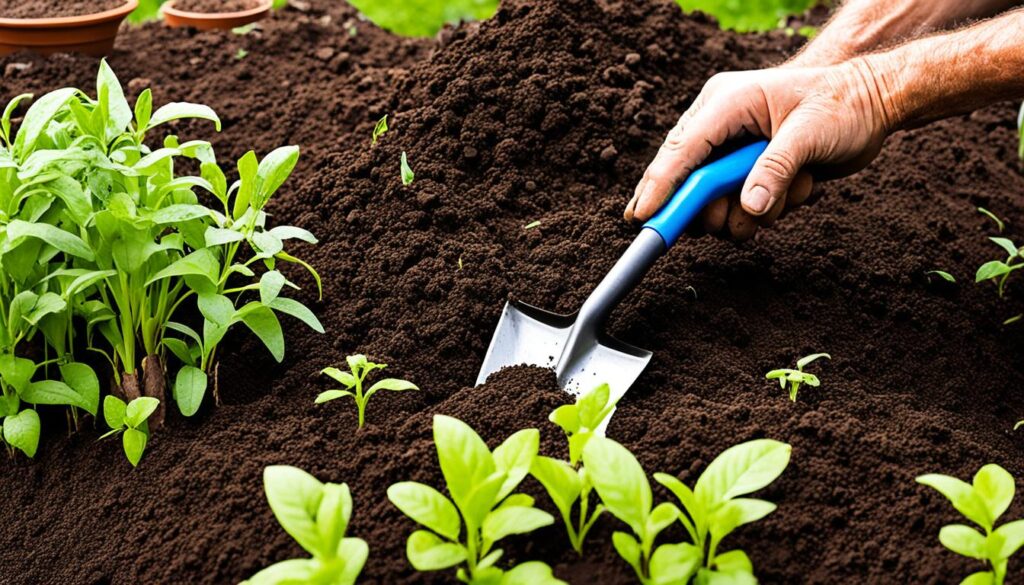

Welcome to my blog where we will explore the benefits of using cow manure as an organic fertilizer for your plants. Cow manure has long been recognized as a natural and effective way to enhance plant growth and improve soil health. Let’s delve into why cow manure is so beneficial for your plants.
Key Takeaways:
- Cow manure is a rich source of essential nutrients like nitrogen, phosphorus, and potassium, which are vital for plant growth.
- Using cow manure in gardening helps enhance soil health by improving structure, moisture retention, and fostering beneficial microbial activity.
- Cow manure is an eco-friendly alternative to synthetic fertilizers, promoting a sustainable and healthy approach to gardening.
- The use of cow manure in gardens results in vibrant and healthy plants, abundant crops, and suppressed weed growth.
- Composting cow manure before use further enriches the soil, making it safe and nutritious for plants.
Nutrients in Cow Manure
Cow manure is a natural source of essential nutrients that are vital for plant growth and development. When used as a fertilizer, cow manure provides a range of nutrients that contribute to the overall health and productivity of plants.
One of the key nutrients found in cow manure is nitrogen. Nitrogen plays a crucial role in promoting healthy leaf and stem growth. It is an essential component of proteins and enzymes, which are responsible for various metabolic processes in plants. By incorporating cow manure into the soil, plants can access a steady supply of nitrogen, supporting their overall growth and vitality.
Phosphorus is another important nutrient found in cow manure. It is essential for root development, flowering, and fruiting. Phosphorus helps plants convert energy from the sun into usable forms, facilitating the photosynthesis process. By providing plants with an adequate supply of phosphorus, cow manure promotes robust root growth and enhances the plant’s ability to produce flowers and fruits.
Potassium, also known as potash, is a nutrient that contributes to plant vigour and overall health. It plays a crucial role in various physiological processes, including cell growth, water regulation, and the synthesis of carbohydrates and proteins. Cow manure contains significant amounts of potassium, ensuring that plants have access to this vital nutrient for optimal growth and resilience.
By enriching the soil with cow manure, gardeners can provide plants with a balanced supply of nitrogen, phosphorus, and potassium, commonly referred to as NPK. These nutrients work synergistically to support plant growth, improve flowering and fruiting, and enhance overall plant health.
Enhancing Soil Health
Using cow manure in gardening can significantly improve soil health. Incorporating cow manure into the soil enhances its structure, making it more porous and facilitating better root penetration. This improves the overall quality of the soil, allowing plants to establish stronger root systems and absorb essential nutrients more efficiently.
The organic matter present in cow manure also plays a crucial role in enhancing soil health. It helps to retain moisture in the soil, preventing excessive water evaporation and ensuring that plants have access to a consistent water supply. Additionally, the organic matter serves as a food source for beneficial microbes in the soil, promoting a healthy microbial activity.
A well-functioning soil ecosystem is key to nutrient cycling, the process by which essential nutrients are made available to plants. The organic matter in cow manure serves as a reservoir of nutrients, gradually releasing them into the soil as it decomposes. This creates an ideal environment for nutrient cycling, ensuring that plants receive a steady supply of the vital elements they need for growth and development.

The enhanced soil structure created by using cow manure also offers other benefits. The increased porosity allows for better air circulation, improving the soil’s oxygen levels and creating a healthier environment for root respiration. Moreover, the improved water-holding capacity of the soil reduces the risk of water runoff and leaching, helping to conserve water resources.
By using cow manure in gardening, we can create an optimal growing environment for plants while supporting long-term soil health. It is a sustainable and natural approach that nourishes the soil, promoting the growth of healthy and vibrant plant life.
Natural Plant Fertilizer
Cow manure is a natural alternative to synthetic fertilizers, making it an ideal choice for those who prefer organic gardening methods. Unlike chemical fertilizers, which can harm the soil and surrounding ecosystems, cow manure is environmentally friendly and sustainable. By using cow manure as a natural plant fertilizer, gardeners can reap numerous benefits while minimizing their impact on the environment.
One of the key advantages of using cow manure as a natural plant fertilizer is its slow-release nutrient content. Cow manure provides plants with a steady and continuous supply of nourishment over time. This slow-release characteristic ensures that plants receive the essential nutrients they need to thrive, without the risk of overfertilization or nutrient burn.
Another important benefit of cow manure as a natural plant fertilizer is its ability to improve soil structure, aeration, and moisture retention. The organic matter present in cow manure helps to bind soil particles together, creating a more stable and fertile soil structure. This enhanced soil structure allows for better root penetration, improving nutrient and water uptake by plant roots. Additionally, the organic matter in cow manure helps to improve soil aeration, preventing compaction and allowing for the easy exchange of gases between the soil and plant roots. Moreover, cow manure aids in moisture retention, reducing water loss through evaporation and ensuring that plants have access to adequate moisture.
Using cow manure as a natural plant fertilizer not only benefits individual plants but also has a positive impact on the overall health of the garden ecosystem. The nutrients and organic matter in cow manure support the growth of beneficial soil microorganisms, such as bacteria and fungi. These microorganisms help to break down organic matter further, releasing additional nutrients for plants and improving overall soil fertility.
When using cow manure as a natural plant fertilizer, it is essential to properly compost the manure before application. Composting cow manure helps to accelerate the breakdown of organic matter, ensuring that any potential pathogens or harmful substances are eliminated. Composting also helps to stabilize the nutrient content, making the composted cow manure a reliable and safe source of nutrients for plants.
In conclusion, cow manure serves as an excellent natural plant fertilizer due to its organic nature and slow-release nutrient content. Its ability to improve soil structure, aeration, and moisture retention further enhances plant growth and overall garden health. By utilizing cow manure as a natural alternative to synthetic fertilizers, gardeners can create a sustainable and eco-friendly gardening environment, promoting the health and vitality of their plants.
Garden Vitality
When it comes to ensuring the vitality of your garden, using cow manure is a tried and tested method. The natural goodness locked within cow manure provides a wealth of benefits for your plants, leading to vibrant and robust growth.
The rich nutrients present in cow manure, such as nitrogen, phosphorus, and potassium, nourish plants from their roots to their leaves. This abundance of nutrients supports vigorous growth, resulting in healthier, greener, and more abundant crops. Your garden will flourish with vitality, bringing beauty and abundance to your outdoor space.
Another advantage of using cow manure in gardening is its weed-suppressing properties. By applying a layer of cow manure as organic mulch around your plants, you create a natural barrier that inhibits weed growth. The thick and nutrient-rich mulch acts as a protective shield, suffocating weeds and preventing them from stealing nutrients, sunlight, and space from your desired plants. With less competition for resources, your plants can thrive without the interference of pesky weeds.

By incorporating cow manure into your gardening routine, you are setting the stage for a flourishing and vibrant garden. The natural fertilizing properties of cow manure, combined with its weed-suppressing effects, create an optimal environment for your plants to grow, blossom, and produce a bountiful harvest. Whether you have flowers, vegetables, or ornamental plants, using cow manure can elevate the vitality of your garden to new heights.
Using Cow Manure in Gardening
When it comes to gardening, incorporating cow manure can provide numerous benefits for your plants and soil. There are several effective methods for using cow manure in gardening, allowing you to make the most of this natural resource.
Dressing your Plants with Cow Manure
One way to utilize cow manure is by using it as a top dressing around your existing plants. Simply spread a layer of well-composted cow manure around the base of your plants, ensuring not to place it too close to the stems or trunks. As the manure breaks down, it slowly releases its nutrients, feeding your plants and promoting healthy growth.
Mixing Cow Manure into Potting Soil
For container gardening, incorporating cow manure into potting soil can greatly benefit your plants. Mix a generous amount of well-rotted cow manure into your potting mix to provide a nutrient-rich environment for your potted plants. The organic matter in the manure improves soil structure and water retention, ensuring your plants receive the necessary nourishment for thriving growth.
Amending Soil with Cow Manure
Prior to planting new crops, using cow manure in gardening involves incorporating it into the ground. Digging well-composted cow manure into the soil improves its fertility, creating a favourable environment for robust plant growth. The nutrients in the manure sustain plants throughout their lifecycle, resulting in healthier and more productive crops.
It is crucial to note that when using cow manure in gardening, proper composting is necessary. Fresh manure may contain pathogens that can harm plants. Composting allows the organic matter to decompose, reducing the risk of any potential harmful effects. This process breaks down the manure and transforms it into a safe and nutrient-rich soil amendment.
By incorporating cow manure into your gardening routine, you can harness its natural fertilizing properties and nutrient-rich composition. This sustainable and eco-friendly practice nourishes your plants, enhances soil health, and promotes a thriving garden. Embrace the benefits of using cow manure in gardening and witness the transformation of your outdoor space.
Benefits of Using Cow Manure
When it comes to gardening, using cow manure offers a wide range of benefits for both your plants and the environment. Let’s explore some of the key advantages of incorporating cow dung into your gardening routine.
Firstly, cow manure is an excellent source of essential nutrients for plants. It provides a balanced combination of nitrogen, phosphorus, and potassium, which are crucial for healthy plant growth. These nutrients promote strong root development, vibrant blossoms, and fruitful yields, ensuring that your plants thrive in their environment.
In addition to its nutrient content, cow manure also improves soil health. When cow manure is added to the soil, it enhances the soil’s water-holding capacity, allowing for better water retention. This can be particularly beneficial during dry spells or in areas with sandy soil. With increased water availability, your plants will be better equipped to withstand periods of drought and exhibit improved resilience.
Furthermore, the use of cow manure reduces the need for chemical fertilizers. By relying on this natural and organic source of nutrients, you can reduce your reliance on synthetic fertilizers that may contain harmful chemicals. This not only benefits the health of your plants but also contributes to a more sustainable and eco-friendly approach to gardening.
Enhancing Soil Ecosystem
One often overlooked benefit of using cow manure in gardening is the positive impact it has on the soil ecosystem. Cow manure promotes a diverse and thriving soil community by providing a habitat and food source for beneficial organisms such as earthworms and beneficial bacteria. These organisms help break down organic matter, improve soil structure, and enhance nutrient cycling, creating a healthy and vibrant soil ecosystem that supports plant growth.
Incorporating cow manure into your garden not only nourishes your plants but also has a positive ripple effect on the surrounding environment. By reducing the use of chemicals and promoting a healthy soil ecosystem, you are contributing to the overall sustainability of your garden and the wider ecosystem.
So, why not take advantage of the benefits of using cow manure in your gardening endeavors? By harnessing its nutrient-rich properties, improving soil health, reducing reliance on chemical fertilizers, and supporting a thriving soil ecosystem, you can create an environment where your plants can truly flourish.

Cow Manure Compost Benefits
Composting cow manure before use offers numerous benefits for gardeners. Cow manure compost benefits include the breakdown of organic matter, resulting in a nutrient-rich and well-balanced soil amendment. This process transforms the raw manure into a stable compost that is safe and healthy for plants.
Through the composting process, organic materials in the manure are broken down by microorganisms, releasing valuable nutrients such as nitrogen, phosphorus, and potassium. These nutrients are then slowly released into the soil, providing a continuous supply of nourishment for plants.
Additionally, composting cow manure reduces the risk of any potential pathogens found in fresh manure, ensuring the safety of your plants. The high temperatures reached during the composting process effectively kill harmful bacteria and weed seeds, creating a healthy growing environment.
The benefits of cow manure compost are not limited to nutrient availability and pathogen reduction. Composting also promotes the growth of beneficial soil microorganisms. These microorganisms enhance soil fertility by breaking down organic matter, improving soil structure, and aiding in nutrient cycling.
By incorporating cow manure compost into your garden, you are not only enriching the soil but also minimizing the need for synthetic fertilizers. Cow manure compost offers a sustainable alternative that fosters a balanced and vibrant ecosystem in your garden.
Conclusion
In conclusion, cow manure is an excellent choice for enhancing plant growth and promoting soil health. Its rich nutrient content, organic matter, and natural fertilizing properties make it a valuable resource for gardeners. By using cow manure in gardening, you can enjoy vibrant, healthy plants and contribute to sustainable and eco-friendly practices.