
Welcome to my gardening blog! If you’ve noticed that your once-green garden is now turning yellow, you’re in the right place. In this article, I will explore the reasons behind your garden’s yellowing issues and provide solutions to help you restore its health and vibrant appearance.
Key Takeaways:
- Multiple factors can contribute to a yellowing garden.
- Lack of nutrients, overwatering, and underwatering are common causes.
- Pest infestations, diseases, and temperature stress can also lead to yellowing.
- An imbalance in soil pH, improper light levels, and inadequate drainage can be factors.
- Overfertilization can burn plant roots and cause yellowing.
Lack of Nutrients
One common reason for a yellowing garden is a lack of nutrients in the soil. Plants need a balanced supply of essential nutrients like nitrogen, phosphorus, and potassium to thrive. If your plants are not receiving adequate nutrients, their leaves may turn yellow. In this section, I will discuss how to identify nutrient deficiencies and provide solutions to replenish your garden with the necessary minerals.
One way to identify nutrient deficiencies is by examining the symptoms displayed by your plants. Different nutrients deficiencies can lead to specific symptoms in plants. For example, a nitrogen deficiency can cause overall pale yellowing of leaves, while a lack of potassium may result in yellowing at the leaf edges.
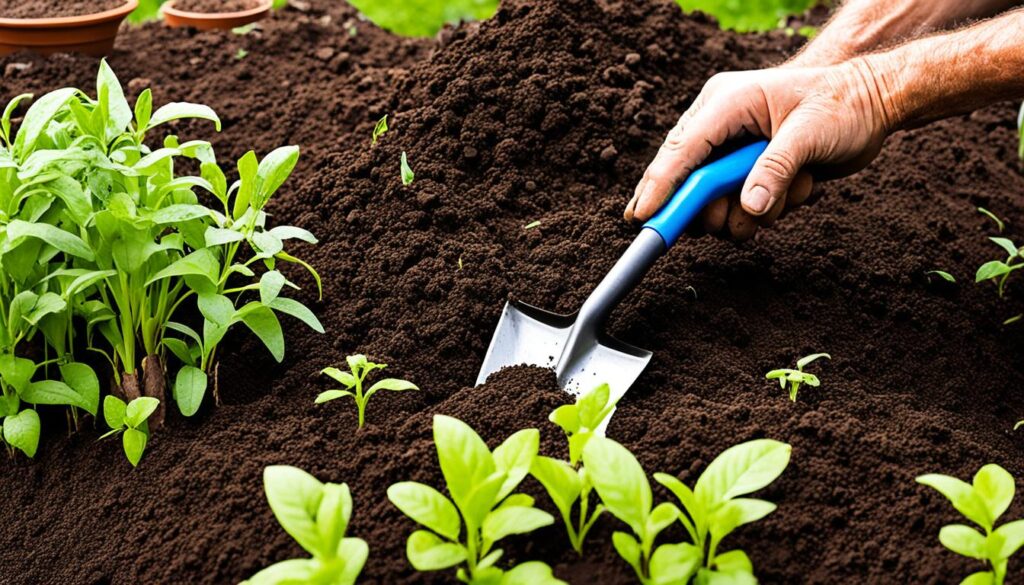
To address nutrient deficiencies, it’s important to use the right fertilizers. Consider using organic options such as compost, manure, or bone meal to provide a slow release of nutrients to your plants. Additionally, foliar sprays enriched with essential minerals can be applied directly to the leaves for quicker absorption.
Regular soil testing is crucial in determining the nutrient levels in your garden. You can send soil samples to a laboratory for testing or use a do-it-yourself soil test kit. These tests will help you identify the specific deficiencies and guide you in choosing the appropriate fertilizers or amendments to correct them.
Remember to follow the application instructions for fertilizers and amendments carefully, as applying too much can cause further issues. It’s essential to strike a balance and provide your plants with the necessary nutrients for healthy growth and vibrant foliage.
Overwatering
Overwatering can be a common cause of yellow leaves on plants, contributing to overall garden yellowing issues. When plants receive an excessive amount of water, their roots become waterlogged, leading to reduced oxygen uptake and nutrient absorption. This lack of oxygen and nutrient deficiency can result in the appearance of yellowing leaves.
In order to determine if your plants are being overwatered, there are a few signs to look out for. Firstly, check the soil moisture by inserting your finger into the soil up to the first knuckle. If the soil feels consistently wet or waterlogged, it may indicate that you are overwatering your plants. Another indication is the presence of standing water around the base of the plants.
To prevent the issue of overwatering and address yellowing leaves, it is important to establish a proper watering routine. Water your plants only when the top inch of soil feels dry to the touch. Ensure that your containers or garden beds have adequate drainage to allow excess water to escape. Consider using mulch to help retain moisture in the soil and reduce the need for frequent watering.
Closely monitoring your plants’ watering needs and practicing proper watering techniques will help prevent overwatering and promote healthy plant growth. By maintaining the correct balance of water, oxygen, and nutrients, you can keep your garden vibrant and free from the problem of yellowing leaves.

Underwatering
While overwatering is a common cause of yellowing leaves, underwatering can also lead to this issue in your garden. When plants do not receive sufficient water, they struggle to carry out essential functions like photosynthesis. This water deficiency can manifest as yellowing leaves.
Recognizing the signs of underwatering is crucial for addressing the problem and restoring your plants’ health. Common indicators of insufficient moisture include dry soil, wilted leaves, and slow growth. Additionally, plants may show signs of nutrient deficiencies, such as yellowing leaves with brown edges or spots.
To ensure your plants receive adequate moisture, it’s important to establish a consistent watering routine. Monitor your garden regularly and adjust watering frequency based on weather conditions. Remember, different plants have varying water requirements, so understanding the specific needs of your garden’s flora is essential.
One way to determine when to water is to test the soil. Insert your finger about an inch into the soil, and if it feels dry at that depth, it’s time to water. Avoid overwatering, as it can lead to other issues like root rot. Additionally, consider using mulch around the base of your plants to conserve moisture and reduce evaporation.
Proper drainage is also crucial for preventing underwatering. Ensure your pots and garden beds have sufficient drainage holes to allow excess water to escape. Use well-draining soil and avoid compacting the soil around the plants, as it can impede water absorption.
To maintain the health of your garden and prevent yellow leaves due to underwatering, it’s important to strike a balance with watering. By providing your plants with the right amount of water and creating optimal growing conditions, you can enjoy a vibrant and thriving garden.
Pest Infestations
Pest infestations can be a major cause of concern for gardeners, leading to various plant health issues, including yellowing leaves. Common garden pests such as aphids, mites, and caterpillars can wreak havoc on your plants, feasting on their tissues and depriving them of the nutrients they need to thrive. As a result, the affected plants often display signs of distress, including yellowing leaves that eventually wither and die.
Identifying and controlling pest infestations is crucial for maintaining the health and vitality of your garden. Regular inspection and monitoring of your plants can help you detect the early signs of pest activity. Look out for drooping leaves, curling foliage, distorted growth, and the presence of insects on your plants.

Once you have confirmed the presence of pests, it’s important to take action promptly to prevent further damage. There are several methods you can employ to control and eliminate garden pests:
- Natural Predators: Introduce beneficial insects, such as ladybugs and lacewings, which prey on common garden pests. These natural predators can help keep the pest population in check.
- Handpicking: For larger pests like caterpillars, manually removing them from the plants can be an effective method of control. Drop them into a bucket of soapy water to ensure they don’t return.
- Organic Sprays: There are organic insecticidal sprays available that target specific pests, providing an environmentally friendly option for pest control.
- Neem Oil: Neem oil is a natural pesticide that can be used to treat various pest infestations. It works by disrupting the pests’ feeding and reproductive cycle.
- Cultural Practices: Practices such as regular pruning, removing affected plant parts, and maintaining proper plant spacing can help reduce pest infestation by improving air circulation and minimizing favorable conditions for pests.
By employing these pest control strategies, you can effectively manage and prevent pest infestations, ensuring the health and longevity of your garden plants. Remember to monitor your garden regularly and take immediate action at the first signs of pest activity to minimize the risk of yellowing leaves and other related problems.
Disease
Plant diseases can be a major contributor to yellowing in your garden. Fungal infections, in particular, can attack different parts of the plant, including the leaves, stems, and roots, disrupting their normal functions and leading to yellow or discoloured foliage. These diseases can be a real headache for gardeners, as they not only affect the appearance of the plants but also impact their overall health and productivity.
There are several common diseases that can cause yellowing in your garden. One example is powdery mildew, a fungal disease that forms a powdery white coating on the leaves, causing them to turn yellow and eventually wither. Another common disease is leaf spot, characterized by the appearance of dark spots or lesions on the foliage.
Prevention is always better than cure when it comes to plant diseases. To minimize the risk of yellowing caused by diseases, it’s important to maintain a healthy garden environment. Good sanitation practices such as removing and disposing of infected plant material promptly can help prevent the spread of diseases. Proper watering techniques, such as avoiding overhead watering that can create the ideal conditions for fungal growth, are also essential.
If you notice yellowing leaves in your garden, it’s crucial to identify the specific disease causing the problem. This will help you implement the appropriate treatment methods. Fungicides can be used to control fungal infections, but it’s important to choose the right product for the specific disease affecting your plants. Additionally, ensuring proper air circulation around plants can help reduce humidity levels and prevent the development and spread of fungal diseases.
Remember, preventing diseases is always easier than dealing with the consequences. By practicing good plant care and staying vigilant for signs of disease, you can maintain the health and vibrancy of your garden.
Soil pH Imbalance
Imbalanced soil pH can be a significant factor contributing to the garden yellowing issue and the yellowing of leaves on plants. The pH level of your garden’s soil plays a crucial role in nutrient availability and uptake by plants. Some plants prefer acidic soil conditions, while others thrive in alkaline environments. If the soil pH is not suitable for your plants, they may experience nutrient deficiencies, leading to the yellowing of leaves.
Testing the soil pH is essential to determine its current balance. You can easily do this by using a soil testing kit available at most garden centers or by sending a sample to a professional laboratory for analysis. Once you know the pH level, you can take steps to adjust it accordingly.
To create the optimal growing environment for your plants, you may need to make adjustments. If your soil pH is too acidic, you can raise it by adding lime or wood ash to the soil. On the other hand, if your soil pH is too alkaline, you can lower it by incorporating organic matter such as compost or sulfur.
It’s important to note that adjusting soil pH takes time, so be patient with the process. Test your soil periodically and make any necessary amendments gradually to avoid sudden pH shifts that could shock your plants. By ensuring the soil pH is balanced and suitable for your plants, you can help prevent nutrient deficiencies and the yellowing of leaves, promoting overall plant health and vitality in your garden.
Remember to consider the specific pH requirements of the plants you are growing and adjust the soil accordingly. This will help create an optimum growing environment, promoting healthy growth and minimizing yellowing issues.
Temperature Stress
Extreme temperatures can be a significant cause of concern for gardeners. Whether it’s scorching hot or freezing cold, plants can experience stress that manifests as yellowing leaves. In high temperatures, plants can become dehydrated, leading to a lack of moisture for key plant functions. Additionally, excessive heat can damage chlorophyll, the essential pigment responsible for photosynthesis, resulting in yellowing leaves.
On the other hand, cold temperatures can also impact plant health. Chilled roots struggle to take up nutrients efficiently, leading to nutrient deficiencies and yellowing foliage. When faced with temperature extremes, plants divert energy away from leaf production towards survival mechanisms, resulting in yellow and unhealthy-looking leaves.
As a gardening enthusiast, I understand the importance of maintaining the optimal environment for plants to thrive. To mitigate the effects of temperature stress on your garden, here are some strategies to consider:
1. Shade and Protection
If you live in an area with scorching summers, providing shade for your plants can help protect them from intense sunlight and excessive heat. Consider using shade cloths, umbrellas, or strategically positioning your plants beneath trees or tall structures to create shade. This practice helps regulate the temperature and prevents water loss through evaporation, reducing the risk of yellowing leaves caused by extreme heat.
2. Watering Practices
During hot weather, increase watering frequency to ensure your plants receive adequate moisture. It’s important to note that the frequency of watering depends on your specific plants’ needs and your soil type. Check the moisture level by inserting your finger into the soil up to the second knuckle – if it feels dry, it’s time to water. Consistent and regular watering will help combat the dehydration that can lead to yellowing leaves.
3. Mulching
Applying a layer of organic mulch around your plants can help regulate soil temperature and moisture levels. Mulch acts as insulation, keeping the soil cooler during hot periods and warmer during cold spells. It also helps retain moisture, ensuring the roots have access to water for healthy growth. Be sure to leave a small gap between the mulch and the base of the plants to prevent moisture-related diseases.
By implementing these strategies, you can protect your plants from temperature stress and minimize yellowing in your garden. Remember, plants have different temperature sensitivities, so it’s crucial to understand the specific needs of each plant in your care. Providing a suitable environment will support their growth and promote vibrant, healthy foliage.
Improper Light Levels
Proper light levels are crucial for maintaining the health of your garden plants and avoiding yellowing leaves. Insufficient or excessive light can disrupt the photosynthesis process, resulting in plant stress and discoloration. Different plants have varying light requirements, with some thriving in direct sunlight and others preferring shade or indirect light.
Determining Light Requirements
To determine the light requirements of your plants, observe their natural habitat in the wild. Plants native to sunny regions typically require full sun exposure for several hours each day. On the other hand, plants from shaded areas may suffer in direct sunlight and thrive better in areas with filtered or indirect light.
Additionally, you can consult plant care guides or reputable gardening resources to understand the light preferences of specific plant varieties. These resources often provide recommendations on light levels, indicating whether a plant prefers full sun, partial shade, or full shade.
Solutions for Proper Light Levels
If your garden is experiencing yellowing issues due to improper light levels, consider the following solutions:
- Relocate the plants: If your plants are not receiving adequate light, consider moving them to a sunnier spot in your garden.
- Provide shade: For plants that are suffering from excessive sunlight and yellowing leaves, provide shade by using garden umbrellas or installing a shade cloth.
- Use grow lights: In situations where natural light is limited or unavailable, consider using artificial grow lights to supplement the light requirements of your plants.
By ensuring that your garden plants receive the appropriate amount of light based on their specific needs, you can promote healthy growth and prevent yellowing issues.

Inadequate Drainage
Poor drainage can be a significant cause of yellow leaves on plants in your garden. When water cannot properly drain from your garden beds or containers, the soil becomes waterlogged, creating an environment where the roots are at risk of rotting. Inadequate drainage can also lead to nutrient deficiencies, as the excess water dilutes the essential minerals needed for plant growth.
If your plants are experiencing inadequate drainage, they may exhibit yellowing leaves as a response to the waterlogged conditions. The lack of oxygen availability due to the excessive moisture can impair the plants’ ability to carry out essential functions, ultimately resulting in poor health and yellowing foliage.
To prevent yellowing caused by inadequate drainage, it is crucial to improve the drainage in your garden. Here are some helpful tips:
- Ensure that your garden beds are properly graded to allow water to flow away from the plants rather than accumulating around the roots.
- Consider using raised beds or containers with drainage holes to facilitate the expulsion of excess water.
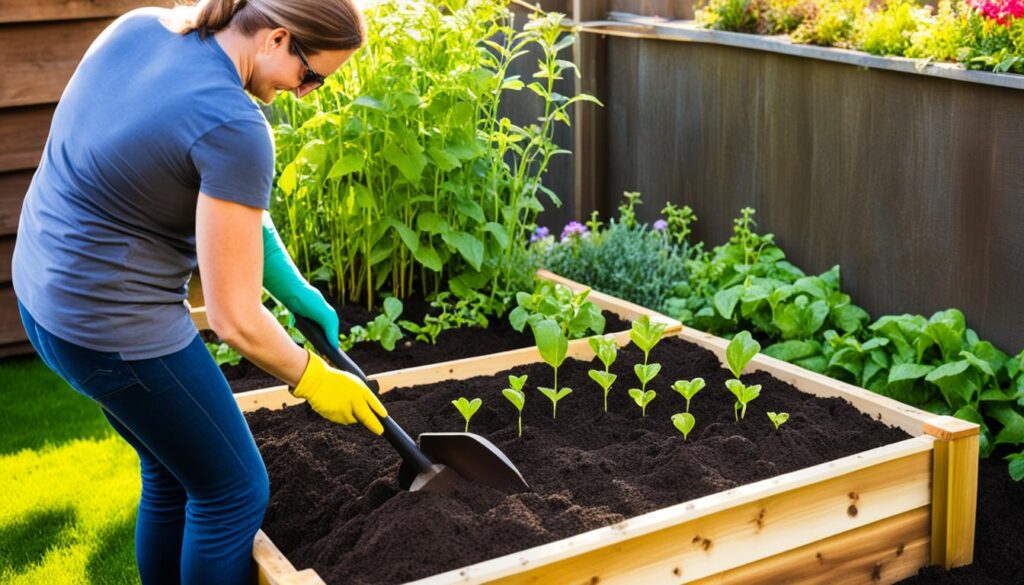
- Add organic matter, such as compost or well-rotted manure, to improve soil structure and drainage capabilities.
- Avoid overwatering your plants and water only when necessary, allowing the soil to dry out slightly between waterings.
- If water tends to pool in certain areas of your garden, consider installing a French drain or a drainage system to redirect excess water away from the plants.
By taking these measures to improve drainage in your garden, you can create a healthier growing environment for your plants and help prevent yellowing caused by waterlogged conditions.
Overfertilization
While nutrients are essential for plant growth, it’s important to be cautious about overfertilization. Applying too much fertilizer can have detrimental effects on your plants, including yellowing leaves. Overfertilization can lead to burning of plant roots and disrupt nutrient uptake, causing the leaves to turn yellow. To prevent this issue, it’s crucial to follow proper fertilization practices.
Guidelines for Proper Fertilization
- Read and follow the instructions on the fertilizer packaging carefully. This will help you understand the appropriate amount and frequency of application.
- Avoid using more fertilizer than recommended, thinking it will make your plants grow better. Stick to the recommended dosage to avoid overfertilizing.
- Consider using slow-release fertilizers that release nutrients gradually, providing a more balanced and sustained supply to your plants.
- Monitor the health of your plants regularly. If you notice any signs of nutrient deficiency or yellowing leaves, adjust your fertilization routine accordingly.
- Test your soil regularly to determine its nutrient levels. This can help you make informed decisions about fertilization and prevent overapplication.
By following these guidelines, you can ensure that your plants receive the right amount of nutrients without risking overfertilization. Remember, a balanced approach to fertilization is key to maintaining healthy and vibrant plants in your garden.
Conclusion and Tips for Maintaining Healthy Plants
Throughout this article, we have explored the various reasons why your garden may be turning yellow and the steps you can take to address these issues. By understanding the underlying causes, you can effectively restore your garden’s health and bring back its vibrant green appearance.
To maintain healthy plants and prevent yellowing, it is important to provide them with proper care and attention. Here are some general tips to help you keep your garden in top shape:
- Ensure your plants receive adequate nutrients by using a balanced fertilizer and regularly testing your soil’s pH levels.
- Water your plants appropriately, ensuring they neither suffer from overwatering nor underwatering.
- Protect your plants from pest infestations by monitoring for signs of damage and taking appropriate preventive measures.
- Practice good hygiene in your garden by removing diseased plants and maintaining clean gardening tools.
- Provide your plants with the right amount and intensity of light they need to thrive.
- Improve drainage in your garden beds and containers to prevent waterlogged soil.
- Avoid overfertilization, as it can harm your plants more than it helps.
Remember, a healthy garden is a happy garden. By following these tips and taking prompt action when you notice issues, you can enjoy a lush and thriving garden all year round.