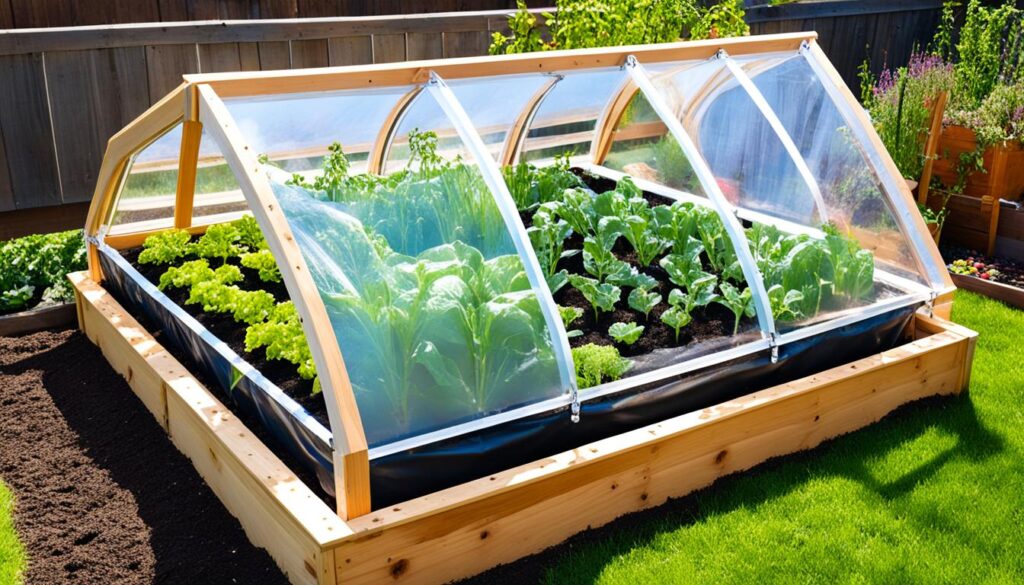

Vertical gardening is an innovative and highly productive growing system that utilizes limited space to its fullest potential. It offers a range of benefits, including improved air quality, increased accessibility, and insulation for homes. Not only does vertical gardening provide aesthetic appeal, but it also offers advantages such as reduced bending and kneeling, noise reduction, increased yield, better food safety, space-saving benefits, improved air circulation, reduced soil erosion, and reduced water usage. Vertical gardening is gaining popularity worldwide, with various initiatives and projects being implemented to promote its importance.
Key Takeaways:
- Vertical gardening optimizes limited space by utilizing vertical structures for plant growth.
- Vertical gardens provide numerous benefits, including improved air quality and insulation for homes.
- Vertical gardening offers advantages such as reduced bending, noise reduction, and increased yield.
- Vertical gardens promote better food safety and reduce soil erosion and water usage.
- Vertical gardening is gaining momentum globally with various projects and initiatives.
Benefits of Vertical Gardening
Vertical gardening offers a multitude of benefits, encompassing aesthetic, economic, physiological, and environmental advantages. Through this innovative approach, we can enhance food security by cultivating a range of fruits, vegetables, and herbs in limited spaces.
Vertical gardens also play a crucial role in improving air quality. By purifying the air, they effectively remove harmful pollutants and promote better indoor and outdoor air circulation. As a result, we can breathe cleaner, fresher air and create healthier living environments.
Another advantage of vertical gardens is their ability to serve as thermal insulation for buildings. By naturally regulating temperature, these gardens reduce the demand for power, thereby conserving energy and lowering utility costs. Not only do they provide functional benefits, but they also elevate the visual appeal of empty spaces, transforming them into lush, green areas that inspire and delight.
From an economic standpoint, vertical gardening offers compelling advantages. It requires reduced investment costs and entails minimal water and electricity consumption compared to traditional gardening methods. Additionally, the maintenance of vertical gardens is facilitated, resulting in reduced maintenance costs. Furthermore, their flexibility in rearrangement allows for easy adaptation and customization, ensuring that the gardens can evolve with individual preferences and needs.
Research has also shown that vertical gardens contribute to the well-being and efficiency of employees. Their presence in the workplace stimulates creativity and productivity, creating a pleasant and inspiring atmosphere.
Vertical gardening offers a holistic approach to gardening, providing numerous benefits that go beyond aesthetics and yield. By embracing this sustainable and space-saving method, we can enjoy the advantages of improved air quality, reduced energy consumption, enhanced well-being, and economic efficiency. It’s time to unlock the potential of vertical gardening and create a greener future for all.
Space-Saving Benefits of Vertical Gardening
When it comes to gardening in small spaces or congested urban areas, vertical gardening can be a game-changer. By growing plants vertically, you can optimize the use of limited space and create a lush garden even in the smallest of balconies, patios, or gardens.
Vertical gardening offers a range of space-saving benefits that can transform even the tiniest outdoor or indoor space. By leveraging vertical structures, such as walls or trellises, you can maximize your gardening area and grow a variety of plants, including vegetables, herbs, and flowers.
One of the key advantages of vertical gardening is its ability to create privacy screens. By strategically placing taller plants or utilizing climbing vines, you can create a natural barrier that offers both visual appeal and privacy.
The space-saving benefits of vertical gardening allow you to make the most of your available area without compromising on the variety of plants you can grow. Whether you have a green thumb or are just getting started, vertical gardening provides an opportunity to experiment with different plant species and enjoy a bountiful harvest, all while maximizing your space.

With the right techniques and creative ideas, vertical gardening opens up a world of possibilities for small-scale gardening enthusiasts. So don’t let limited space hold you back! Embrace the vertical gardening revolution and transform your small outdoor or indoor space into a thriving green oasis.
Improved Accessibility in Vertical Gardening
When it comes to gardening, vertical gardening is a game-changer for those with limited space or mobility. With its unique ability to utilize small areas, vertical gardening techniques enable individuals to grow a wide variety of plants even in the smallest of spaces. Whether you have a small patio, a balcony, or an indoor area, vertical gardening can be customized to suit your gardening needs.
What sets vertical gardening apart is its focus on accessibility. Designing vertical gardens with accessibility in mind ensures that individuals with limited mobility or those who use mobility aids such as wheelchairs or walkers can easily access their plants. Gone are the days of bending over or reaching to tend to your garden. With vertical gardening, you can enjoy a more comfortable and convenient gardening experience.
By utilizing space-saving techniques and incorporating raised beds or elevated containers, vertical gardening eliminates the need for strenuous physical activities often associated with traditional gardening methods. The plants are within easy reach, allowing individuals to care for their garden without any hassle.
Vertical gardening also offers the opportunity to incorporate assistive devices such as drip irrigation systems or automated watering systems, making it even easier to maintain your garden. By using these vertical gardening techniques, individuals with limited mobility can enjoy the therapeutic benefits of gardening and experience the joy of growing their own plants.
In addition to its accessibility benefits, vertical gardening creates a visually appealing display that can enhance any outdoor or indoor space. Imagine the beauty of vibrant flowers, lush greens, or delicious vegetables growing vertically, transforming even the smallest of areas into a stunning garden oasis.
So, whether you are passionate about gardening, have limited space, or face mobility challenges, vertical gardening techniques offer a practical and accessible solution. Start your vertical garden today and enjoy the beauty and joy of gardening, no matter the limitations.
Noise Reduction in Vertical Gardening
When it comes to creating a peaceful and tranquil environment, vertical gardening has more to offer than just beautiful plants. One of the often overlooked benefits of vertical gardening is its ability to reduce noise pollution in urban areas and busy roads.
Living in a noisy environment can negatively impact our well-being and overall quality of life. The constant noise from traffic, construction, and other urban activities can be overwhelming and stressful. However, by incorporating vertical gardens into our living spaces or workplaces, we can create a natural sound barrier that absorbs sound waves and reduces noise pollution.
Imagine stepping out onto your balcony or into your garden and being greeted by a lush vertical garden. As you relax surrounded by the greenery, you’ll notice a remarkable difference in the level of noise. The plants act as a buffer, softening the sounds and making your outdoor space much more peaceful.
Similarly, vertical gardens have a significant impact on indoor noise levels. They reduce echo and absorb sound waves, making them an ideal addition to home offices, bedrooms, or any area where noise reduction is important. With a vertical garden, you can create a quieter and more serene environment where you can concentrate, relax, and enjoy a peaceful atmosphere.
Enhancing Urban Spaces with Vertical Gardens
The benefits of noise reduction in vertical gardening extend beyond individual homes and indoor spaces. Urban areas are particularly affected by noise pollution due to their high population density and constant activity. Incorporating vertical gardens in urban spaces, such as city parks, public plazas, and rooftops, can significantly mitigate noise pollution and create more peaceful and enjoyable environments.
An urban vertical garden serves as an aesthetic addition to the concrete jungle, providing a visual respite as well as reducing noise levels. The vertical greenery absorbs and deflects sound waves, creating a more serene atmosphere for residents and visitors alike.
Vertical gardens can also be integrated into commercial and industrial spaces to minimize noise disturbance. By erecting vertical gardens along highways, near factories, or in crowded shopping areas, businesses can enhance the overall experience for customers and create a more pleasant environment for their employees.
Overall, noise reduction is just one of the many advantages of incorporating vertical gardens into our urban environments. These green spaces not only beautify the surroundings but also enhance our well-being by creating more peaceful and serene settings.
So whether you’re seeking a quiet oasis in your backyard or aiming to transform noisy urban spaces into tranquil retreats, vertical gardening offers a natural and effective solution.

Increased Yield in Vertical Gardening
Vertical gardening offers numerous advantages, including the ability to grow a greater number of plants in a smaller area. By utilizing vertical space, gardeners can maximize the yield per square foot, promoting healthy growth and higher yields. The strategic use of support structures such as trellises and stakes helps train plants to grow in specific patterns, further increasing their yield potential.
One of the key benefits of vertical gardening is the increased exposure to sunlight and air circulation. When plants are grown vertically, they receive more direct sunlight throughout the day, allowing for better photosynthesis and growth. Adequate air circulation also helps prevent the buildup of moisture, reducing the risk of fungal diseases and improving overall plant health.
Vertical Gardening Tips to Maximize Yield:
- Choose the right plants: Select varieties that are well-suited for vertical gardening, such as climbing beans, cucumbers, or vining tomatoes. These plants naturally thrive in vertical growing conditions.
- Proper spacing: Ensure that plants are spaced adequately to allow for optimal growth and airflow. Avoid overcrowding, as it can lead to competition for nutrients and limited light exposure.
- Regular pruning: Trim and prune plants as needed to remove any dead or diseased parts and to promote healthy growth. Pruning also helps redirect energy to essential areas, such as fruit production.
- Provide support: Install sturdy support structures, such as trellises or plant stakes, to assist plants in growing vertically. Training plants to grow along these structures helps prevent sprawling and maximizes space usage.
- Fertilize properly: Use organic fertilizers or compost to provide plants with essential nutrients. Apply fertilizers according to the specific needs of each plant variety to ensure optimal growth and yield.
- Maintain consistent watering: Monitor the soil moisture levels and water plants regularly to prevent under or over-watering. Vertical gardens tend to dry out faster, so it is essential to maintain adequate hydration for optimal plant growth.
By implementing these vertical gardening tips, gardeners can enjoy bountiful harvests and maximize the productivity of their vertical garden. Whether you are growing vegetables, herbs, or flowers, vertical gardening provides an efficient and space-saving solution for increasing yield and enjoying the rewards of your gardening efforts.
Better Food Safety in Vertical Gardening
Vertical gardening plays a crucial role in promoting better food safety. By embarking on this sustainable gardening practice, individuals have the opportunity to grow their own vegetables and herbs, ensuring that they are free from harmful chemicals and pesticides. With vertical gardening, you have full control over the growth environment, enabling you to create a clean and controlled space for your produce.
This method reduces the risk of foodborne illnesses that can occur due to the consumption of chemically-treated or contaminated produce. By eliminating the reliance on store-bought vegetables and herbs, you minimize the chances of exposure to potential contaminants. With vertical gardening, you have peace of mind knowing that your food is safe and free from harmful substances.
Vertical gardening is not only beneficial for food safety but also encourages healthier eating habits. When you have easy access to fresh, home-grown produce, it becomes more convenient to incorporate nutritious options into your daily meals. By having a sustainable source of fruits, vegetables, and herbs at home, it becomes easier to adopt a balanced and wholesome diet.
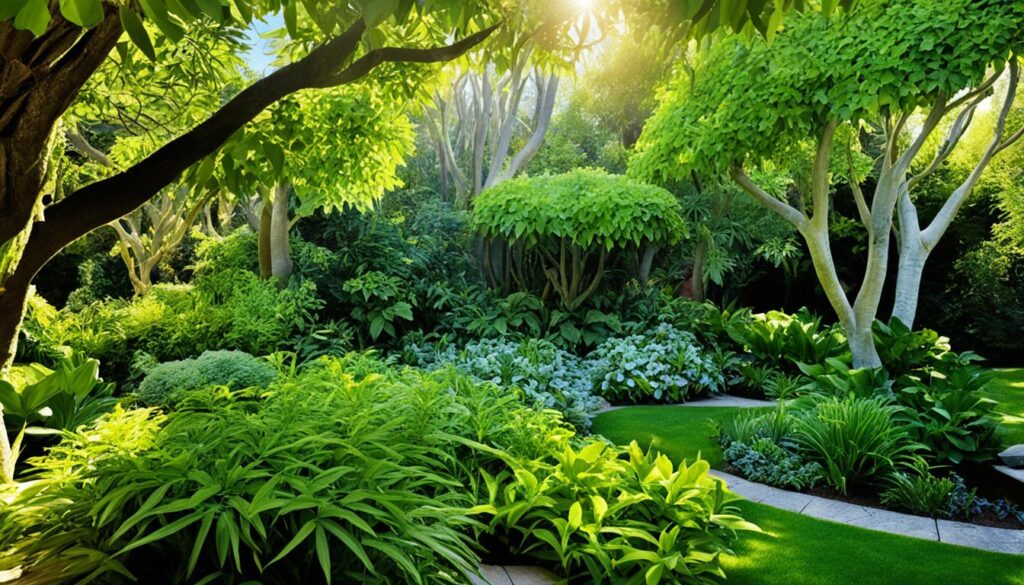
In the image below, you can see a thriving vertical garden, showcasing the abundance of produce that can be grown using this innovative gardening technique.

Less Soil Erosion in Vertical Gardening
Vertical gardening techniques offer a sustainable solution to reduce soil erosion compared to traditional gardening methods. By growing plants vertically, we can prevent soil erosion caused by heavy rain or wind. The use of support structures such as trellises and stakes keeps the soil in place and helps preserve its nutrients.
Vertical gardening contributes to the maintenance of healthy soil by reducing erosion and preventing runoff that can potentially contribute to water pollution. The vertical arrangement of plants ensures better soil retention and helps create an environment where plants can thrive and grow.
Vertical gardening’s ability to minimize soil erosion aligns with sustainability principles and promotes the health of our ecosystems. By implementing these techniques, we can create beautiful and productive gardens while protecting the environment.
Reduced Water Usage in Vertical Gardening
Vertical gardening offers significant advantages in terms of water conservation. By utilizing innovative techniques, we can create an efficient watering system that delivers water directly to the plant roots, minimizing water waste and preventing overwatering. This targeted approach not only reduces water consumption but also promotes better drainage and aeration, ensuring healthier plant growth.
One of the main benefits of vertical gardening is its ability to conserve water while still allowing for a lush and productive garden. Unlike traditional gardening methods, where water is applied to the entire soil surface, vertical gardening focuses water precisely where it’s needed, maximizing efficiency.
With vertical gardening, water is delivered directly to the roots through drippers or specialized irrigation systems, reducing evaporation and runoff. This targeted watering technique not only saves water but also helps prevent nutrient leaching, ensuring that plants receive the nutrients they need for optimal growth.
The reduced water usage in vertical gardening is particularly valuable in areas with water scarcity or during dry spells when water resources are limited. By implementing vertical gardening techniques, we can make a significant difference in water conservation efforts while still enjoying a thriving and sustainable garden.
Vertical Gardening Tips
- Install drip irrigation systems or use self-watering planters to ensure targeted watering.
- Use a moisture meter to monitor soil moisture levels and avoid overwatering.
- Choose drought-tolerant plants that require less water.
- Collect and reuse rainwater to water your vertical garden.
- Add mulch to retain soil moisture and reduce evaporation.
By implementing these vertical gardening tips, you can conserve water while maintaining a vibrant and thriving garden that brings joy and benefits to both you and the environment.
Advantages of Vertical Gardening
Reduced water usage is just one of the many advantages of vertical gardening. Beyond water conservation, vertical gardening offers benefits such as maximizing limited space, increasing accessibility, enhancing air quality, and promoting sustainable urban farming. With its numerous advantages, vertical gardening is an innovative solution that allows us to cultivate green spaces even in the most compact environments.
Initiatives and Projects for Vertical Gardening
Vertical gardening is gaining momentum worldwide, with numerous projects and initiatives being implemented. Countries like Italy and Mexico have already embraced vertical gardens, and plans are underway for more vertical gardening projects in China. In India, a vertical garden has been created in Bangalore, incorporating over 3,500 plants of different species. Developers and architects are incorporating vertical gardens into their designs to promote sustainability and make optimal use of limited space.
Vertical gardening initiatives are a reflection of the growing awareness of the benefits of sustainable practices. These projects not only enhance the aesthetics of urban spaces but also contribute to a greener and healthier environment. By integrating vertical gardens into architectural designs, buildings become showcases of sustainability and innovation.
One example is the Bosco Verticale in Milan, Italy. This architectural marvel consists of two residential towers with balconies that are covered in lush greenery. The vertical gardens provide shade, improve air quality, and create a vibrant ecosystem within the urban environment.
Another notable project is the Edificio Corporativo Bioconstrucción in Mexico City. This building incorporates vertical gardens on its facade, reducing heat gain and contributing to energy efficiency. The green walls also serve as a visual reminder of the importance of sustainable living.
Urban Redevelopment and Vertical Gardens
Urban redevelopment projects offer ideal opportunities for incorporating vertical gardens. The Grosvenor Estate in London, UK, has transformed a disused building into a sustainable vertical garden. This innovative project adds beauty to the urban landscape while improving air quality and reducing the urban heat island effect.
Developers and architects are increasingly adopting vertical gardening techniques in mixed-use developments. One notable example is the Oasia Downtown Hotel in Singapore. The building’s exterior incorporates lush vertical gardens that not only enhance the aesthetics but also provide natural ventilation and insulation, reducing the need for artificial cooling.
Vertical gardening projects such as these demonstrate the potential for sustainable urban development. By integrating green spaces into architecture, cities can create a more livable environment while promoting biodiversity and sustainability.
Economic Benefits of Vertical Gardening
Vertical gardening offers numerous economic advantages, making it an attractive option for businesses and urban farming initiatives. One of the key benefits is the space-saving advantages it provides. By utilizing vertical space, businesses can maximize the productive use of limited areas, allowing for more plants to be grown in a smaller footprint.
The reduction in investment costs and business risks is another significant advantage of vertical gardening. With vertical gardens, there is less need for expensive infrastructure and equipment, as the plants grow vertically rather than horizontally. This reduces the initial setup costs, making vertical gardening a more cost-effective option.
Furthermore, vertical gardening promotes sustainability by minimizing water and electricity consumption. Vertical garden systems are designed to efficiently direct water to the plant roots, reducing water waste and ensuring optimal hydration. Additionally, many vertical gardens incorporate automatic irrigation and control systems, further reducing water usage and maintenance costs.
Facilitated maintenance is another economic benefit of vertical gardening. The vertical arrangement of plants allows for easier access and maintenance, reducing the time and effort required to care for the garden. This can result in lower labor costs and increased productivity.
The flexibility in rearrangement is yet another advantage of vertical gardening. As business needs change or space requirements evolve, vertical gardens can be easily reconfigured or relocated to accommodate these changes. This adaptability allows businesses to optimize their use of space and maximize productivity.
Moreover, incorporating plants into the office environment through vertical gardening has been found to improve well-being and work efficiency. Research has shown that the presence of plants can reduce stress, boost mood, and enhance cognitive function. By creating a green and nurturing workspace, vertical gardening contributes to a healthier and more productive work environment.
With its space-saving advantages, reduced costs, minimal resource consumption, facilitated maintenance, flexibility in rearrangement, and positive impact on well-being and productivity, vertical gardening offers a range of economic benefits. For businesses, it is a valuable investment that contributes to sustainability and creates a more enjoyable and productive workspace.
Conclusion: The Importance of Vertical Gardening
Vertical gardening is a game-changer when it comes to maximizing space and promoting sustainability in gardening. Not only does it bring numerous benefits to individuals and the environment, but it also allows us to create beautiful and functional green spaces in our living and working areas.
One of the key advantages of vertical gardening is improved air quality. By incorporating vertical gardens, we can increase the amount of greenery, absorb pollutants, and improve the circulation of clean air. This not only benefits our health but also creates a more pleasant and refreshing environment.
In addition, vertical gardening offers space-saving advantages, reduced soil erosion, and reduced water usage. By growing plants vertically, we optimize limited space and protect the soil from erosion caused by heavy rain or wind. Furthermore, vertical gardening allows for efficient watering systems, minimizing water waste and ensuring sustainable water usage.
With its many benefits, such as improved air quality, reduced soil erosion, and increased accessibility, vertical gardening is a sustainable and practical approach to urban farming. By embracing vertical gardening ideas and tips, we can enhance the beauty of our surroundings, reap the rewards of a bountiful harvest, and contribute to a greener and more sustainable future.