
Bulbs are determined and resilient plants that can easily grow through mulch without any hinderance. Whether they are wild bulbs or those planted in gardens, mulch does not prevent bulbs from reaching the surface and growing. In fact, planting bulbs in a mulched bed can provide various benefits for their growth and overall health.
The purpose of mulch is not to smother bulbs, but rather to prevent the germination of weed seeds. It acts as a barrier, suppressing weed growth and reducing competition for resources. Additionally, mulch helps retain moisture in the soil, preventing it from drying out too quickly and ensuring a constant water supply for bulbs. It also provides insulation, protecting bulbs from extreme temperatures and fluctuations.
To ensure successful bulb growth through mulch, it’s important to consider the right planting depth, the addition of mycorrhizal inoculant, and proper watering. By following these tips, bulbs can thrive and grow effortlessly through the mulch.
Key Takeaways:
- Bulbs can easily grow through mulch without any problem.
- Mulch prevents weed germination and reduces competition for resources.
- Mulch helps retain moisture in the soil, providing a constant water supply for bulbs.
- Mulch acts as insulation, protecting bulbs from extreme temperatures.
- Proper planting depth, mycorrhizal inoculant, and watering are important for successful bulb growth in mulch.
Planting Bulbs in Mulched Beds
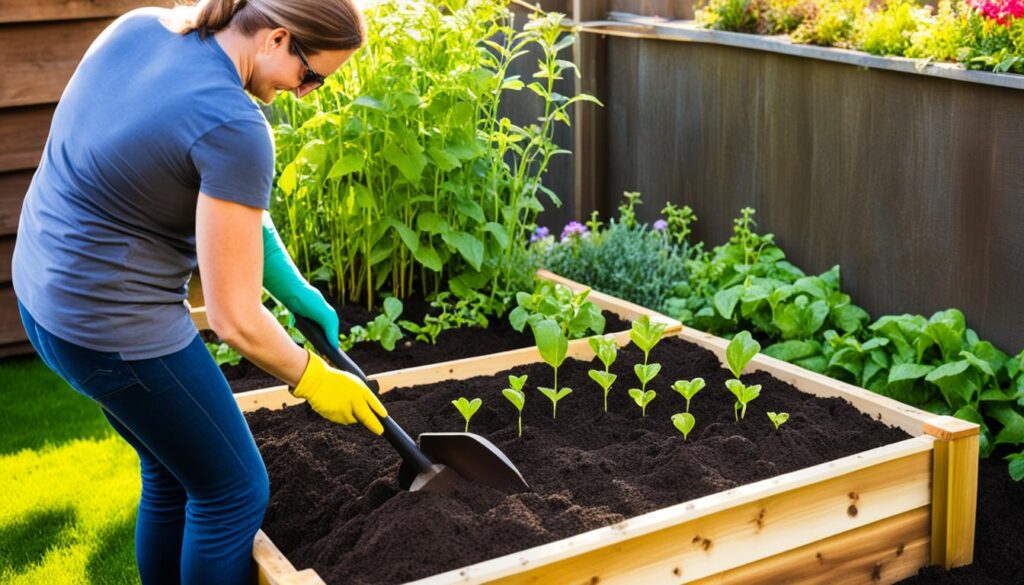
When planting bulbs in mulched beds, it’s essential to prepare the area properly to ensure successful growth. To start, temporarily move aside the mulch from the spots where you’ll be planting the bulbs. This allows easy access to the soil and ensures that the bulbs are planted at the recommended depth, generally about three times the height of the bulb.
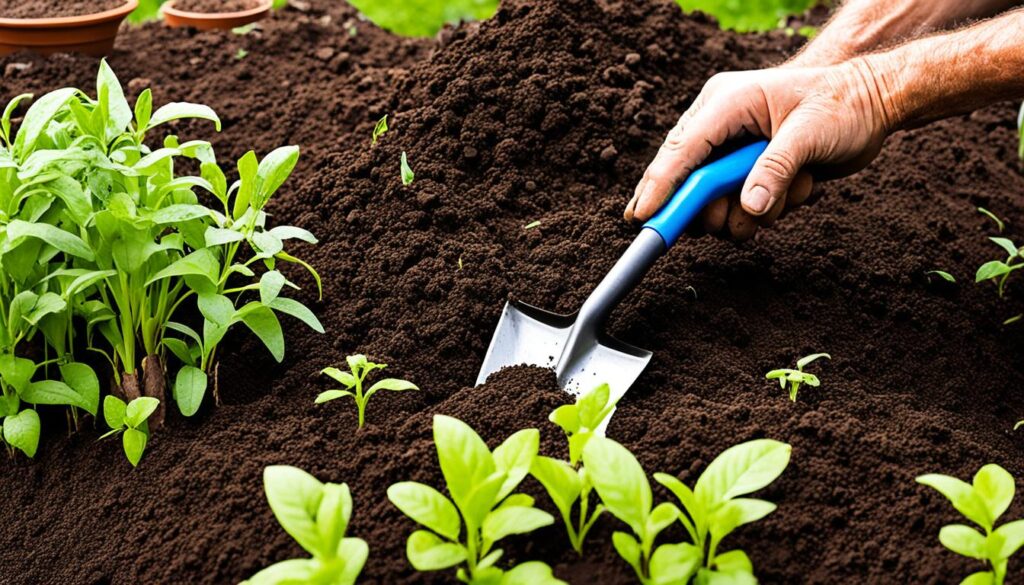
Once the mulch has been moved, it’s time to prepare the planting holes. If you want to give your bulbs an extra boost, consider adding a mycorrhizal inoculant to the bottom of each hole. This beneficial fungi forms a symbiotic relationship with the bulbs, aiding in nutrient uptake and overall plant health.
Gently place the bulbs in the holes, pointed side up, and cover them with soil. Be sure to firm the soil gently around the bulbs to ensure good contact. With the bulbs securely planted, replace the mulch around them, taking care not to bury the bulbs too deeply.
Tip: By using a bulb planter or auger, you can quickly and easily create planting holes in the soil, minimizing disruption to the mulch layer.
After planting, thoroughly water the area to help settle the soil and establish good root growth. This is especially important if your mulch layer is dry. With the right planting technique, bulbs can establish themselves in the mulched bed and effortlessly grow through the mulch to create a stunning display in your garden.
Benefits of Mulching Bulbs
Mulching bulbs offers a multitude of advantages for their health and growth. Let’s explore some of the key benefits of mulching bulb gardens.
Mulch for Bulb Health
Mulch plays a crucial role in maintaining the health of bulbs. By covering the soil surface around the bulbs, mulch acts as a protective layer, shielding them from extreme temperatures and fluctuations. This insulation helps to create a stable environment for bulbs to thrive and flourish.
Mulch for Soil Moisture Retention
Proper moisture retention is essential for the growth and survival of bulbs. Mulch acts as a natural barrier, preventing excessive evaporation of water from the soil. This helps to retain moisture levels and ensures that bulbs have a consistent water supply, even during dry periods or in areas with limited rainfall.
Mulch as Weed Prevention for Bulbs
In addition to promoting bulb health, mulch acts as an effective weed prevention mechanism. By forming a protective layer over the soil, mulch inhibits the germination and growth of weed seeds. This reduces the competition for resources such as water, nutrients, and sunlight, allowing bulbs to establish themselves without interference.
Mulching bulb gardens not only suppresses weed growth but also prevents bulbs and perennials from self-sowing, which can lead to overcrowding in the garden.
By preventing weeds from taking root, mulch helps bulbs to receive the necessary nutrients and sunlight required for their optimal growth. This leads to healthier and more robust bulb plants.
As you can see, mulch provides a range of benefits for bulb gardens. It helps them retain moisture, prevents weed growth, and provides insulation against extreme temperatures. By mulching your bulb beds, you can create a favorable environment for their growth and enjoy a stunning display of blooms in your garden.
Choosing the Right Mulch for Bulbs
When it comes to bulb planting, selecting the right mulch is crucial for promoting healthy growth and enhancing the aesthetics of your garden. Different types of mulch offer various benefits and cater to the specific needs of bulbs. Here are a few options to consider:
Organic Mulch for Bulbs
Organic mulches, such as compost, leaves, bark, or grass clippings, are excellent choices for bulb planting. As they break down, these mulches enrich the soil with valuable nutrients, providing a natural source of food for your bulbs. Additionally, organic mulches attract beneficial organisms like worms and beetles, which enhance soil structure and fertility, creating an optimal environment for bulb growth.
Inorganic Mulch for Bulbs
If you’re looking for a longer-lasting weed suppression solution, inorganic mulches are a great option. These mulches do not break down over time, ensuring weed control for an extended period. Some examples of inorganic mulches include rocks, gravel, plastic sheeting, landscape fabric, or rubber mulch. Consider the overall aesthetic of your garden and the specific needs of your bulbs when choosing the right inorganic mulch.
Remember to apply mulch at the recommended depth of 2-4 inches, ensuring bulbs have adequate insulation, weed suppression, and moisture retention. Proper mulching techniques play a crucial role in the successful growth of bulbs. So, choose the mulch that best suits your gardening goals and create an environment that allows your bulbs to thrive.

Proper Mulching Techniques for Bulbs
When it comes to mulching bulbs, applying the mulch properly is key to ensuring optimal growth. Here are some essential techniques to follow:
- Timing is crucial: Mulch should be applied after planting the bulbs. This allows the bulbs to establish themselves in the soil first.
- Depth matters: The mulch should be applied at a depth of 2-4 inches. This provides enough insulation, moisture retention, and weed suppression without smothering the bulbs.
- Avoid over-mulching: It’s important not to apply excessive mulch. Too much mulch can reduce the number of blooms each bulb produces and make it difficult for bulbs to emerge through the mulch layer.
“Applying the right amount of mulch ensures a balance between protecting the bulbs and allowing them to grow naturally.”
By following these mulching techniques, you can create an ideal environment for bulb growth. Remember, the goal is to provide insulation, retain moisture, suppress weeds, and allow the bulbs to thrive and emerge through the mulch layer. With proper mulching, your bulbs will flourish and create a stunning display in your garden.

Mulching Existing Mulched Beds
If you want to plant bulbs in a bed that is already mulched, there is no need to remove all the mulch. Simply move aside the mulch in the desired planting areas, plant the bulbs at the recommended depth, and then replace the mulch around the bulbs. This allows the bulbs to grow through the existing mulch without disturbance. It is important to ensure proper spacing between bulbs to prevent overcrowding. By mulching over the newly planted bulbs, you can provide them with the same benefits as if they were planted in a fresh mulched bed.

Benefits of Mulch for Soil Health
Mulch plays a crucial role in promoting soil health and creating optimal conditions for plant growth. Organic mulches, such as compost and well-rotted manure, act as natural soil conditioners. As these mulches break down, they enrich the soil with essential nutrients, improving its fertility and creating a nutrient-rich environment for plants to thrive. By incorporating organic mulch into your garden, you can ensure that your bulbs, as well as other plants, have access to the nutrients they need for healthy growth.
Another benefit of mulch is its impact on soil structure. Mulch helps to make the soil more moisture retentive and free-draining, providing plants with a balanced level of hydration. As the mulch breaks down, it also attracts beneficial soil organisms such as worms, beetles, and microorganisms. These organisms help aerate the soil, creating small tunnels and channels that allow water, air, and nutrients to reach the plant roots more easily. Improved soil structure contributes to healthier root systems and overall plant vitality.
Adding mulch to the soil also helps to regulate soil temperature. In the hot summer months, mulch acts as a protective layer, preventing excessive moisture loss due to evaporation and reducing soil temperature fluctuations. In colder months, mulch provides insulation, protecting plant roots from freezing temperatures. By maintaining a more stable soil temperature, mulch promotes healthy plant growth year-round.
“Mulch acts as a natural soil conditioner, enriching the soil with essential nutrients and creating a nutrient-rich environment for plants to thrive.”
In addition to its direct benefits for plants, mulch also helps to prevent weed growth. By creating a protective barrier on the soil surface, mulch inhibits the germination and growth of weed seeds. This reduces competition for resources such as water, nutrients, and sunlight, allowing your bulbs and other plants to flourish without being overshadowed by invasive weeds.
In summary, mulch offers numerous benefits for soil health. It acts as a soil conditioner, improving fertility and providing essential nutrients. Mulch also enhances soil structure, making it more moisture retentive, well-draining, and conducive to root growth. Additionally, mulch regulates soil temperature and suppresses weed growth, creating an ideal environment for bulb and plant growth. By incorporating mulch into your gardening practices, you can nurture healthy soil and promote the long-term vitality of your garden.
Common Concerns About Mulching Bulbs
Many gardeners have common concerns when it comes to mulching bulbs and its potential impact on their growth. However, these concerns are often unwarranted and based on misconceptions. Let me address some of these concerns and put your mind at ease.
Will Mulch Smother Bulbs?
The short answer is no. Mulch will not smother bulbs. In fact, bulbs are remarkably resilient plants that can grow through several inches of mulch without any issues. They have a natural ability to push their way up through the mulch to reach the surface and grow. So, there’s no need to worry about the mulch suffocating or impeding the growth of your bulbs.
Do Mulched Bulbs Grow?
Absolutely! Mulch does not hinder the growth of bulbs. On the contrary, it provides numerous benefits that can promote healthy growth and development. While mulch serves the purpose of preventing weed germination, it does not smother established plants like bulbs. With the right planting depth, mycorrhizal inoculant, and proper watering, your mulched bulbs will thrive and grow effortlessly.
Preventing Weed Growth Around Bulbs
One of the primary functions of mulch is to prevent weed growth around bulbs. By thoroughly weeding the flower bed before applying mulch, you can ensure that the weed seeds do not have a chance to germinate and interfere with the growth of your bulbs. Mulch acts as a protective barrier, suppressing weed growth and providing a clean, weed-free environment for your bulbs to flourish.
“Mulch will not smother bulbs; in fact, they are capable of growing through several inches of mulch without any issues.”
It is important to remember that mulching is essential for optimal growth and care for your bulb garden. By providing insulation, moisture retention, and weed prevention, mulch creates a favorable environment for the health and vitality of your bulbs.
Tips for Successful Bulb Planting in Mulch
To ensure successful bulb planting in mulch, follow these tips:
- Temporarily move aside the mulch to access the planting areas.
- Plant bulbs at the recommended depth, usually about three times the height of the bulb.
- Add a mycorrhizal inoculant to promote bulb growth.
- Cover the bulbs with soil and replace the mulch.
- Water the newly planted bulbs thoroughly.
By following these tips, you can ensure that bulbs thrive and grow through the mulch, resulting in a beautiful and healthy garden.
Conclusion
In conclusion, the planting of bulbs in mulch is a highly effective and beneficial practice for gardeners. Bulbs are resilient plants that can easily grow through mulch without any hindrance. By mulching bulb gardens, gardeners can enjoy a range of advantages, including effective weed suppression, moisture retention, and insulation for the bulbs.
Choosing the right mulch, applying it correctly, and considering soil health are all vital factors in ensuring successful bulb planting in mulch. By following proper mulching techniques and considering the specific needs of the bulbs, gardeners can create an optimal environment for their growth and guarantee a stunning bloom in their gardens.
Embrace the versatility and benefits of mulching bulb gardens, and watch your bulbs flourish in a beautiful and healthy garden. With proper care and attention, your bulbs will thrive and grow through the mulch, bringing vibrant colors and fragrant blooms to your outdoor space.