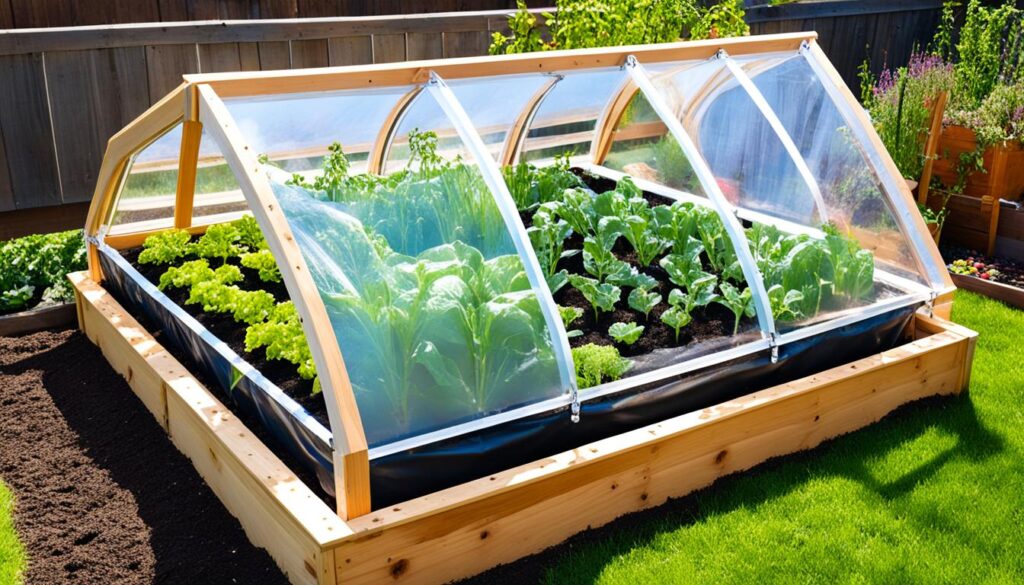

When growing plants in pots, it’s important to ensure proper drainage to avoid root rot caused by excessive moisture. The old myth of using rocks in the bottom of the pot to enhance drainage has been debunked. Instead, there are proven methods to increase drainage in pots, such as understanding the wicking ability of potting media and adjusting the composition of the growing medium. By increasing aeration and reducing water retention, we can create a faster-draining potting medium.
Key Takeaways:
- Proper drainage is crucial for growing healthy plants in pots.
- Avoid using rocks in the bottom of the pot as it does not improve drainage.
- Understanding the science behind drainage and adjusting the potting medium composition is essential.
- Materials like perlite, vermiculite, shredded bark, and moss can enhance drainage.
- Choose pots with drainage holes or add them manually for better drainage.
The Science Behind Drainage in Pots
When it comes to growing plants in pots, ensuring proper soil drainage is crucial for their health and well-being. Understanding the science behind drainage can help us improve the growing conditions for our potted plants and enhance their overall growth.
Water, being influenced by gravity, naturally flows to the lowest point. When we water our potted plants, some of the water will drain out of the pot, but a portion will be retained within the absorbent potting medium. This retained water is referred to as the perched water table, which can hinder drainage and lead to waterlogged soil.
“To improve soil drainage in pots, we need to reduce the wicking ability of the potting medium.”
For better drainage, we need to reduce the wicking ability of the potting medium. Wicking is the process by which water molecules move upwards through capillary action, driven by water’s cohesive and adhesive properties. By understanding the properties that enhance wicking, such as smaller particles and narrow air spaces, we can minimize the water’s ability to adhere to the potting medium and improve drainage in potted plants.
One way to enhance drainage is to use a potting medium with smaller particles. Fine particles create narrower gaps, reducing the water’s ability to flow easily and allowing it to drain more freely. Additionally, incorporating materials that create narrow air spaces, such as perlite, can further improve drainage in pots.
By adopting these soil drainage tips for pots, you can improve potting soil drainage and create an environment that promotes healthy root growth and minimizes the risk of water-related issues like root rot. Understanding the science behind drainage in pots empowers us to make informed decisions when it comes to enhancing drainage in potted plants.
Materials to Enhance Drainage
When it comes to improving drainage in potting media, there are several materials that can be used as amendments. These materials provide effective solutions for potting soil drainage, ensuring that potted plants thrive in the best possible conditions.
One popular material for enhancing drainage is perlite, a lightweight and highly porous substance produced by heating volcanic silicate rock. Its porous nature promotes aeration and drainage in the potting medium, creating an environment that allows excess water to flow freely. Perlite is also non-toxic and chemically inert, making it a safe choice for plants.
Another option to consider is vermiculite, a lightweight and porous material that helps retain water in the soil. While it may seem counterintuitive to include a water-retaining material in the context of drainage, vermiculite’s ability to hold moisture while still allowing excess water to drain away is valuable. It creates a balance between water retention and drainage, ensuring that the potting medium remains adequately moist without becoming waterlogged.
In addition to perlite and vermiculite, there are other materials that can enhance drainage in potted plants. Shredded bark is an organic option that allows water to pass through freely while offering some water-holding capacity. Peat moss, with its fibrous structure, improves aeration and drainage while retaining moisture. Long-fiber sphagnum moss, derived from a specific type of moss, contributes to improved drainage in the growing medium.
By incorporating these materials into the potting mix, gardeners can implement the best drainage practices for potted plants. These amendments provide effective solutions for ensuring proper drainage, creating an ideal environment for potted plants to thrive.
Debunking the Myth of Rocks in the Bottom of Pots
Placing a layer of rocks or gravel in the bottom of pots does not improve drainage. In fact, it can reduce the pot volume and push the perched water table upwards, leading to root rot.
Adding something underneath the potting medium does not change its physical properties, which are the determining factor for drainage. It’s important to rely on modifying the potting medium itself to create a custom-made, faster-draining mixture.
Signs of Poor Soil Drainage
Poor soil drainage can have detrimental effects on the health of potted plants. It is important to be able to recognize the signs of poor drainage in order to take appropriate action. One common indication is the appearance of yellow or brown leaves, which can be a result of root rot caused by waterlogged soil.
Root rot occurs when the air spaces in the soil become filled with water instead of oxygen, preventing the roots from absorbing nutrients properly.
Excess water and salts can also accumulate in containers with poor drainage, further stressing the plants. This can lead to stunted growth, wilting, and even plant death if not addressed timely. Additionally, overly wet soil provides a favorable environment for fungal growth and can attract insect infestations.
To ensure the health and vitality of your potted plants, it is crucial to identify signs of poor soil drainage and take prompt action to rectify the issue. Regularly inspect your plants for the following signs:
- Yellow or brown leaves: Discolored leaves can indicate root rot caused by waterlogged soil. If you notice this symptom, it is essential to take immediate steps to improve drainage.
- Stunted or slow growth: Plants with poor drainage may exhibit stunted growth or fail to thrive despite adequate care and attention.
- Wilting, even when adequately watered: If your plant is consistently wilting, it may be a sign that the root system is compromised due to poor drainage.
- Presence of mold or fungus: Excess moisture in the soil can encourage the growth of mold or fungus, which can harm your plants and spread to neighboring ones.
- Pest infestations: Wet soil conditions can attract pests such as fungus gnats, which can further damage your plants.
By being vigilant and responsive to these signs, you can proactively address poor soil drainage and prevent long-term damage to your potted plants.
Remember, prevention is better than cure. Ensuring proper drainage and taking preemptive measures will help keep your potted plants healthy and thriving.

Ensuring Proper Drainage in Containers
When it comes to potted plants, ensuring proper drainage is crucial for their overall health and well-being. Improper drainage can lead to waterlogged soil, which increases the risk of root rot and other water-related issues. In this section, I will share some essential tips on how to ensure proper drainage in containers, preventing root rot in your beloved potted plants.
Use Pots with Drainage Holes
The first step in ensuring proper drainage is to choose pots with drainage holes. These holes allow excess water to escape, preventing it from accumulating at the bottom of the pot. If you happen to have a pot without drainage holes, don’t worry! You can easily drill holes using a masonry drill bit to facilitate drainage.
Line the Bottom of the Pot
To further enhance drainage and prevent compost loss or blockage of drainage holes, consider lining the bottom of the pot with broken pieces of another pot or old newspaper. These materials act as a barrier, allowing water to pass through while retaining the soil.
Outdoor Planters and Plastic Liners
For outdoor planters, where excessive rainfall can pose a risk of waterlogging, using a plastic liner can be beneficial. Placing a plastic liner inside the planter creates an additional barrier that helps improve drainage and prevents the potting soil from becoming waterlogged.
Regular Repotting
Another essential practice for ensuring proper drainage is regular repotting. Over time, potting soil can become compacted, reducing its ability to drain properly. By repotting your plants annually, you can prevent waterlogging and promote healthy root growth.
“Proper drainage is vital for the health of potted plants. It helps prevent waterlogged soil, which can lead to root rot and other issues. By following these simple tips, you can ensure that your potted plants thrive and flourish.”
To sum up, proper drainage is essential for the well-being of your potted plants. By using pots with drainage holes, lining the bottom of the pot, considering plastic liners for outdoor planters, and regular repotting, you can prevent root rot and keep your plants happy and healthy.
Potting Soil Amendments for Better Drainage
Adding soil amendments is a great way to improve the drainage of potting soil. Two excellent options for enhancing drainage are perlite and vermiculite. These materials help create a more porous soil mix and prevent water from accumulating in the pot.
Perlite is a lightweight and highly porous substance made by heating volcanic silicate rock. It enhances aeration and drainage, allowing excess water to flow freely through the soil. Vermiculite, on the other hand, is also lightweight and porous but helps retain moisture. Both materials work together to create an ideal balance of drainage and moisture retention in the potting soil.
Aside from perlite and vermiculite, there are other amendments that can aid in improving soil structure and drainage in containers. Mulch is a popular choice as it helps prevent soil compaction, allowing water to permeate the soil more easily. Sand is another option that helps increase drainage by creating larger pores within the soil. Additionally, coco coir, made from coconut husks, is particularly beneficial as it contains perlite and volcanic glass, making the soil even more porous and improving drainage.
By incorporating these amendments into your potting soil, you can create an optimal environment for your plants to thrive. The improved drainage will prevent waterlogging and ensure that the roots have access to oxygen, nutrients, and water, promoting healthy growth.

Choosing the Right Planter for Drainage
When it comes to selecting planters for your beloved plants, it’s crucial to choose those that come with proper drainage holes. These holes allow excess water to escape and prevent the dreaded root rot. By ensuring proper drainage, we can provide optimal growing conditions and promote healthy root development.
However, if you have your heart set on a planter that doesn’t have drainage holes, don’t worry! You can easily add them yourself using a simple tool like a drill. By adding these drainage holes, you’ll create an escape route for excess water, preventing it from pooling and causing damage to your plants.
There is a wide variety of attractive and practical planter options available, made from different materials such as wood, zinc, stone, and Poly-Terrazzo. These options not only provide proper drainage but also add aesthetic appeal to your indoor or outdoor space.
When choosing a planter, consider the size and growth potential of your plants. Make sure the planter provides enough space for the roots to spread and grow. A cramped environment restricts root development and can lead to poor plant health. By selecting a planter that accommodates your plant’s needs, you are setting them up for success.
So remember, selecting planters with proper drainage is essential for the well-being of your beloved green friends. Whether you choose a planter with pre-existing drainage holes or add them yourself, you are creating an environment that promotes healthy growth and ensures the longevity of your plants.
The Role of Proper Drainage in Plant Health
Proper drainage plays a key role in the overall health and longevity of plants. Just like leaves need oxygen to breathe, plant roots also need oxygen to function properly. Waterlogged soil without proper drainage smothers the roots and prevents them from breathing. Oxygen-filled spaces in the soil are necessary for roots to absorb water and nutrients effectively. Poor drainage can result in root rot, stressed plants, and susceptibility to fungal diseases and pests.
When soil becomes waterlogged, the roots are deprived of oxygen, hindering their ability to uptake essential nutrients. As a result, plants may experience stunted growth, yellowing of leaves, and overall decline in health. Proper drainage allows excess water to flow through the soil, preventing the buildup of water and ensuring a sufficient oxygen supply to the roots.
The benefits of proper soil drainage extend beyond oxygen availability. Drainage allows excess salts to be flushed out of the soil, preventing the accumulation of harmful chemicals that can damage plant roots. It also helps to prevent waterborne diseases caused by stagnant water, reducing the risk of fungal infections and root rot.
Improving soil drainage is particularly important in potted plants, as they are more susceptible to waterlogging due to the restricted area for water to escape. By ensuring proper drainage, potted plants can have healthier root systems, which in turn promotes strong and vibrant growth.
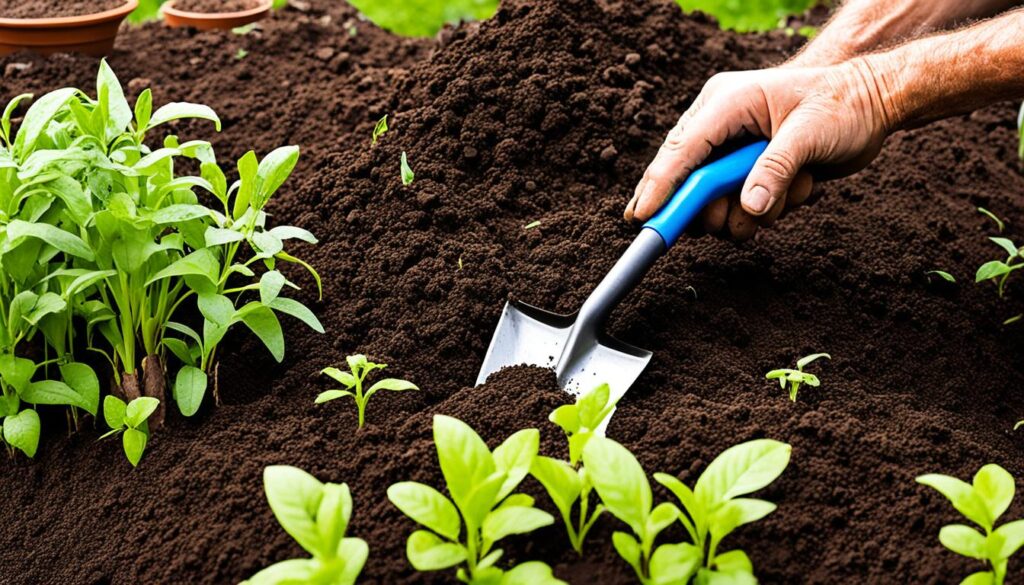
To illustrate the role of proper drainage in plant health, take a look at the image below:

As you can see, the image depicts a plant in a well-drained potting mix. The water is able to flow through the soil, ensuring that the roots have access to the necessary oxygen and nutrients for optimal growth. In contrast, a plant in poorly drained soil would struggle to thrive, with the roots being suffocated by excess moisture.
The importance of drainage for plant growth cannot be overstated. By providing an environment that allows roots to breathe and absorb nutrients effectively, proper soil drainage supports healthy plant development and helps to prevent common issues like root rot. Implementing practices to enhance drainage, such as using well-draining potting mix and containers with drainage holes, is crucial for the overall well-being of your plants.
Tips for Improving Potting Soil Drainage
Improving the drainage of potting soil is crucial for the health and well-being of your potted plants. Here are some important tips to enhance the drainage in your pots:
- Choose the right potting mix: Opt for a well-draining potting mix that is specifically formulated for the types of plants you are growing. Look for a mix that contains ingredients like perlite, vermiculite, or coco coir, as they improve drainage.
- Amend the soil: If you are using a pre-made potting mix and still experiencing drainage issues, consider adding amendments like coarse sand or perlite to increase the overall porosity of the soil.
- Use containers with drainage holes: Always select pots or containers that have drainage holes. These holes allow excess water to escape, preventing waterlogging and promoting better drainage.
- Elevate the pots: Placing your pots on feet or bricks can help improve drainage by allowing excess water to drain freely, preventing water from pooling around the roots.
- Avoid overwatering: Providing the right amount of water is essential for good drainage. Avoid overwatering your potted plants, as this can lead to waterlogged soil and root rot. Only water when the top inch of the soil feels dry.
- Monitor container size: Ensure that the size of your pot is appropriate for the plant’s size. Using an overly large container can lead to water retention, while a too-small container can restrict root growth and hinder drainage.
- Inspect the drainage holes: Regularly check the drainage holes in your pots to make sure they are not blocked by soil or debris. Clear any obstructions to maintain proper drainage.
- Raise the pot: Elevating your pot slightly by placing it on a saucer or tray with pebbles can help improve drainage by allowing air circulation underneath the pot.
- Consider the plant’s water needs: Different plants have different water requirements. If you have a collection of potted plants, group together those with similar watering needs to ensure optimal drainage for each plant.
Note: Remember that proper drainage is just as important as watering when it comes to the health of your potted plants. Investing time and effort into improving soil drainage will reward you with thriving, healthy plants that can better withstand various environmental conditions.
Conclusion
In conclusion, improving soil drainage in pots is crucial for maintaining the health and vitality of potted plants. By understanding the science behind drainage and implementing the right techniques, gardeners can create an optimal environment for their plants to thrive.
Firstly, it is important to choose the right amendment materials to enhance drainage. Materials such as perlite, vermiculite, shredded bark, peat moss, and long-fiber sphagnum moss can greatly improve the aeration and drainage properties of potting media.
Secondly, ensuring proper container drainage is essential. Using pots with drainage holes allows excess water to escape, preventing waterlogging and root rot. For pots without drainage holes, drilling them manually or using a plastic liner can help improve drainage.
Lastly, it is crucial to monitor plant health for signs of poor drainage. Yellow or brown leaves can indicate root rot caused by waterlogged soil. By promptly addressing any drainage issues and providing ample oxygen and nutrient availability, gardeners can create a healthy and vibrant environment for their potted plants.