
Growing your own flowers can be a rewarding and sustainable hobby that beautifies your backyard. In this article, I will share my top tips on how to start your own backyard flower farm in the UK. Discover the joys of sustainable flower farming and transform your garden into a beautiful and productive space.
Key Takeaways:
- Starting a backyard flower farm allows you to enjoy the beauty of fresh blooms while being environmentally friendly.
- Choose flower varieties that are well-suited for small scale production in your backyard.
- Prepare your soil using sustainable gardening techniques to optimize flower growth.
- Learn the best practices for starting seeds and transplanting seedlings for successful growth.
- Proper watering and irrigation techniques are essential for the health and vitality of your flowers.
Choosing the Right Flower Varieties
When starting a backyard flower farm, one of the key decisions you’ll make is choosing the right flower varieties. Selecting flowers that are well-suited for small-scale production is essential for a successful flower farm. In this section, I will guide you through the process of selecting the perfect flowers for your backyard farm.
When considering flower varieties, it’s important to take into account factors such as your local climate, available space, and the specific market demand for certain types of flowers. By choosing the right varieties, you can optimize your flower production and meet the needs of your target audience.
Here are some flower growing tips to help you make the best selection for your small-scale flower farm:
1. Research Local Growing Conditions
Begin by researching the specific growing conditions in your area. Consider the average temperature, rainfall patterns, and soil composition. This information will help you identify flower varieties that thrive in your local climate, ensuring better success rates and healthier plants.
2. Consider Market Demand
Research the market demand for different types of flowers in your area. Identify popular flowers that are in high demand throughout the year. By growing flowers that are sought after by customers, you can increase your chances of selling your blooms and generating a steady income from your small-scale flower farm.
3. Choose Flowers with a Long Bloom Period
Opt for flower varieties that have a long bloom period. This means that the flowers will continue to produce blooms for an extended period, allowing you to enjoy a steady supply of fresh-cut flowers. Examples of flowers with a long bloom period include zinnias, calendulas, and dahlias.
4. Consider the Space Available
Assess the space you have available for flower production. If you have limited space, opt for compact varieties or flowers that can be grown vertically, such as climbing roses or sweet peas. This will maximize your production even in small areas.
5. Take Maintenance Requirements into Account
Consider the maintenance requirements of different flower varieties. Some flowers may require more care and attention than others. If you have limited time or resources, choose low-maintenance flowers that are easier to care for, such as marigolds or sunflowers.
By following these flower growing tips and considering your specific circumstances, you can choose flower varieties that are perfect for small scale production on your backyard flower farm. With the right flowers, you’ll be on your way to creating a beautiful and productive space.
Preparing the Soil for Flower Farming
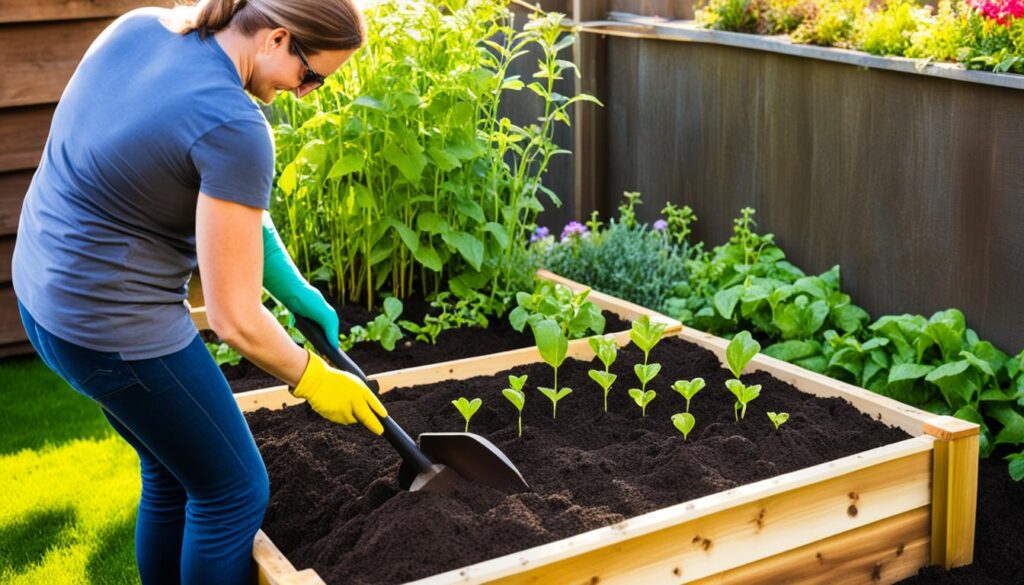
Before you embark on your sustainable flower farming journey, it is essential to lay a strong foundation by properly preparing your soil. By following these backyard gardening ideas, you can ensure that your flowers have the best chance of thriving.
1. Start with Soil Testing
To understand the needs of your soil and determine any deficiencies, begin by conducting a soil test. This will provide valuable insights into the pH level, nutrient content, and organic matter present in your soil. Based on the results, you can tailor your soil preparation plan accordingly.
2. Clear the Area and Remove Weeds
Clearing the area where you plan to cultivate your flowers is critical. Remove any existing vegetation, including weeds, to prevent competition for nutrients and space. This will minimize the risk of pests and diseases as you establish your flower farm.
3. Enhance Soil Fertility
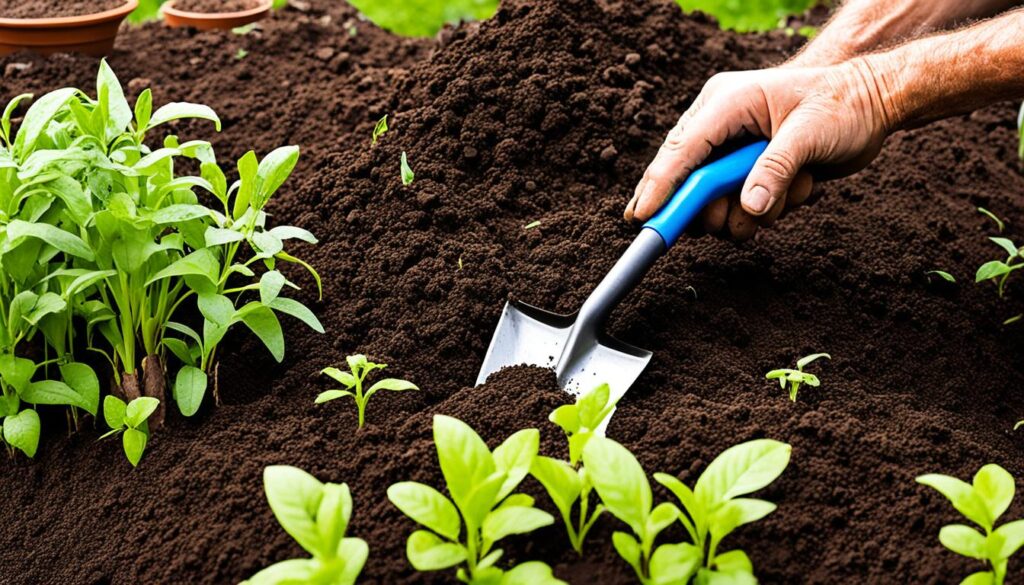
Backyard gardening ideas for sustainable flower farming involve improving soil fertility through organic matter. Incorporate well-rotted compost, aged manure, or leaf mold into the soil. These natural amendments will enhance nutrient availability, drainage, and water retention, providing a favorable environment for your flowers to grow.
4. Loosen and Aerated Soil
Loose, well-aerated soil is vital for root development and nutrient absorption. Use a garden fork or tiller to break up compacted soil and promote healthy root growth. This will also ensure proper drainage, preventing waterlogging that could lead to root rot.
5. Maintain Soil Moisture
Flower farming requires consistent soil moisture, but overwatering can be detrimental to plant health. Mulching your flower beds with organic materials, such as straw or wood chips, can help retain soil moisture while reducing weed growth. This practice also enhances soil structure and prevents erosion.
6. Consider Crop Rotation
Implementing crop rotation in your backyard flower farm can prevent nutrient depletion and minimize pest and disease buildup. Rotate your flower varieties each season to balance nutrient demands and reduce the risk of soil-borne pathogens.
7. Regularly Monitor and Amend
Continuously monitor your soil’s health by observing plant growth and color. If you notice any deficiencies or imbalances, amend the soil accordingly. This may involve adjusting the pH level with organic additives or replenishing specific nutrients as needed.
By following these sustainable flower farming practices, you can create a nutrient-rich environment that supports optimal flower growth and blooms. Prepare your soil well, and you’ll be well on your way to a successful backyard flower farm.
Seed Starting and Transplanting
Starting your flower seeds and transplanting them into your backyard flower farm is an exciting and rewarding process. By following proven techniques, you can ensure the success of your small-scale flower production. In this section, I will share valuable flower growing tips and tricks to help you develop strong and healthy seedlings.
1. Choose the Right Seeds
Selecting the right seeds is crucial for successful seed starting. Consider the specific flower varieties that thrive in your region and are suitable for small-scale production. Look for seeds that are well-suited for your growing conditions and provide the desired colours, shapes, and sizes for your bouquets.
2. Prepare the Seed Starting Mix
For optimal seed germination, create a well-draining seed starting mix. Combine equal parts of peat moss, vermiculite, and perlite to create a lightweight yet moisture-retentive medium. This will provide your seeds with the necessary nutrients and support for healthy growth.
3. Sow the Seeds
Follow the specific planting instructions provided on the seed packet. Some seeds may require stratification or scarification before sowing. Make small, evenly spaced holes in the seed starting mix and gently place the seeds in them. Cover the seeds with a thin layer of the seed starting mix and water gently to provide moisture.
4. Provide Adequate Light
After sowing the seeds, it’s crucial to provide them with adequate light for healthy growth. Place the seed trays in a location that receives bright, indirect sunlight or use artificial grow lights if natural light is limited. Ensure the seedlings receive 12-16 hours of light each day to prevent them from becoming leggy.
5. Maintain Proper Watering
Proper watering is essential to prevent under or overwatering your seedlings. Use a spray bottle or a gentle watering can to moisten the seed starting mix evenly. Ensure that the mix remains consistently moist but not waterlogged. Avoid letting the soil dry out completely, as this can lead to poor germination.
6. Thin Out and Transplant Seedlings
Once the seedlings have developed their first set of true leaves, it’s time to thin them out. Remove weaker seedlings, leaving only the strongest and healthiest ones. Transplant the seedlings into individual pots or trays, providing them with enough space to grow. Handle the seedlings carefully to avoid damaging the delicate roots.
7. Harden Off Seedlings
Prior to transplanting your seedlings into the garden, it’s essential to harden them off. Gradually expose the seedlings to outdoor conditions, starting with a few hours of sunlight and gradually increasing the time each day. This process helps the seedlings acclimate to the outdoor environment and reduces transplant shock.
By following these seed starting and transplanting tips, you can ensure the establishment of strong and healthy seedlings in your backyard flower farm. In the next section, we will explore the importance of proper watering and irrigation techniques for sustainable flower farming.
Proper Watering and Irrigation
Watering is a crucial aspect of sustainable flower farming and essential for the success of your backyard garden. Providing your flowers with the right amount of water at the right time can promote optimal growth and prevent common watering mistakes.
1. Understanding the Water Needs of Your Flowers
Each flower variety has different water requirements, so it’s important to understand the specific needs of the flowers you are growing. Some flowers, like dahlias, prefer moist soil, while others, like lavender, thrive in drier conditions. Research the water preferences of the flowers you have chosen for your garden and adjust your watering routine accordingly.
2. Watering Frequency
The frequency of watering depends on several factors, including the climate, soil type, and time of year. As a general rule, it’s better to water deeply and less frequently rather than shallowly and frequently. This encourages the plants’ roots to grow deeper, making them more resilient to drought and promoting healthier overall growth.
Regularly monitor the moisture levels of your soil by sticking your finger a few inches into the ground. If it feels dry, it’s time to water. Be mindful not to overwater, as excessive moisture can lead to root rot and other issues.
3. Watering Techniques
Apply water directly to the soil around the base of the plants to ensure it reaches the roots where it is needed most. Watering from above, such as with a sprinkler, can result in water wastage and increase the risk of fungal diseases. Consider using a drip irrigation system or a soaker hose for efficient and targeted watering.
4. Timing
The timing of your watering sessions can make a difference in the health and productivity of your flowers. It’s best to water your plants early in the day, preferably in the morning, as this allows the foliage to dry before evening. Moist foliage during the night can lead to disease and pest problems. Avoid watering in the heat of the day, as it can cause water to evaporate quickly, reducing its effectiveness.

5. Mulching
Applying mulch around your plants can help conserve moisture by reducing evaporation and suppressing weed growth. Organic mulches, such as straw or wood chips, also improve soil fertility as they break down over time.
6. Rainwater Harvesting
Consider implementing a rainwater harvesting system in your backyard to collect and store rainwater for irrigation purposes. Using harvested rainwater is not only sustainable but also free from harmful chemicals and minerals found in tap water, which can impact plant health.
By following these guidelines, you can ensure that your flowers receive the right amount of water for optimal growth and achieve success in your sustainable flower farming and backyard gardening endeavors.
Pest and Disease Management
As a flower farmer, one of the key challenges you’ll face is dealing with pests and diseases that can harm your precious blooms. However, with the right knowledge and tools, you can effectively manage and prevent these issues, ensuring the health and vitality of your small-scale flower production.
When it comes to pest control, organic methods are not only environmentally friendly but also safe for beneficial insects and pollinators. Integrated Pest Management (IPM) techniques are highly recommended for flower growing tips and small-scale flower production in the UK. IPM involves monitoring pests, identifying their lifecycle stages, and using organic measures to control them with minimal environmental impact.
1. Identify Common Flower Pests
Understanding the specific pests that commonly affect flowers is crucial for effective management. Some common pests you may encounter include aphids, snails, slugs, caterpillars, and thrips. By learning to recognize these pests, you can take timely action to prevent their population from getting out of control.
2. Cultural Methods for Pest Prevention
Implementing cultural methods is an essential step in preventing pest problems. These methods involve creating a healthy and balanced growing environment for your flowers. Here are some flower growing tips to incorporate:
- Plant a diverse range of flowers to attract beneficial insects that prey on pests.
- Practice proper spacing between plants to encourage airflow and minimize the risk of disease spread.
- Keep your flower beds clean by removing weeds and debris, as they can harbor pests.
- Rotate your flower crops annually to discourage the build-up of specific pests and diseases.
3. Natural Pest Control Methods
When pests do strike, it’s important to have effective organic pest control methods in your arsenal. Here are some natural approaches to consider:
- Handpicking: Check your flowers regularly for pests and manually remove them to prevent infestation.
- Biological controls: Introduce predatory insects, such as ladybugs and lacewings, to control aphids and other pests.
- Organic sprays: Mix homemade solutions like neem oil, garlic oil, or soap spray to deter pests.
4. Disease Prevention Strategies
Diseases can also pose a threat to your flower farm. To minimize the risk, follow these disease prevention strategies:
- Plant disease-resistant flower varieties whenever possible.
- Avoid overhead watering to prevent the spread of fungal diseases.
- Regularly sanitize your tools and equipment to prevent the transmission of diseases.
- Practice crop rotation to break disease cycles.
- Remove and destroy infected plants to prevent the spread of diseases.
By implementing these pest and disease management techniques, you can ensure the health and productivity of your small-scale flower production. Stay vigilant, take preventative measures, and enjoy the beauty of your thriving flower farm.
Harvesting and Post-Harvest Care
As a sustainable flower farmer and aspiring floral business startup, it’s essential to know the proper techniques for harvesting flowers to maximize their vase life. In this section, I will guide you through the steps of harvesting and provide valuable tips on post-harvest care, including cleaning, conditioning, and storing your blooms for optimal freshness.
Harvesting Flowers
When it comes to sustainable flower farming, timing is crucial. As flowers reach their peak bloom, it’s time to harvest them. Use clean and sharp pruners or scissors to cut the stems at a 45-degree angle, ensuring a clean cut that won’t pinch or crush the stem.
It’s important to harvest flowers in the early morning or late evening when the temperatures are cooler. This helps prevent wilting and ensures that the blooms are well-hydrated. Avoid harvesting flowers under direct sunlight, as they can lose moisture quickly.
When deciding which flowers to harvest, look for flowers that have fully opened petals with vibrant colors. Gently inspect the blooms for any signs of damage or pests, and remove any damaged or discolored petals before harvesting.
Post-Harvest Care
Proper post-harvest care is essential for extending the vase life of your flowers and maintaining their quality. Here are some essential steps to follow:
- Immediately after harvesting, place the flowers in a clean bucket or container filled with fresh water. Remove any excessive foliage that may sit below the waterline.
- Allow the flowers to hydrate in the bucket for a few hours in a cool, dark room. This allows them to rehydrate and regain their turgidity.
- After the initial hydration period, it’s crucial to clean the flowers thoroughly. Gently rinse them under cool running water to remove any dirt, debris, or pests that may be present.
- Once cleaned, prepare a clean vase or container with fresh water. Add floral preservative to the water to provide nutrients and help extend the life of the blooms.
- Trim the stems at a sharp angle, cutting off about an inch from the bottom. This helps to remove any blocked vessels and enhances water uptake.
- Arrange the flowers in the vase, ensuring that no foliage enters the water. Display the blooms away from direct sunlight, drafts, and ripening fruit to prevent premature wilting.
Proper post-harvest care doesn’t end there. Regularly check the water level in the vase and replenish it as needed. Remove any wilted flowers or foliage to prevent the spread of bacteria. By consistently practicing these post-harvest care techniques, you can greatly prolong the vase life of your cut flowers and maintain their overall quality.

With a commitment to sustainable flower farming and careful post-harvest care, you can delight your customers with fresh and long-lasting blooms. In the next section, I will guide you through the process of marketing your flowers and starting your own successful floral business.
Marketing Your Flowers
Now that you have a bountiful flower harvest, it’s time to showcase your beautiful blooms and turn your passion for flowers into a thriving floral business. Effective marketing strategies are essential for attracting potential customers and building a loyal customer base. In this section, I will share valuable ideas and strategies to help you successfully launch your floral business startup and reach your target audience.
1. Create a Captivating Website
As a floral business owner, having a visually appealing and user-friendly website is crucial for showcasing your unique flower arrangements and services. Ensure that your website is mobile-friendly and optimized for search engines to improve its visibility. Include high-quality images of your flowers, a captivating description of your floral business, and easy-to-use contact forms for inquiries and orders.
2. Leverage Social Media Platforms
Social media platforms offer a powerful tool for promoting your floral business startup and engaging with potential customers. Create captivating social media profiles on platforms such as Instagram, Facebook, and Pinterest to showcase your floral designs, share gardening tips, and post behind-the-scenes content. Interact with your followers by responding to comments and messages promptly.
3. Collaborate with Local Businesses
Collaborating with local businesses can help expand your customer reach and establish your floral business within the community. Partner with event planners, wedding venues, restaurants, and cafes to provide floral arrangements for their customers. Offer special promotions and incentives for referrals to encourage ongoing partnerships.
4. Attend Farmers Markets and Craft Fairs
Farmers markets and craft fairs provide excellent opportunities to showcase your flowers directly to potential customers. Set up an eye-catching booth and display a variety of bouquets and flower arrangements. Engage with visitors, provide information about your floral business, and distribute business cards or brochures to encourage future orders.
5. Offer Subscription Services
Subscription services are a great way to establish a regular customer base and provide recurring revenue for your floral business. Offer weekly, bi-weekly, or monthly flower subscriptions to individuals, businesses, or for special occasions. Promote the convenience and joy of receiving fresh, seasonal blooms regularly.
6. Collaborate with Local Florists
Partnering with established local florists can help boost your reputation and exposure in the floral industry. Collaborate with florists who share a similar aesthetic and style, and offer them unique flower varieties or exclusive designs. This collaboration can lead to cross-referrals and opportunities for joint marketing campaigns.
7. Use Online Marketplaces
List your floral products on online marketplaces dedicated to handmade goods and local businesses. Platforms like Etsy, Notonthehighstreet, and Flower Market showcase unique and artisanal flower arrangements. Optimize your product listings with detailed descriptions, high-quality images, and relevant keywords to improve your visibility and increase sales.
By implementing effective marketing strategies, you can grow your floral business startup and gain recognition within the industry. Engage with your target audience, offer unparalleled floral designs, and provide exceptional customer service to establish a loyal customer base. With dedication and creativity, your floral business can blossom into a flourishing venture.
Equipment and Tools for Flower Farming
To successfully run a backyard flower farm, having the right equipment and tools is essential. These items will help you streamline your operations and ensure that your flower production runs smoothly. In this section, I will discuss the necessary tools you’ll need for flower growing tips and small-scale flower production. I will also provide recommendations for sourcing them in the UK.
Here are some of the key tools and equipment for flower farming:
1. Garden Spade
A garden spade is a versatile tool that will help you prepare the soil for planting. Use it to dig trenches, break up compacted soil, and create planting beds. Look for a sturdy, high-quality spade that can withstand regular use.
2. Hand Trowel
A hand trowel is a small, handheld tool that is perfect for planting seedlings, transplanting flowers, and digging small holes. Choose a trowel with a comfortable grip and a strong, durable blade.

3. Pruning Shears
Pruning shears are essential for maintaining the health and shape of your flowers. Use them to trim back overgrown branches, deadhead spent blooms, and remove diseased foliage. Look for sharp, bypass pruning shears that can make clean cuts.
4. Garden Gloves
Protect your hands while working in the garden with a pair of sturdy garden gloves. They will shield your hands from thorns, splinters, and rough surfaces. Opt for gloves made from durable materials like leather or synthetic fabrics.
5. Watering Can or Hose
Proper watering is crucial for flower growth. Depending on the size of your garden, choose a watering can or hose that allows you to easily water your flowers. Consider investing in a nozzle attachment for more precise watering.
6. Garden Rake
A garden rake is used to level the soil, break up clumps, and remove debris. Use it to prepare your flower beds and ensure a smooth planting surface. Look for a rake with sturdy, flexible tines that can handle various soil types.
These are just a few of the essential tools and equipment you’ll need for flower farming on a small scale. As you gain experience and expand your garden, you may discover additional tools that suit your specific needs. Remember to take care of your tools by cleaning them after each use and storing them in a dry, protected area.
Seasonal Flower Planning
Planning your backyard flower farm according to the seasons is essential for sustainable flower farming and ensuring year-round blooms. By creating a seasonal flower calendar, you can maximize the different flowers each season offers and keep your garden thriving with an array of beautiful blooms.
Spring Planting
In spring, the garden awakens with vibrant colors and new life. This is the perfect time to introduce early bloomers such as tulips, daffodils, and crocuses. These hardy flowers will add a splash of color to your garden and provide you with the first harvest of the year.
Summer Abundance
As the days grow longer and warmer, your garden will burst with summer blooms. Consider planting popular flowers like sunflowers, roses, and dahlias. These flowers not only add beauty to your backyard but also make excellent choices for bouquets and floral arrangements.
Autumn Transition
Autumn brings a delightful change of colors to your flower farm. Embrace the warm hues and plant fall favorites such as chrysanthemums, marigolds, and asters. These flowers add a touch of warmth to your garden and ensure a stunning display throughout the season.
Winter Blooms
Don’t let the colder months deter your flower farming efforts. Plant winter-blooming flowers like pansies, winter jasmine, and hellebores to create a winter wonderland in your backyard. These resilient flowers will brighten up even the gloomiest of days.
By carefully selecting flowers that thrive in each season, you can ensure a continuous supply of blooms while embracing sustainable flower farming. Take advantage of the ever-changing seasons to create a stunning flower farm that brings joy and beauty to your backyard all year long.
Building a Supportive Community
Flower farming is not only about growing beautiful blooms; it’s also about connecting with fellow enthusiasts who share your passion. Building a supportive community within the flower farming industry can bring numerous benefits to your floral business startup and backyard gardening ideas.
When you surround yourself with like-minded individuals, you gain access to a wealth of knowledge, experience, and inspiration. Joining forums, online groups, or local flower farming associations allows you to connect with other flower farmers, learn from their successes and challenges, and exchange valuable tips and advice.
Networking within the flower farming community can also open doors for collaborations and partnerships. By collaborating with other local flower farmers, you can jointly market your products, share resources, and expand your floral business reach. Working together not only benefits each individual but also helps promote the growth of the flower farming industry as a whole.
Attending flower farming workshops, conferences, and events provides opportunities to meet industry experts, suppliers, and potential customers. These gatherings allow you to showcase your products, connect with customers who share your backyard gardening ideas, and stay updated on the latest trends and techniques in the floral industry.
Building a supportive community also includes supporting other flower farmers. Sharing your knowledge, experiences, and resources with others cultivates a sense of camaraderie and goodwill within the industry. By offering guidance to those starting their floral business startup or providing assistance to fellow flower farmers during challenging times, you contribute to the growth and success of the entire community.
Remember, flower farming is more enjoyable and rewarding when you have a strong community to lean on. Embrace the opportunity to connect, collaborate, and learn from others in the industry. Together, we can nurture a vibrant and flourishing flower farming community that supports each other’s dreams and backyard gardening ideas.
Troubleshooting Common Flower Farming Challenges
As you embark on your journey of small-scale flower production, it’s important to remember that challenges are inevitable. Every flower farmer faces hurdles along the way, but with the right knowledge and strategies, you can overcome them successfully.
One common issue you may encounter is poor soil quality, affecting the growth and health of your flowers. To tackle this, flower growing tips recommend regularly testing the soil’s pH levels and nutrient content. Based on the results, you can amend your soil by adding organic matter, such as compost or well-rotted manure, to improve its fertility and structure.
Another challenge that may arise is pest infestations, which can significantly damage your flower crops. To prevent this, it’s crucial to implement integrated pest management techniques. This involves using natural predators, like ladybugs, or using organic insecticides sparingly to control pests without harming beneficial insects.
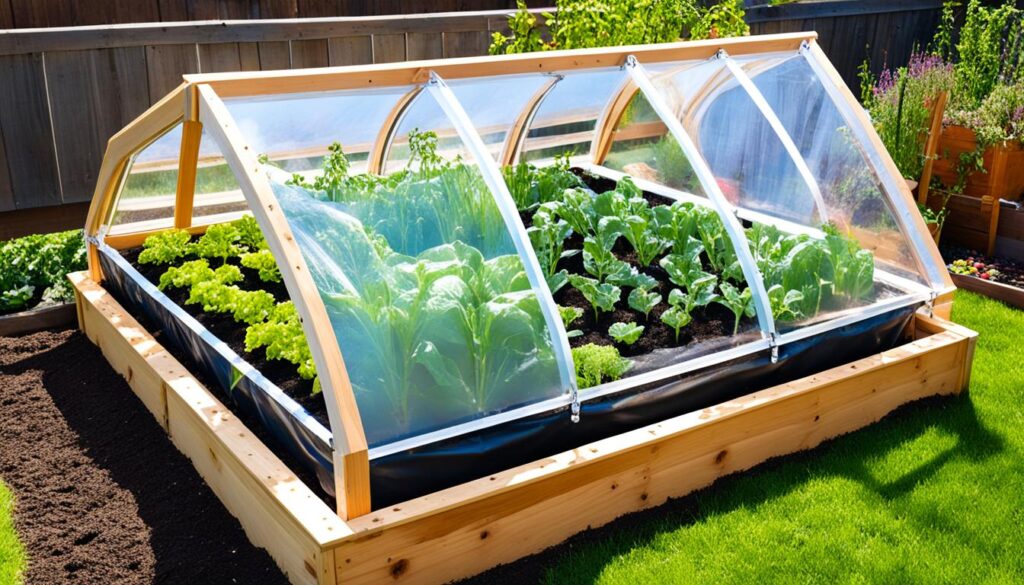
Additionally, unpredictable weather conditions can pose challenges to flower farming. Extreme heat, frost, or heavy rain can impact the growth and blooms of your flowers. To protect your plants, consider using row covers or hoop houses, which provide shelter and regulate temperature, or adjust your planting schedule to avoid the harshest weather conditions.