
Welcome to my article on the benefits of Epsom salt for plants. If you’re an avid gardener or simply love having lush, healthy plants in your home, you’ll be delighted to learn about the various ways Epsom salt can enhance the growth and vitality of your plants. From improving nutrient uptake to promoting chlorophyll production, Epsom salt is a natural and affordable solution that can significantly benefit your garden flora.
So, what exactly makes Epsom salt so beneficial for plants? Let’s dive into the details and explore its amazing properties.
Enhances Nutrient Uptake
One of the key benefits of Epsom salt for plants is its ability to enhance nutrient uptake. The magnesium and sulfate present in Epsom salt act as natural boosters, helping plants absorb essential nutrients such as nitrogen, phosphorus, and potassium more effectively. This increased nutrient absorption is crucial for plant growth and overall health.
Promotes Chlorophyll Production
Chlorophyll is the lifeblood of plants, responsible for their green color and essential for photosynthesis. Epsom salt provides plants with the much-needed magnesium ions, which play a vital role in chlorophyll production. By using Epsom salt, you can ensure that your plants have an ample supply of magnesium for healthy chlorophyll production, resulting in vibrant and thriving greenery.
Improves Soil Quality
If you’re looking to improve your soil quality, Epsom salt can be a game-changer. It helps to loosen compacted soil, allowing for better drainage and airflow. Improved soil structure facilitates the access of plant roots to water and nutrients, leading to healthier and more robust development. Additionally, Epsom salt aids in nutrient absorption, maximizing the benefits your plants receive from the soil.
Prevents Nutrient Deficiencies
Nutrient deficiencies can hinder plant growth and make them susceptible to diseases and pests. Epsom salt provides a readily available source of magnesium, helping to prevent magnesium deficiencies in plants. By ensuring your plants have adequate magnesium levels, you’ll promote their overall health and resilience.
Increases Flowering and Fruit Production
One of the most exciting benefits of using Epsom salt is its ability to boost flowering and fruit production. Magnesium, an essential component of Epsom salt, is involved in the activation of enzymes responsible for flowering and fruiting. By incorporating Epsom salt into your gardening routine, you can enjoy an abundance of beautiful flowers and bountiful harvests.
How to Apply Epsom Salt to Plants
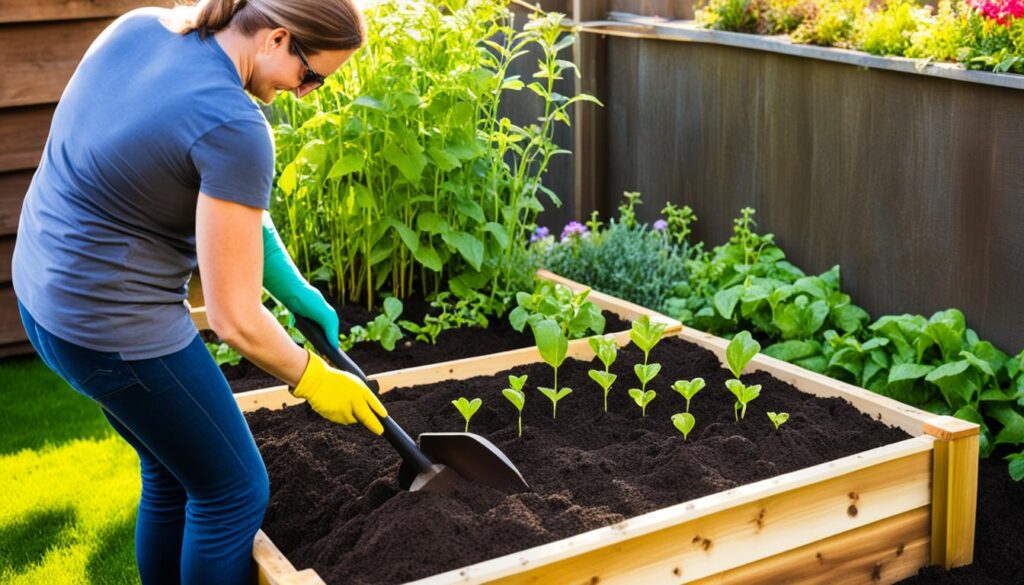
Now that you know the benefits, you may be wondering how to apply Epsom salt to your plants. It’s easy! Dissolve Epsom salt in water and use it as a foliar spray or apply it directly to the soil around the plants. Remember to follow the recommended dosage and application instructions for optimal results.
Other Considerations for Epsom Salt Use
While Epsom salt is a fantastic addition to your gardening routine, it’s important to use it in moderation. Excessive use of Epsom salt can lead to salt buildup in the soil, negatively impacting plant health. Always consider the specific needs of your plants and consult gardening experts if necessary to ensure you’re using Epsom salt appropriately.
Common Misconceptions
There are a few common misconceptions about Epsom salt use in gardening. It’s crucial to understand that Epsom salt is not a substitute for proper soil preparation, regular watering, and a balanced supply of other essential nutrients. Instead, it should be used as a supplement to support plant health and growth.
Compatibility with Different Plant Types
Epsom salt can be used with various plant types, including vegetables, fruits, flowers, and even houseplants. However, it’s always recommended to research the specific needs of your plants and consult gardening resources for guidance on compatibility and proper application.
Key Takeaways
- Epsom salt enhances nutrient uptake in plants, aiding in their overall growth and development.
- It promotes chlorophyll production, resulting in vibrant and healthy green foliage.
- Epsom salt improves soil quality by loosening compacted soil, enabling better drainage and nutrient absorption.
- Epsom salt prevents nutrient deficiencies, boosting the plants’ resilience against diseases and pests.
- It increases flowering and fruit production, leading to beautiful blooms and bountiful harvests.
Enhances Nutrient Uptake
One of the key benefits of Epsom salt for plants is its ability to enhance nutrient uptake. The magnesium and sulfate present in Epsom salt promote the absorption of essential nutrients such as nitrogen, phosphorus, and potassium, which are crucial for plant growth.
In fact, studies have shown that Epsom salt can significantly improve the availability of these nutrients to plants, leading to healthier and more vigorous growth. When the levels of magnesium and sulfate are optimized in the soil, plants are better equipped to take up and utilize these vital nutrients.
This enhanced nutrient uptake is especially beneficial for plants grown in nutrient-deficient soils or those experiencing nutrient deficiencies. By incorporating Epsom salt into your plant care routine, you can ensure that your plants have access to the nutrients they need for optimal growth and development.
Furthermore, the impacts of Epsom salt on plants extend beyond nutrient uptake. Magnesium, in particular, plays a crucial role in various physiological processes within plants, such as enzyme activation, protein synthesis, and the production of chlorophyll.
The Role of Magnesium in Plant Nutrition
Magnesium is an essential micronutrient required by plants for various metabolic activities. It is a critical component of chlorophyll, the pigment responsible for capturing light energy during photosynthesis.
Additionally, magnesium is involved in the synthesis and activation of enzymes required for many biochemical reactions within plants. These enzymes play a vital role in processes such as carbohydrate metabolism, DNA synthesis, and nutrient transport.
By enhancing magnesium availability through the application of Epsom salt, plants can efficiently carry out these essential processes, leading to improved overall health and growth. The increased magnesium levels can help plants produce more energy, develop stronger root systems, and better resist environmental stressors.
Ultimately, the impacts of Epsom salt on plants are multi-faceted, with enhanced nutrient uptake and improved magnesium availability contributing to healthier and more resilient plant growth.
Promotes Chlorophyll Production
Chlorophyll is the pigment responsible for the vibrant green color in plants, and it plays a crucial role in the process of photosynthesis. As a result, it is essential for the health and vitality of your plants. One way to promote chlorophyll production in your plants is by using Epsom salt.
Epsom salt contains magnesium, which is a key component in the production of chlorophyll. By providing your plants with a sufficient supply of magnesium, you can ensure that they have the necessary building blocks for healthy chlorophyll production.
When your plants have an ample supply of magnesium, they are better equipped to capture sunlight and convert it into energy through the process of photosynthesis. This leads to more efficient growth, stronger stems, and vibrant, lush foliage.
By incorporating Epsom salt into your plant care routine, you can support the production of chlorophyll and enhance the overall health of your plants. Whether you have flowering plants, vegetables, or houseplants, the use of Epsom salt can contribute to their vitality and growth.
Improves Soil Quality
Epsom salt is not only beneficial for plants but also for improving the quality of soil in your garden. When applied appropriately, it can help address common soil issues and create a more conducive environment for plant growth.
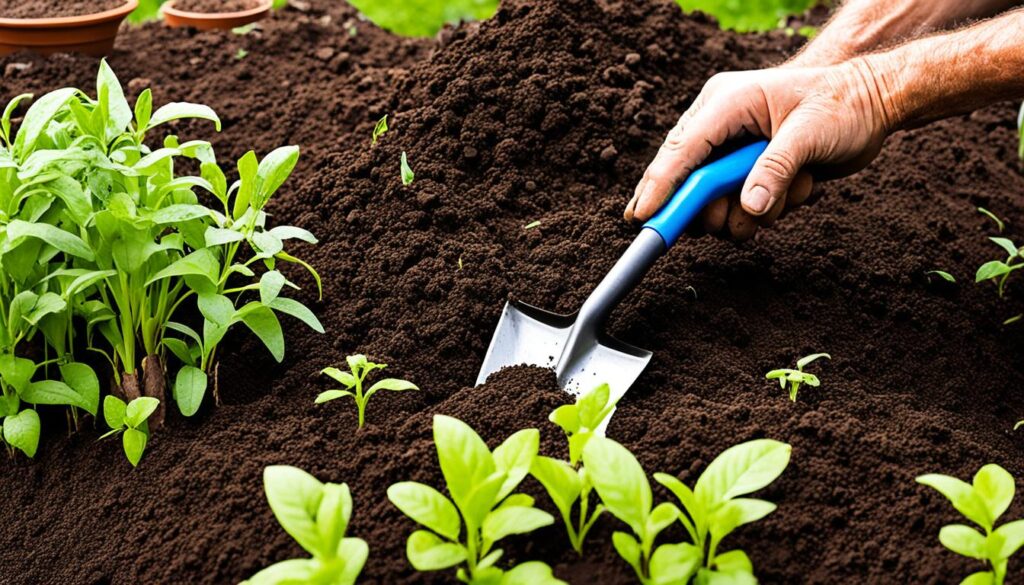
One of the ways Epsom salt improves soil quality is by loosening compacted soil. Over time, soil can become compacted, making it difficult for plant roots to penetrate and access the necessary water and nutrients. By applying Epsom salt, you can help break up the soil, allowing for better root development and improved drainage.
In addition to loosening compacted soil, Epsom salt also enhances drainage. Poor drainage in soil can lead to waterlogged conditions, which can be detrimental to plant health. By improving drainage, Epsom salt ensures that excess water flows away from the root zone, reducing the risk of water-related problems such as root rot.
Furthermore, Epsom salt aids in the absorption of nutrients from the soil. It helps plants effectively take up essential minerals, such as nitrogen, phosphorus, and potassium, which are crucial for healthy plant growth. By enhancing nutrient absorption, Epsom salt contributes to overall plant health and vigour.
By incorporating Epsom salt into your gardening routine, you can improve the soil quality in your garden, providing a favourable environment for plant growth. It not only loosens compacted soil and improves drainage but also facilitates nutrient absorption, leading to better overall plant health and development.

Prevents Nutrient Deficiencies
Nutrient deficiencies can hinder plant growth and result in a range of issues. However, by incorporating Epsom salt into your plant care routine, you can provide a readily available source of magnesium that helps prevent deficiencies in plants. Magnesium is an essential nutrient for plant growth and development, playing a vital role in various physiological processes.
When plants lack magnesium, they may exhibit symptoms such as yellowing leaves, stunted growth, and decreased overall vitality. Epsom salt, with its magnesium content, can help alleviate these issues and promote stronger and healthier plants.
By integrating Epsom salt into your plant care regimen, you can support your plants in becoming more resilient against common challenges such as diseases and environmental stressors. Strong and healthy plants are better equipped to deal with fluctuating conditions and have a higher likelihood of thriving in their environment.
Increases Flowering and Fruit Production
If you want your plants to produce more flowers or fruits, using Epsom salt can be beneficial. Magnesium, found in Epsom salt, aids in the development and activation of enzymes involved in flowering and fruit production.
The presence of magnesium in Epsom salt stimulates the production of chlorophyll, which is essential for photosynthesis. This process helps plants convert sunlight into energy, enabling them to produce more flowers and fruits.
To provide your plants with the benefits of Epsom salt, you can dissolve it in water and apply it as a foliar spray or directly to the soil around the base of the plants. This allows the magnesium to be readily available for the plants to absorb and utilize.
Using Epsom salt for plant growth is particularly recommended for flowering plants and fruit-bearing trees and shrubs. It can enhance the overall health and vigor of the plants, resulting in abundant blooms and a bountiful harvest.

Incorporating Epsom salt into your gardening routine can have a noticeable impact on the flowering and fruit production of your plants. Give it a try and witness the beautiful transformation your garden will undergo with the help of this natural and cost-effective solution.
How to Apply Epsom Salt to Plants
Now that we understand the benefits, let’s discuss how to apply Epsom salt to your plants. It is recommended to dissolve Epsom salt in water and use it as a foliar spray or apply it directly to the soil around the plants.
When using Epsom salt as a foliar spray, mix 2 tablespoons of Epsom salt with 1 gallon of water. Spray the solution onto the leaves, ensuring adequate coverage. This method allows the plant to absorb the nutrients directly through its foliage.
If you prefer applying Epsom salt to the soil, mix 1 tablespoon of Epsom salt with 1 gallon of water. Apply the solution to the soil around the base of the plant, taking care to saturate the soil to a depth of at least 6 inches. This method allows the plant’s roots to absorb the nutrients.
It is important to follow the recommended dosage and application instructions to avoid over-application, as excessive use of Epsom salt can lead to salt accumulation in the soil, which may harm the plants. Applying Epsom salt once a month during the growing season is generally sufficient to reap its benefits.
By incorporating Epsom salt into your plant care routine, you can provide your plants with the necessary magnesium and sulfate, supporting their growth and overall health.
Other Considerations for Epsom Salt Use
While Epsom salt can be beneficial for plants, it’s important to remember that moderation is key when using it in gardening. Excessive use of Epsom salt can lead to salt buildup in the soil, which can be detrimental to plant health. It’s crucial to consider the specific needs of your plants and consult with a gardening expert if needed.
To ensure the best results, here are some important considerations:
- Follow Dosage Guidelines: Use Epsom salt according to the recommended dosage instructions. More is not always better, and using too much can have negative effects.
- Consider Soil Type: Some plants prefer acidic soil, while others thrive in alkaline or neutral soil. Check the pH levels of your soil and understand the requirements of your plants before applying Epsom salt.
- Assess Plant Health: Before using Epsom salt, assess the overall health of your plants. If they are already showing signs of distress or nutrient deficiencies, it’s essential to address those underlying issues first.
- Observe Plant Reactions: After applying Epsom salt, monitor your plants closely for any adverse reactions. If you notice yellowing, wilting, or other unusual symptoms, it may be a sign that Epsom salt is not suitable for that particular plant.
- Combine with Other Nutrients: Epsom salt is not a stand-alone solution for plant care. It should be used as a supplement alongside other essential nutrients and proper gardening practices.
By taking these considerations into account, you can maximize the benefits of Epsom salt without risking harm to your plants. Remember, when in doubt, consult a gardening expert who can provide personalized advice based on your specific gardening needs.

Common Misconceptions
When it comes to using Epsom salt in gardening, there are some common misconceptions that need to be addressed. It’s important to understand that Epsom salt is not a substitute for proper soil preparation, regular watering, and the use of other essential nutrients. Instead, it should be used as a supplement to support the overall health and growth of your plants.
While Epsom salt can provide several benefits, it is not a stand-alone solution for plant health. It should be used in conjunction with other gardening practices to ensure optimal results. Proper soil preparation, including adding organic matter and adjusting pH levels, is crucial for creating a healthy growing environment for your plants.
Regular watering is also essential for plant health, as it helps to transport nutrients and maintain hydration. By ensuring that your plants receive adequate water, you can support their growth and prevent stress caused by drought.
In addition to proper soil preparation and regular watering, it’s important to provide your plants with a balanced supply of essential nutrients. Epsom salt can supplement the nutrient needs of plants by providing magnesium, but it should not replace the use of other essential nutrients, such as nitrogen, phosphorus, and potassium.
Compatibility with Different Plant Types
Epsom salt is a versatile solution that can be used with various plant types, offering numerous benefits for their growth and overall health. Whether you have a vegetable garden, fruit trees, vibrant flowers, or even houseplants, incorporating Epsom salt into your gardening routine can yield positive results.
Using Epsom salt for plant growth has proven to be particularly effective. Its rich magnesium and sulfate content provides essential nutrients that plants require for their development and vitality. Epsom salt aids in nutrient absorption, chlorophyll production, and overall soil improvement.
When considering the benefits of Epsom salt for plants, it’s crucial to conduct thorough research and consult reliable gardening resources. Each plant has unique requirements, and understanding their specific needs will ensure compatibility and maximize the benefits of using Epsom salt.
Whether you’re growing leafy greens, juicy tomatoes, vibrant roses, or thriving houseplants, incorporating Epsom salt into your gardening routine can offer numerous benefits. From boosting nutrient uptake to enhancing chlorophyll production, Epsom salt is a natural and cost-effective way to enhance the growth and health of your plants.
Conclusion
In conclusion, Epsom salt offers a range of benefits that can greatly enhance the health and growth of your plants. By using Epsom salt appropriately and in moderation, you can provide your garden flora with the essential nutrients they need for optimal development.
Firstly, Epsom salt promotes nutrient uptake, allowing plants to absorb vital elements such as nitrogen, phosphorus, and potassium more efficiently. This leads to enhanced growth and overall plant health.
Additionally, Epsom salt aids in chlorophyll production, ensuring that your plants have the necessary components for healthy photosynthesis. This results in vibrant, green foliage and improved energy production.
Moreover, Epsom salt improves soil quality by enhancing drainage and improving nutrient absorption. It also helps prevent nutrient deficiencies, supporting stronger and more robust plants that are better equipped to withstand diseases and environmental stressors.
Lastly, Epsom salt can boost flowering and fruit production, thanks to its role in enzyme activation. By using Epsom salt, you can encourage your plants to produce more beautiful blooms and bountiful harvests.
Overall, incorporating Epsom salt into your gardening routine is a simple and effective way to promote healthy plant growth and maximize your garden’s potential. So, give your plants the beneficial boost they deserve with the power of Epsom salt!