
In this article, I will explore the different types of gardening and provide an overview of various gardening methods and techniques. Whether you are a gardening enthusiast looking to enhance your green space or a beginner looking to start a new gardening project, this guide will help you understand the different types of gardening practices and classifications.
Key Takeaways:
- There are various types of gardening activities and techniques available.
- Container gardening is suitable for small spaces and involves growing plants in pots or containers.
- Raised bed gardening offers improved soil drainage and allows better control over soil quality.
- Vegetable gardening allows you to grow your own fresh produce.
- Herb gardening is popular for growing culinary herbs.
Container Gardening
Container gardening has become a popular choice for gardening enthusiasts who want to bring the beauty of plants to small spaces or areas with limited access to soil. It involves growing plants in containers such as pots, baskets, or troughs, allowing you to create a green oasis right on your balcony, patio, or windowsill.
One of the main advantages of container gardening is its versatility. You can grow a wide variety of plants, from colorful flowers to fresh herbs and even small vegetables, all in portable containers. This flexibility gives you the freedom to design and change your garden’s layout whenever you like, making it an ideal option for those who love experimenting with different plant combinations.
Another benefit of container gardening is its convenience. Taking care of potted plants is generally easier than maintaining a traditional garden bed. Container plants require less watering, as the water is contained within the pot, reducing the risk of overwatering or water wastage. Additionally, you have better control over the soil quality, allowing you to create the ideal growing conditions for your plants.
To get started with container gardening, here are a few tips:
- Choose containers of appropriate size and material for your plants’ needs. Ensure that the containers have proper drainage holes to prevent waterlogging.
- Select a suitable potting mix that provides good drainage and nutrient retention.
- Consider the sunlight requirements of your chosen plants and place the containers accordingly. Some plants thrive in full sun, while others prefer partial shade.
- Regularly monitor the moisture levels of the soil and water your plants accordingly. Avoid underwatering or overwatering, as both can harm the plants.
- Fertilize your container plants with a balanced slow-release fertilizer or organic compost to provide them with essential nutrients.
- Inspect your plants regularly for any signs of pests or diseases and take immediate action, if necessary.
Image: Container Gardening
Whether you have a small urban balcony or a spacious garden, container gardening offers a fantastic opportunity to get creative with your plant choices and enjoy the beauty of nature in any setting. With the right containers, proper care, and a little bit of love, your potted plants will flourish and bring joy to your surroundings.
Raised Bed Gardening
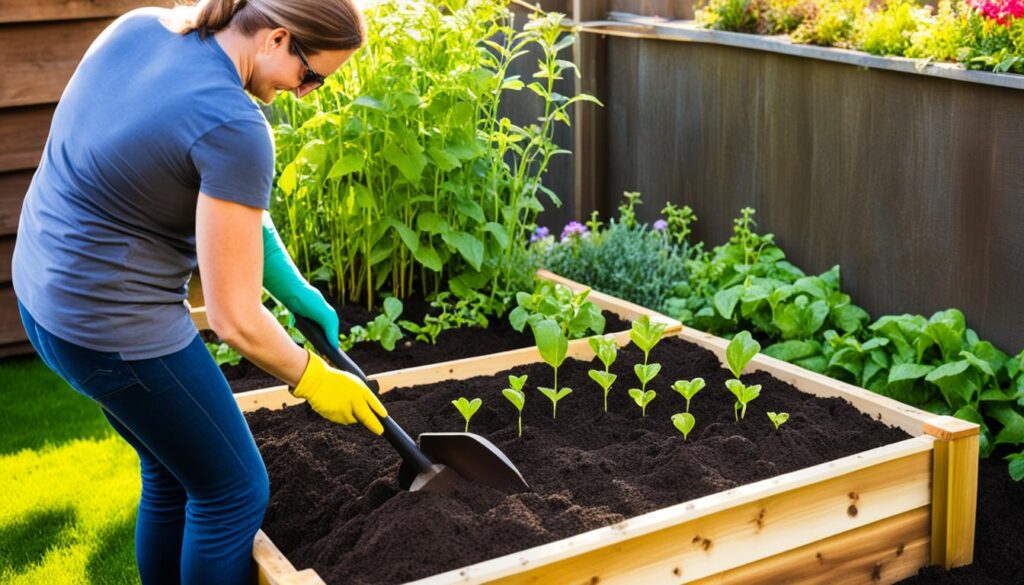
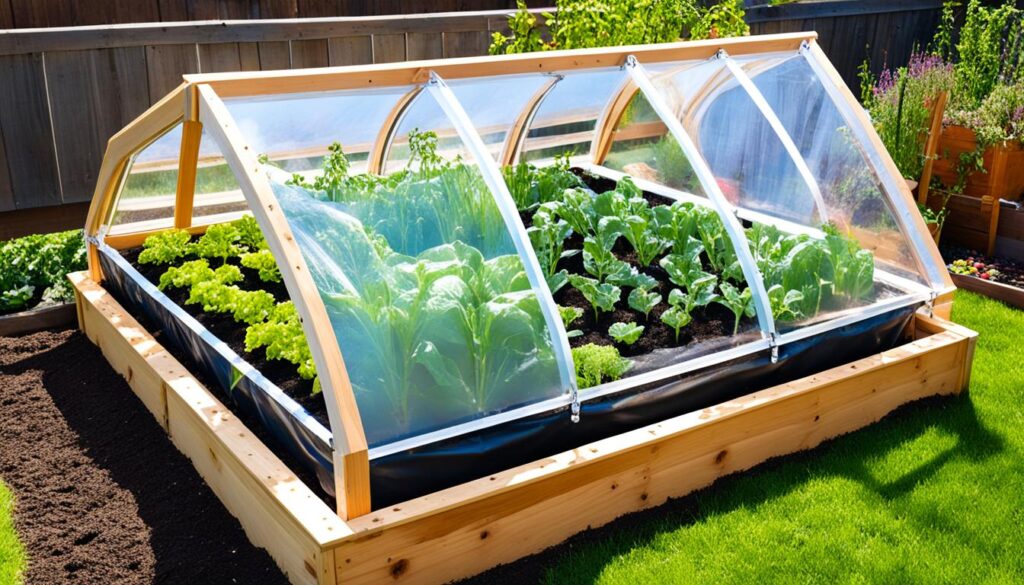
Raised bed gardening is a fantastic way to grow your plants and vegetables in a controlled environment. By creating a garden bed that is raised above ground level, you can enjoy a range of benefits that enhance your gardening experience.
One key advantage of raised bed gardening is improved soil drainage. The elevated design ensures excess water can easily flow out of the raised bed, preventing waterlogging and ensuring the roots of your plants have access to the right amount of moisture. This feature is particularly beneficial if you live in an area with heavy rainfall or have dense clay soil that tends to retain water.
In addition to better drainage, raised bed gardening offers you the opportunity to have greater control over the quality of your soil. By selecting the right mix of soil components, such as compost and organic matter, you can create a nutrient-rich environment that is tailored to the specific needs of your plants. This allows you to optimize the soil conditions and provide your plants with the best possible growing medium.
Setting up and maintaining a raised bed garden is relatively straightforward. To get started, you’ll need to construct a raised bed frame using materials such as wood, brick, or stone. The size of the raised bed can vary according to your available space and preferences, but a width of around 3 to 4 feet is ideal for easy access to all areas of the bed.
Once you’ve built the frame, fill it with a mixture of topsoil and compost, ensuring a depth of at least 6 to 12 inches. This will provide enough space for your plants’ roots to grow and establish themselves. Raised beds also allow you to create different soil levels within the bed, catering to the specific needs of different plants. For example, plants that prefer well-drained soil can be placed in the higher sections of the bed, while those that require more moisture can be placed in the lower sections.
When it comes to maintaining your raised bed garden, regular watering, weeding, and monitoring of pest activity are crucial. The elevated design of raised beds makes it easier to spot and manage any issues with your plants. Plus, the controlled environment helps to reduce the risk of soil-borne diseases.

In conclusion, raised bed gardening provides numerous advantages for gardeners. With improved soil drainage, better control over soil quality, and the ability to create specific growing conditions, raised bed gardens are an excellent choice for both beginner and experienced gardeners alike. By implementing the right techniques and consistently caring for your raised bed garden, you can enjoy bountiful harvests and a thriving garden all year round.
Vegetable Gardening
Growing your own fresh vegetables through vegetable gardening is not only a rewarding experience but also a sustainable way to ensure a supply of homegrown produce. In this section, I will guide you through the basics of vegetable gardening, from selecting suitable vegetables to nurturing and maintaining a thriving garden.
Choosing Suitable Vegetables
When starting a vegetable garden, it’s essential to choose vegetables that thrive in your climate and suit your taste preferences. Consider factors such as sunlight, soil conditions, and available space. Popular choices for vegetable gardening include tomatoes, lettuce, carrots, peppers, and beans.
Preparing the Soil
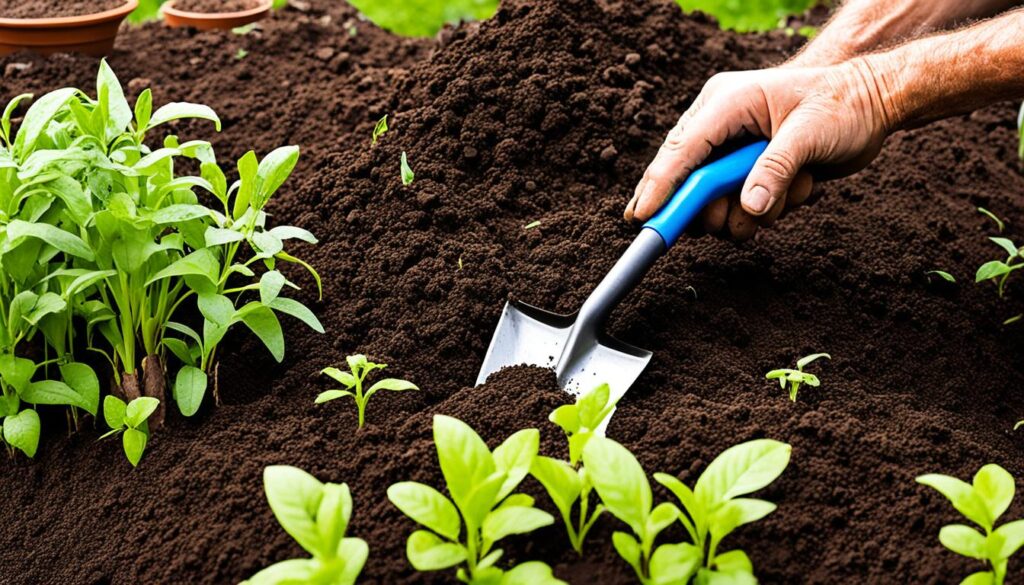
A key step in vegetable gardening is preparing the soil to create a healthy and fertile environment for your plants. Ensure proper drainage by loosening the soil and removing any weeds or debris. Incorporate organic matter, such as compost or well-rotted manure, to improve soil structure and nutrient content.
Planting Your Vegetable Garden
Planting your vegetables correctly is crucial for their growth and productivity. Follow seed packet instructions for planting depth and spacing. Consider companion planting, where compatible plants are grouped together to enhance growth and deter pests. Remember to water your plants regularly and provide support, such as stakes or trellises, for climbing varieties.
Maintaining Your Vegetable Garden
To ensure a bountiful harvest, proper maintenance of your vegetable garden is essential. Regularly monitor your plants for pests and diseases, and take prompt action if any issues arise. Mulching around your plants can help conserve moisture, suppress weeds, and regulate soil temperature. Regularly fertilize your plants with organic options appropriate for vegetables.
Maximizing Yields and Common Issues
To maximize yields in your vegetable garden, consider succession planting, where you sow seeds or transplant seedlings at intervals to ensure a continuous supply of vegetables. Rotate your crops each season to prevent soil nutrient depletion and minimize the risk of pests and diseases. Be prepared to tackle common vegetable gardening issues, such as pests, diseases, and nutrient deficiencies, by implementing organic pest control methods or seeking expert advice when needed.
By following these guidelines for vegetable gardening, you can create a vibrant and productive home vegetable garden that provides you with delicious and healthy produce all season long.
Herb Gardening
Herb gardening is a delightful and practical way for gardening enthusiasts to enhance their culinary experiences with the freshest flavours. Growing herbs in your garden allows you to have a ready supply of aromatic, homegrown ingredients to elevate your dishes. In this section, I will delve into the wonderful world of herb gardening, discussing the different types of herbs that you can cultivate and sharing essential tips for successful herb cultivation.
Herbs are known for their versatility and the distinct flavours they bring to a variety of dishes. Whether you love using fragrant basil in your Italian cuisine, vibrant coriander in your Asian dishes, or refreshing mint in your summer drinks, having a collection of culinary herbs at your fingertips will elevate your cooking to new heights.
When it comes to herb gardening, there are numerous options to choose from. You can start with popular and easy-to-grow herbs like basil, parsley, and chives. These herbs thrive in a variety of growing conditions and are perfect for beginners. As you gain confidence, you can expand your herb garden and experiment with more exotic varieties such as lemon verbena, thyme, and rosemary.
When growing herbs, one of the key considerations is their specific needs and preferences. Some herbs, like basil and coriander, prefer full sun, while others, like mint and chervil, appreciate partial shade. It is essential to understand the light and water requirements of each herb to ensure optimal growth and flavour development.
Herbs can be grown in various ways, including in-ground beds, containers, or even vertical gardens. You can design a dedicated herb garden or incorporate them into your existing vegetable garden or landscape. 
Once your herbs are flourishing, it’s time to harvest and enjoy the delightful bounty they offer. Regular harvesting promotes healthy growth and encourages herbs to produce more leaves. When harvesting herbs, remember to trim them from the top, leaving a few inches to allow for regrowth.
The beauty of herb gardening is that it not only provides you with fresh herbs for immediate use but also presents opportunities to preserve and enjoy them all year round. You can dry herbs by hanging them in bundles or using a dehydrator, preserving their fragrance for future use. Another popular method is to freeze herbs in ice cube trays with a little water or olive oil, ensuring you always have a convenient supply of herbs for your culinary creations.
From fragrant basil and delicate cilantro to robust rosemary and versatile sage, herb gardening offers endless possibilities for enhancing your meals and creating flavourful combinations. With a little knowledge, care, and creativity, you can grow a thriving herb garden that will bring joy and deliciousness to your kitchen. So get started on your herb gardening journey and immerse yourself in the delightful flavours of nature.
Flower Gardening
Flower gardening is a delightful and rewarding activity that allows you to create stunning displays of vibrant blooms in your garden. Whether you have a spacious yard or a small balcony, growing flowers brings beauty and joy to any space.
In this section, I will explore different types of flowers that can be grown in a garden. From the enchanting annuals that burst with color for a single season to the enduring perennials that return year after year, there is a wide variety of flowers to choose from.
Annual flowers, such as petunias, marigolds, and zinnias, are perfect for adding pops of vibrant hues to your garden beds or containers. These flowers typically have a short lifespan but bloom profusely throughout the season, creating a spectacular show.
On the other hand, perennials, like roses, lilies, and daisies, are plants that come back year after year, bringing enduring beauty to your garden. They often have a longer blooming period and require less maintenance than annuals, making them a popular choice among flower gardeners.
Bulbs, such as tulips, daffodils, and lilies, are another fantastic option for flower gardening. These underground storage organs produce stunning blooms and are known for their ability to multiply and naturalize over time, creating an ever-expanding display of color.
Water Gardening
Water gardening is a fascinating and unique way to bring the beauty of aquatic plants and water features into your garden. Whether you have a spacious backyard or a small balcony, water gardening offers endless possibilities for creating a serene and tranquil oasis. In this section, I will explore the different types of water gardens, including container water gardens and formal pond gardens, and provide insights on how to select and care for water plants.
Types of Water Gardens
There are various types of water gardens that you can consider for your outdoor space. Container water gardens are a popular choice for those with limited space or looking to add a touch of water to their patio or balcony. These small and portable water gardens can be created using pots or other containers, providing a unique focal point with the gentle sound of flowing water.
On the other hand, formal pond gardens are perfect for larger yards and can create a stunning centerpiece. These ponds can be designed in various shapes and sizes, allowing you to incorporate aquatic plants, fish, and other water features. The possibilities are endless, from tranquil koi ponds to vibrant water lily gardens.

Selecting and Caring for Water Plants
When it comes to selecting water plants for your garden, consider both their aesthetic appeal and their ability to thrive in aquatic environments. Aquatic plants such as water lilies, iris, and lotus are popular choices for water gardens. These plants not only provide visual interest but also help maintain water quality and provide habitat for aquatic life.
Proper care is essential to keep your water plants healthy and thriving. Ensure that your water garden receives adequate sunlight, as most aquatic plants require at least six hours of direct sunlight each day. Regularly monitor water quality, including pH levels and nutrient concentration, and make necessary adjustments to maintain a balanced environment.
Additionally, consider the specific growth requirements of each plant and provide appropriate water depth and soil conditions. Proper planting and regular maintenance, such as fertilizing and pruning, will help ensure the long-term success of your water garden.
Now that you have a better understanding of water gardening, you can embark on creating your own watery paradise. Whether you choose a container water garden or a formal pond garden, the beauty and serenity of aquatic plants and water features will undoubtedly enhance your outdoor space.
Organic Gardening
Organic gardening is a sustainable and environmentally-friendly approach to growing plants. It involves cultivating plants without the use of synthetic fertilizers or pesticides. By embracing organic gardening practices, you can create a thriving garden while promoting the health of the soil, plants, and the ecosystem as a whole.
In organic gardening, natural methods are employed to maintain soil fertility and control pests and weeds. Instead of relying on chemical inputs, organic gardeners focus on building healthy soil through practices such as composting and using natural sources of nutrients.
To control pests and diseases, organic gardeners employ a range of techniques that are safe for both humans and the environment. These include companion planting, crop rotation, and biological controls like beneficial insects and nematodes.
When it comes to weed control, organic gardeners adopt strategies such as mulching, hand weeding, and using natural weed suppressants. These methods minimize the need for synthetic herbicides and prevent harmful chemicals from leaching into the soil and water sources.
Composting is an integral part of organic gardening. By recycling kitchen scraps, yard waste, and other organic matter, gardeners can create nutrient-rich compost that improves soil structure and fertility. Compost adds essential organic matter to the soil and enhances its ability to retain moisture, support beneficial soil organisms, and nourish plants.
Benefits of Organic Gardening:
- Promotes a healthier ecosystem by avoiding the use of synthetic chemicals
- Produces nutritious and chemical-free fruits, vegetables, and herbs
- Improves soil fertility, structure, and moisture retention
- Reduces pollution and protects water sources from harmful runoff
- Supports biodiversity and beneficial insects, birds, and other wildlife
By embracing organic gardening, you can create a harmonious and sustainable garden that thrives without the need for chemical interventions. The principles of organic gardening are not only beneficial for your garden but also for the health of your family, the community, and the planet as a whole.
Indoor Gardening
Indoor gardening allows me to enjoy the benefits of gardening year-round, even in small spaces. But what exactly is indoor gardening? It involves cultivating plants indoors, creating beautiful green spaces within the comfort of my own home. In this section, I will explore different types of indoor gardens and provide tips on how to get started.
Container Gardens
One popular type of indoor gardening is container gardening. It involves growing plants in containers such as pots, baskets, or even repurposed household items. Container gardens are versatile and allow me to easily move plants around to optimize sunlight exposure or change the aesthetic of a room.
When choosing plants for a container garden, I consider factors such as their growth habits, lighting requirements, and the size of the container. Some great indoor plants for container gardens include spider plants, pothos, and peace lilies.
Vertical Gardens
Another innovative way to maximize space for indoor gardening is by creating a vertical garden. Vertical gardens utilize vertical wall space to grow plants, allowing me to transform bland walls into lush, living artwork.
There are various methods for creating a vertical garden, such as using hanging planters, wall-mounted shelves, or vertical planters designed specifically for this purpose. When selecting plants for a vertical garden, I consider their growth habits and the amount of natural light available.
Terrariums
A terrarium is a miniaturized indoor garden enclosed in glass, creating a unique and captivating display. Terrariums are low-maintenance and can create a self-sustaining ecosystem, which makes them ideal for those with busy lifestyles.
To create a terrarium, I start with a glass container and layer it with rocks for drainage, activated charcoal to filter the air, potting soil, and finally, carefully selected terrarium plants. Popular choices for terrariums include ferns, mosses, and succulents.
When venturing into indoor gardening, it’s crucial to ensure proper lighting conditions for the plants’ growth. Supplementing natural light with artificial lighting, such as LED grow lights, can help optimize plant growth and ensure healthy development.
Remember, different plants have different light requirements, so it’s essential to research the specific lighting needs of the plants I choose to cultivate indoors.
With the right selection of indoor plants, suitable containers, and adequate lighting, indoor gardening can transform any space into a thriving green oasis.
Community Gardening
Community gardening is a wonderful way to bring people together and create shared garden spaces that benefit both individuals and the wider community. By working together, we can cultivate green spaces that foster social interaction, enhance food security, and beautify our neighborhoods.
One of the key benefits of community gardening is the opportunity for social interaction. It allows individuals from diverse backgrounds to come together, share their love for gardening, and build meaningful connections. Whether you are an experienced gardener or a beginner, community gardening provides a supportive environment where you can learn from others, exchange knowledge, and collaborate on garden projects.
Another important aspect of community gardening is the promotion of food security. In a time when access to fresh, healthy produce is crucial, community gardens play a pivotal role in providing nutritious food to local communities. By growing our own fruits and vegetables, we can reduce our reliance on external food sources and ensure that everyone has access to fresh, organic produce.
Furthermore, community gardens contribute to the beautification of our neighborhoods. By transforming vacant lots or unused spaces into vibrant garden areas, we create visually appealing landscapes that uplift the community. The presence of garden spaces also promotes a sense of pride, fostering a greater sense of belonging and identity among residents.
If you’re interested in getting involved, there are various ways to participate in community gardening initiatives. You can join existing community garden projects in your area, volunteer your time and skills, or collaborate with local organizations to establish new communal gardens. By contributing your efforts, you can make a positive impact on your community and enjoy the rewards of communal gardening.
Remember, community gardening is not just about gardening; it’s about building relationships, empowering communities, and creating sustainable spaces that benefit everyone. So, why not get involved in a community gardening project near you and discover the joy of cultivating shared garden spaces?
Conclusion
In conclusion, there are numerous types of gardening activities and techniques available to suit different preferences, space constraints, and gardening goals. Whether you choose container gardening, raised bed gardening, vegetable gardening, or any other type of gardening covered in this article, the joy of nurturing plants and connecting with nature is sure to enhance your green space and bring you closer to a rewarding and fulfilling gardening experience.