
Perlite is a lightweight granular material made from expanded volcanic glass. It is white in colour and looks like little bits of polystyrene. Perlite is extremely porous and helps improve soil drainage, making it ideal for adding to soil. It is a long-lasting and easy to handle soil conditioner that is neither alkaline nor acidic. Adding perlite to soil can have numerous benefits for plant health.
Key Takeaways:
- Perlite is a lightweight granular material made from expanded volcanic glass.
- It improves soil drainage and prevents waterlogging, making it suitable for a wide range of plants.
- Perlite is a neutral pH soil conditioner that is easy to handle and has a long lifespan.
- Adding perlite to soil enhances aeration and promotes root growth.
- Perlite is available in nurseries, garden centres, and online stores, making it easily accessible for gardening enthusiasts.
What is Perlite?
Perlite is a lightweight granular material made from expanded volcanic glass. It is heated to 1000°C until it ‘pops’ and expands to many times its original size. Perlite is sterile, easy to handle, and has excellent water absorption properties. It is neither alkaline nor acidic, making it suitable for a wide range of plants. Other materials that perform similar functions to perlite are vermiculite, grit, and sharp sand.
How to Use Perlite
Perlite can be used in various ways to improve soil conditions and aid plant growth. It is particularly useful for improving drainage in succulent plants and other plants sensitive to moist soil. When added to soil, perlite creates air pockets that allow excess water to drain away, preventing root rot and fungal diseases. This makes it an excellent choice for pots and containers.
For plant propagation, perlite can be mixed with compost to create a well-draining medium for taking cuttings and sowing seeds. The perlite helps retain moisture in the compost, creating a moist environment that promotes root development. It also prevents the compost from becoming compacted, allowing young seedlings to establish themselves easily.
If you’re rooting cuttings, perlite can be used on its own. Simply dampen the perlite slightly and place the cuttings in the perlite-filled container. The perlite acts as a supportive and well-draining medium for root development. For optimal results, you can also mix perlite with vermiculite, which provides extra moisture retention.
Overall, perlite is a versatile soil amendment that can be used for various gardening applications. Its lightweight and porous nature make it an excellent choice for promoting healthy plant growth and ensuring proper moisture management in the soil.
Perlite vs. Vermiculite
When it comes to soil amendments, perlite and vermiculite are two popular choices that can enhance soil conditions. While they have similarities, there are key differences that make each suitable for specific purposes.
Perlite:
Perlite is primarily used for aeration and drainage in soil. It is a lightweight material made from expanded volcanic glass. Its porous nature allows for increased airflow and prevents soil compaction, making it an ideal choice for plants that require good drainage, such as cacti and succulents. Perlite also helps to prevent waterlogging and provides better oxygen circulation for healthy root growth. It is commonly added to potting mixes and raised beds to improve soil structure.
Vermiculite:
Vermiculite, on the other hand, is known for its water and nutrient retention properties. It is a mineral that expands when heated, forming a light and spongy texture. Vermiculite has a high water-holding capacity, making it suitable for plants that require consistent moisture, such as seedlings or plants with shallow root systems. The ability of vermiculite to retain moisture also helps to reduce the frequency of watering, making it beneficial in drought-prone areas.
While perlite and vermiculite have distinct uses, they can also complement each other when used together. Combining perlite with vermiculite creates an optimal growing medium that provides both good aeration and water retention. This combination can support a wide range of plants by creating a well-draining soil with adequate moisture content.
Understanding the differences between perlite and vermiculite can help you choose the right soil amendment for your plants’ specific needs. Whether you need improved drainage or enhanced water retention, both perlite and vermiculite offer unique benefits that can contribute to healthy plant growth.
How to Buy Perlite
When it comes to purchasing perlite, you have several options depending on your convenience and gardening needs. You can find perlite in a variety of locations, both offline and online.
If you prefer shopping at physical stores, nurseries, garden centres, and large DIY stores like B&Q, Homebase, and Wilko are great places to start. These retailers typically stock perlite in small to medium-sized bags, making it easy to transport and handle for your gardening projects.
However, if you prefer the convenience of online shopping, buying perlite online is a viable option. Many online retailers specialize in gardening supplies and offer a wide range of perlite products. Simply search for “perlite suppliers” or “buying perlite online” to find reliable online stores. When purchasing online, keep in mind that the availability and prices may vary, so it’s always a good idea to compare different suppliers to find the best deal for your needs.

Regardless of whether you choose to buy perlite from a physical store or online, it’s important to consider the amount you need. The quantity of perlite required will depend on the size of your gardening project, so plan accordingly.
- Visit nurseries, garden centres, or DIY stores like B&Q, Homebase, and Wilko.
- Search online for “perlite suppliers” or “buying perlite online”.
- Compare prices and availability before making a purchase.
- Consider the quantity needed based on your gardening project.
With these tips in mind, you’ll be able to easily find and purchase perlite to enhance your gardening experience.
Benefits of Adding Perlite to Soil
Adding perlite to soil has numerous benefits for plant health. It improves soil drainage, ensuring that water drains freely and plant roots do not sit in damp soil. Perlite also aids in retaining water in compost, making it beneficial for cuttings and seedlings. It prevents soil compaction and improves aeration, stimulating root initiation and vigorous plant growth. Perlite is free from disease, weeds, and insects, and it does not decompose over time. It also insulates the soil and minimizes temperature fluctuations.
- Improved Soil Drainage: Perlite’s porous nature allows water to move freely through the soil, preventing waterlogging and root rot.
- Water Retention: Perlite helps retain moisture in compost, providing a moist environment for delicate seedling roots.
- Prevents Soil Compaction: Perlite loosens the soil, preventing it from becoming compacted, enhancing root growth and nutrient absorption.
- Improved Aeration: The lightweight and porous structure of perlite enhance soil aeration, providing oxygen to the roots, promoting healthy plant growth.
- Disease and Pest-Free: Perlite does not harbor disease, weeds, or pests, reducing the risk of plant damage and ensuring a healthy growing environment.
- Long-Lasting: Perlite does not decompose over time, providing long-lasting benefits to the soil.
- Insulation: Perlite acts as an insulator, minimizing temperature fluctuations in the soil, protecting plants from extreme heat or cold.
By adding perlite to your soil, you can enhance its overall health and create an optimal environment for your plants to thrive.
Tips for Using Perlite in the Garden
When using perlite in the garden, you can follow these helpful tips to ensure optimal results. Perlite is a versatile soil amendment that aids in soil drainage, improves water retention, and enhances plant growth.
Dampen Perlite Before Use
Perlite can be quite dusty, so it is recommended to dampen it with water before use. This will help reduce the amount of dust particles released into the air and make it easier to handle. Simply sprinkle some water over the perlite and mix it well.
Soak Large Quantities of Perlite
If you are using a large quantity of perlite, such as an entire bag, it is best to soak it in water for a short period before using it. This will further minimize the amount of dust and ensure that the perlite is fully hydrated. After soaking, allow it to drain before incorporating it into your soil or compost.
Mix Perlite Thoroughly
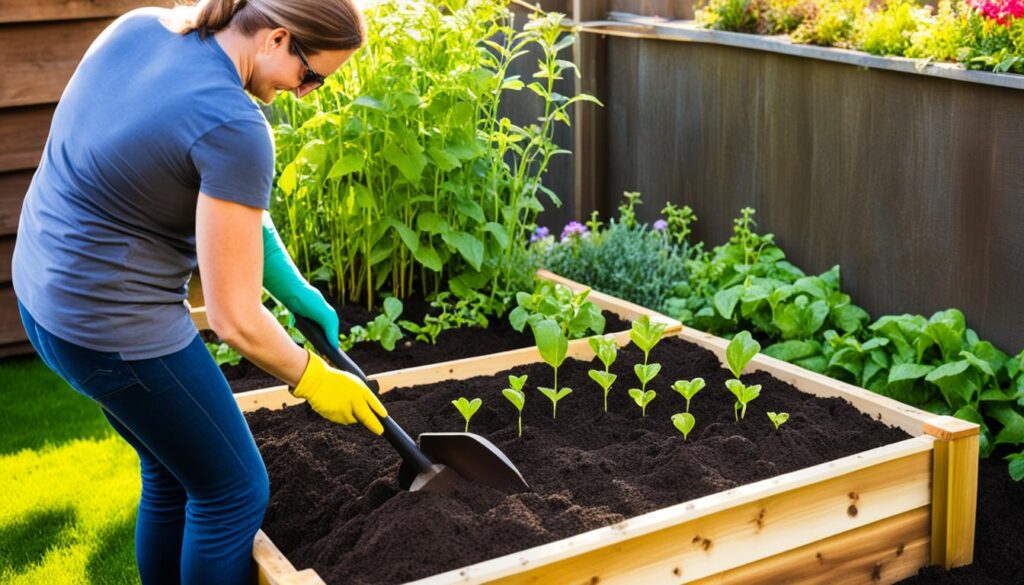
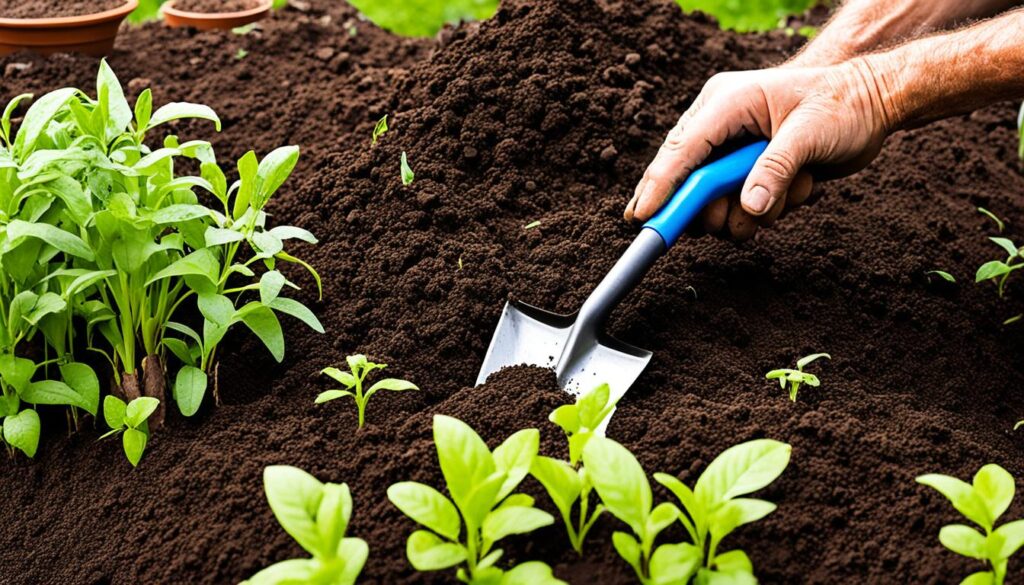
When incorporating perlite into your soil or compost, it is important to mix it thoroughly with the other components. This will ensure even distribution and maximize the benefits of perlite. Use a garden fork or trowel to mix the perlite into the soil or blend it with compost.

Wear a Mask for Safety
While perlite is generally safe to handle, wearing a mask is advisable when working with it. This is particularly important when working with large quantities or in enclosed spaces. Wearing a mask will help prevent inhalation of any dust particles that may be present.
By following these perlite gardening tips, you can make the most of this valuable soil amendment and promote better plant growth in your garden.
Alternatives to Perlite
While perlite is an excellent soil amendment, there are some alternatives available. Pumice, vermiculite, grit, sand, and rice hulls can be used as substitutes for perlite, depending on the specific needs of your plants. Each alternative has its advantages and disadvantages, so it is important to consider the specific requirements of your plants and choose the best option accordingly.
Pumice
Pumice is a lightweight volcanic rock that is similar to perlite in terms of its porous nature and ability to enhance soil drainage. It is suitable for plants that require good aeration and adequate drainage. Pumice is durable and long-lasting, making it a great choice for long-term soil improvement.
Vermiculite
Vermiculite is another soil amendment that can be used as an alternative to perlite. It has excellent water retention properties and is ideal for plants that require more moisture. Vermiculite holds water well and helps prevent soil from drying out quickly. It is commonly used in seed starting and propagation.
Grit
Grit, such as horticultural grit or coarse sand, is a popular substitute for perlite. It provides excellent drainage, helps prevent soil compaction, and improves aeration. Grit is widely used in succulent and cacti mixes, as it allows excess water to drain freely and prevents root rot.
Sand
Sand is a readily available and cost-effective alternative to perlite. It improves soil drainage and prevents compaction, making it beneficial for plants that prefer well-draining soil. However, it is important to choose coarse sand instead of fine sand to avoid soil compaction.
Rice hulls
Rice hulls are a sustainable alternative to perlite. They provide good drainage and aeration for plants, similar to perlite. Rice hulls can be mixed with compost or soil to improve soil structure and promote healthy root development.
When choosing an alternative to perlite, consider the specific needs of your plants and the properties of each substitute. It is recommended to conduct some research or consult with a gardening expert to determine the best soil amendment for your particular gardening projects.
Precautions when Using Perlite
When using perlite, it is important to take some precautions to ensure safety. Perlite can be quite dusty, so it is recommended to wet it with water before use to reduce dust particles. If using a large quantity of perlite, it is advisable to soak it in water before use to minimize dust.
Additionally, it is recommended to wear a mask when handling perlite, especially for individuals with respiratory issues, to avoid inhaling dust particles. Taking these safety measures can help protect your health while working with perlite.

Environmental Considerations
When it comes to using perlite in gardening, it’s important to consider the environmental impact of its mining and production. Perlite is a naturally occurring material that is mined and expanded for various applications, including gardening. While perlite is widely available and not currently facing shortages, its extraction process can have implications for the environment.
Perlite mining can cause land disturbance, resulting in changes to the natural landscape. This can impact local ecosystems, including flora and fauna. In addition, the energy consumption associated with perlite mining and production can contribute to carbon emissions and other environmental concerns.
However, it’s worth noting that perlite’s lightweight nature can also have positive environmental implications. The lightweight nature of perlite reduces the carbon footprint associated with transportation. Compared to heavier alternatives, perlite requires less energy to transport, helping to minimize environmental impact in this aspect.
Despite these considerations, it’s important to remember that perlite remains a widely used and accessible material for gardening purposes. By using perlite mindfully and considering its environmental implications, gardeners can continue to enjoy its benefits while promoting sustainability in their gardening practices.
The sustainability of perlite mining
One important aspect to consider when discussing perlite and the environment is the sustainability of perlite mining. The extraction of perlite involves accessing natural deposits, which can have short- and long-term effects on the environment.
Efforts are being made within the industry to promote sustainable mining practices and minimize the environmental impact of perlite extraction. These include reclamation efforts, habitat restoration, and land management plans to mitigate potential negative effects on local wildlife and ecosystems.
Companies involved in perlite production are increasingly focusing on sustainability, implementing measures to minimize energy consumption and reduce waste. This includes investing in energy-efficient technologies, utilizing renewable energy sources, and implementing recycling and waste reduction programs.
By supporting perlite suppliers that prioritize sustainable practices, gardeners can make a positive impact by choosing environmentally responsible options.
Overall, while it’s important to be aware of the environmental implications of perlite mining, it’s worth noting that perlite remains a valuable and widely used material in gardening and other applications. Its lightweight properties make it an environmentally friendly choice in terms of transportation efficiency, and ongoing efforts are being made within the industry to improve sustainability.
Conclusion
After exploring the benefits of perlite in soil, it is clear that this versatile soil amendment can greatly enhance plant growth. Perlite improves soil drainage, allowing water to flow freely and preventing plant roots from sitting in damp soil. It also retains water in compost, creating a moist environment for cuttings and seedlings. Additionally, perlite enhances aeration, promoting healthy root development and vigorous plant growth. With its neutral pH, perlite is suitable for a wide range of plants.
While there are precautions to consider, such as dampening perlite to reduce dust and wearing a mask when handling it, the benefits of perlite outweigh the downsides. Its easy handling and long-lasting nature make it a convenient choice for gardeners. By incorporating perlite into your gardening routine, you can ensure optimal plant health and growth.
References
To find more information about perlite and its uses, you can refer to the following sources:
– The Perlite Institute website provides comprehensive information about perlite and its applications in agriculture and horticulture. They have a dedicated section on perlite sources and references.
– The Gardening Know How website offers a wealth of gardening information, including articles on perlite and how to use it in various gardening projects.
– The Royal Horticultural Society (RHS) website is a trusted source for gardening advice. Their website includes articles and resources on perlite and its benefits for plant health.
By exploring these sources, you will find a wealth of information and further references to enhance your understanding of perlite and its applications.