
If you own a laurel hedge and have noticed that its leaves are turning brown, you may be wondering what could be causing this issue. Laurel hedges are typically hardy and resistant to diseases, but there are several factors that can contribute to browning leaves. Understanding the potential causes is crucial in order to address the problem and restore the health and vibrancy of your hedge.
Key Takeaways:
- Laurel hedge plants can develop browning leaves due to various factors such as harsh weather conditions and improper care.
- Common diseases and problems that can affect laurel hedges include leaf drop, powdery mildew, and shot hole disease.
- Pest infestations, such as vine weevils, slugs, rabbits, and bay suckers, can also cause damage to laurel hedges.
- Frost damage during autumn, winter, or spring can lead to blackened growth and brown patches on the foliage of laurel hedges.
- Preventing browning leaves in laurel hedges involves proper care, including watering, soil preparation, pruning, and protection from extreme weather conditions.
Common Diseases and Problems
While laurel hedges are typically robust and resistant to diseases, they can still encounter a few common issues that may affect their health. It’s important to understand and address these problems promptly to ensure the continued vitality of your laurel hedge.
Leaf Drop
Leaf drop is a common problem that can occur in newly planted laurel hedges, particularly during harsh winters or warm springs. This phenomenon is often temporary and can be attributed to the hedge adjusting to its new environment. With proper care and time, the hedge should regain its full foliage.
Powdery Mildew
Powdery mildew is another condition that can affect laurel hedges. It appears as a white powdery coating on the leaves, usually during periods of warm and humid weather. While it can cause an unsightly appearance, it is generally not a serious threat to the overall health of the hedge. Regular maintenance, including proper pruning and ensuring adequate airflow around the plants, can help prevent powdery mildew.
Shot Hole Disease
Shot hole disease is characterized by the presence of brown spots with small holes on the leaves. This fungal infection can give the leaves a tattered appearance. Although it can be concerning, shot hole disease is usually not a severe problem for laurel hedges. Pruning affected branches and disposing of infected debris can help manage the disease.
To keep your laurel hedge in good health, it’s crucial to provide proper care and maintenance, including regular pruning, adequate watering, and monitoring for any signs of diseases or issues. By doing so, you can enjoy a vibrant and thriving laurel hedge in your garden.
Pest Infestations
When it comes to maintaining a healthy laurel hedge, it’s important to be aware of potential pest infestations. These can include vine weevils, slugs, rabbits, and bay suckers, which can all cause damage to your beloved plants.

Vine weevils, for instance, have a particular appetite for laurel hedge leaves, leaving behind noticeable chomps and chew marks. Meanwhile, slugs and rabbits can strip the leaves off your laurel hedge, leaving it looking bare and vulnerable.
Bay suckers are a particular concern for Bay Laurel hedges. These sap-sucking bugs can cause leaves to shrivel and become discolored, diminishing the overall health and beauty of your hedge.
Thankfully, there are effective methods for controlling these pests. One approach is to introduce natural predators to keep pest populations in check. Ladybugs, for example, are known to dine on vine weevils. Additionally, using organic pest control options, such as neem oil, can provide a chemical-free solution for combating these pests.
Physical barriers, such as chicken wire or mesh, can also be employed to keep rabbits and other critters at bay. Creating a barrier around your laurel hedge can help protect it from their hungry appetites.
By effectively dealing with these pest infestations, you can ensure your laurel hedge remains healthy, vibrant, and free from significant damage caused by these pesky invaders.
Frost Damage
Frost damage is a common problem that laurel hedges can face, particularly during autumn, winter, or spring. Sharp early frosts in autumn can cause black and shrivelled growth, while cold winds without snow cover in winter can result in brown patches on the foliage. New growth in spring is also vulnerable to frost damage. Protecting laurel hedges during these periods and removing affected foliage can help maintain the health of the plants.
As winter approaches, it’s important to be mindful of the potential frost damage that can occur to your laurel hedge. Frost occurs when temperatures drop below freezing, causing water inside the plant’s cells to freeze and expand. This expansion leads to cell rupture and ultimately damages the plant tissue.
Identifying Frost Damage
One of the first signs of frost damage on a laurel hedge is black and shrivelled growth. This can occur soon after an early frost in autumn. Cold winds without snow cover in winter can also cause brown patches on the foliage. These patches indicate that the cells within the leaves have been damaged by freezing temperatures.
In addition, new growth in spring is particularly vulnerable to frost damage. Frost can cause the tender, young leaves to turn brown and wither. It’s important to carefully assess your laurel hedge for any signs of frost damage and take action promptly to mitigate further harm.
Protecting Your Laurel Hedge
To protect your laurel hedge from frost damage, there are several steps you can take. One effective method is to cover your hedge with horticultural fleece or a frost cloth. These materials provide a barrier between the hedge and the freezing temperatures, helping to retain heat and prevent frost from settling on the foliage. It’s important to remember to remove the coverings during the day to allow the plants access to light and air.
Another measure you can take is to create a windbreak around your laurel hedge. Cold winds without snow cover can cause significant damage to the foliage. Planting a row of tall evergreen shrubs or erecting a temporary windbreak can help shield your hedge from these harsh winds.
Additionally, removing affected foliage is crucial in preventing the spread of frost damage. Trim any blackened, shrivelled growth or brown patches to encourage new, healthy growth. It’s important to use clean and sharp pruning tools to minimize damage to the remaining healthy foliage.
By being proactive and taking steps to protect your laurel hedge from frost damage, you can help ensure its health and vitality throughout the colder months.
Prevention and Care Tips
When it comes to laurel hedge care, preventing browning leaves is a top priority. By following these care and maintenance tips, you can ensure that your laurel hedge stays healthy and vibrant.
Adequate Watering
One of the key factors in preventing browning leaves is providing adequate hydration for your laurel hedge. Especially during dry periods, it’s important to regularly water your plants to keep them hydrated. Supplying enough water will help maintain lush and green foliage.
Good Soil Preparation
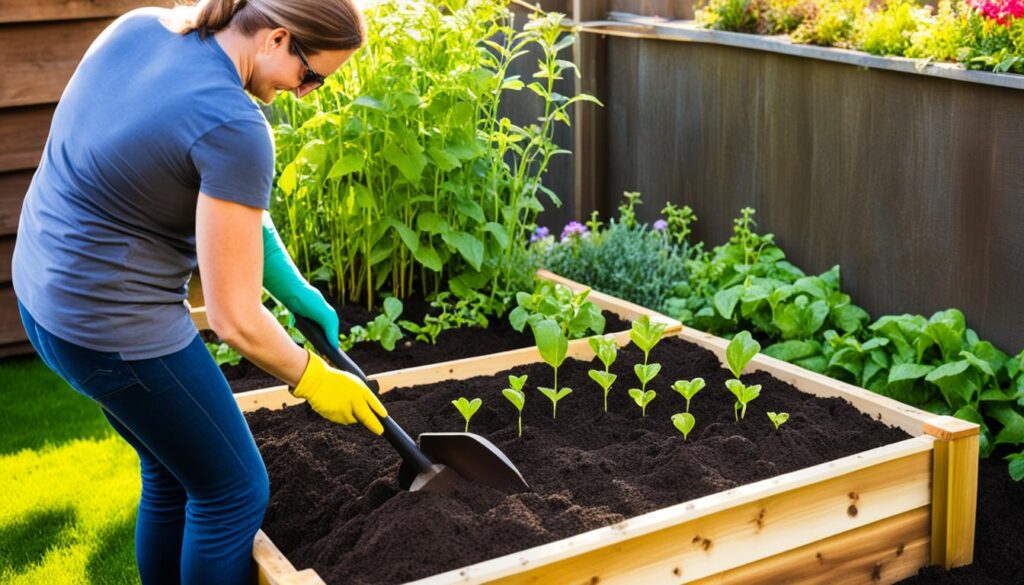
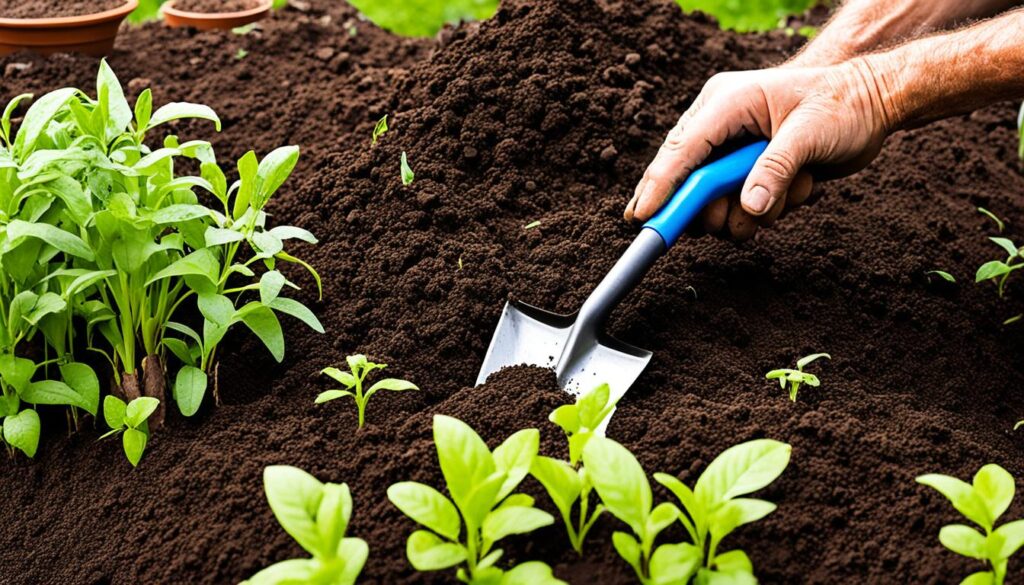
Proper soil preparation is crucial for establishing a strong root system in your laurel hedge. Before planting, ensure that the soil is well-draining and rich in organic matter. This will allow the roots to access essential nutrients and prevent waterlogging, which can result in browning leaves.
Mulching and Root Growth Enhancers
Applying mulch around the base of your laurel hedge can help retain moisture and regulate soil temperature. Additionally, using root growth enhancers during planting can stimulate healthy root development, providing a solid foundation for your hedge.
Regular Pruning
Regular pruning is essential for maintaining the health and appearance of your laurel hedge. By removing diseased or damaged branches, you can prevent the spread of diseases that can cause browning leaves. Pruning also encourages new growth and helps shape the hedge for a neat and tidy appearance.
Protection from Extreme Weather Conditions
Extreme weather conditions, such as harsh winters or scorching summers, can stress laurel hedges and contribute to browning leaves. Providing protection, such as windbreaks or shade during hot weather, can help mitigate these effects and maintain the health of your hedge.

Proper Nutrition through Fertilization
Ensuring that your laurel hedge receives proper nutrition is vital to prevent browning leaves. Regularly fertilize your hedge with a balanced fertilizer to provide essential nutrients. This will help support healthy growth and vibrant foliage.
By implementing these prevention and care tips, you can keep your laurel hedge looking its best, with lush green leaves that are free from browning or discoloration.
Common Causes of Laurel Hedge Discoloration
Discoloration of laurel hedges, which includes the presence of yellow or brown leaves, can be attributed to various factors that affect their health and appearance. Identifying these common causes is crucial in promptly addressing the issue and restoring the vibrant beauty of your laurel hedge.
1. Leaf Spot Fungi and Bacterial Shot Hole Diseases
Leaf spot fungi and bacterial shot hole diseases are common culprits behind the yellow or marbled appearance of laurel hedge leaves. These diseases often manifest as small brown spots with holes on the foliage, resulting in discoloration and compromised visual appeal. Keeping an eye out for these symptoms is important to take appropriate action.
2. Frost Damage
Frost damage can lead to unsightly brown patches on laurel hedge leaves. Particularly during autumn, winter, or spring, exposure to sharp frosts or cold winds without snow cover can cause damage to the foliage. Protecting your laurel hedge during these periods and removing affected leaves can help in maintaining its health and natural green color.
3. Nutrient Deficiencies
Nutrient deficiencies, such as insufficient levels of nitrogen or iron, can result in overall yellowing of laurel hedge leaves. These deficiencies can occur due to inadequate soil nutrition or improper fertilization practices. Regularly monitoring the nutrient levels and providing the necessary amendments can help prevent discoloration and support healthy growth.
By understanding the potential causes of laurel hedge discoloration, including leaf spot fungi, frost damage, and nutrient deficiencies, you can effectively identify and address the issue. Remember to observe the health of your laurel hedge and take the appropriate steps to ensure its longevity and visual appeal.
Proper Pruning Techniques
Pruning is an essential aspect of maintaining the health and appearance of laurel hedges. By employing the correct pruning techniques, we can enhance both the vigor and visual appeal of our hedge plants. One important consideration when pruning laurel hedges is the removal of dead or damaged branches. This not only prevents the spread of diseases but also encourages new growth.
To prevent unsightly brown edges on the leaves, it is crucial to prune at the right time. By conducting pruning before new growth appears in February or after flowering, we can minimize the risk of brown edges. Additionally, using hand scissors rather than electric ones helps minimize leaf damage, allowing the hedge to heal more efficiently.

Soil Preparation and pH
Proper soil preparation is crucial for the health of laurel hedges. When planting a laurel hedge, it’s important to ensure that the soil is well-prepared to provide optimal growing conditions.
To start, avoid planting in compacted soil as it can hinder root growth and lead to waterlogging. This can cause yellowing leaves and overall poor health of the hedge. Prior to planting, it’s recommended to loosen the soil and improve aeration by incorporating organic matter such as compost or well-rotted manure.
Sandy soil can pose a different challenge, as it tends to drain quickly and can result in drought stress for laurel hedges. Conversely, it can also lead to waterlogging during periods of heavy rainfall. To address this issue, maintaining balanced moisture levels is important. Regularly monitoring soil moisture and adjusting watering accordingly can help prevent both under and over watering.
Checking soil pH
Another important aspect of soil preparation for laurel hedges is checking the soil pH. Laurel hedges prefer slightly acidic soil with a pH range of 6.0 to 6.5. Alkaline or overly acidic soil can lead to nutrient deficiencies and chlorosis, causing the leaves to turn yellow.
If your soil pH is outside the desired range, it’s possible to adjust it by adding appropriate amendments. For example, if your soil is too alkaline, you can lower the pH by incorporating organic matter, such as pine needle mulch or sulfur, into the soil. On the other hand, if your soil is too acidic, adding lime can help raise the pH to the ideal range.
By ensuring proper soil preparation and maintaining the appropriate pH, you can create an optimal growing environment for your laurel hedge, promoting healthy growth and minimizing the risk of browning leaves.
Watering and Drainage
Proper watering and drainage are essential for maintaining healthy laurel hedges. In order to prevent yellowing leaves and promote optimal growth, it is important to provide adequate watering during dry periods. This ensures that the hedges are not subjected to drought stress which can lead to wilting and browning of the leaves.
Regularly checking the moisture level of the soil is crucial to prevent both underwatering and overwatering. One simple way to do this is to stick your finger about an inch into the soil. If it feels dry at that depth, it’s time to water. On the other hand, if the soil feels wet or waterlogged, it is a sign of overwatering which can result in root rot and other problems.
Proper drainage is equally important to prevent waterlogging. Waterlogged soil can be detrimental to laurel hedges as it can impede root growth and cause the leaves to turn yellow. To ensure good drainage, incorporate drainage layers such as gravel or rocks at the bottom of the planting hole. This will allow excess water to seep away from the roots, preventing waterlogging.
Fertilization and Nutrient Management
Proper fertilization is essential for the nutrition and health of laurel hedges. A well-nourished hedge is less prone to nutrient deficiencies and the resulting brown leaves.
Adjusting the fertilization schedule based on the specific nutrient requirements of your laurel hedge can help maintain its vibrant color and vitality. Consider factors like the hedge’s age, growth rate, and overall condition when determining the appropriate fertilization regime.
Using a balanced fertilizer is crucial to providing the necessary nutrients to your laurel hedge. Look for a fertilizer with a balanced NPK ratio, such as 10-10-10 or 14-14-14, to ensure it contains essential macro and micronutrients.
Applying the fertilizer at the right time and in the correct amounts is key. Generally, fertilize laurel hedges in early spring before new growth appears and again in late spring or early summer. Avoid fertilizing in late summer or early autumn, as this can stimulate new growth that may be damaged by frost.
When applying the fertilizer, ensure it is evenly distributed around the base of the hedge. Use a garden fork or a specialized fertilizer spreader to achieve an even application.
To enhance nutrient uptake, it’s important to maintain the appropriate soil pH for laurel hedges. These plants prefer slightly acidic soil with a pH level between 6 and 6.5. Adjusting soil pH can be done by adding acidic amendments like sulphur or using pH-adjusting fertilizers.
Regularly monitor your laurel hedge for signs of nutrient deficiencies, such as yellowing leaves or stunted growth. If you notice any deficiencies, consider supplementing with targeted nutrients or consulting a professional gardener for advice.
Preventing Brown Leaves Through Nutrient Management
By implementing proper fertilization and nutrient management practices, you can prevent brown leaves and maintain a lush and healthy laurel hedge. Adequate nutrition will support robust growth, vibrant foliage, and enhanced resistance to pests and diseases.
Taking the time to understand the specific nutrient requirements of your laurel hedge, adjusting fertilization schedules accordingly, and optimizing nutrient uptake through soil pH adjustments are all crucial steps in ensuring your hedge remains in optimal condition.
Remember, a well-fed laurel hedge not only enhances the aesthetic appeal of your garden but also provides a vital habitat for birds and other wildlife. So, invest in the care and nourishment of your laurel hedge to enjoy its beauty for years to come.
Experts’ Advice and Additional Resources
When it comes to caring for your laurel hedge, seeking expert advice can make all the difference. Professional gardeners and horticulturists have the knowledge and experience to address specific issues, whether it’s dealing with browning leaves or overall hedge care. Consulting with these experts can provide valuable insights and guidance tailored to your specific needs.
But don’t forget the wealth of information available online. There are numerous gardening forums, websites, and publications dedicated to plant care, including laurel hedge care tips. These resources offer a treasure trove of advice, from maintenance techniques to troubleshooting common problems. Take advantage of these online gardening resources to enhance your knowledge and improve the health of your laurel hedge.
Remember, caring for your laurel hedge is an ongoing process. Regularly seeking expert advice, both from professionals and online sources, will keep you informed and empowered to make the best decisions for your hedge’s wellbeing. So, explore the expert advice and gardening resources available, and watch your laurel hedge thrive.