
Nandina plants are an attractive addition to any garden, with their delicate foliage and vibrant colors. However, if you find that your nandina is not growing as expected, it can be frustrating. There are several potential causes for stunted growth, but don’t worry, with a little troubleshooting and care, you can help your nandina thrive.
Let’s explore some common growth issues that nandina plants may face and discover ways to promote healthy growth.
Key Takeaways
- If your nandina is not growing, it may be due to various factors such as poor draining soil, cold weather, deer damage, or improper fertilizer application.
- Understanding nandina’s growth habits can help you provide the ideal conditions for its growth, including full sun to partial shade and well-drained soil.
- Proper planting techniques, such as choosing the right location and spacing the shrubs appropriately, are essential for nandina’s growth.
- Adequate watering practices, deep and infrequent watering, help establish the root system and prevent issues like root rot.
- Annual pruning, particularly in the fall, promotes denser growth and can shape the plant as desired.
Understanding Nandina Growth Habits
Nandina domestica, also known as heavenly bamboo, is an evergreen shrub that can reach heights of up to 4 feet. This beautiful plant prefers a sunny to partially shaded location and well-drained soil. However, nandina is a slow-growing shrub and might encounter growth issues if the ground is too wet or the roots become waterlogged.
Nandina is a popular choice for many garden enthusiasts due to its unique foliage and vibrant colors. To ensure your nandina thrives and displays its full growth potential, it’s essential to understand its growth habits and provide the optimal conditions it needs to flourish.
Proper Planting Techniques
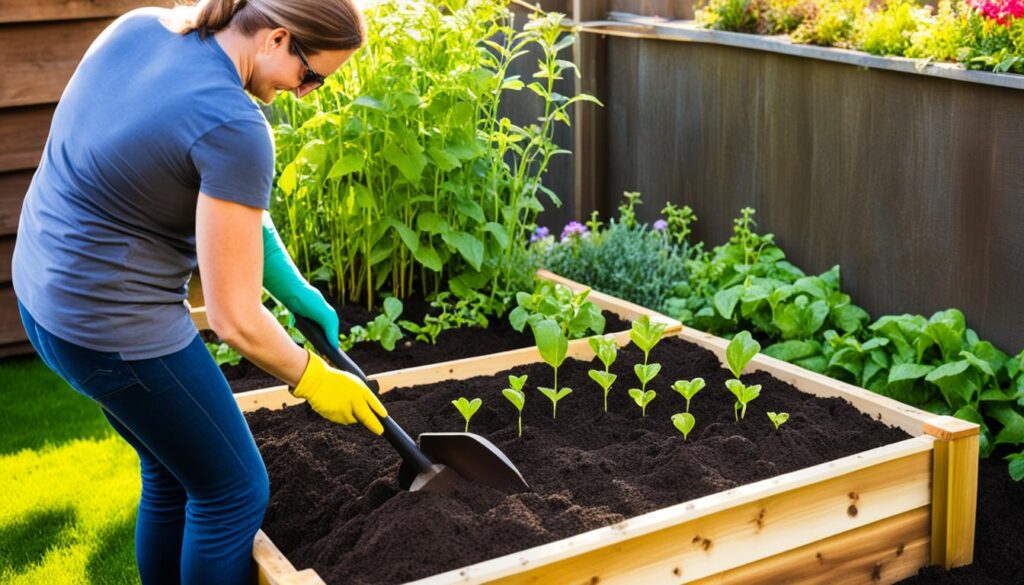
When it comes to planting nandina shrubs, proper techniques are essential for ensuring their success in your garden. Taking the necessary steps to create an ideal planting environment will not only contribute to the growth and thriving of your nandina plants but also enhance their overall health and beauty.
When selecting a site for your nandina shrubs, choose an area that receives full sun or light afternoon shade. This will provide the optimal amount of sunlight for their growth and ensure they flourish in the long term.
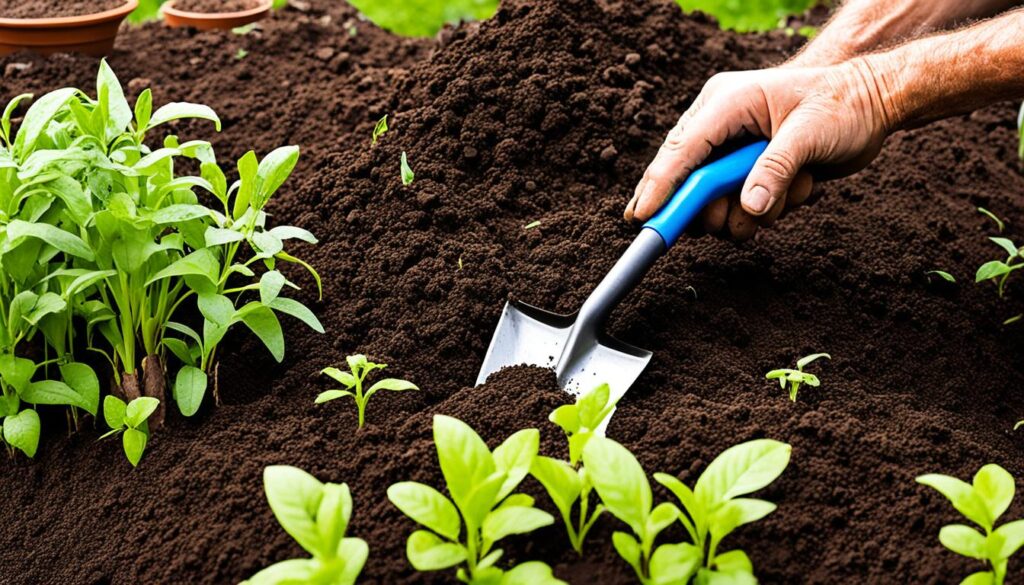
It’s important to ensure that the soil in your chosen planting area is well-drained and rich in organic matter. Nandinas prefer soil that is loose, fertile, and capable of retaining moisture without becoming waterlogged. This will promote healthy root development and prevent the risk of root rot, which can impede their growth.
When spacing your nandina shrubs, consider their mature size as a guide. Allow ample room for each plant to grow and expand, ensuring they have enough space to flourish without overcrowding. This will promote proper air circulation and prevent competition for nutrients, allowing each individual plant to thrive.
During the actual planting process, take care not to bury the base of the nandina shrub too deeply. The root flare, where the stem meets the roots, should be slightly above the soil level to prevent the risk of rot and ensure proper oxygen flow to the roots. Gently backfill the hole with soil and firm it around the plant to provide stability.
After planting, it is crucial to water your nandina shrubs thoroughly to help establish their root systems. This initial watering will encourage the roots to take hold and adapt to their new surroundings, enabling the plants to absorb the necessary nutrients and moisture for growth. Regular watering will be required during the first year after planting, especially during dry spells, to ensure that the plants remain adequately hydrated.
Planting Nandina Shrubs: Step by Step
- Select a sunny or lightly shaded spot in your garden.
- Prepare the soil by ensuring it is well-drained and rich in organic matter.
- Space the nandina shrubs according to their mature size, providing sufficient room for growth.
- Plant the shrubs, making sure not to bury the base too deeply.
- Water the newly planted shrubs thoroughly to establish their root systems.
Adequate Watering Practices
When it comes to maintaining the health and vitality of your Nandina plants, proper watering practices are key. While Nandinas are generally drought-tolerant once established, they require consistent moisture during their first year of planting to help develop strong root systems. However, it’s important to strike a balance and avoid overwatering, which can lead to root rot and other diseases.
The best approach is to water deeply and less frequently, allowing the soil to dry out slightly between watering. This helps promote healthy root growth and prevents waterlogged conditions that could hinder the plant’s flourishing. By allowing the soil to dry out a bit between waterings, you encourage the Nandina to develop a robust root system that can efficiently absorb moisture from the soil.
Proper watering techniques can help address issues if your Nandina plant is not flourishing or thriving as expected. By providing adequate but controlled hydration, you create an environment in which your Nandina can grow and thrive. Remember, the goal is to mimic the plant’s natural water needs without overburdening the roots or suffocating them with excess moisture.

By using a deep watering method, you can ensure that the water penetrates the soil, reaching the root system where it is most needed. This can be achieved by using a soaker hose or watering directly at the base of the plant, allowing the water to slowly seep into the soil.
It’s also worth considering the specific conditions of your garden or landscape. Factors such as soil type, drainage, and local climate can all impact how frequently you should water your Nandina plants. If you’re unsure, a simple soil moisture test can help determine when it’s time to water.
Remember, providing adequate water to your Nandina plants is crucial during their establishment period. Once they develop strong roots and become more drought-tolerant, you can adjust your watering routine accordingly. By following these watering practices, you’ll be well on your way to helping your Nandina thrive and flourish.
Fertilizing for Healthy Growth
When it comes to nurturing your Nandina plants and ensuring their healthy growth, fertilizing plays a vital role. Proper fertilization helps preserve the vitality of the plant and promotes blooming. Here are some tips for fertilizing your Nandina shrubs:
1. Choose the Right Fertilizer
For optimal growth, use a slow-release fertilizer specifically formulated for shrubs and trees. Look for a balanced fertilizer with a ratio like 10-10-10 or 14-14-14. These numbers indicate the percentages of nitrogen, phosphorus, and potassium, respectively, which are essential nutrients for plant growth.
2. Apply at the Base
When applying fertilizer to your Nandina plants, make sure to sprinkle it evenly around the base of the plant, taking care to avoid direct contact with the trunk. This allows the roots to absorb the nutrients effectively.
3. Water Deeply
After fertilization, it’s crucial to water your Nandina shrubs deeply. This helps prevent root burning and ensures that the nutrients reach the roots effectively. Watering deeply encourages the roots to grow deeper into the soil, providing stability and access to essential resources.
4. Timing is Key
Timing is important when it comes to fertilizing Nandina shrubs. It’s best to apply the fertilizer in early spring or early autumn when the plant is actively growing. This will provide the much-needed nutrients at the right time, supporting healthy growth.
By following these tips and regularly fertilizing your Nandina shrubs with a slow-release fertilizer, you can help ensure their healthy growth and vibrant appearance.
Pruning Techniques for Nandina
When it comes to promoting healthy growth and maintaining the shape of your Nandina shrubs, annual pruning is key. Pruning helps rejuvenate the plant and encourages new growth, ensuring its overall vitality.
One important pruning technique is thinning out older stems in the fall. By removing a few of the older stems from the shrub, you can promote airflow and light penetration, resulting in a denser plant. This technique is particularly beneficial for larger Nandina varieties.
Dwarf varieties require less pruning but can still be shaped as desired. If you want to maintain a specific shape or size for your Nandina, prune the small branches accordingly.
If your Nandina shrub has become too tall and is overpowering the landscape, you can reduce its height by selectively cutting some of the taller stems. This will help maintain the overall balance and proportion of your garden.
Remember that after pruning, you can make use of the cut stems in floral arrangements, adding an extra touch of beauty to your home.
By following these pruning techniques, you can ensure that your Nandina shrubs remain healthy, well-structured, and visually appealing throughout the year.
Caring for Nandina in Pots
When it comes to growing Nandina plants, container gardens can be a great option. However, it’s important to provide the right conditions to ensure their growth and vitality. Here are some tips for caring for Nandina in pots:
- Choose the right soil: Nandina plants thrive in well-drained soil that is moist but not constantly soggy. This helps prevent the risk of root rot or other diseases. A good potting mix with added organic matter can provide the ideal growing medium.
- Ensure proper drainage: It’s crucial to select a container with adequate drainage holes to prevent water from accumulating at the bottom. This allows excess water to escape and ensures the roots do not become waterlogged.
- Container size: Choose a container that allows for 2 to 3 years of growth before the need for repotting arises. This provides ample space for the roots to grow, promoting healthy development.
- Watering: Regularly monitor the moisture levels in the potting mix. Watering should be done when the top inch of soil feels dry to the touch. It’s important to strike a balance between providing enough moisture without overwatering.
- Location: Place the container in an area that receives the appropriate amount of sunlight for your specific Nandina variety. Most Nandina plants prefer full sun to partial shade. Keep in mind that too much direct sunlight may cause leaf scorching.
- Fertilization: Fertilize Nandina plants in pots with a slow-release fertilizer specifically formulated for container plants. Follow the instructions on the fertilizer packaging for proper application rates and timing.
By implementing these tips, you can ensure that your Nandina plants thrive and flourish in pots, adding beauty and elegance to your outdoor space.
Winter Care for Nandina
During the winter months, it’s important to take special care of your Nandina shrubs to ensure their health and vitality. Here are some tips for winter care:
Firstly, it’s crucial to plant your Nandinas in their appropriate USDA hardiness zone. These evergreen plants are resilient and can withstand cold temperatures when planted in the right zone. This ensures they can thrive and survive the winter months.
Minimal watering is needed during winter for Nandinas, as they are relatively drought-tolerant. However, it’s important to monitor the leaves. If they start to wilt or droop, it’s a sign that the shrub is becoming dehydrated and requires watering.
To protect the roots of your Nandina shrubs from the cold temperatures, apply a layer of mulch around the base of the plant. This acts as insulation and helps maintain a stable soil temperature.
In late winter, you can also consider pruning your Nandinas. This not only helps promote healthy growth when spring arrives but also allows you to shape the shrub as desired. It’s best to prune after the coldest part of winter has passed.
By following these winter care tips, you can ensure the continued growth and beauty of your Nandina shrubs, setting the stage for a vibrant garden in the upcoming seasons.

Common Nandina Care Questions
As a Nandina plant owner, you may have some questions about its care. Understanding the answers to these common questions can help you troubleshoot any growth issues and provide the best possible care for your Nandina plants.
Why isn’t my Nandina plant growing?
If you notice that your Nandina plant is not growing as expected, there could be several reasons for this. Poor soil drainage, cold weather conditions, or deer damage may be hindering its growth. Evaluating the specific conditions of your Nandina plants and taking appropriate action will encourage healthy growth.
Is Nandina an invasive plant?
No, Nandina is not considered an invasive plant. It is a non-native species that adapts well to garden settings but does not pose a threat to native ecosystems.
What soil acidity does Nandina prefer?
Nandina plants prefer slightly acidic soil with a pH level between 5.0 and 6.5. Maintaining the appropriate soil acidity will promote healthy growth and overall plant vitality.
What are the sunlight requirements for Nandina?
Nandina plants thrive in full sun to partial shade. They require at least six hours of direct sunlight daily to ensure proper growth and development. If your Nandina is not receiving enough sunlight, consider relocating it to a sunnier spot in your garden.
If you have any more questions about caring for your Nandina plants, feel free to reach out to me. I’m here to help you troubleshoot any growth problems and provide the best guidance for nurturing your Nandina plants.
How to Grow Nandina
To grow Nandina successfully, choose a well-drained spot with full sun or partial shade. Nandina plants thrive in a location that receives at least 4-6 hours of sunlight per day. Planting in spring or autumn is ideal for the establishment of the shrubs.
When selecting the planting site, make sure the soil is slightly acidic with a pH level between 5.0 and 6.5. If needed, amend the soil with organic matter or compost to improve its quality and drainage. Nandina plants do not tolerate waterlogged or clay-heavy soils.
Mulching is crucial for maintaining soil moisture and temperature stability, especially during extreme weather conditions. After planting your Nandina, apply a layer of bark chippings mulch around the base of the plant. This will help retain moisture and prevent weed growth.
Nandina is relatively low maintenance and requires minimal pruning. However, light pruning in spring can help shape the plant and remove any dead or damaged branches. Pruning should be done sparingly to avoid stimulating excessive growth.

In addition to the proper care techniques mentioned above, it is essential to provide regular watering, especially during the first year after planting. Keep the soil consistently moist, but avoid overwatering, as excessive moisture can lead to root rot and hinder growth. Watering deeply and less frequently is generally recommended, allowing the soil to dry out slightly between watering sessions.
By following these tips, you can ensure optimal growth for your Nandina plants and enjoy their vibrant foliage throughout the year.
Propagation and Buying Tips
If you’re looking to expand your collection of Nandina plants or replace existing ones, there are a couple of options to consider. Propagation through cuttings or rooted runners is a viable method for increasing your Nandina population.
Cuttings are a popular way to propagate Nandina. Here’s how you can do it:
- Select healthy, non-flowering stems from an established Nandina plant.
- Make a clean, angled cut just below a leaf node using sharp, sterilized pruning shears.
- Remove any leaves from the lower half of the cutting.
- Dip the cut end in a rooting hormone to promote root development.
- Plant the cutting in a pot filled with well-draining soil, ensuring the leaf node is buried.
- Keep the cutting in a warm, humid environment and water it regularly.
- After a few weeks, you should see roots forming, indicating successful propagation.
Rooted runners are another option for propagating Nandina. Here’s what you need to do:
- Locate any runners (long, thin stems) that have rooted themselves away from the main plant.
- Gently dig up the runner, being careful not to damage the roots.
- Replant the runner in a new location or pot with well-draining soil.
- Water the runner regularly to ensure it establishes itself in its new spot.
When purchasing Nandina plants, it’s essential to choose healthy specimens to avoid potential growth issues. Inspect the plants thoroughly for signs of pests, diseases, or damage. Look for vibrant foliage, sturdy stems, and well-developed root systems.
Online retailers offer a convenient way to buy Nandina plants. Here are a few reputable options to consider:
These retailers provide a variety of Nandina plants for purchase, allowing you to select the perfect additions to your garden.
Recommended Nandina Varieties
If you’re looking to add some stunning variety to your garden, consider growing Nandina plants. There are several recommended varieties to choose from, each offering unique leaf colors and characteristics that can suit different garden styles and sizes.
One popular variety is the Nandina domestica. With its graceful growth habit and delicate foliage, it adds an elegant touch to any landscape. Another option is the Nandina domestica ‘Fire Power’, which stands out with its vibrant red foliage, making it a focal point in any garden.
For those who prefer a more compact option, the Nandina domestica ‘Obsessed’ is a perfect choice. Its dense growth and rich burgundy foliage create a stunning display. If you’re looking to brighten up your garden, consider the Nandina domestica ‘Magical Lemon and Lime’, known for its vibrant yellow-green leaves that bring a refreshing pop of color.
Lastly, the Nandina domestica ‘Gulf Stream’ is an excellent choice for smaller spaces or as a low hedge. Its dense foliage and bronze-red hues add depth and interest to any garden design. With such a diverse range of varieties, there’s a Nandina plant for every garden enthusiast.