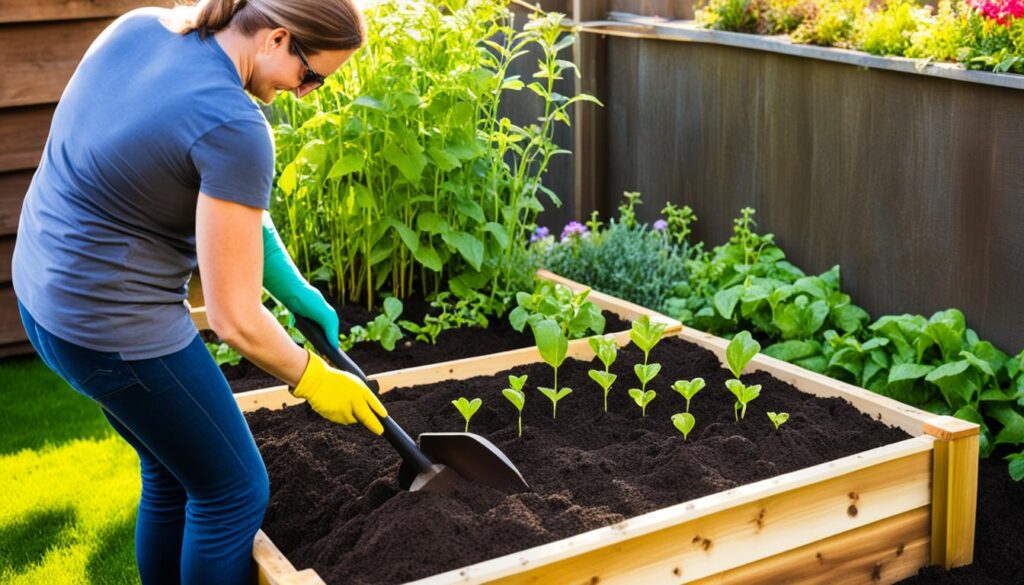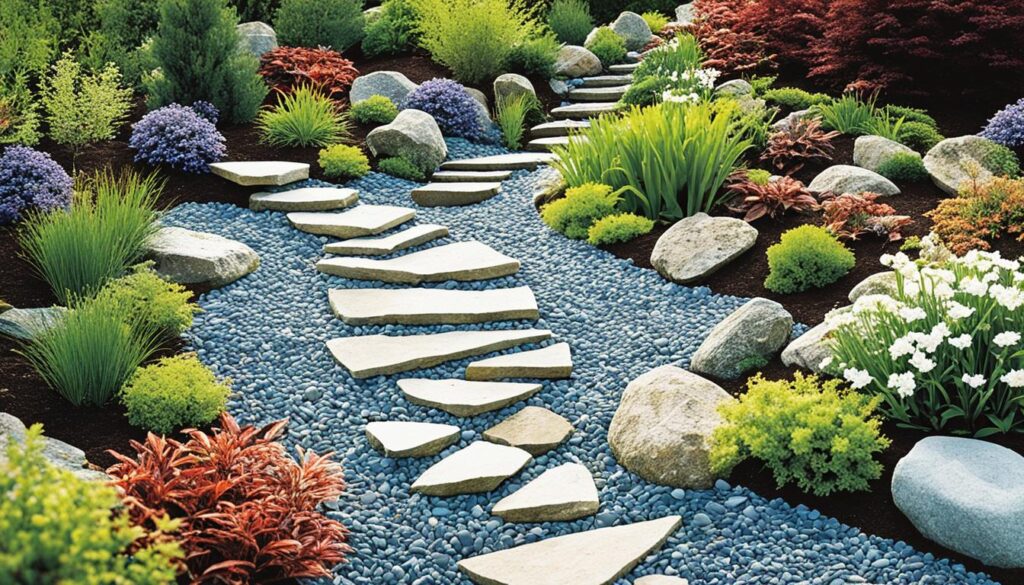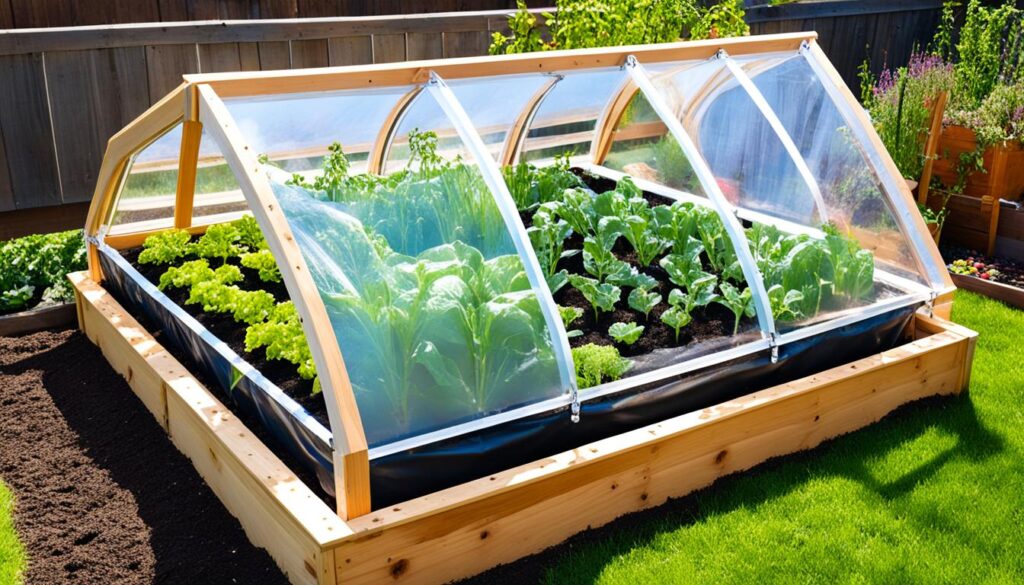

Adding sand to soil can have several benefits for gardeners. It can improve soil drainage, enhance soil structure, and promote proper airflow for soil microbes. Sand can also help maintain a higher temperature in the soil and is particularly beneficial for growing vegetable crops. However, it’s important to consider the potential drawbacks, such as fast drying and increased acidity in the soil. By understanding both the pros and cons, gardeners can make informed decisions about whether to add sand to their soil and how to mitigate any negative effects.
Key Takeaways:
- Adding sand to soil improves drainage, enhances soil structure, and promotes proper airflow for soil microbes.
- Sand can help maintain a higher temperature in the soil, benefiting vegetable crops.
- Consider potential drawbacks like fast drying and increased soil acidity.
- Gardeners can mitigate negative effects by incorporating organic matter and monitoring soil moisture and pH levels.
- Addition of various soil amendments promotes healthy soil and plant growth.
The Pros of Adding Sand to Soil
Adding sand to soil can bring numerous benefits to your garden. One of the key advantages is the improvement of soil drainage. With its larger particles and the spaces between them, sand allows water to flow freely through the soil, preventing waterlogging and promoting healthier root growth.
Moreover, sand plays a significant role in creating a soil structure that is favorable for the growth of beneficial soil microbes. These microbes are essential in breaking down organic matter and releasing nutrients that plants need for their growth and development. By incorporating sand into the soil, you can create an environment that supports the thriving of these beneficial microbes, thereby enhancing overall soil health.
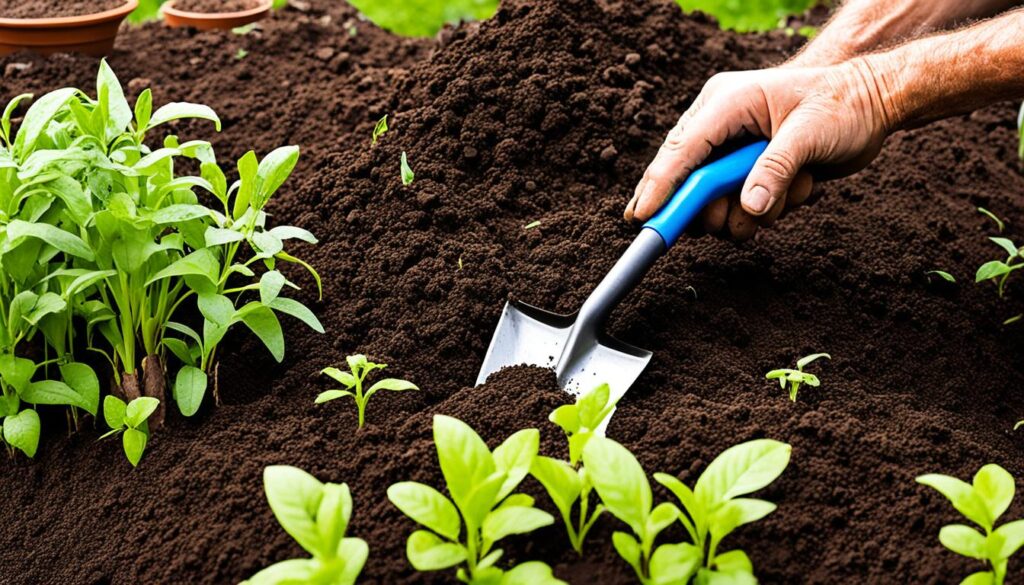
In order to visualize the importance of sand in improving soil drainage, take a look at the image below:
Improved Soil Drainage with Sand
- Benefit 1: Prevents waterlogging
- Benefit 2: Promotes healthier root growth
- Benefit 3: Creates a soil structure favorable for beneficial soil microbes
By taking advantage of these benefits, gardeners can create an optimal growing environment for their plants, ensuring they have access to the nutrients and moisture necessary for their well-being. Whether you’re growing flowers, vegetables, or other types of plants, incorporating sand into your soil can have a positive impact on their overall health and vitality.
Sand for Temperature Regulation
Adding sand to soil can provide an additional advantage of temperature regulation. Sandy soil has a unique property of heating up faster than other soil types. When I incorporate sand into my soil, I create a mixture that can maintain a higher temperature. This aspect is especially beneficial during the germination process of plants, as warmer soil temperatures can promote quicker and more successful seed germination.
However, it’s crucial to note that excessive sand content can lead to increased heat in the soil, which can potentially harm sensitive plant roots. Therefore, careful monitoring is necessary to strike the right balance and avoid any negative impact on plant growth and wellbeing.
Suitable for Vegetable Crops
Sandy soil is incredibly beneficial for growing vegetable crops. Its loose texture allows roots to penetrate easily, promoting healthy root development and ensuring optimal aeration. Moreover, sandy soil is particularly advantageous for root crops like carrots and radishes, as it encourages better root growth and minimizes fibrous roots. Additionally, the texture of sandy soil makes it much easier to clean vegetables after harvest, as it doesn’t cling to the produce like more clay-rich soils.
When growing vegetables, it’s crucial to create an environment that promotes their growth and development. Sandy soil’s properties make it an excellent choice for vegetable crops, boosting their overall health and productivity.
The Cons of Adding Sand to Soil
While there are benefits to adding sand to soil, there are also some potential drawbacks to consider. One of the main risks of adding sand to soil is that it can cause the soil to dry out quickly. Sand particles do not retain moisture well, which means that plants growing in sandy soil may require more frequent watering to prevent dehydration.
Another disadvantage of adding sand to soil is that it can make the soil more acidic. While some plants thrive in acidic environments, others may require a more neutral pH. It’s important to monitor the pH levels of the soil and make any necessary amendments to create a suitable growing environment for the desired plants.

Despite these challenges, it’s possible to mitigate the negative effects of sand in soil. By incorporating organic matter, such as compost or well-rotted manure, into the sandy soil, gardeners can improve water retention and reduce the need for excessive watering. Additionally, carefully selecting plants that thrive in sandy soil can optimize growing conditions and minimize the disadvantages associated with adding sand.
Addressing the Cons
To mitigate the negative effects of adding sand to soil, there are steps gardeners can take. Addressing the issue of rapid drying requires frequent watering to provide adequate moisture to the plants. By ensuring that the sandy soil receives regular irrigation, gardeners can improve water retention and prevent excessive dehydration.
In addition to regular watering, incorporating organic matter into the sandy soil can significantly enhance its water retention capabilities. Compost or well-rotted manure can be mixed into the soil, creating a more moisture-retentive environment. This improvement in water retention helps the soil hold onto moisture for longer periods, reducing the need for excessive watering and enhancing the health of the plants.
If the addition of sand has led to an increase in soil acidity, it is vital to amend the pH level accordingly. Gardeners can achieve this by adding appropriate materials to balance the pH and create a more suitable growing environment for plants. Organic matter, such as compost or peat moss, can effectively help neutralize acidity and restore a neutral pH level.
Monitoring salt levels in sandy soil is also essential. Excessive salt content can have detrimental effects on plant growth. Regular soil testing can help gardeners identify any salt build-up and take appropriate measures to address it, such as leaching with excess water or using specific compost mixtures.
The Importance of Soil Amendments
Adding sand to soil is just one form of soil amendment. It’s important for gardeners to understand the role of soil amendments in general to improve soil quality. Soil amendments can improve soil quality by enhancing its structure and providing essential nutrients for plant growth.
One key soil amendment is organic matter, which includes materials like compost, leaf mould, or well-rotted manure. When added to the soil, organic matter helps with various aspects of soil health. Firstly, it retains water, ensuring that plants have a steady supply of moisture. This is especially critical during dry periods or in sandy soils where water can drain quickly. Secondly, organic matter improves nutrient availability by breaking down into components that plants can readily absorb. This leads to healthier and more productive plants. Thirdly, organic matter contributes to the overall soil structure by promoting a loose and crumbly texture. This aids in proper root development and allows for better airflow and drainage.
In addition, organic matter added to the soil plays a vital role in supporting the growth of beneficial soil microbes. These microbes, such as bacteria and fungi, interact with organic matter, aiding in the cycling of nutrients and helping to maintain a balanced soil ecosystem. This microbial activity enhances the fertility of the soil and provides a continuous supply of necessary nutrients for plant growth.
Incorporating various soil amendments, including organic matter, can create a healthy and fertile soil environment for plants to thrive. By understanding the role of organic matter and other soil amendments, gardeners can take proactive steps to improve soil quality, enhance nutrient availability, and bolster overall plant health.

Tips for Gardeners
Gardeners considering adding sand to their soil can benefit from some helpful tips. Firstly, it’s important to choose the right soil amendments that can help retain water and improve nutrient content. Grass clippings, leaf mould, and well-rotted manure are excellent choices. These organic materials not only enrich the soil but also contribute to its water-holding capacity, ensuring that your plants receive the necessary moisture.
During dry periods, increasing the frequency of watering can help optimize soil health. Sandy soil tends to drain quickly, so watering more often can help plants maintain adequate moisture levels. Additionally, using mulch around your plants can help conserve moisture and prevent evaporation, reducing the need for excessive watering.
Lastly, selecting suitable plants for sandy soil is essential for successful gardening. By choosing plants that are well-adapted to sandy soil conditions, you can maximize the benefits of adding sand to your soil. Some examples of plants that thrive in sandy soil include lavender, rosemary, and succulents. These plants are well-known for their ability to tolerate well-draining soil and require less maintenance.
Additional Tips
- Regularly monitor the moisture levels of your soil to ensure optimal conditions for plant growth.
- Keep in mind that sandy soil may require more frequent fertilization due to its lower nutrient content. Consider using slow-release fertilizers to provide a steady supply of essential nutrients.
- If you’re unsure about the pH of your soil, consider conducting a soil test to determine if any amendments are necessary to create the ideal growing environment.
By following these tips, you can effectively amend your soil, optimize its health, and create a thriving garden in sandy soil conditions. Remember, it’s essential to choose the right soil amendments, manage moisture levels, and select suitable plants to ensure long-term gardening success.
Clay Soil, Sandy Soil, and Drainage
When it comes to soil drainage, many people believe that adding sand to clay soil is the solution. However, this approach may not be as effective as it seems. Clay soils naturally have a slow drainage rate, while sandy soils drain quickly. The addition of sand to clay soil can actually create a more compact soil, as the clay particles fill in the spaces between the sand particles. This can further exacerbate drainage issues.
If you’re looking to improve the drainage of clay soil, there are better alternatives. Instead of adding sand, I recommend focusing on the regular addition of organic matter. Compost, leaf litter, and well-aged manure can work wonders for clay soil. These organic amendments help improve the soil structure and promote better drainage by creating a more porous environment. The organic matter also provides essential nutrients for plant growth, making it a more holistic solution for improving clay soil.
It’s important to remember that soil improvement takes time and patience. Adding organic matter every year and allowing it to break down gradually will yield the best results. Over time, the improved soil structure will enhance the drainage characteristics of clay soil, providing a healthier growing environment for your plants.

By focusing on improving clay soil through organic amendments, you can create a better-draining soil that promotes healthy plant growth. Avoid the temptation to simply add sand, as this can have unintended consequences. Instead, nurture your soil by adding organic matter regularly and watch your garden thrive.
Understanding Soil Particle Size and Texture
To understand why adding sand to soil may not be the best solution, it’s important to grasp the concept of soil particle size and texture. Soil particles can be classified into three main categories: sand, silt, and clay. Sand particles are the largest, silt particles are intermediate in size, and clay particles are the smallest. The relative percentages of these particles in a soil determine its texture.
Sandy soil has a high percentage of sand particles, while clay soil has a high percentage of clay particles. Mixing sand into clay soil does not effectively change its texture or drainage characteristics. The natural development of soil over time is influenced by various factors, and mimicking this process through artificial mixing is not feasible on a large scale.
The different sizes of soil particles have unique properties that affect soil behavior. Sand particles, being larger and more angular in shape, create larger pores in the soil structure. This allows for improved drainage and airflow, as water and air can easily move through the spaces between the particles. Silt particles are smaller than sand but larger than clay, giving soils with a higher silt content a smoother texture.
Clay particles, being the smallest, are flat and plate-like, giving clay soils their stickiness and ability to retain water. The tightly packed particles in clay soil create very small pores, resulting in poor drainage and aeration. These characteristics make clay soils prone to compaction and waterlogging, making them less suitable for many plants.
It’s important to note that the particle size and texture of soil can impact nutrient availability as well. Sandy soils, with their larger particle size and increased pore space, tend to have lower nutrient-holding capacity. On the other hand, clay soils, with their smaller particle size and higher surface area, have a greater ability to hold onto nutrients.
By understanding the composition and behavior of different soil types, gardeners can make informed decisions about soil amendments and select appropriate plants for their gardening needs. It’s crucial to consider factors such as soil particle size and texture when aiming to improve soil quality and create an optimal growing environment for plants in the long run.
The Role of Organic Matter
Organic matter is crucial for maintaining the health and fertility of soil. When we add organic matter, like compost, to the soil, it enhances the structure, improves its water-holding capacity, and enriches its nutrient content. This process is essential for creating an optimal environment for plants to flourish.
What’s fascinating is that organic matter doesn’t work alone; it nourishes the soil microbiome. The soil microbiome consists of beneficial bacteria, fungi, and other microorganisms. These microscopic superheroes are responsible for nutrient cycling, breaking down organic matter into forms that plants can easily absorb and utilize for their growth.
By incorporating organic matter into the soil, gardeners can create a thriving soil ecosystem that supports abundant plant growth. The presence of a healthy soil microbiome enhances soil fertility, increases nutrient availability, and promotes better overall soil health. With the right balance of organic matter and soil amendments like sand, we can optimize our soil for successful gardening.