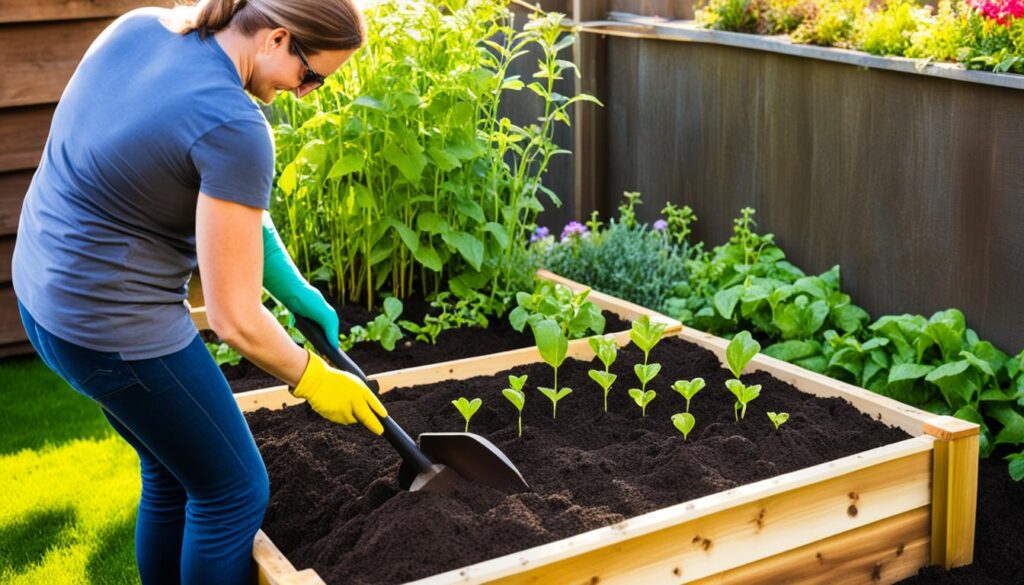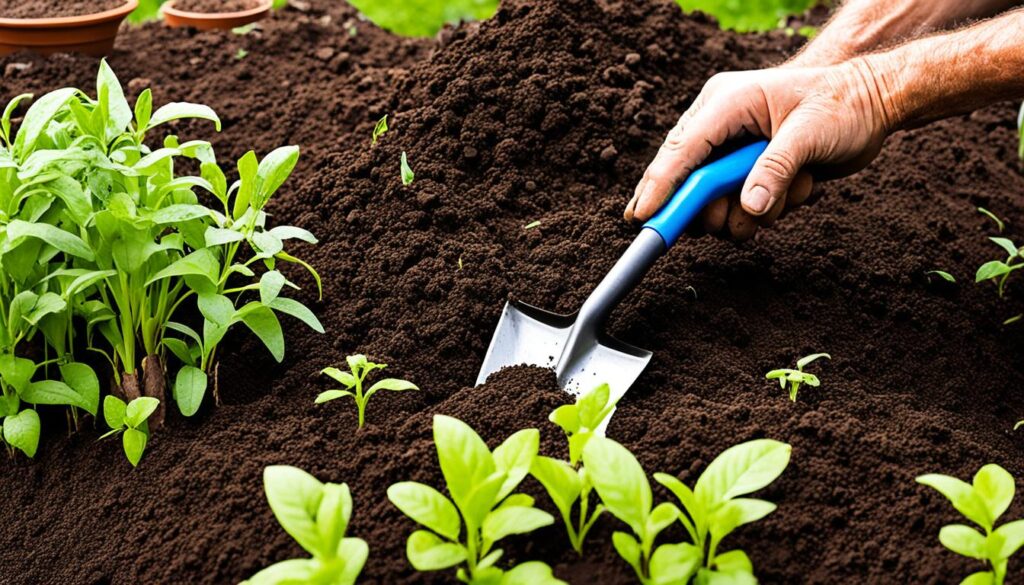

Compost is a fascinating and powerful resource that offers a multitude of benefits for plants and the environment. As a copywriting journalist, I am here to shed light on why compost is an excellent fertiliser for plants.
Compost, made from decomposing organic matter like plants and food waste, enriches and enhances the soil. It provides essential nutrients such as nitrogen, phosphorus, and potassium, which are vital for plant growth. Additionally, compost improves the soil’s ability to retain these nutrients, creating a fertile environment for plants to thrive.
Besides nutrient supply, compost also nourishes the soil, promoting the growth of beneficial bacteria and fungi. These microorganisms enhance soil health, support moisture retention, and contribute to natural pest and disease control. By using compost, gardeners can reduce their reliance on chemical fertilisers and create a more sustainable gardening practice.
But the benefits of using compost don’t stop there. Composting also plays a vital role in reducing landfill methane emissions and minimizing our carbon footprint, making it an environmentally friendly choice. By diverting organic waste from landfills, we can turn it into a valuable resource for nourishing plants and improving the health of our soil.
Key Takeaways:
- Compost is a mix of decomposed organic materials that enriches and enhances the soil.
- It provides essential nutrients for plant growth and improves the soil’s ability to retain these nutrients.
- Compost nourishes the soil, promotes beneficial microorganisms, and supports natural pest and disease control.
- Using compost reduces the need for chemical fertilisers and contributes to a more sustainable gardening practice.
- Composting helps reduce landfill methane emissions and minimizes our carbon footprint, making it eco-friendly.
Compost vs. Fertilizer: Understanding the Difference
When it comes to gardening, it’s important to understand the difference between compost and fertilizer. While both play a vital role in plant growth, they serve different purposes.
Compost is a natural soil amendment that nourishes the soil, improving its quality and structure. It is made by decomposing organic materials such as plant waste, food scraps, and yard trimmings. Compost supplies essential nutrients to the soil, providing a balanced diet for plants. It supports the soil’s health and balance by promoting beneficial bacteria and fungi, retaining moisture, and suppressing plant diseases and pests. Compost acts as a slow-release fertilizer, gradually releasing nutrients over time to ensure long-term plant health and growth.
Fertilizer, on the other hand, directly provides specific nutrients to plants, giving them an immediate boost. Unlike compost, which enhances the overall soil fertility, fertilizer is designed to provide targeted nutrition to address specific nutrient deficiencies in plants. Fertilizers are available in different formulations, each tailored to the specific needs of different plants and growth stages. They can be applied as granules, liquids, or powders, depending on the plant’s requirements.
Both compost and fertilizer have their roles to play in maintaining healthy plants and soil. Compost nourishes the soil, creating a supportive environment for plant growth, while fertilizer provides direct nutrients to address immediate plant needs. By understanding the difference between compost and fertilizer, gardeners can make informed choices and optimize the health and productivity of their garden.
Benefits of Using Compost for Plants
Using compost as a natural fertiliser offers numerous benefits for plants. It enriches the soil, improving its structure and nutrient content. Compost provides a range of essential nutrients, including nitrogen, phosphorus, and potassium, which are vital for plant growth and development. These nutrients are released slowly, ensuring a steady supply for plant uptake and reducing the risk of nutrient leaching.
Compost also plays a crucial role in improving soil health and fertility. It supports the growth of beneficial bacteria and fungi that break down organic materials into humus, a dark and nutrient-rich substance. Humus helps to create a well-aerated soil structure, enhancing root development and nutrient absorption.
Another benefit of compost is its ability to retain moisture in the soil. By absorbing and holding water, compost helps to prevent soil erosion, reduce water runoff, and minimize the frequency of irrigation. This is particularly beneficial in dry and arid regions, as it helps conserve water and improves overall plant health.
Compost also acts as a natural pest and disease suppressor. The beneficial microorganisms present in compost help to control harmful pathogens and pests, reducing the need for chemical pesticides. This promotes a healthier and more sustainable gardening environment.
In addition to benefiting plant health, using compost as a natural fertiliser has positive implications for the environment. Composting reduces the amount of organic waste ending up in landfills, which helps to minimize the release of methane gas—an influential greenhouse gas. By diverting organic waste to composting processes, carbon emissions are reduced, contributing to a more sustainable and eco-friendly gardening practice.
In conclusion, the benefits of using compost for plants are significant. From improving soil structure and nutrient content to conserving water, suppressing pests and diseases, and reducing environmental impact, composting provides a holistic approach to gardening. By embracing composting and incorporating it into gardening practices, we can reap the rewards of healthy and thriving plants, while also contributing to a more sustainable future.
Compost and Fertilizer: A Winning Combination
When it comes to gardening, using compost and fertilizer together is a winning combination. Compost and fertilizer have distinct roles, yet they work harmoniously to promote healthy plant growth and improve soil quality.
Compost, a nutrient-rich organic matter, nourishes the soil by enhancing its quality and structure. It supplies essential nutrients and beneficial microorganisms, creating a fertile environment for plants to thrive. Additionally, compost improves moisture retention, prevents soil erosion, and reduces the need for chemical fertilizers.
On the other hand, fertilizer provides specific nutrients directly to the plants. It delivers a quick boost of essential elements like nitrogen, phosphorus, and potassium that plants require for optimal growth and development.
Benefits of Using Compost and Fertilizer Together
By combining compost and fertilizer, gardeners can leverage the strengths of both to maximize the benefits for their plants. Here are some advantages of using compost and fertilizer together:
- Balanced and complete nutrition: Compost enriches the soil with a wide range of nutrients, minerals, and organic matter, while fertilizer provides targeted nutrition to supplement specific nutrient deficiencies.
- Improved soil health: Compost enhances soil structure, promotes beneficial microorganisms, and increases the soil’s ability to retain moisture, creating a nutrient-rich and well-aerated environment for plant roots. This, in turn, supports the efficient uptake of nutrients provided by the fertilizer.
- Increased crop productivity: The combination of compost and fertilizer ensures that plants have access to a consistent supply of nutrients, enabling them to grow vigorously and yield abundant harvests.
- Reduced environmental impact: Using compost and fertilizer together helps reduce the need for synthetic chemicals, minimizes nutrient runoff, and promotes sustainable gardening practices.
Whether you are growing flowers, vegetables, or trees, harnessing the power of compost and fertilizer in tandem can greatly enhance the overall health and vitality of your garden. Remember to apply compost annually to improve soil quality, while strategically incorporating fertilizer to meet the specific nutritional needs of your plants.
By adopting this winning combination, you’ll enjoy bountiful harvests, vibrant blooms, and a flourishing garden for years to come.
Using Compost and Fertilizer in Gardening
Gardening success relies on the proper use of compost and fertilizer. Knowing when to add these essential elements, as well as how to apply them, is crucial for achieving optimal plant growth and productivity. Here are some key considerations:
- Timing: Compost should be added annually in the fall. This allows it to gradually release nutrients into the soil for the upcoming spring. On the other hand, fertilizer is best applied in spring and during the peak growth season when plants require an extra nutrient boost.
- Soil Testing: Before enriching your soil with compost or fertilizer, test its nutrient levels to determine the specific needs of your plants. Soil testing provides valuable insights into the pH levels, nutrient deficiencies, and overall health of the soil. By identifying these factors, you can make informed decisions about the appropriate type and quantity of compost and fertilizer to apply.
- Applying Compost and Fertilizer: When adding compost to your garden, spread a thin layer around the base of plants or mix it into the soil. Avoid piling compost directly on leaves or stems to prevent rot and pest issues. Fertilizer, on the other hand, should be applied according to the package instructions, ensuring it is evenly distributed across the root zone of plants.

Homemade Fertilizers: A Sustainable Alternative
When it comes to fertilizers, homemade options provide a sustainable and environmentally friendly alternative to commercial products. By making your own natural plant feed, you can nourish your plants while reducing your carbon footprint. Here are some easy and cost-effective homemade fertilizers you can create right at home.
Making Liquid Fertilizers
One way to make homemade fertilizers is by using rotted vegetation. For example, you can create a nutrient-rich liquid fertilizer by fermenting plants like comfrey, nettles, or using wormery liquid. Although homemade liquid fertilizers may be weaker compared to chemical options, they are significantly safer and more sustainable for the environment.
Creating Natural Fertilizers
Another option is to use various plant materials to make natural fertilizers. Hay, lucerne pellets, or plant waste can all be utilized to create nutrient-rich compost that acts as a natural plant feed. These homemade fertilizers not only improve soil health and structure but also provide essential nutrients required for healthy plant growth.
To make the most of these homemade options, it’s important to ensure a balanced mix of organic materials to achieve optimal nutrient availability. Regular compost turning and adequate moisture are crucial to accelerate the decomposition process and improve the quality of the homemade natural plant feed.
By opting for homemade fertilizers, you not only save money but also contribute to a more sustainable gardening practice. These natural alternatives reduce reliance on synthetic fertilizers and minimize the harmful impact on the environment. So why not give it a try and start making your own homemade natural plant feed today?
The Role of Compost in Sustainable Agriculture
Compost plays a vital role in sustainable agriculture. It is an essential component that helps reduce reliance on synthetic fertilizers and their associated environmental and health impacts. By using compost, farmers can enrich the soil, improve its health and structure, and reduce the need for chemical inputs.
Sustainable farming practices prioritize the use of organic materials like compost to enhance soil fertility, retain moisture, and support beneficial microbial activity. By incorporating compost into their agricultural systems, farmers can promote long-term soil health and productivity while reducing their environmental footprint.
One of the key benefits of using compost in sustainable farming is its ability to reduce reliance on synthetic fertilizers. Unlike synthetic fertilizers that provide only specific nutrients to plants, compost enriches the soil with a wide range of nutrients and organic matter. This enhances the soil’s ability to naturally retain moisture and nutrients, creating a healthier and more resilient growing environment.
Compost also supports the growth of beneficial microbial communities in the soil, which further enhances nutrient cycling and plant health. These microorganisms break down organic materials in the compost, releasing nutrients in a form that plants can readily absorb. As a result, crops grown with compost are often healthier, more disease-resistant, and more productive.
Furthermore, using compost in sustainable agriculture helps reduce the reliance on synthetic fertilizers, which can have negative effects on water quality and ecosystem health. Synthetic fertilizers often contain high levels of nitrogen and phosphorous, which can leach into water sources and contribute to harmful algal blooms and other ecological imbalances. By using compost instead, farmers can minimize these risks and contribute to a more sustainable and environmentally friendly agricultural system.
The Benefits of Compost in Sustainable Agriculture:
- Reduces reliance on synthetic fertilizers
- Enriches the soil with a wide range of nutrients
- Improves soil structure and fertility
- Enhances moisture retention in the soil
- Promotes beneficial microbial activity
- Supports healthy and productive crops
- Reduces the environmental footprint of agriculture
By embracing compost as a valuable resource in sustainable agriculture, farmers can reduce their dependence on synthetic inputs, improve soil health, and contribute to a more sustainable and resilient food system.

Government Support for Compost Production
Expanding Domestic Composting Infrastructure through USDA Grant Program
The United States government, specifically the USDA, recognizes the importance of government support for compost production. To this end, the USDA has established a grant program aimed at expanding domestic composting infrastructure.
Through this grant program, the USDA aims to promote independent, innovative, and sustainable compost production in the country. The program considers compost as an eligible option for these grants, as compost production meets the criteria of being independent, innovative, sustainable, and farmer-focused.
Government support for composting infrastructure plays a crucial role in boosting compost production. By expanding domestic production capacity for fertilizer, the US can reduce its reliance on imported fertilizers and create jobs in the agricultural sector.
This government support aligns with the goal of creating a more resilient and environmentally friendly agricultural system. It recognizes the value of composting in soil enrichment and promoting sustainable farming practices, further emphasizing the need for expanding composting infrastructure.
By providing grants for compost production and supporting the development of composting infrastructure, the US government is actively contributing to the growth of the composting industry and paving the way for a more sustainable future in agriculture.
Examples of Successful Composting Initiatives
Throughout various municipalities, many successful composting initiatives have been implemented, expanding composting in these areas. One notable partnership is NRDC’s Food Matters initiative, which has played a significant role in promoting composting practices and sustainable agriculture.
By focusing on reducing food waste and diverting organic materials from landfills, these initiatives have demonstrated the importance of composting in creating a more sustainable and resilient agricultural system.

Food Matters Partners
- London Borough of Hackney
- Brighton and Hove City Council
- Edinburgh City Council
- Bristol City Council
These examples showcase the commitment of municipalities in various regions to expand composting practices and create a more environmentally friendly agricultural system. By highlighting these successful composting initiatives, we inspire others to adopt similar practices and contribute to a healthier planet.
Making Your Own Compost
When it comes to gardening, making your own compost is a sustainable and rewarding practice. Not only does it help reduce waste, but it also creates a valuable resource for your garden. By following the composting process, you can turn organic materials such as food scraps, yard waste, and plant residue into nutrient-rich compost that nourishes your plants and improves soil health.
The Composting Process
The composting process involves decomposing organic materials under controlled conditions. To get started, gather a mix of carbon-rich materials, also known as “browns,” and nitrogen-rich materials, known as “greens.” Browns include items like dried leaves, straw, and wood chips, while greens include grass clippings, fruit and vegetable scraps, and coffee grounds.
Next, create layers of browns and greens in your compost bin or pile. Remember to maintain a balance between the two to ensure proper decomposition. A ratio of roughly 3 parts browns to 1 part greens is ideal.
It’s also important to provide adequate aeration and moisture. Turn your compost regularly to introduce oxygen and help speed up the decomposition process. Keep the compost moist, similar to a damp sponge, to encourage the growth of beneficial microorganisms.
The Benefits of Making Your Own Compost
Making your own compost offers a range of benefits for your garden and the environment. Firstly, it reduces landfill waste by diverting organic materials from the trash bin. Instead of ending up in a landfill, these materials can be transformed into nutrient-rich compost that enriches the soil.
Furthermore, using homemade compost reduces the need for chemical fertilizers, making it a more sustainable gardening practice. Compost naturally enriches the soil with essential nutrients, promoting healthy plant growth and reducing the risk of nutrient imbalances.
In addition to its nutrient content, compost improves soil structure, allowing for better water retention and drainage. It also enhances soil fertility by supporting the growth of beneficial microorganisms. By incorporating compost into your gardening routine, you’re creating a healthier ecosystem for your plants.
By making your own compost, you are taking an active role in reducing your environmental footprint and promoting a sustainable approach to gardening. Embrace the process and enjoy the countless benefits that homemade compost can bring to your garden.
Tips for Using Compost Effectively
To use compost effectively, it is important to consider a few tips. When applying compost to plants, I suggest spreading a thin layer around the base or mixing it into the soil. This allows the nutrients to reach the plant roots and promotes healthy growth. However, it’s essential to avoid piling compost directly on leaves or stems as it may lead to rot or attract pests. By distributing the compost evenly, you ensure that it benefits the entire plant and minimizes the risk of damage.
An important aspect to keep in mind is that compost should be cured or matured before use. This process allows beneficial microorganisms to break down organic matter into nutrients that plants can easily absorb. By allowing the compost to mature, you ensure optimal nutrient availability and avoid any potential harm to your plants.
Regularly turning the compost pile is also beneficial for effective composting. This process increases aeration and helps in breaking down the organic matter more efficiently. By turning the pile, you create a well-balanced environment for decomposition, resulting in nutrient-rich compost that can be used to enhance your plants’ health.
When composting, it’s crucial to be mindful of what you add to the pile. Avoid adding meat, dairy, and oily substances as they can attract pests and slow down the composting process. Instead, focus on organic materials like fruit and vegetable scraps, coffee grounds, and yard waste. These materials are rich in nutrients and will contribute to the quality of the compost.
To summarize, using compost effectively involves applying it properly to your plants, ensuring its maturity, regularly turning the compost pile, and adding appropriate organic materials. By following these tips, you can make the most of your compost, promote plant growth, and contribute to a sustainable gardening practice.
The Future of Compost in Agriculture
As a passionate advocate for sustainable soil management, I am thrilled to see the promising future of compost in agriculture. More farmers and gardeners are recognizing the immense benefits of using compost as a natural and eco-friendly way to enhance soil health and reduce their reliance on synthetic fertilizers.
By incorporating composting practices into our farming and gardening routines, we can play a crucial role in creating a sustainable agricultural system. Compost, with its rich nutrient content and ability to improve soil structure, promotes healthier and more productive crops while minimizing environmental impact.
To fully embrace the future of compost in agriculture, it is essential to promote composting practices and expand composting infrastructure. By providing education and resources, we can empower individuals and communities to engage in composting, turning organic waste into a valuable resource for nourishing our soils.
By valuing compost as a valuable tool in sustainable soil management, we pave the way for a more resilient and environmentally friendly future. Let us work together to embrace composting practices and harness the potential of compost to create healthier soils, more abundant harvests, and a brighter future for agriculture.