
Are you noticing yellow leaves on your bushes and wondering why? It can be concerning to see your plants showing signs of distress, but fear not, as there are several potential causes for this yellowing phenomenon. Understanding the underlying reasons can help you take appropriate action and restore the health and vibrancy of your bushes.
Key Takeaways:
- Nutritional problems can lead to yellowing between the veins of the leaves, such as iron, manganese, magnesium, nitrogen, or potassium deficiency.
- Viruses can cause chlorosis, presenting patterns of yellowing like mosaics, mottles, streaks, ringspots, or line patterns.
- Cultural and weather-related problems, such as waterlogged soil, soil compaction, drought conditions, or cold-induced chlorosis, can result in yellow leaves.
- Pests and diseases, including leaf spot diseases, fungal growth, root system diseases, and sap-sucking pests, can contribute to yellowing foliage.
- Poor drainage or improper watering practices can suffocate roots or prevent nutrient uptake, leading to yellowing leaves.
Nutritional Problems
When you notice yellowing between the veins of your plant’s leaves, it could be a sign of nutritional problems. This condition, known as interveinal chlorosis, is often caused by deficiencies in essential nutrients. Understanding the specific nutrient deficiencies can help you address the issue effectively.
Iron Deficiency
One common cause of yellowing between veins is iron deficiency. In this case, the youngest leaves are typically affected first. Iron is crucial for chlorophyll production, so inadequate levels can lead to yellowing.
Manganese Deficiency
Another nutrient deficiency that can cause yellowing between veins is manganese deficiency. Unlike iron deficiency, manganese deficiency usually starts with the older leaves. Manganese is important for photosynthesis and enzyme function, so a lack of it can result in interveinal chlorosis.
Magnesium Deficiency
Yellowing between veins can also be a symptom of magnesium deficiency. Similar to manganese deficiency, magnesium deficiency generally affects the older leaves first. Magnesium is a central component of chlorophyll molecules, so its absence can cause interveinal chlorosis.
Nitrogen Deficiency
Nitrogen deficiency often leads to general yellowing or reddening of the leaves, usually starting with the older ones. Nitrogen is essential for protein synthesis and overall plant growth. Without enough nitrogen, plants struggle to produce chlorophyll and may exhibit widespread leaf discoloration.
Potassium Deficiency
Potassium deficiency may result in more pronounced yellowing at the leaf edges. Potassium plays a vital role in many plant processes, including enzyme activation and water transportation. Insufficient potassium can affect chlorophyll synthesis, leading to yellowing leaves, particularly around the margins.
If you notice yellowing between the veins of your plant’s leaves, it’s important to identify the specific nutrient deficiency causing it. Adequate nutrition is crucial for plant health and vitality. Consider conducting a soil test and consulting with a gardening professional to determine the best course of action for addressing nutritional problems.
Viruses
When your plants start showing yellow leaves, one possible culprit could be a viral infection. Viruses are microscopic organisms that can cause a range of diseases in plants. One common symptom of virus infection is chlorosis, which is the yellowing of leaves due to a lack of chlorophyll.
Viruses can cause different patterns of chlorosis, such as mosaics, mottles, streaks, ringspots, and line patterns. These patterns can help identify the specific virus affecting your plants.
There are several common garden viruses that can impact the health of your plants. One such virus is the camellia yellow mottle virus, which affects camellias and results in chlorotic spots on leaves. Another virus is the cucumber mosaic virus, which infects a wide range of plants, including cucumbers, tomatoes, and peppers, leading to mosaic patterns on the leaves. The tomato spotted wilt virus is another common garden virus that causes chlorosis, along with other symptoms like wilting and necrotic spots.
It’s important to note that viruses cannot be treated with chemicals or other remedies. Once a plant is infected, the virus remains present, and management involves preventing its spread to other plants. This can be done by removing and destroying infected plants, practicing good hygiene, and avoiding the use of infected tools or equipment.
To protect your plants from viral infections, it’s essential to implement proper preventive measures, such as selecting virus-resistant varieties, practicing good sanitation, and regularly monitoring your plants for any signs of infection.

Cultural and Weather-Related Problems
When it comes to the yellowing of leaves on your bushes, cultural and weather-related problems can often be the culprit. These problems include issues like waterlogged soil, soil compaction, drought conditions, and even cold-induced chlorosis.
Plants such as yews and narcissus are particularly prone to yellowing when grown in waterlogged or compacted soil. The excess moisture or compacted soil restricts root growth and oxygen availability, leading to yellow leaves.
Drought conditions can also cause yellowing and other symptoms like browning and leaf loss. When plants experience a lack of water, they struggle to take up essential nutrients, resulting in chlorosis.
Cold-induced chlorosis is another common issue, especially in spring when young leaves are actively growing. Cold temperatures can hinder the plant’s ability to take up nutrients, leading to yellowing of the leaves.
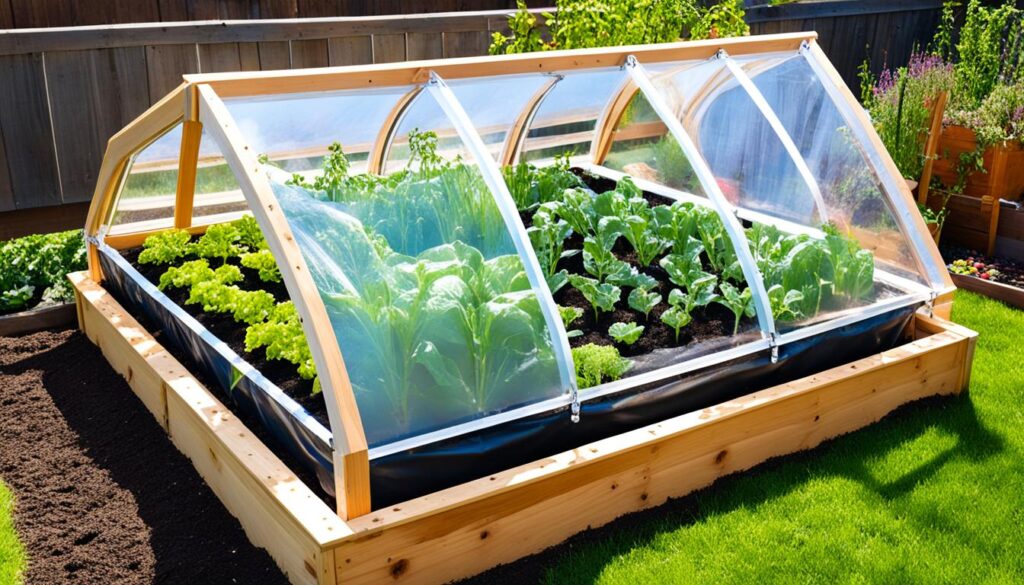
To address these cultural and weather-related problems, it’s important to ensure proper soil drainage to prevent waterlogged or compacted soil. Adequate watering practices and mulching can help combat drought conditions. Additionally, protecting plants from extreme cold with frost covers during vulnerable periods can help mitigate cold-induced chlorosis.
Other Pests and Diseases
While viruses are a common cause of leaf yellowing, other pests and diseases can also be culprits. Leaf spot diseases, such as fungal infections causing discoloured spots on leaves, can lead to yellowing. Rusts, powdery mildews, and downy mildews are other fungal growths that can affect the appearance of leaves.
It’s not just diseases attacking the leaves that can cause yellowing. Diseases that target the root system or the water-conducting tissues of plants can also impact leaf health. These root system diseases can disrupt the flow of nutrients and moisture, leading to yellow leaves.
Furthermore, various pests can wreak havoc on both the foliage and roots, resulting in leaf yellowing. Sap-sucking pests like aphids and spider mites drain vital nutrients from the plant, contributing to yellowing leaves. Additionally, root feeders such as vine weevils can damage the root system, impacting the plant’s overall health and causing leaf discoloration.

Common Pests and Diseases that Cause Leaf Yellowing:
- Leaf spot diseases
- Fungal growths
- Root system diseases
- Sap-sucking pests
- Root feeders
Poor Drainage or Improper Watering
When it comes to yellow leaves on your bushes, poor drainage or improper watering could be the culprits. Overly wet soil from poor drainage can suffocate the roots, leading to yellowing leaves. On the other hand, underwatering or drought conditions can prevent plants from taking up essential nutrients, causing the leaves to turn yellow.
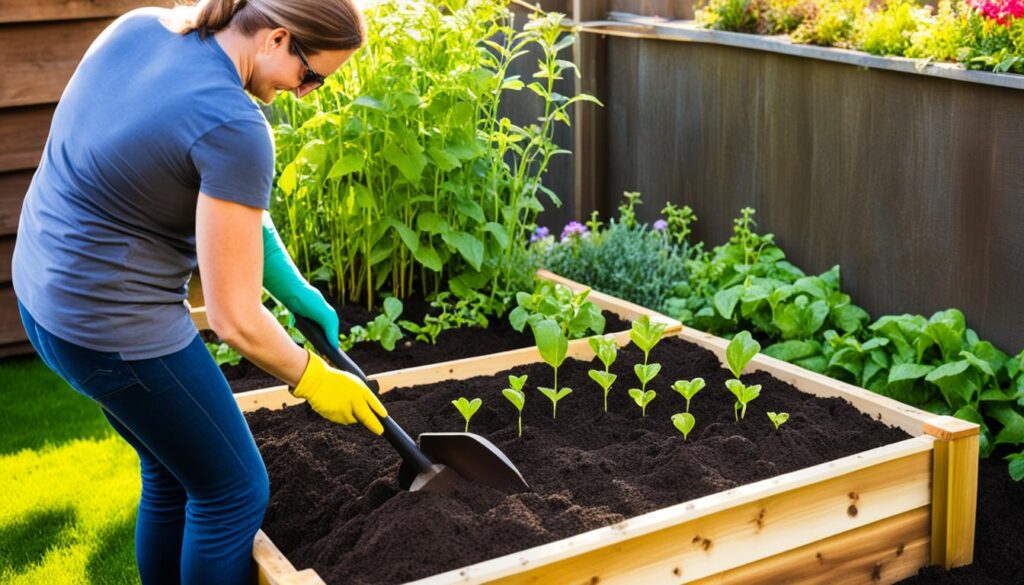
Improving soil drainage is crucial in preventing waterlogged soil, which can have a detrimental effect on the health of your bushes. Consider adding organic matter or creating raised beds to help improve drainage. Avoid compacting the soil around the roots of your bushes, as compacted soil can also hinder water penetration and nutrient uptake.
Proper watering is also essential in keeping your bushes healthy. Make sure to water your plants appropriately, taking into account their specific needs and the environmental conditions. Avoid both overwatering and underwatering, as either extreme can contribute to yellowing leaves. It’s important to strike a balance and ensure your plants receive adequate moisture without drowning their roots.
During drought conditions, it’s crucial to provide sufficient water to your bushes. Depending on the severity of the drought, you may need to increase the frequency and duration of your watering to compensate for the lack of natural rainfall. Mulching around the base of your bushes can also help retain moisture in the soil, reducing the risk of water stress.
Recommended Actions:
- Improve soil drainage by adding organic matter or using raised beds.
- Avoid compacting the soil around the roots of your bushes.
- Water your bushes appropriately, considering their specific needs and environmental conditions.
- Strike a balance between overwatering and underwatering.
- During drought conditions, provide sufficient water to prevent water stress.
- Mulch around the base of your bushes to retain moisture in the soil.
By addressing poor drainage or improper watering, you can help alleviate water-related problems that lead to yellowing leaves and promote the overall health and vitality of your bushes.
Root Damage or Compacted Roots
When you notice yellow leaves on your plants, it may be a sign of root damage or compacted roots. Root damage can occur due to various reasons, such as improper planting, circling roots, or disease. Inadequate planting techniques can lead to root damage, affecting the plant’s ability to absorb water and nutrients properly.
Additionally, when roots become tightly packed or compacted, it limits the movement of water, oxygen, and nutrients within the soil. Compacted soil creates a barrier that prevents the roots from accessing the necessary resources, resulting in yellowing leaves and stunted growth.
To address these issues, it is essential to improve the soil structure and address any root-related problems. Proper planting techniques, such as spreading out the roots and avoiding circling or girdling roots, can help prevent root damage.
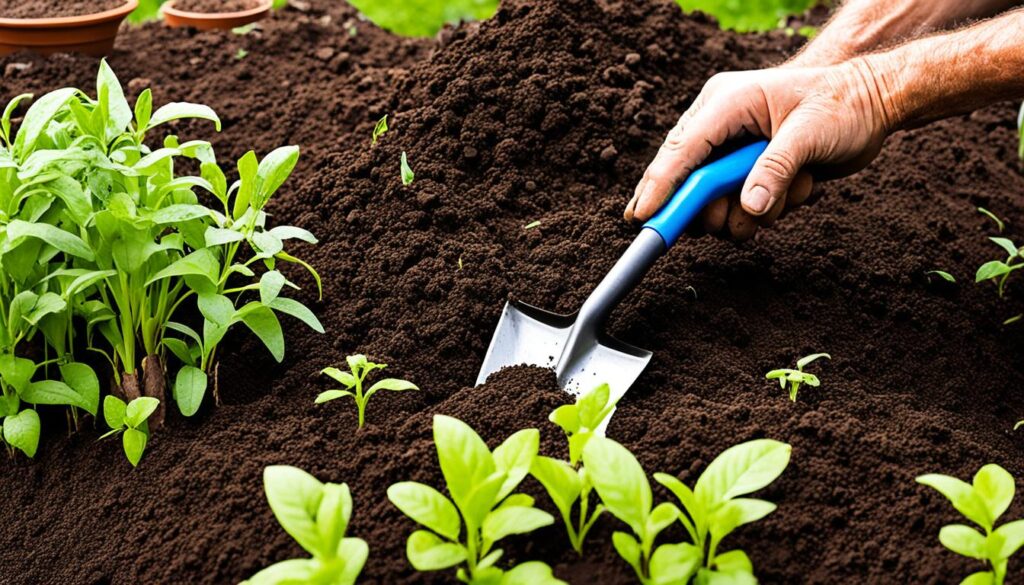
Furthermore, improving soil structure by amending it with organic matter can alleviate soil compaction and enhance the root’s ability to uptake water, oxygen, and nutrients. Consider using methods like aeration, loosening the soil, or using natural soil amendments to promote healthy root development and prevent yellowing leaves.

Root Damage Prevention Tips:
- Avoid planting too deep or too shallow.
- Gently spread out the roots when planting.
- Inspect plants for circling or girdling roots and correct if necessary.
- Improve soil structure by adding organic matter.
- Aerate the soil to reduce compaction.
By taking proactive measures to prevent root damage and addressing compacted roots, you can ensure that your plants have healthy roots and vibrant foliage, thus reducing the occurrence of yellow leaves.
Inappropriate Soil pH
Soil pH plays a crucial role in determining nutrient availability to plants. When the soil pH is too high or too low, it can directly impact the ability of plants to absorb essential nutrients, leading to nutrient deficiencies and the appearance of yellow leaves. This phenomenon, known as pH-induced nutrient deficiencies, occurs when certain nutrients become less available to the plants due to unfavorable soil pH conditions.
To address soil pH-related issues and prevent yellow leaves, it is important to conduct a soil test to determine the current pH level. This can be done using a soil testing kit or by sending a sample to a professional laboratory. Once the pH level is known, necessary measures can be taken to adjust it to the appropriate range for optimal nutrient availability.
Soil amendments are commonly used to modify soil pH. For instance, adding acidic amendments like sulfur or peat moss can lower the pH of alkaline soils, while incorporating alkaline amendments like lime can raise the pH of acidic soils. The type and amount of amendment required depend on the specific pH adjustment needed. Consulting with a local horticulturist or agricultural extension service can provide guidance on the best amendments to use based on the soil type and plant requirements.
By correcting the soil pH through appropriate amendments, the nutrients in the soil can become more accessible to the plants, helping to prevent nutrient deficiencies and yellowing leaves. Regular monitoring of the soil pH and adjustments as necessary can ensure a favorable growing environment for healthy and vibrant plants.
Lack of Needed Nutrients
Yellow leaves in bushes can often be attributed to a lack of nutrients, such as nitrogen, potassium, magnesium, iron, or sulfur. Each nutrient deficiency can manifest in specific patterns of yellowing, affecting either older or younger leaves.
Addressing nutrient imbalances is crucial to prevent yellow leaves. Proper fertilization and the use of premium plant foods can provide the necessary nutrients to support healthy foliage growth.
By ensuring a sufficient supply of nutrients, you can help your bushes thrive and maintain their vibrant green color. Regular soil testing and appropriate fertilization will play a pivotal role in avoiding nutrient deficiencies and achieving optimal plant health.