
Have you ever wondered why your cuttings are turning brown instead of growing into healthy plants? Don’t worry, you’re not alone. Browning cuttings can be a common issue in plant propagation, and understanding the causes can help you prevent it from happening.
There are several factors that can contribute to cuttings turning brown. Fungal infections, root rot, and a lack of humidity are some of the most common causes. These issues can hinder the growth and development of your cuttings, but with the right knowledge and care, you can overcome them.
In this article, I will explain the common causes of browning cuttings, provide tips to prevent it from happening, and offer troubleshooting techniques to revive brown cuttings. I will also highlight the importance of humidity, discuss signs of fungal infections, and emphasize the role of proper care and sanitization in propagation.
Key Takeaways
- To prevent browning in cuttings, regularly change the water in the propagation vessel and keep the leaves above the waterline.
- Avoid placing cuttings near heat sources or in strong light, as it can lead to scorching and bacterial growth.
- If your cuttings have already turned brown, snip off rotten roots, use diluted hydrogen peroxide to kill bacteria and fungus, and create a humid environment to prevent drying out.
- Maintaining the right level of humidity is crucial for healthy cutting growth.
- Signs of fungal infections in cuttings include brown spots or patches on leaves, a fuzzy or powdery appearance on stems or leaves, and wilting.
Common Causes of Brown Cuttings
When it comes to propagating plants through cuttings, it can be disheartening to see them turn brown instead of thriving. There are several common causes for this browning phenomenon that you need to be aware of in order to prevent it. By identifying and addressing these causes, you can ensure healthy cutting growth and prevent browning in plant propagation.
Fungal Infections
Fungal infections are one of the main culprits behind brown cuttings. These infections can occur when the cuttings are exposed to damp conditions or when the propagator is not properly sanitized. Moisture provides a favorable environment for fungi to thrive and attack the delicate cuttings. To prevent fungal infections, it’s important to keep the cuttings in a well-ventilated area and sanitize your tools and propagator before use.
Root Rot
Another common cause of browning in cuttings is root rot. Root rot occurs when the water in the propagation vessel stagnates, creating an ideal breeding ground for bacteria that overwhelm the plant’s root system. This bacterial attack leads to the deterioration of the roots, causing the cuttings to turn brown. To prevent root rot, ensure proper drainage and avoid overwatering your cuttings. Regularly change the water to provide fresh oxygen and discourage bacterial growth.
Lack of Humidity
Additionally, a lack of humidity can cause cuttings to dry out quickly, resulting in browning. Cuttings without established root systems rely on the surrounding air for moisture. If the environment is too dry, the cuttings will struggle to retain the necessary moisture, leading to dehydration and browning. To prevent this, consider using a humidity dome or misting the cuttings regularly to create a humid microclimate.
To prevent browning in plant propagation, it’s crucial to address these common causes. By ensuring proper sanitation, avoiding overwatering, and maintaining adequate humidity, you can promote healthy growth and keep your cuttings vibrant and green throughout the propagation process.
Tips to Prevent Browning in Cuttings
To prevent browning in cuttings, there are several tips that can be followed. Firstly, regularly change the water in the propagation vessel to introduce fresh oxygen and prevent bacterial growth. This helps create a healthy environment for the cuttings to thrive. By maintaining clean water, you can ensure the cuttings receive the necessary nutrients for growth.
It’s also important to keep the leaves above the waterline and avoid wetting them. This prevents excess moisture from accumulating on the leaves, reducing the risk of fungal infections and browning.
Avoid placing the cuttings near heat sources or in strong light, as this can cause scorching and bacterial growth. Opt for a well-ventilated area with indirect light to provide the cuttings with the ideal conditions for healthy growth.
Proper care and attention to these tips can help prevent browning in cuttings and promote their overall health. Remember, establishing a nurturing environment is essential for successful propagation.

Troubleshooting Brown Cuttings
If your cuttings have already turned brown, don’t worry. There are some troubleshooting steps you can take to revive them and encourage new growth.
Firstly, carefully examine the cuttings and snip off any rotten roots using sterile scissors. Removing the rotting roots will help prevent further damage and promote healthier growth.
Next, place the cuttings in fresh water, ensuring that the stems are submerged. This will provide the necessary hydration and nutrients for the cuttings to recover.
If you notice any signs of fungal infection, such as discolored or mushy stems, you can try dipping the affected area in diluted hydrogen peroxide. This can help kill bacteria and fungus, allowing the cuttings to heal.
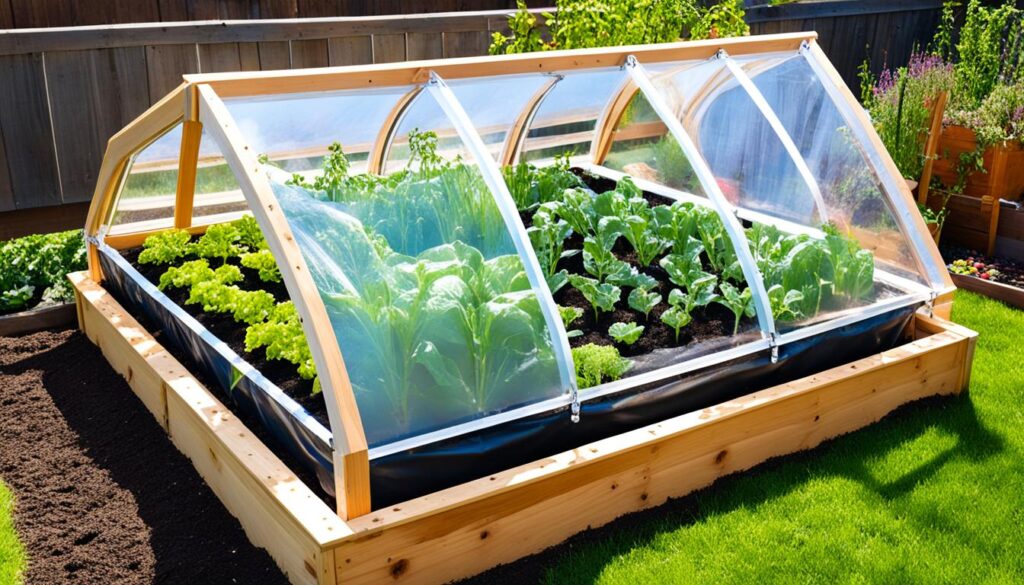
To prevent the cuttings from drying out, it’s important to create a humid environment. One easy method is to use a plastic bottle or storage bag as a makeshift greenhouse. This will help retain moisture and prevent further browning.
Remember to check on your cuttings regularly and make adjustments as needed. With proper care and troubleshooting, you can successfully revive brown cuttings and promote healthy propagation.
Importance of Humidity in Cuttings
When it comes to successful cutting propagation, humidity plays a crucial role in ensuring the health and vitality of the cuttings. Without proper humidity, cuttings are more susceptible to drying out quickly, which can lead to browning and hinder their growth. As a result, maintaining an optimal level of humidity is essential for promoting healthy root development and preventing propagation problems with browning cuttings.
One effective way to provide the necessary humidity for cuttings is by creating a mini greenhouse-like environment. This can be easily achieved by using common household items such as a plastic bottle or a storage bag. Simply place the cuttings inside the bottle or bag, ensuring they have enough space to breathe, and seal it to create a controlled, humid environment.
This simple technique traps moisture, allowing it to circulate within the enclosed space and providing the cuttings with the humidity they need to thrive. It also helps to prevent excessive moisture loss and keeps the cuttings from drying out, reducing the risk of browning and improving their chances of rooting successfully.
By maintaining an adequate level of humidity, you’ll create ideal conditions for the cuttings to establish healthy root systems. This will not only enhance their chances of survival but also promote vigorous growth and overall plant vitality. So, don’t underestimate the importance of humidity in the propagation process. Embrace simple techniques like the mini greenhouse method to prevent propagation problems with browning cuttings and set your cuttings on the path to success.
Signs of Fungal Infections in Cuttings
Fungal infections can be one of the causes of browning in cuttings during plant propagation. It’s important to be able to recognize the signs of these infections in order to address them effectively and prevent further spread. Here are some common signs to look out for:
- Brown spots or patches on the leaves: If you notice brown spots or patches on the leaves of your cuttings, it could be an indication of a fungal infection. These spots may start small and gradually enlarge over time.
- Fuzzy or powdery appearance on the stems or leaves: Another sign of a fungal infection is the presence of a fuzzy or powdery growth on the stems or leaves of the cuttings. This growth is usually white or gray in color.
- Wilting: Cuttings affected by fungal infections may also exhibit wilting or drooping of the leaves. This is because the fungi can disrupt the normal water absorption and nutrient transport processes in the plant.
If you observe any of these signs in your cuttings, it’s important to take immediate action to prevent further spread of the fungi. Remove the infected cuttings from the propagation area and dispose of them properly. Sanitize the propagator to eliminate any remaining fungal spores that could cause future infections.
Root Rot – A Common Culprit
Root rot can be a significant cause of browning in cuttings. This occurs when the water in the propagation vessel becomes stagnant, providing a breeding ground for bacteria that overpower the cuttings’ roots and cause them to rot. The presence of root rot can be detrimental to the overall health and growth of the cuttings.
To prevent and treat root rot, there are a few troubleshooting steps you can take. Regularly changing the water in the propagation vessel is essential. By doing so, you introduce fresh oxygen to the cuttings and hinder the growth of bacteria that lead to root rot. Snipping off any rotten roots with sterile scissors is also recommended, as it helps remove the infected areas and promote healthy regrowth.

Another effective measure to combat root rot is using hydrogen peroxide. Dilute hydrogen peroxide in water and dip the affected roots to eliminate bacteria and fungus that contribute to the rotting process. This treatment can provide a revitalizing effect on the cuttings.
By addressing root rot promptly, you can prevent further damage to the cuttings and give them the opportunity to develop healthy roots. This enables them to absorb nutrients effectively and grow into strong, flourishing plants.
The Role of Oxygen in Cutting Growth
When it comes to promoting healthy cutting growth, one key factor that often gets overlooked is the role of oxygen. Oxygen is crucial for the well-being of cuttings as they grow and develop. Without an adequate supply of oxygen, cuttings can suffer from various issues, including browning. That’s why it’s essential to understand the importance of oxygen in preventing browning and promoting overall cutting health.
As cuttings grow, they engage in metabolic processes that involve respiration. Respiration is the process by which plants release carbon dioxide and use up oxygen for energy production. This natural process can lead to a reduction in the oxygen levels in the water or growing medium where the cuttings are placed. When the oxygen levels become depleted, it creates a favorable environment for bacteria to thrive, which can result in browning and other detrimental effects.
To prevent browning and promote healthy cutting growth, it’s crucial to ensure an adequate supply of oxygen. Regularly changing the water or topping it up can introduce fresh oxygen into the propagation vessel. This simple practice helps replenish the oxygen levels and create an environment that is inhospitable to bacteria. By providing sufficient oxygen, you create optimal conditions for the cuttings to thrive and grow without the risk of browning.
In addition to changing the water, another technique to enhance oxygen supply is to aerate the water. This can be done using an aquarium air pump and air stone, which introduce tiny oxygen bubbles into the water. These bubbles increase the oxygen content and create a dynamic environment that discourages bacterial growth and browning.
Overall, by recognizing the crucial role of oxygen in cutting growth, you can take proactive steps to prevent browning and promote healthy development. Regularly changing the water and considering methods to enhance oxygen supply, such as aeration, can significantly contribute to the success of your cutting propagation efforts.
Proper Care for Healthy Cuttings
Proper care is essential for healthy cuttings. In addition to preventing browning, it’s important to provide the cuttings with the right conditions for growth. Here are some cutting care tips to help prevent browning and promote successful cutting propagation:
Avoid Overwatering or Underwatering
One of the key factors in cutting care is ensuring the right level of moisture. Overwatering can lead to root rot and browning, while underwatering can cause the cuttings to dry out. It’s important to find the balance and only water the cuttings when the top layer of the soil feels dry to the touch.
Provide Adequate Light
Light is crucial for the growth of cuttings, but it’s important to provide the right amount without scorching the delicate plants. Place the cuttings in a location where they can receive bright, indirect light. Avoid placing them in direct sunlight, as this can cause browning and damage to the leaves.
Ensure Proper Temperature and Humidity Levels
Temperature and humidity play a significant role in cutting health. Aim to keep the temperature around 20-25 degrees Celsius (68-77 degrees Fahrenheit), as this is the ideal range for most cuttings. Additionally, maintaining a humid environment can help prevent drying out and browning. You can create humidity by placing the cuttings in a tray filled with water, using a humidifier, or covering them with a clear plastic bag or dome.

By following these cutting care tips, you can prevent browning in cuttings and create the ideal conditions for healthy growth. Remember to strike the right balance with moisture, provide adequate light without scorching, and maintain the proper temperature and humidity levels. With proper care, your cuttings will thrive and flourish.
The Importance of Sanitization in Propagation
Sanitization is crucial in the process of propagating cuttings to prevent fungal infections and other propagation problems. Before placing the cuttings in the propagator, it is essential to ensure proper sanitization, eliminating any potential sources of contamination. This simple step is vital to prevent browning in cuttings and promote healthy growth.
Sanitization involves cleaning and disinfecting the tools, equipment, and surfaces used in the propagation process. This includes pruning shears, propagation trays, and the propagator itself. By eliminating any bacteria or fungi that may be present, you can greatly reduce the risk of infection and browning in cuttings.
One effective way to sanitize your tools is by using a solution of bleach and water. Mix one part bleach with nine parts water and soak the tools in the solution for a few minutes. Afterward, rinse them thoroughly with clean water and allow them to air dry. This process helps eliminate any pathogens that may be present on the surface of the tools.
The Role of Clean Surfaces
When it comes to propagation, cleanliness is essential. Make sure to clean the propagator trays, domes, and any other surfaces that will come into contact with the cuttings. This helps prevent the transfer of pathogens and reduces the risk of infection. Use a mild detergent or soap to clean the surfaces, followed by a thorough rinse with clean water.
Additionally, keep in mind that cleanliness should extend to your working environment. Ensure that your workspace is free of debris and other contaminants that could potentially harm the cuttings. By maintaining a clean and organized workspace, you create a more conducive environment for successful propagation.
In summary, proper sanitization is a critical step in preventing fungal infections and browning in cuttings. By taking the time to clean and disinfect your tools and surfaces, you can greatly reduce the risk of contamination and promote healthy growth. Remember to sanitize before each propagation session to ensure the best possible conditions for your cuttings.
The Role of Light in Cutting Health
When it comes to the health of cuttings, light plays a crucial role. Cuttings require light for photosynthesis and overall growth. However, it’s important to be mindful of the intensity and direction of light to prevent browning and other issues.
Placing cuttings in strong direct light can lead to scorching, where the leaves may become discolored or damaged. Additionally, excessive exposure to direct light can create a favorable environment for bacterial growth, further jeopardizing the health of your cuttings.
To ensure optimal conditions for your cuttings, opt for a bright indirect light source. This can be achieved by placing the cuttings near a window where they receive diffused sunlight or by using artificial grow lights specifically designed for plant propagation. By providing the cuttings with the right amount of light without subjecting them to intense direct light, you can promote healthy growth and prevent browning.
Here are some cutting care tips related to light:
- Place the cuttings in a bright indirect light source, such as near a window with diffused sunlight or under artificial grow lights.
- Avoid placing the cuttings in direct sunlight to prevent scorching and bacterial growth.
- Monitor the intensity of light throughout the day to ensure consistent and adequate lighting for the cuttings.
By following these cutting care tips and paying attention to the role of light, you can effectively prevent browning in cuttings and promote their overall health and vitality.
Summary: Tips for Healthy Cuttings
To prevent browning in cuttings and promote healthy growth, it’s important to follow these tips for cutting care:
- Regularly change the water in the propagation vessel to introduce fresh oxygen and prevent bacterial growth.
- Keep the leaves above the waterline to avoid wetting them, as this can lead to browning.
- Provide adequate humidity by creating a humid environment using techniques like using a plastic bottle or storage bag as a makeshift greenhouse.
- Avoid placing the cuttings near heat sources or in strong direct light, as this can cause scorching and bacterial growth.
- Sanitize the propagator before placing the cuttings to eliminate potential sources of contamination.
- Provide proper care based on light, water, and temperature requirements, ensuring the cuttings receive the right conditions for growth.
By following these tips for healthy cuttings, you can ensure successful cutting propagation and prevent browning.