
As a gardener, there’s nothing more disheartening than watching your outdoor potted plants wither away. Despite your best efforts, they seem to be on the brink of death, leaving you wondering what went wrong. In this article, I will explore the common reasons behind dying outdoor potted plants and provide you with valuable tips on how to revive them. So, let’s dive in and discover the secrets to successful outdoor potted plant care.
Key Takeaways:
- Proper plant placement is crucial for their survival. Ensure they receive adequate sunlight.
- Water your plants according to their specific needs and avoid overwatering or underwatering.
- Regularly dust your plants to optimize sunlight absorption.
- Use fertilizers to provide essential nutrients for your plants.
- Ensure your plants have clean air and protect them from frost and extreme cold.
Placing Your Plants Correctly is Essential
The placement of your outdoor potted plants plays a crucial role in their survival. Ensuring that your plants receive sufficient sunlight is essential for their growth and overall health. Without adequate sunlight, plants may struggle to thrive. It is important to consider the specific sunlight requirements of each plant and position them in an area where they can receive the appropriate amount of sunlight.
Plants vary in their sunlight requirements, with some needing direct sunlight for several hours a day, while others thrive in partial shade. By understanding the sunlight needs of your plants, you can make informed decisions about their placement. Observe how sunlight moves through your outdoor space at different times of the day to identify the ideal spots for your plants.
When selecting a location for your outdoor potted plants, consider both the intensity and duration of sunlight. South-facing areas typically receive the most sunlight throughout the day, making them suitable for sun-loving plants. East-facing areas receive morning sun, which is less intense and beneficial for plants that prefer indirect or filtered light. West-facing areas receive afternoon sun, which can be particularly intense, so plants that are more tolerant of direct sunlight may fare well there.
If your outdoor space does not provide sufficient sunlight, consider alternative options such as using plant stands or positioning plants on balconies or windowsills that receive more sunlight. You may also need to adjust the placement of your plants as the seasons change, ensuring they continue to receive the sunlight they require.
Adjust Your Watering Pattern
One of the most common mistakes gardeners make when caring for outdoor potted plants is improper watering. Both overwatering and underwatering can have detrimental effects on the health of your plants. To ensure optimal growth and prevent plant decline, it’s crucial to find the right balance and water your plants according to their specific needs.
Overwatering can be just as harmful as underwatering. When you water your plants excessively, it can lead to the leaching of essential nutrients from the soil, leaving your plants starved of the elements they need to thrive. Moreover, overwatered plants are prone to root rot, a condition that can lead to the death of the plant.
On the other hand, underwatering can result in dry soil and dehydration, causing stress to your plants. It’s important to remember that different types of plants have different water requirements. Some plants prefer moist soil, while others prefer a drier environment.
To avoid overwatering or underwatering your outdoor potted plants, it’s crucial to research the watering requirements of each plant and adjust your watering pattern accordingly. Factors such as the plant’s type, size, and weather conditions should be taken into consideration.
“Proper watering is essential for the health and vigor of your plants. Find the sweet spot where your plants receive enough water to sustain them, but not so much that it becomes excessive. It may take some trial and error, but once you find the right balance, your plants will flourish.” – Expert Gardener
An effective way to determine when to water your plants is to check the soil moisture. Stick your finger about an inch into the soil – if it feels damp, hold off on watering. If it feels dry, it’s time to give your plants a drink. This simple method can help prevent overwatering and ensure that your plants receive the appropriate amount of water.
Remember, a plant watering guide can provide valuable information on the specific watering needs of different plant varieties. By following these guidelines and adjusting your watering pattern accordingly, you can promote the health and longevity of your outdoor potted plants.
Dusting Your Plants for Optimal Sunlight Absorption
Dust can accumulate on the leaves of your outdoor potted plants, hindering their ability to absorb optimal sunlight. To ensure your plants thrive, it’s important to regularly clean and dust their leaves. By removing dirt and debris, you can help your plants fully benefit from the sunlight they receive.
Here are some tips on how to effectively clean your outdoor potted plants:
- Gently wipe the leaves: Take a soft, damp cloth and gently wipe the leaves of your plants. Be careful not to scrub too hard, as delicate foliage may become damaged.
- Focus on both sides: Dust tends to accumulate on both the top and bottom surfaces of leaves. Make sure to clean both sides to maximize sunlight absorption.
- Be mindful of water: Use a cloth that is slightly damp, but not soaking wet. Excessive moisture can create a breeding ground for pests or lead to fungal issues.
- Check for pests: While dusting your plants, keep an eye out for any signs of pest infestation. Insects may take advantage of the dust-covered leaves as a hiding spot.
Regular plant dusting not only enhances the visual appeal of your outdoor potted plants but also promotes their optimal growth and development. By removing dust and debris, you allow the leaves to absorb sunlight more effectively, enabling them to produce energy through photosynthesis.
Here’s an important quote:
“Regular cleaning and dusting of plant leaves is essential for optimal sunlight absorption and overall plant health.” — Gardening Expert
The Power of Fertilizer
Plants need proper nutrients to grow and thrive. Using fertilizer is a great way to provide an extra boost for your outdoor potted plants.
Consider using a good quality fertilizer or organic manure to nourish your plants and promote healthy growth. Fertilizers contain essential nutrients like nitrogen, phosphorus, and potassium that plants require for their development.
By following a regular fertilization schedule, you can ensure that your plants receive the necessary nutrients at the right time. This schedule will depend on the specific needs of your plants and the type of fertilizer you are using.
The Benefits of Fertilizing Your Plants
- Enhanced growth: Fertilizers provide plants with the nutrients they need to grow faster and stronger.
- Increased flower or fruit production: Certain fertilizers can stimulate the production of flowers and fruits, resulting in a more abundant harvest.
- Improved plant health: Nutrient-rich soil promotes overall plant health, making them more resistant to diseases and pests.
Remember to carefully read and follow the instructions on the fertilizer packaging to avoid over or under-fertilizing your plants. Too much fertilizer can burn the roots, while too little may not provide enough nutrients.
Using fertilizer in conjunction with other plant care practices such as proper watering and sunlight exposure can help create an optimal environment for your outdoor potted plants to thrive.
Having a good fertilization routine is an essential part of plant care. It provides your outdoor potted plants with the essential nutrients they need to stay healthy and vibrant.
Improving Air Quality for Healthy Plants
Clean air is essential for the health of your outdoor potted plants. Ensuring that they are not exposed to polluted air or smoke is crucial to prevent stunted growth and root damage. If necessary, consider relocating your plants to a cleaner environment to improve air quality and promote their overall well-being.
Indoor and outdoor air pollution can have detrimental effects on plants, just as it does on humans. Harmful gases, such as carbon monoxide and nitrogen dioxide, can hinder the photosynthesis process and reduce plant growth. Additionally, airborne particles, like dust and pollutants, can clog the plant’s pores and limit its ability to absorb essential nutrients and water.
How to Improve Air Quality for Your Outdoor Potted Plants
Here are some tips to create a healthier environment for your plants:
- Avoid exposure to smoke: Keep your outdoor potted plants away from areas where smoke is present, such as barbeque grills or fire pits. The toxic components in smoke can damage the leaves and hinder the plant’s respiration process.
- Choose clean locations: Select an outdoor spot for your plants that is free from pollution sources, such as busy roads or industrial areas. Plants positioned in areas with clean air will have a better chance of thriving.
- Monitor indoor air quality: If you keep your plants indoors, regularly check the air quality to ensure it is free from pollutants. Opening windows and using air purifiers can help maintain clean air for your plants.
- Plant purifying species: Certain plant species have the ability to purify the air by removing toxins. Consider adding plants like snake plants, spider plants, or peace lilies to your outdoor potted garden to enhance air quality.
“Improving air quality for your plants not only benefits their growth and overall health but also contributes to a cleaner and healthier environment for everyone.”
By taking steps to improve air quality, you can create an optimal environment for your outdoor potted plants to thrive. Clean air promotes better growth, stronger roots, and enhanced resistance to diseases and pests. So, pay attention to the air around your plants and provide them with the quality they need to flourish.
Protecting Plants from Frost and Extreme Cold
Winter months in the United Kingdom pose a significant challenge for outdoor plants. The freezing temperatures and frost can be particularly detrimental to the health of your potted plants, potentially leading to their demise. However, with the right precautions and winter plant care, you can protect your beloved greenery from the harsh conditions.
One effective measure to safeguard your plants from frost damage is to bring your potted plants indoors. Find a suitable location inside your home, such as a sunroom or a well-lit area near a window, where the plants can continue to receive sufficient sunlight. This will shield them from the biting cold temperatures and any frost that may occur.
TIP: Remember to rotate your plants periodically to ensure they receive even sunlight exposure and prevent them from leaning towards the light source.
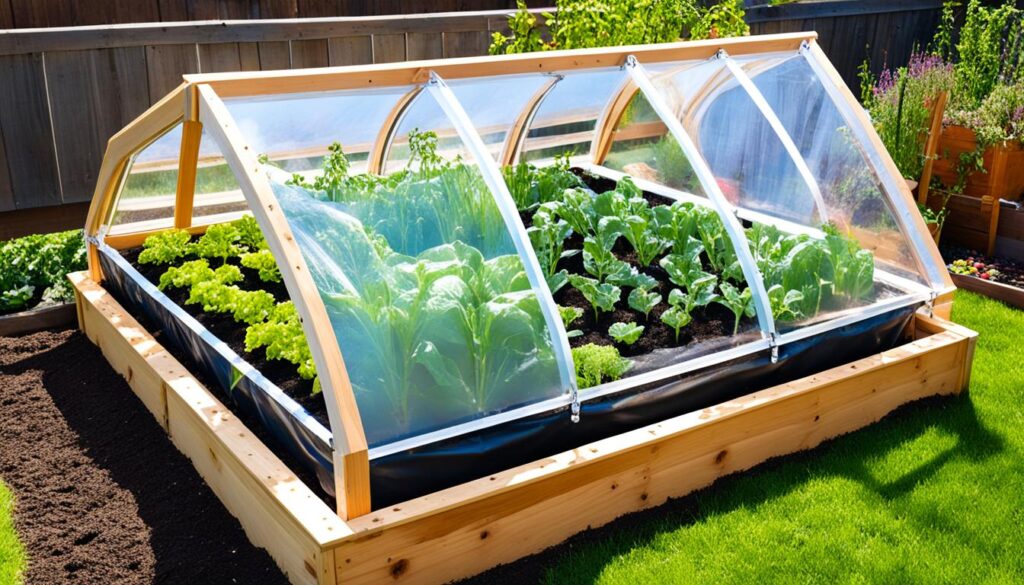
In addition to bringing your plants indoors, using covers can provide an extra layer of protection against frost. There are various covers available in the market specifically designed for plant protection. These covers create a barrier between the plants and the freezing temperatures, shielding them from the harsh elements.
QUOTE: “Using covers to protect your plants from frost is a simple yet effective strategy. They act as a protective shield, preventing frost from settling on the leaves and damaging the delicate tissues.” – Jane Thompson, Horticulturist
Remember to select covers that are appropriate for your plant’s size and shape. Secure the covers firmly to ensure they do not blow away in strong winds. It’s essential to remove the covers during the day when the temperatures rise to prevent overheating.

TIP: Avoid placing the covers directly on the plants; instead, create a frame or support structure to prevent contact with the foliage. This will minimize the risk of fungal diseases and promote healthy growth.
By taking proactive steps to protect your outdoor potted plants from frost and extreme cold, you can ensure their survival throughout the winter months. Remember to bring them indoors and use appropriate covers to shield them from the freezing temperatures. With these winter plant care practices in place, your plants will be ready to thrive once spring arrives.
Choosing the Right Plant Varieties for Your Climate
Selecting plant varieties that are well-suited to your climate is crucial in ensuring their survival. When it comes to outdoor potted plants, it’s essential to choose species that can withstand the cold temperatures of the winter months in your region. Native plant choices are often more resilient and better adapted to local conditions, making them an excellent option for your garden.
Native plants have evolved over time to thrive in specific climates and soils, making them naturally better equipped to handle the challenges of their environment. By selecting native plant varieties, you can increase the chances of success and reduce the need for excessive maintenance, such as additional watering or protection.
When considering which plants to choose, it’s important to research their climate compatibility. Look for species that are known to tolerate the nighttime lows and winter freezing temperatures in your area. Consult local gardening resources, nurseries, or botanical gardens for advice on native plants that are suitable for your region.
Benefits of Native Plant Choices
Opting for native plant choices brings a range of benefits beyond their climate compatibility. These plants often require less water, fertilizer, and pesticide use, making them more environmentally friendly. Additionally, native plants provide habitats for local wildlife, supporting the ecological balance and promoting biodiversity.
Considerations for Non-Native Plants
While native plant choices are highly recommended, there may be specific non-native plant species that are well-suited to your climate and can thrive in your outdoor potted garden. If you decide to incorporate non-native plants, ensure they are not invasive species that can pose a threat to native flora and fauna.
Remember, understanding your plant’s climate compatibility and choosing the right varieties is crucial for their long-term health and resilience. By selecting native plant choices or carefully considering non-native options, you can create a thriving outdoor potted plant garden that adds beauty to your outdoor space while supporting the local ecosystem.
Proper Soil Drainage for Healthy Roots
Adequate soil drainage is essential for the health of your outdoor potted plants. Poorly drained soil can lead to root rot and ultimately the death of your plants. Ensure that your pots have proper drainage holes and use well-draining soil to prevent waterlogged roots.
When water accumulates in the soil and cannot properly drain away, it creates a favorable environment for root rot to develop. Root rot occurs when the roots of your plants are constantly sitting in water, causing them to become mushy and diseased. This can result in wilting leaves, yellowing foliage, and stunted growth.
To prevent root rot and provide optimal soil drainage, follow these tips:
- Choose pots with drainage holes: When selecting pots for your outdoor plants, ensure they have drainage holes at the bottom. These holes allow excess water to escape, preventing it from pooling around the roots.
- Use well-draining soil: Opt for a high-quality potting mix specifically formulated for outdoor potted plants. These mixes are designed to provide good drainage while retaining enough moisture to keep the roots hydrated.
- Monitor watering habits: Overwatering is a common cause of root rot. Check the soil moisture level before watering your plants and adjust the frequency accordingly. Stick your finger about an inch into the soil, and if it feels damp, hold off on watering.
- Avoid compacting the soil: Compact soil can hinder proper drainage. Be gentle when planting and avoid pressing down too firmly on the soil surface. Maintain a loose and airy soil structure to encourage water movement.
- Consider using a layer of rocks or gravel: Placing a layer of rocks or gravel at the bottom of your pots can help create additional space for water to drain away from the roots. This can be especially beneficial for plants that require a well-drained soil environment.

Identifying and Treating Plant Pests
Pests can cause significant damage to your outdoor potted plants, leading to their rapid decline and eventual demise. It’s crucial to regularly inspect your plants for signs of pest infestation to prevent further damage. Keep an eye out for chewed leaves, holes, or the presence of bugs on your plant’s foliage.
Identifying the specific pests affecting your plants is essential for effective control and treatment. Some common plant pests include aphids, whiteflies, spider mites, and mealybugs. Take the time to research and familiarize yourself with these common culprits, as their appearance and behavior can differ.
Common Plant Pests:
- Aphids
- Whiteflies
- Spider mites
- Mealybugs
Once you’ve identified the pest problem, it’s essential to take appropriate measures to control and treat them. There are a variety of plant pest control methods available, including natural remedies and commercial insecticides.
For minor infestations, you can try manually removing the pests from your plants by handpicking them or using a gentle stream of water to dislodge them. Additionally, introducing natural predators such as ladybugs can help control aphids and other small insects.
Tip: A mixture of mild dish soap and water can be effective in controlling certain pests. Just be sure to test it on a small area of your plant before applying it extensively.
In cases of severe infestations, you may need to resort to commercial insecticides. Always follow the instructions provided on the product label and ensure that the insecticide is suitable for use on the specific plant and pest.
Remember, prevention is key to maintaining healthy plants. Regularly inspecting your plants and taking proactive measures can help prevent pest infestations from occurring in the first place.
By identifying and treating plant pests promptly, you can safeguard the health and longevity of your outdoor potted plants. Stay vigilant, tackle infestations head-on, and provide your plants with the protection they need to thrive.
Avoiding Neglect and Providing Regular Care
Neglecting your outdoor potted plants can spell disaster for their health and survival. To ensure your plants thrive, it’s crucial to provide regular care and attention. Here are some essential plant care tips to keep your outdoor plants healthy and vibrant:
1. Watering
Proper watering is vital for the well-being of your plants. Avoid overwatering, as it can lead to root rot, while underwatering can leave your plants thirsty and weak. Monitor the moisture levels of the soil regularly and water your plants according to their specific needs. Remember to adjust your watering schedule based on the season and weather conditions.
2. Fertilizing
Give your outdoor plants the nourishment they need by providing regular fertilization. Choose a suitable fertilizer for potted plants and follow the recommended dosage instructions. Fertilize your plants during the growing season to promote healthy growth and vibrant blooms.
3. Pruning and Trimming
Maintaining proper plant structure and removing dead or damaged branches is essential for plant health. Regularly inspect your plants for any signs of pests, disease, or overcrowding. Prune or trim as necessary to encourage new growth and maintain a tidy appearance.
4. Monitoring for Signs of Distress
Be vigilant and keep an eye out for any signs of distress or changes in plant appearance. Yellowing leaves, wilting, or discoloration can indicate underlying issues that need attention. Identifying and addressing problems early on can prevent further damage and improve plant health.
5. Providing Adequate Sunlight
Sunlight is crucial for the photosynthesis process that provides energy for plant growth. Ensure your outdoor potted plants receive the right amount of sunlight each day. Research the sunlight requirements for each plant species and place them in suitable locations to optimize their growth.

Regularly following these plant care tips will help keep your outdoor potted plants thriving and beautiful. Remember, attentive care and timely intervention are key to preventing plant decline and ensuring their long-term health and vitality.
Reviving Your Dying Outdoor Potted Plants
If your outdoor potted plants are showing signs of decline and are on the verge of dying, don’t despair – there may still be hope for revival. Assessing the condition of your plants and taking appropriate actions can make a significant difference in their recovery. Follow these plant revival tips to bring them back to life.
1. Trim Dead Parts: Start by trimming any dead or wilted parts of the plant. Be sure to use clean and sharp pruning shears to avoid further damage. Removing the dead portions will enable the plant to focus its energy on new growth.
2. Improve Care Routine: Review your plant care routine and make necessary improvements. Ensure that you are providing adequate sunlight, watering according to the plant’s needs, and fertilizing with a suitable plant food. Pay attention to any specific requirements of the plant species you have, as different plants may have different care needs.
3. Provide Extra Attention: Give your dying plants some extra attention and care. This may include regularly monitoring their progress, adjusting their environment if needed, and protecting them from extreme weather conditions. Sometimes, a little extra love and care can work wonders in reviving your plants.