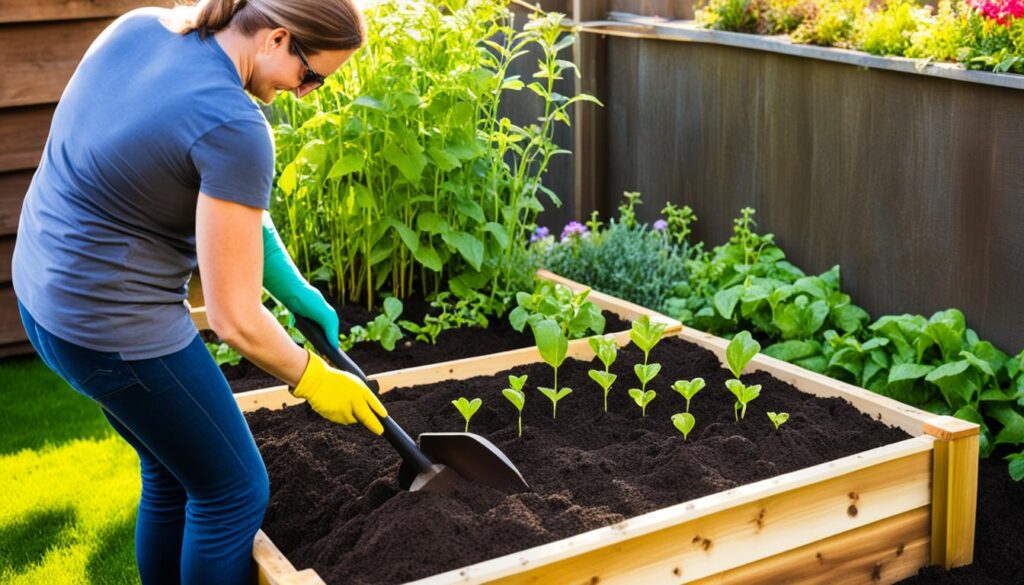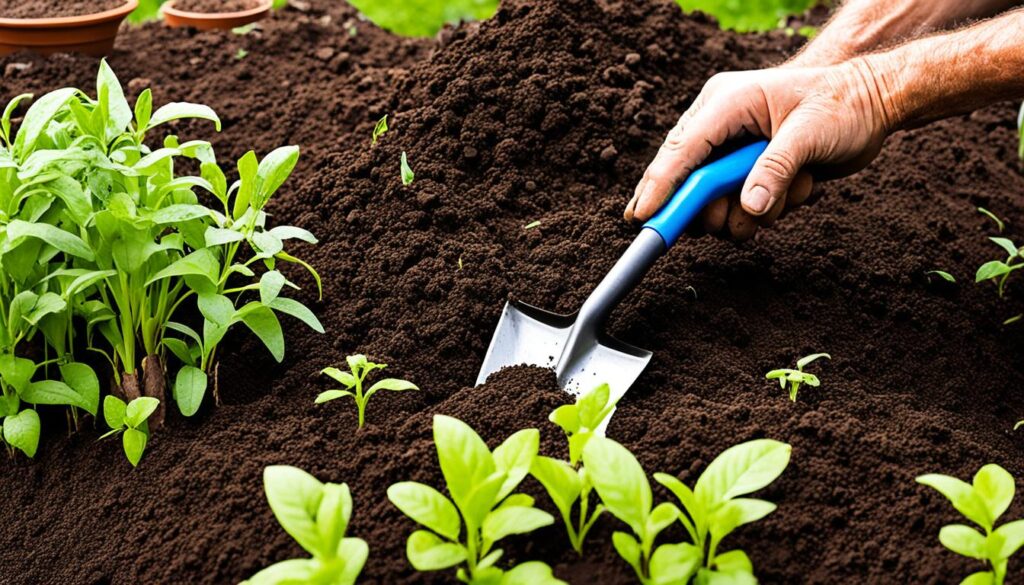

Are you puzzled about why your outdoor potted plants are deteriorating? Don’t fret, as I am here to help you troubleshoot the issue and revive your beloved container plants. Caring for outdoor potted plants requires specific knowledge and techniques to ensure their health and vitality. In this article, I will explore some common reasons behind potted plant deterioration and provide you with valuable tips for caring for your outdoor pots.
Key Takeaways:
- Proper placement and adequate sunlight exposure are crucial for outdoor potted plant health.
- Water your plants appropriately, avoiding both overwatering and underwatering.
- Regularly dust your plants and remove dead leaves and stems to optimize sunlight absorption.
- Utilize fertilizers to provide essential nutrients for your outdoor potted plants.
- Improve air quality and consider bringing your plants indoors during harsh weather conditions.
Assessing the Placement of Your Plants
One possible reason for your outdoor potted plants dying is improper placement. It is important to ensure that your plants are receiving sufficient sunlight. Insufficient sunlight can stunt plant growth or even lead to their demise. Proper understanding of the basic laws of photosynthesis is crucial for plant health. By moving your plants to a space where they receive ample sunlight, you can improve their chances of survival.
When it comes to placement, sunlight is essential for outdoor plants. Plants need sunlight to carry out photosynthesis, the process that allows them to convert light into energy. Without enough sunlight, plants struggle to produce the energy they need to grow and thrive. Inadequate sunlight can result in weakened plants, yellowing leaves, and poor flowering or fruiting.
To assess the placement of your plants, consider factors such as the amount of sunlight they receive throughout the day. Observe your outdoor space at different times, noting the areas that receive the most sunlight and the duration of direct sunlight exposure. Take into account any sun-obstructing structures, such as buildings, trees, or fences, which could create shaded spots.
Proper placement also involves understanding the specific sunlight requirements of your plants. Some plants prefer full sunlight and thrive in direct exposure, while others require partial shade or filtered light. Research the light preferences of your plants and ensure that their placement aligns with their needs.
If you notice that your plants are not receiving enough sunlight, it may be necessary to relocate them to a sunnier spot. Look for areas in your garden or outdoor space that offer more hours of direct sunlight. Consider creating raised platforms or using plant stands to elevate your pots and maximize sun exposure.
Remember to monitor the sun patterns throughout the year. Sunlight availability can vary depending on the season. A spot that receives full sunlight during the summer months may become shaded during the winter due to changing angles of the sun. Regularly reassess the placement of your plants and make adjustments as needed to ensure they continue to receive sufficient sunlight.
Adjusting Your Watering Pattern
Proper watering is crucial for the health and survival of your outdoor potted plants. Both overwatering and underwatering can have negative consequences on their well-being. Overwatering can lead to nutrient loss, while underwatering can result in dry soil and stressed plants. To ensure optimal growth and vitality, it is essential to understand the specific watering needs of your plants and adjust your watering pattern accordingly.
Overwatering:
Overwatering can suffocate your plants and cause root rot, leading to nutrient deficiencies and the eventual death of the plant. It is important to avoid watering them too frequently or excessively. To prevent overwatering, always check the moisture level of the soil before watering. Insert your finger about an inch deep into the soil; if it feels moist, wait before watering. If it feels dry, it’s time to water your plants.
Underwatering:
On the other hand, underwatering can leave your plants thirsty and struggling to survive. To determine if your plants need water, again, check the moisture level of the soil. If it feels dry, give them a good watering. However, always be cautious not to flood the pots, as excessive water drainage can also deplete nutrients from the soil.
Additionally, it is beneficial to water your outdoor potted plants in the morning. The soil is warmed by the sunlight during the day, allowing the plants to soak up the water and nutrients more effectively. This reduces the risk of nutrient loss and helps maintain proper moisture levels throughout the day.
By adjusting your watering pattern and providing your outdoor potted plants with the right amount of water, you can ensure healthier and more resilient plants. Remember, each plant has its unique needs, so research their specific requirements to prevent overwatering or underwatering.
Dusting Your Plants for Optimal Sunlight Absorption
One of the key factors that can hinder the health of your outdoor potted plants is the accumulation of dust on their leaves. Dust acts as a barrier, preventing sunlight from reaching the plant’s cells and inhibiting photosynthesis. To ensure optimal sunlight absorption and promote healthy growth, it is important to regularly dust your plants.
Using a damp, soft cloth, gently wipe the dust off the leaves of your plants. This will allow the sunlight to penetrate through the clean surface, reaching the chlorophyll-rich cells responsible for energy production. Pay special attention to the undersides of the leaves, as they tend to accumulate more dust.
In addition to dusting the leaves, it is also crucial to remove any dead leaves and stems from your plants. These decaying parts can block the flow of nutrients and water, leading to nutrient deficiencies and creating an environment favorable for the growth of fungus and infections.
Regularly inspect your plants and promptly remove any dead or decaying plant material. This will not only promote the overall health of your plants but also prevent the spread of diseases. Proper plant hygiene plays a vital role in maintaining robust and thriving outdoor potted plants.
Furthermore, don’t forget to weed out unwanted plants that may be competing with your potted plants for resources. These unwanted plants can overcrowd your pots and deprive your plants of the necessary space, nutrients, and water they need to grow.
“Regularly dusting your plants and removing dead leaves and stems not only enhances the aesthetic appeal of your outdoor potted plants but also improves their ability to absorb sunlight and vital nutrients.”
Maintaining clean pots is equally important. Over time, dirt and residue can accumulate on the surfaces of your pots, making them less attractive and potentially harboring disease-causing pathogens. Keep your pots clean by regularly washing them with mild soapy water or a diluted vinegar solution.
By dusting your plants, removing dead leaves and stems, weeding out unwanted plants, and maintaining clean pots, you can create a favorable environment for your outdoor potted plants to thrive. Their ability to absorb sunlight effectively will improve, allowing them to photosynthesize and grow vigorously.
Utilizing Fertilizers for Plant Nourishment
Plants require additional nutrients to thrive and grow. That’s where fertilizers come in. By using fertilizers, you can provide your outdoor potted plants with the necessary boost to enhance their health and vitality.
Good quality manure and fertilizers are widely available in the market, offering a convenient solution for supplying extra nutrients to your plants. Alternatively, you can opt for Lazy Gardener’s Nutisticks, an innovative product designed specifically for outdoor potted plants.

Lazy Gardener’s Nutisticks are easy to use. Simply insert these handy sticks directly into your plant pots. Each Nutistick provides up to two months of continuous nutrient supply, ensuring that your plants receive the necessary nourishment they need to thrive. With Lazy Gardener’s Nutisticks, you can enjoy the convenience of hassle-free fertilization.
By using fertilizers, such as Lazy Gardener’s Nutisticks, you can help your outdoor potted plants reach their full potential. The benefits of fertilizers include:
- Providing Extra Nutrients: Fertilizers supplement the existing nutrients in the soil, ensuring that your plants have access to all the essential elements they need for healthy growth.
- Improving Plant Health: The additional nutrients provided by fertilizers help to strengthen plant roots, promote vibrant foliage, and support robust flower and fruit production.
- Boosting Resistance to Stress: Fertilizers enhance the overall resilience of your outdoor potted plants, making them better equipped to withstand environmental stressors such as temperature fluctuations and pest attacks.
- Enhancing the Aesthetic Appeal: Well-nourished plants display lush green foliage, vibrant flowers, and bountiful fruit, elevating the visual appeal of your outdoor space.
When using fertilizers, it is important to follow the instructions provided by the manufacturer carefully. Applying the recommended amount at the right time and frequency ensures optimal results without risking over-fertilization, which can be harmful to your plants.
“Fertilizers act as a nutritional supplement for your outdoor potted plants, providing them with the essential nutrients they need to thrive and flourish.” – Me
With the help of fertilizers, such as Lazy Gardener’s Nutisticks, you can ensure that your outdoor potted plants receive the extra nutrients they require for robust growth and stunning beauty. So, give your plants the nourishment they deserve and watch them flourish all season long.
Improving Air Quality for Plant Growth
Outdoor plants require clean air to thrive and grow. Exposure to polluted air can significantly impact their health and hinder their growth. That’s why it’s crucial to take steps to improve the air quality around your outdoor potted plants. By nurturing them indoors, you can create the optimal environment for their growth and prevent potential damage to their roots.
When plants are exposed to unclean air, pollutants can accumulate on their leaves, inhibiting photosynthesis and reducing the amount of oxygen they can produce. This can lead to stunted growth and a decline in overall plant health. By bringing your plants indoors, you can shield them from harmful pollutants and ensure they receive a sufficient supply of fresh air.
Nurturing plants indoors involves creating a suitable environment that meets their specific needs. It’s important to provide adequate sunlight exposure, manage humidity levels, and maintain a consistent temperature. This will help simulate the conditions that plants would experience outdoors and promote their healthy growth.
In addition to protecting your outdoor potted plants from unclean air, nurturing them indoors can also help safeguard them from extreme weather conditions, pests, and diseases. Inspecting your plants regularly and taking preventive measures can ensure they thrive in their indoor environment.
“By focusing on improving air quality and nurturing them indoors, you can provide the best possible environment for your outdoor potted plants to thrive and flourish.”
Preventing Damage to Roots
One of the critical benefits of nurturing your outdoor plants indoors is the prevention of root damage. When exposed to polluted air, plants absorb harmful substances through their roots, which can have damaging effects on their overall health and growth. By bringing them indoors, you create a controlled environment that reduces the risk of root damage and promotes optimal plant development.
Ensuring clean air for your outdoor potted plants is not only beneficial for their growth but also contributes to a healthier living environment for you and your family. Plants act as natural air purifiers, absorbing pollutants and releasing clean oxygen. By caring for your plants and improving their air quality, you also enhance the air quality of your surroundings.
Bringing Potted Plants Indoors during Harsh Weather
In the colder months, outdoor potted plants are at risk of damage from harsh weather conditions. Freezing temperatures can pose a threat to the health and survival of your plants. When the water inside the plant cells freezes, it can cause the plants to wilt and become damaged. To protect your precious greenery, it is essential to bring your outdoor potted plants indoors during extreme weather conditions.
Moving your plants indoors can prevent frost damage and help maintain their health and vitality. By providing a sheltered environment with controlled temperatures, you can safeguard your plants from the freezing temperatures that can harm them externally and internally.
The Importance of Preventing Frost Damage
Frost can have detrimental effects on plants, particularly those that are more susceptible to cold temperatures. When plants are exposed to freezing temperatures, the water inside their cells turns into ice, creating a burden on the plant’s tissues. This can cause cells to rupture and lead to wilting and damage.
Additionally, freezing temperatures can disrupt the flow of water and nutrients within the plant, further contributing to its decline. By bringing your potted plants indoors during cold weather, you can provide them with a protective environment that mitigates the risks of frost damage and ensures their survival.
Mitigating the Effects of Cold Temperatures
Moving your potted plants indoors when temperatures drop can help prevent wilting and damage caused by the cold. Indoor environments typically maintain a more stable temperature range, allowing plants to thrive. In warmer indoor conditions, plants can continue their metabolic processes, including photosynthesis, which is vital for their growth and overall well-being.
When bringing your plants indoors, ensure that they are placed near a window or in a well-lit area to receive adequate sunlight. While the intensity of winter sunlight may be lower than during the summer months, it still provides essential light for plants to perform photosynthesis and generate energy.

Bringing your outdoor potted plants indoors during harsh weather acts as a protective measure against the damaging effects of frost and cold temperatures. It allows your plants to continue their vital processes, ensuring their health and survival. Remember, prevention is key when it comes to protecting your beloved plants from the harsh elements of winter.
By taking the necessary steps to protect your outdoor potted plants from harsh weather conditions, you can ensure their well-being and longevity. Moving them indoors during extreme weather, such as frosty periods, can prevent frost damage and wilting caused by the cold temperatures. Your efforts to provide a warm and sheltered environment for your plants will be rewarded with their continued growth and beauty.
Avoiding High-Nitrogen Fertilizers
During colder weather, it is best to avoid using high-nitrogen fertilizers. These fertilizers are beneficial for plants during the summer months but can be wasteful and ineffective in colder temperatures. The negative impact on plants in cold weather is due to the leaching of nutrients caused by heavy rain or melting snow. The soluble nitrogen in these fertilizers can easily be washed away, resulting in a waste of fertilizers and a lack of nutrients for the plants.
Instead of high-nitrogen fertilizers, it is recommended to choose appropriate alternatives for the winter months. These alternatives should provide a balanced nutrient profile and be specifically formulated for cold weather conditions. By selecting fertilizers that are better suited for colder temperatures, you can ensure that your plants receive the necessary nutrients without the risk of leaching.
Remember, it’s important to consider the specific needs of your plants and the environmental conditions they are exposed to. By avoiding high-nitrogen fertilizers during cold weather, you can prevent nutrient loss, optimize the use of fertilizers, and promote the healthy growth of your outdoor potted plants.
“During colder weather, it is best to avoid using high-nitrogen fertilizers. These fertilizers are beneficial for plants during the summer months but can be wasteful and ineffective in colder temperatures.”
Protecting Plants with Polypropylene Covers
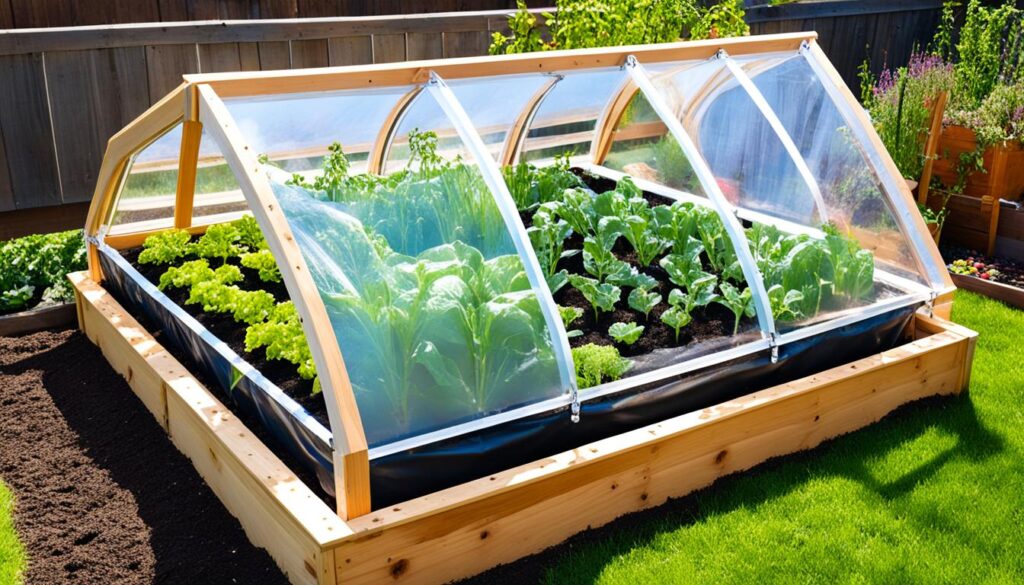
Frost-sensitive plants require special care to protect them from harsh weather conditions and prevent pest damage. One effective method of safeguarding these plants is by utilizing polypropylene covers. These covers act as a barrier, shielding the plants from the elements and creating a protective environment.
One type of polypropylene cover that is recommended for frost-sensitive plants is non-woven spun-bonded polypropylene. This material provides excellent protection while allowing air and sunlight to reach the plants, ensuring their overall health and well-being.
By using polypropylene covers, you can effectively shield your outdoor potted plants from frost and other extreme weather conditions. These covers not only provide protection but also serve as a barrier against pests, preventing damage to the plants.
When selecting polypropylene covers, it is important to choose ones specifically designed for frost-sensitive plants. These covers are tailored to meet the unique needs of these plants, offering optimal protection and ensuring their survival.
With the use of polypropylene covers, you can create a safe and nurturing environment for your frost-sensitive plants, safeguarding them from harsh weather and pest damage. By investing in these covers, you can preserve the health and vitality of your outdoor potted plants and enjoy their beauty for years to come.
Selecting the Ideal Location for Your Plants
The location of your outdoor potted plants is crucial for their survival. Choosing the right spot with adequate sunlight exposure and protecting them from frost pockets and cold winds will greatly impact their health. A well-selected location can make all the difference in the success of your outdoor plants.
Impact of Sunlight Exposure
Sunlight is essential for the growth and development of outdoor plants. When selecting a location, consider the amount of sunlight your plants need. Most plants thrive in areas that receive at least six hours of direct sunlight each day. East-facing areas are particularly beneficial as they receive the morning sunlight, providing a good start for plant growth.
Avoiding Frost Pockets
Frost pockets are areas where cold air settles, increasing the risk of frost. To protect your plants, avoid low-lying areas and places where cold air can accumulate, such as valleys or depressions. Choose higher ground or use raised beds to minimize the risk of frost damage to your precious plants.
Potential Damage from Cold Winds
Cold winds can cause damage to outdoor plants, especially those that are more sensitive to low temperatures. When selecting the location, consider the prevailing wind direction and choose an area that is sheltered from strong gusts. Fences, buildings, or natural windbreaks like trees and shrubs can provide protection and create a favorable microclimate for your plants.
❝The right location can make all the difference in the success of your outdoor plants. Choose wisely and give them the best possible chance to thrive.❞
By carefully selecting the ideal location for your outdoor potted plants, taking into account sunlight exposure, avoiding frost pockets, and protection from cold winds, you can create an optimal environment for their growth and ensure their long-term health and survival.
Opting for Native Plants to Suit the Climate
To ensure the survival of your outdoor potted plants during winter, it is advisable to choose native plants that are well-suited for the climate. Different plants have varying tolerance levels to cold temperatures, so selecting species that can thrive in the local climate is essential. By choosing native plants, you are opting for species that have adapted to the specific environmental conditions of your region, making them more resilient to cold temperatures and other climatic challenges.
When choosing native plants, consider their tolerance to frost and cold temperatures. Look for winter-friendly flowers and vegetables that can withstand the harsh conditions. Winter pansies, snowdrops, and heather are excellent choices for adding color and beauty to your winter garden. Vegetables like kale, leeks, and Brussels sprouts are known for their resilience to cold temperatures and can provide a fresh harvest even during the winter months.

In addition to their ability to withstand cold temperatures, native plants also offer other benefits. They have adapted to the local ecosystem, attracting native pollinators and supporting biodiversity. Their deep root systems help prevent soil erosion and improve water retention, making them more resilient to drought and heavy rainfall. By choosing native plants, you are not only creating a beautiful garden but also contributing to the overall health of the environment.
Benefits of Choosing Native Plants:
- Resilience to cold temperatures
- Attracting native pollinators
- Supporting biodiversity
- Preventing soil erosion
- Improving water retention
When selecting plants for your outdoor pots, consult with local nurseries or garden centers to get expert advice on the best native species for your area. They can provide valuable insights into plant characteristics, growth habits, and maintenance requirements. By opting for native plants, you are setting the stage for a vibrant and thriving garden that can withstand the challenges of winter and provide year-round enjoyment.
Diagnosing and Treating Plant Issues
As a plant enthusiast, I understand the frustration of dealing with various issues that can affect the health of outdoor potted plants. Pests, diseases, root competition, and chemical damage are common challenges that can lead to deterioration and even death of your beloved plants. However, with regular inspection and taking appropriate measures, you can prevent and treat these problems to ensure the longevity of your plants.
One crucial step in maintaining healthy outdoor potted plants is identifying pests and diseases early on. Keep a watchful eye for any signs of trouble such as leaf discoloration, unusual spots, or wilting. By catching these issues in their early stages, you can take prompt action and save your plants from further harm.
Additionally, it is essential to consider the role of root competition in plant health. Proper plant spacing is necessary to give each plant enough room to grow and access vital resources such as water and nutrients. Avoid overcrowding your pots and provide adequate space for each plant to thrive.
Another important aspect to consider is avoiding chemical damage. Chemicals used for fertilization or pest control can sometimes harm your outdoor potted plants if not applied correctly. Always follow instructions carefully and use organic or natural alternatives whenever possible to minimize the risk of chemical damage to your plants.