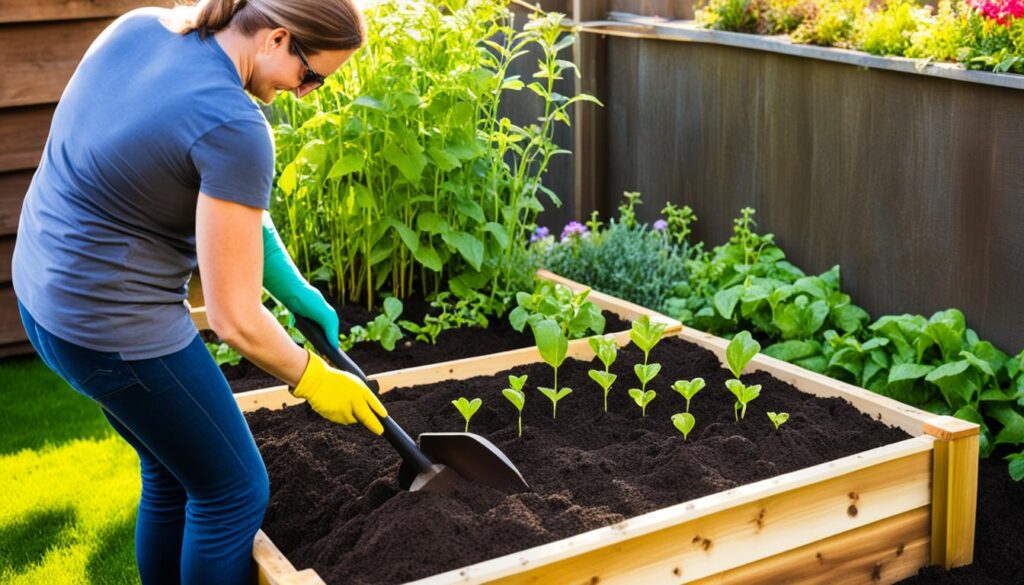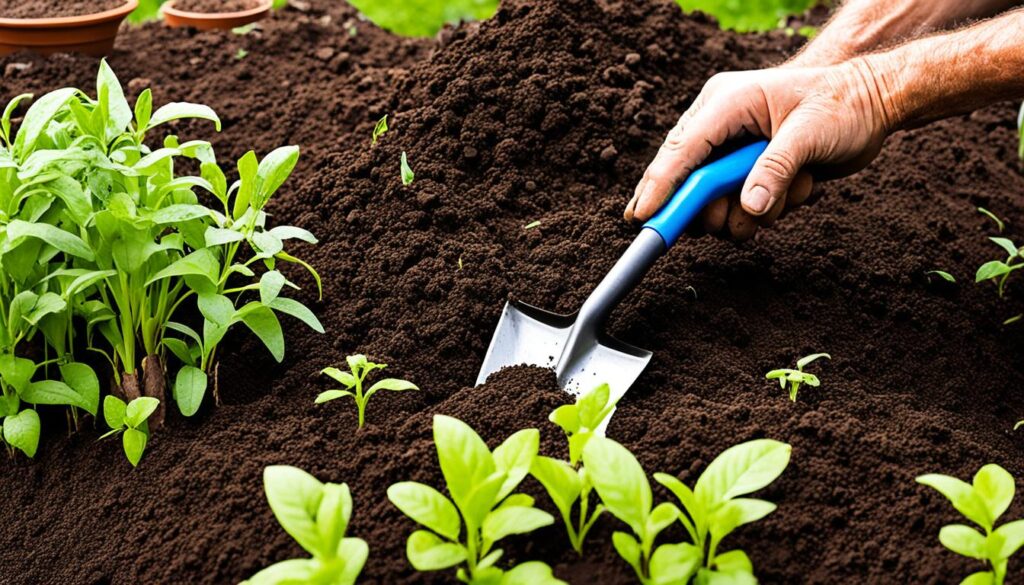

Gardening enthusiasts are always on the lookout for natural and effective ways to nourish their plants and promote healthy growth. One such age-old solution that has stood the test of time is horse manure. Renowned for its nutrient-rich composition, horse manure offers a plethora of benefits for plants, making it a valuable resource for gardeners.
So, what exactly makes horse manure so beneficial for plants? Let’s explore the reasons behind its effectiveness and discover the advantages it brings:
Key Takeaways:
- Horse manure is a nutrient-rich fertilizer that provides essential elements like nitrogen, phosphorus, and potassium for plant growth.
- Incorporating horse manure into gardening practices leads to healthier soil conditions, improved drainage, and enhanced microbial activity.
- Horse manure compost enriches the soil with organic matter, improves its structure, and enhances nutrient availability.
- Horse manure supports overall plant health, strengthens natural defense mechanisms, and helps suppress certain plant diseases and pests.
- Applying well-aged and properly composted horse manure in gardens ensures optimal results while avoiding potential weed seeds or pathogens.
Stay tuned as we delve deeper into each aspect, unraveling the numerous benefits of using horse manure for plant nutrition. Whether you’re a seasoned gardener or a novice in the world of horticulture, this comprehensive guide will equip you with the knowledge to harness the power of horse manure and witness the remarkable impact it can have on your plants’ well-being.
Nutrient-Rich Horse Manure for Plants
When it comes to plant nutrition, horse manure reigns supreme as a natural fertilizer. Its nutrient-rich composition makes it an excellent choice for promoting healthy plant growth. Horse manure contains essential elements like nitrogen, phosphorus, and potassium, which are crucial for plant development and overall vitality.
The Power of Natural Fertilization
The composition of horse manure provides plants with a well-rounded nutrient profile. Nitrogen promotes healthy leaf and stem growth, while phosphorus is essential for robust root development. Additionally, potassium enhances overall plant health and improves disease resistance. Together, these elements create an ideal environment for plants to thrive and reach their full potential.
Organic and Sustainable
One of the key advantages of using horse manure as a plant fertilizer is its organic nature. Unlike chemical-based fertilizers, horse manure is a natural and environmentally friendly option. It helps to maintain soil health and fertility without introducing harmful synthetic substances into the ecosystem. By choosing organic horse manure, you’re not only benefiting your plants but also supporting sustainable gardening practices.
Horse manure is a valuable resource that can be obtained locally or even recycled from stables and farms, making it a renewable option for gardeners. Its nutrient-rich content and organic composition contribute to robust plant growth and healthier soil conditions.
Promoting Robust Garden Health and Growth
When it comes to gardening, healthy soil is the foundation for successful plant growth. Incorporating horse manure into your gardening practices can offer numerous advantages that contribute to robust garden health and optimal plant growth. Let’s explore some of the key benefits of using horse manure in gardening.

One of the advantages of using horse manure in gardening is its ability to improve soil conditions. Horse manure is rich in organic matter, which enhances soil structure and texture, allowing for better water circulation and root development. The added organic matter helps to increase the soil’s water-holding capacity, reducing the risk of waterlogging or drought stress for your plants.
In addition to improving soil structure, horse manure also promotes improved drainage. The organic matter in horse manure helps to create pore spaces in the soil, allowing excess water to drain away, preventing waterlogging and reducing the risk of root rot. This is particularly beneficial in heavy clay soils that tend to retain water.
Furthermore, horse manure provides a boost to soil microbial activity. Microorganisms play a crucial role in breaking down organic matter into nutrients that plants can readily absorb. By introducing horse manure into your garden, you are creating a favorable environment for these beneficial microbes, leading to increased nutrient availability for your plants.
Another advantage of using horse manure is its nutrient content. Horse manure is a natural source of essential plant nutrients, including nitrogen, phosphorus, and potassium. These nutrients are vital for plant growth and development, supporting various processes such as photosynthesis, root development, and flowering.
As you can see, incorporating horse manure into your gardening practices offers numerous advantages for soil health and plant growth. It improves soil conditions, promotes better drainage, enhances microbial activity, and provides essential nutrients for your plants. By harnessing the power of horse manure, you can create a thriving garden that showcases lush, vibrant plants.
Harnessing the Power of Horse Manure Compost
Composting horse manure is an excellent way to unlock the full potential of this natural resource and reap its numerous benefits for plant growth. By utilizing horse manure compost as a soil amendment, gardeners can create a fertile environment that nurtures plants and maximizes their potential.
The process of composting horse manure is relatively simple. It involves collecting fresh manure from stables or farms and allowing it to decompose over time. During the composting process, the manure breaks down into a nutrient-rich, dark brown substance that is known as horse manure compost.
Using horse manure compost offers several significant benefits for plant growth. Firstly, it enriches the soil with organic matter, which improves the soil’s structure and helps retain moisture. This organic matter also enhances the soil’s ability to hold onto essential nutrients, making them readily available to plants when needed.
In addition to supplying organic matter, horse manure compost is a valuable source of essential nutrients like nitrogen, phosphorus, and potassium. These nutrients are vital for plant growth and development. The slow-release nature of these nutrients in compost ensures a steady and consistent supply, promoting healthy and sustainable growth.
Improving Soil Health and Fertility
Furthermore, horse manure compost enhances soil health and fertility. When incorporated into the soil, it promotes beneficial microbial activity that breaks down organic matter, making nutrients more accessible to plants. This increased microbial activity also aids in soil aeration and nutrient cycling, contributing to long-term soil health.
By using horse manure compost, gardeners can expect improved soil structure and increased water-holding capacity. The compost acts as a natural soil conditioner, reducing compaction and enhancing overall soil quality. This, in turn, creates a conducive environment for root development and enables plants to establish stronger, healthier root systems.
Incorporating horse manure compost into garden beds or containers can significantly improve plant growth and yield. Its ability to provide a steady supply of essential nutrients, enhance soil health, and improve water retention makes it an invaluable tool for gardeners seeking to achieve optimal plant performance.
Next, I will explore how horse manure contributes to overall plant health and immunity, highlighting its role in strengthening plants’ natural defense mechanisms against diseases and pests.
Nurturing Plant Health and Immunity
When it comes to plant health and immunity, horse manure proves to be a valuable ally. The nutrients and organic matter present in horse manure play a significant role in supporting overall plant health and strengthening their natural defense mechanisms.

One of the major benefits of horse manure for plants is its ability to provide essential nutrients that plants need for growth and development. The organic matter in horse manure contains a range of important elements, including nitrogen, phosphorus, and potassium, which are vital for plant nutrition.
In addition to nutrient availability, horse manure contributes to soil health by improving its structure and fertility. The organic matter acts as a soil conditioner, enhancing the soil’s ability to retain moisture and nutrients. This leads to increased microbial activity and promotes a healthy soil ecosystem, which in turn supports plant growth and vitality.
Horse manure also has the remarkable ability to suppress certain plant diseases and pests. It contains beneficial microorganisms that help to control harmful pathogens and reduce the risk of plant infections. This natural defense mechanism provided by horse manure contributes to the overall disease resistance and resilience of plants.
By incorporating horse manure into your garden, you can nurture your plants, ensuring they have the nutrients they need to thrive and the resilience to withstand environmental stressors. The natural and organic nature of horse manure makes it a sustainable choice for plant nutrition, benefitting both your garden and the environment.
Application and Precautions
When it comes to using horse manure to improve plant growth and enhance soil health, proper application and precautions are key. Here are some guidelines to help you make the most of this organic fertilizer:
- Quantity: Apply horse manure in a controlled manner to prevent overfertilizing your plants. Aim for a thin layer of about 1-2 inches across the soil surface. This allows for gradual nutrient release and prevents nutrient imbalance.
- Composting: It is essential to use well-aged and properly composted horse manure. This ensures that any potential weed seeds or pathogens present in the fresh manure have been broken down and rendered inactive, reducing the risk of unwanted plant growth or diseases.
- Timing: Apply horse manure in the early spring or fall when the soil is workable. Avoid applying it during hot summer months to minimize the risk of nitrogen leaching or burning the plants.
- Incorporation: Mix the horse manure into the top few inches of soil using a garden fork or tiller. This helps distribute the nutrients more evenly and encourages root penetration.
- Depth: Avoid burying the horse manure too deeply in the soil, as excessive burial can inhibit oxygen exchange with the plant roots.
- Watering: After applying horse manure, water the area thoroughly to help activate nutrient release and promote nutrient uptake by the plants.
- Reapplication: Depending on your specific plant needs and the nutrient content of your soil, you may need to reapply horse manure annually or every few years. Regular soil testing can provide useful insights into your soil’s nutrient composition.
By following these application guidelines and taking necessary precautions, you can harness the benefits of horse manure for improving plant growth and optimizing soil health.
Sustainable and Environmentally Friendly Option
When it comes to gardening, finding sustainable and environmentally friendly solutions is essential. That’s why using organic horse manure for plant growth is a fantastic choice. Not only does it provide numerous benefits for plants, but it also aligns perfectly with eco-conscious practices.
One of the key advantages of horse manure as a natural fertilizer is its low environmental impact. Unlike synthetic fertilizers that can have harmful effects on the ecosystem, horse manure is organic and biodegradable. By opting for horse manure, you can reduce chemical runoff and limit the release of pollutants into the environment.
Furthermore, organic horse manure offers a host of benefits for plants. It enriches the soil with essential nutrients like nitrogen, phosphorus, and potassium, creating an optimal environment for plant growth. These nutrients are released slowly, ensuring that your plants receive a steady and long-lasting supply of nourishment.

Horse manure also enhances soil health by improving its structure and promoting better drainage. It increases the soil’s water-holding capacity and creates a favorable habitat for beneficial soil organisms, such as earthworms and microbes. These organisms play a crucial role in nutrient cycling, making them essential for maintaining healthy soil ecosystems.
By choosing horse manure as a natural fertilizer, you contribute to the sustainability of your garden and the overall environment. You reduce the need for synthetic chemicals and promote a more balanced and harmonious ecosystem. Plus, horse manure is readily available from local stables and farms, making it a renewable resource that supports local agriculture.
So, if you’re looking for a sustainable and environmentally friendly option to nourish your plants, consider using organic horse manure. Not only will you see the benefits in your garden, but you’ll also be contributing to a healthier planet.
Horse Manure as a Renewable Resource
When it comes to sustainable gardening practices, horse manure shines as a renewable resource that is readily available and accessible to gardeners. Rich in nutrients, horse manure serves as a valuable organic fertilizer for plant growth and development.
Obtaining horse manure is easier than you might think. You can often find it locally at stables, farms, or equestrian centers. Many equine enthusiasts are happy to give away their horse manure, as it saves them the trouble of disposal. By recycling this waste product, you can create a win-win situation: you get a free source of organic fertilizer while helping to reduce waste.
Using horse manure as a natural fertilizer aligns perfectly with the ethos of sustainable gardening. By utilizing a renewable resource, you reduce dependence on synthetic fertilizers and promote a healthier environment for plants and ecosystems.
Not only is horse manure abundant and accessible, but it also comes with the added benefit of being affordable. Unlike commercial fertilizers, which can be costly, horse manure provides an economical solution for enriching your garden soil.
Nutrient-Rich Organic Matter
Horse manure is an excellent source of organic matter, which adds vital structure and improves the water-holding capacity of the soil. This helps to prevent water runoff and erosion, ensuring that plants receive sufficient moisture.
The decomposition of horse manure releases essential nutrients such as nitrogen, phosphorus, and potassium, which are crucial for plant growth. These nutrients become available to plants gradually, providing a sustained supply of nourishment throughout their development.
Furthermore, the organic matter in horse manure promotes beneficial microbial activity in the soil. These microorganisms break down organic compounds and create a healthy soil ecosystem, enhancing nutrient cycling and improving overall soil fertility.
By harnessing the power of horse manure as a renewable resource, you can nourish your plants naturally and sustainably. Its availability, accessibility, and nutrient-rich composition make it an ideal choice for gardeners seeking an eco-friendly and effective plant fertilizer.
Conclusion
Throughout this article, I have highlighted the numerous benefits and advantages of using horse manure for plant nutrition. Horse manure is a nutrient-rich organic material that serves as an excellent natural fertilizer for plants. It contains essential elements like nitrogen, phosphorus, and potassium, which are crucial for plant growth and development.
By incorporating horse manure into gardening practices, you can promote robust garden health and enhance soil conditions. Horse manure improves soil structure, enhances nutrient availability, and encourages microbial activity. This leads to healthier plants with stronger natural defense mechanisms against diseases and pests.
Furthermore, horse manure can be harnessed as compost, enriching the soil with organic matter and further improving plant growth. It is a sustainable and environmentally friendly option, reducing chemical runoff and supporting eco-friendly gardening practices. Additionally, horse manure is readily accessible and can be obtained locally from stables and farms, making it a renewable resource for gardeners.
In conclusion, horse manure is a valuable asset for plant nutrition and gardening. Its nutrient content, soil-enhancing properties, and sustainable nature make it an excellent choice for gardeners seeking organic and eco-friendly solutions. Consider integrating horse manure into your gardening practices to reap the many benefits it has to offer.