
If you’ve noticed mould growing on your indoor plants, you may be wondering what the cause is and how to address it. In this article, we’ll explore the reasons behind mould growth on plants and provide effective ways to prevent and treat it, ensuring a healthy and thriving indoor garden.
Key Takeaways:
- Excess moisture and humidity contribute to mould growth on indoor plants.
- Inadequate air circulation can create an ideal environment for mould to thrive.
- Overcrowding plants and poor spacing can promote mould growth.
- Well-draining soil and proper watering techniques are crucial for preventing mould.
- Using clean water and disease-free plants helps minimize the risk of mould infestation.
Understanding Mold on Houseplants
Before we delve into the specifics of mold growth on plants, it’s important to have a clear understanding of what mold is and why it appears on houseplants. Mold, also known as mould in British English, is a type of fungi that thrives in damp and humid conditions.
Mold growth on houseplants can occur due to various factors, including poor ventilation, excessive moisture, and lack of proper care. There are several types of mold that commonly affect indoor plants, such as powdery mildew, gray mold, and black mold.
These molds can often be identified by their fuzzy or powdery appearance on the leaves, stems, or other parts of the plant. Their presence not only detracts from the beauty of your houseplants but can also harm their overall health and growth.
Dealing with plant mold requires understanding its underlying causes and implementing effective prevention and treatment methods. In the following sections, we will explore the reasons mold tends to thrive on houseplants and provide you with practical solutions to tackle this issue.
The Role of Moisture and Humidity
Moisture and humidity are pivotal factors in the development of mold on plants. Excess moisture, both in the soil and in the air, creates the ideal environment for mold growth. To prevent and manage mold issues, it is essential to understand the importance of proper watering techniques and humidity control.
When it comes to watering your plants, it’s important to strike the right balance. Overwatering can lead to waterlogged soil, creating a breeding ground for mold. On the other hand, underwatering can cause stress to the plants, making them more susceptible to mold infestation. Take into account the specific needs of each plant and adjust your watering schedule accordingly.
Proper Watering Techniques:
- Ensure that the soil is dry before watering.
- Water your plants deeply and thoroughly, allowing the water to penetrate the root zone.
- Avoid frequent light watering, as this can promote shallow root growth and increase moisture retention.
- Use well-draining pots and avoid containers without drainage holes, as they can lead to waterlogged soil.
Aside from proper watering, controlling humidity levels is crucial in preventing mold growth on indoor plants. Mold thrives in high humidity environments, especially when combined with poor air circulation. Here are some tips to control humidity:
Humidity Control Tips:
- Place a dehumidifier in the room to reduce moisture in the air.
- Use a hygrometer to monitor humidity levels and aim for a range of 40-60%.
- Ensure proper ventilation by opening windows or using fans to improve air circulation.
- Avoid placing plants near sources of moisture, such as bathrooms or kitchens.
By implementing these measures, you can effectively prevent mold on your plants and create an optimal growing environment. Remember, maintaining the right balance of moisture and humidity is key to keeping your indoor plants healthy and mold-free.

Poor Air Circulation and Ventilation
Inadequate air circulation and ventilation can contribute to mold growth on indoor plants. When air becomes stagnant and lacks proper movement, it creates an environment that is conducive to the formation of mold. This is especially true in enclosed spaces such as your indoor gardening area.
One of the key factors to prevent mold on your plants is ensuring proper airflow. By improving ventilation in your indoor gardening space, you can significantly reduce the risk of mold formation. Here are some plant mould prevention tips to enhance air circulation:
- Position fans strategically: Place fans near your plants to promote air movement. The gentle breeze generated by the fan will help prevent stagnant air and discourage mold growth.
- Open windows and doors: Whenever possible, open windows and doors to allow fresh air to enter your indoor garden. This will help in maintaining a healthy air exchange and preventing mold from thriving.
- Use exhaust fans: If your indoor gardening space is equipped with an exhaust fan, make sure to run it regularly. Exhaust fans help remove stagnant air and humidity, reducing the risk of mold formation on your plants.
- Space out your plants: Providing adequate space between your plants allows for better air circulation. Avoid overcrowding, as it creates areas of still air where mold can develop. Give your plants enough room to breathe and grow freely.
By incorporating these simple plant mould prevention tips into your indoor gardening routine, you can create a well-ventilated environment that discourages mold growth on your beloved plants.
Improving Air Circulation with a Fan
One effective way to enhance air circulation in your indoor garden is by using a fan. Place a fan near your plants, ensuring that it is positioned to provide a gentle breeze without directly blowing on the foliage. The fan’s movement will help prevent stagnant air and create an environment less conducive to mold growth.
Overcrowding and Lack of Space
When it comes to preventing plant mold and dealing with plant mould, one crucial factor that often gets overlooked is the issue of overcrowding and lack of space. Giving your plants enough room to breathe and grow is essential in maintaining a healthy environment and preventing mold growth.
Overcrowding plants not only limits their access to sunlight, but it also creates a favorable environment for mold to thrive. When plants are densely packed, air circulation becomes restricted, trapping moisture and increasing humidity levels. These conditions provide the perfect breeding ground for mold spores to settle and spread.
By providing adequate space between your plants, you allow for better airflow and reduce the chances of mold growth. Proper spacing enables the leaves to dry more efficiently after watering, reducing the overall moisture content in the environment. This simple step can make a significant difference in preventing plant mold and dealing with plant mould issues.
Apart from preventing mold, spacing your plants adequately also offers additional benefits. It reduces competition for resources such as water and nutrients, ensuring each plant has a fair share to thrive. It also allows you to easily access and inspect the plants, making it easier to spot any signs of mold or other plant-related issues.
So, when arranging your indoor garden, keep in mind the importance of giving your plants room to breathe. Avoid overcrowding and ensure each plant has enough space to grow and flourish. By doing so, you’ll not only promote healthy plant growth but also minimize the risk of mold formation.

As we continue our exploration of preventing plant mold and dealing with plant mould, let’s now turn our attention to another critical aspect: soil quality and drainage issues.
Soil Quality and Drainage Issues
When it comes to preventing mold growth on plants, soil quality and drainage are crucial factors to consider. The type of soil you use and its ability to drain excess moisture can significantly impact the likelihood of mold development.
A soil composition that retains too much water creates a breeding ground for mold spores to thrive. The excess moisture provides the perfect conditions for mold to grow and spread throughout your plant’s roots and foliage. It’s essential to optimize the soil conditions to create an inhospitable environment for mold.
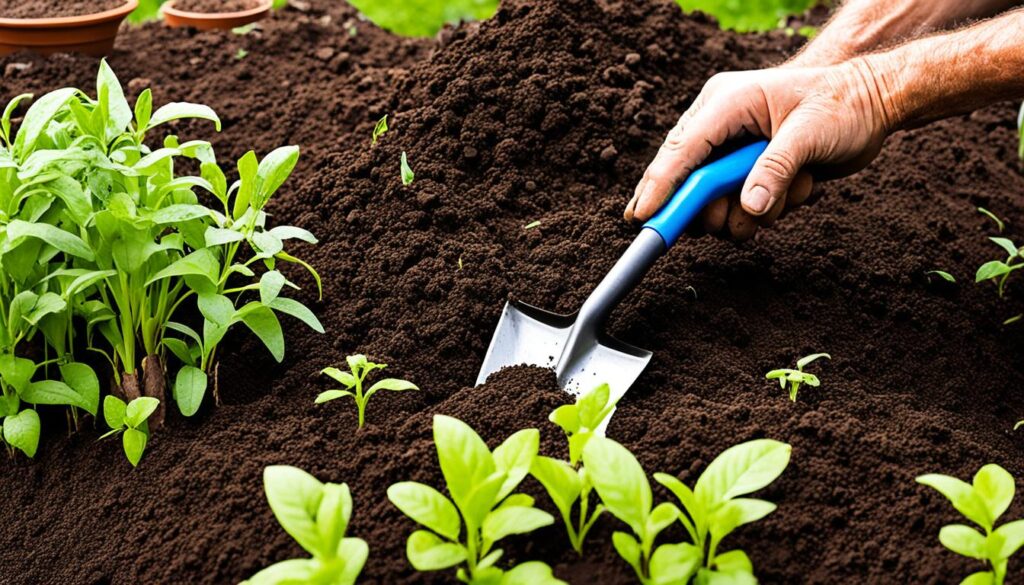
To prevent mold growth, use well-draining soil that allows water to pass through freely. Sandy or loamy soils are ideal choices as they have excellent drainage properties. On the other hand, heavy clay soils tend to retain moisture and may promote mold growth. If you have clay soil, consider amending it with organic matter such as compost or peat moss to improve drainage.
In addition to using the right soil type, proper watering techniques are crucial for preventing excess moisture retention. Avoid over-watering your plants, as this can lead to waterlogged soil and create a favorable environment for mold. Instead, water your plants only when the top inch of soil feels dry.
Remember, each plant has different water requirements, so it’s essential to understand the needs of your specific plants and adjust your watering schedule accordingly. By maintaining the right moisture balance in the soil, you can greatly reduce the risk of mold growth.
Contaminated Water and Plant Materials
When it comes to keeping your indoor plants healthy, using clean water and disease-free plant materials is vital. Contaminated water or introducing infected plant materials can introduce mold spores to your indoor garden, increasing the risk of mold infestation. To minimize this risk and maintain a mold-free environment, follow these tips for plant mold treatment and controlling mold on indoor plants.
1. Use Clean Water
Using clean, fresh water is crucial for preventing mold growth on your plants. Tap water may contain chemicals or bacteria that can harm your plants and promote mold infestation. Consider using filtered or distilled water to eliminate any impurities that could contribute to mold issues. Additionally, avoid over-watering your plants, as excess moisture can create a favorable environment for mold growth.
2. Choose Disease-Free Plants
When adding new plants to your indoor garden, ensure they are disease-free. Purchasing plants from reputable nurseries or garden centers can help minimize the risk of introducing mold or other plant diseases. Inspect the plants carefully for any signs of mold or pests before bringing them home. Quarantine new plants for a few weeks to observe their health before integrating them with your existing plants.
3. Maintain Proper Plant Hygiene
Good plant hygiene is essential for preventing mold from spreading. Regularly inspect your plants for any signs of mold growth, such as fuzzy patches or discoloration on leaves or stems. If you spot mold, isolate the affected plant to prevent the spores from spreading to other plants. Trim off the infected parts using clean and sterilized pruning tools. Dispose of the trimmings properly to avoid spreading mold spores.
It’s also important to keep your indoor gardening space clean and free from debris that could harbor mold spores. Wipe down plant pots, surfaces, and utensils regularly with a mild soap solution to remove any accumulated dust or potential mold sources.
By using clean water, choosing disease-free plants, and practicing proper plant hygiene, you can significantly reduce the risk of mold infestation and maintain a healthy indoor garden.

Note: Check out the image above to visualize the importance of controlling mold on indoor plants.
Recognizing and Treating Mold on Plants
It’s essential to promptly identify and address mold growth on your plants to prevent its spread and ensure their continued health. In this section, we’ll discuss how to recognize different types of mold on plants and provide effective treatment options to eradicate the mold.
Recognizing Different Types of Mold
When dealing with plant mold, it’s crucial to be able to identify the specific type of mold affecting your plants. Different molds can have varying appearances and characteristics. Here are some common types of mold you may encounter:
- Green Mold: This type of mold often appears as a fuzzy green growth on the leaves or stems of plants.
- Black Mold: Black mold is characterized by its dark black or brownish color. It usually grows in damp and humid conditions.
- White Mold: White mold often forms a powdery or fluffy layer on the surface of plants. It thrives in moist environments.
By being able to recognize these different types of mold, you can better understand the specific treatment approach needed.
Treatment Options for Mold Eradication
Once you’ve identified mold on your plants, it’s important to take immediate action to treat it. Here are some effective treatment options to consider:
- Isolation: If only a few leaves or parts of the plant are affected, carefully isolate the affected areas to prevent the mold from spreading to healthy portions of the plant.
- Pruning: In cases where the mold has spread extensively, pruning the affected parts is often the most effective option. Ensure to sterilize pruning tools between cuts to prevent the spread of mold.
- Organic Treatments: For mild cases, organic treatments such as neem oil or diluted vinegar can be used to eliminate mold. Apply these treatments according to the product instructions.
- Fungicides: In more severe cases, the use of systemic or contact fungicides may be necessary. Choose a fungicide specifically formulated for the type of mold affecting your plants, and follow the instructions carefully.
Remember to always prioritize the health and safety of your plants when selecting and using treatment methods. If you’re unsure about the severity of the mold infestation or the appropriate treatment, consult with a garden specialist or horticulturist for professional guidance.
By promptly recognizing and treating mold on your plants, you can effectively manage the issue and ensure the continued growth and well-being of your indoor garden.
Natural and Chemical Mold Control Methods
When it comes to dealing with mold on your plants, you have a range of options to choose from. In this section, we’ll explore both natural and chemical methods for plant mold treatment, discussing their effectiveness and potential drawbacks. This will help you determine the right approach for preventing mold on plants in your unique indoor garden.
Natural Mold Control Methods
Natural methods for preventing and treating mold on plants are a popular choice due to their safety and eco-friendly nature. Here are some effective natural approaches to consider:
- Proper watering: Water your plants at their base to prevent excess moisture on the leaves and stems, which can encourage mold growth.
- Improving air circulation: Use a fan or open windows to promote airflow around your plants, reducing moisture buildup and inhibiting mold development.
- Neem oil: This organic oil can act as a natural fungicide, helping to control mold growth on plants when applied according to the instructions.
- Cinnamon: Sprinkling cinnamon powder on the soil surface can deter the growth of mold and other harmful fungi.
Chemical Mold Control Methods
If you’re dealing with a severe mold infestation or prefer more potent solutions, chemical methods can provide effective plant mold treatment. Here are some commonly used options:
- Copper-based fungicides: These products contain copper compounds that effectively control mold and other fungal diseases on plants.
- Sulfur-based fungicides: Sulfur-based products are another effective option for controlling mold on plants, especially in cases of powdery mildew.
- Bleach solution: A diluted bleach solution can be used to disinfect pots, tools, and surfaces to prevent the spread of mold spores.
Note: When using chemical treatments, always follow the instructions carefully and avoid applying them to edible plants without verifying their safety for consumption.
Choosing the Right Approach
When deciding between natural and chemical mold control methods, consider factors such as the severity of the mold issue, plant variety, and personal preference. Natural methods are generally preferred for preventive measures and mild cases of mold growth. However, chemical treatments may be necessary in more severe or persistent infestations. It is always a good idea to consult with a gardening professional or local garden center for personalized advice based on your specific situation.
Now that you’re equipped with knowledge about both natural and chemical approaches, you can confidently prevent and treat mold on your plants for a healthier and thriving indoor garden.
Maintaining a Mold-Free Indoor Garden
Prevention is key to keeping your indoor garden free from mold. Throughout this article, I have shared various important steps and strategies to tackle mold growth on your plants. By incorporating these tips into your regular plant care routine, you can create a healthy and mold-free environment for your indoor plants.
Regular Cleaning and Inspection
Make it a habit to regularly inspect your plants for any signs of mold growth. Check the leaves, stems, and soil for any visible mold or mildew. If you spot any, remove the affected areas immediately to prevent further spread. Additionally, clean any fallen leaves or plant debris that may accumulate around your plants, as they can create a breeding ground for mold.
Proper Watering Techniques
Overwatering is one of the main culprits behind mold growth on indoor plants. It’s crucial to water your plants only when the top inch of soil feels dry to the touch. Ensure that your pots have proper drainage to avoid excess moisture buildup. Additionally, avoid misting your plants excessively as it can create a damp environment ideal for mold spores to thrive.
Good Air Circulation
Poor air circulation can contribute to mold growth on plants. To enhance airflow around your plants, consider using a fan in the room or opening windows to allow fresh air circulation. Placing your plants away from walls or furniture can also help promote better ventilation.
Optimal Humidity Levels
Maintaining optimal humidity levels is crucial in preventing mold growth. Most indoor plants prefer humidity levels between 40% and 60%. Use a hygrometer to monitor the humidity in your indoor garden and use a dehumidifier or humidifier, if necessary, to maintain the desired levels.
Proper Spacing
Give your plants enough space to grow and thrive. Overcrowding can restrict airflow and create a humid microclimate, promoting mold growth. Follow the specific spacing guidelines for each plant species to ensure they have enough room for healthy growth.
Regular Plant Maintenance
Regular plant maintenance is vital in preventing mold. Remove any dead or dying foliage promptly, as they can attract mold and spread spores. Keep an eye out for any signs of pests or diseases that could weaken your plants’ defenses against mold.
Natural Mold Prevention Methods
Incorporate natural mold prevention methods into your plant care routine. Consider using organic, antifungal sprays or creating a neem oil solution to treat and prevent mold growth. Additionally, introducing beneficial insects like ladybugs or lacewings can help control pests that can contribute to mold issues.
Monitor Water Quality
Ensure that the water you use for your plants is of good quality. If your tap water contains chlorine, let it sit for 24 hours before using it to water your plants. Using filtered or distilled water can also help reduce the risk of introducing mold spores to your indoor garden.
By following these plant mold prevention tips and implementing them consistently, you can enjoy a thriving indoor garden that is free from the harms of mold. Remember to keep a watchful eye on your plants and take immediate action if you spot any signs of mold growth. With proper care and attention, your indoor plants will flourish in a healthy and mold-free environment.
Conclusion
After delving into the reasons behind plant mold growth and exploring effective treatment methods, you now have the knowledge to combat mold issues in your indoor garden. By addressing the root causes, such as excess moisture and poor air circulation, you can prevent mold from taking hold on your beloved houseplants.
Remember to optimize your soil’s drainage and quality, as well as maintain clean water and disease-free plants to minimize the risk of mold infestation. Good plant hygiene practices, including proper spacing and ventilation, will further contribute to keeping mold at bay.
By incorporating these plant mold prevention tips into your regular plant care routine, you can enjoy a thriving indoor garden that is free from the pesky and harmful effects of mold. Take control of mold on your indoor plants and create a healthy environment for your green companions to flourish.