
Proper soil drainage is crucial for the health and growth of plants. If your soil is not draining properly, it can lead to waterlogged conditions that can harm your plants. In this article, we will explore the reasons why soil may not be draining effectively and provide solutions to fix waterlogged soil issues.
- Soil drainage is essential for healthy plant growth.
- Common reasons for poor soil drainage include compacted soil, clay soil, and a high water table.
- Improving soil drainage can be achieved by removing large stones, adding organic matter, creating raised beds, and incorporating horticultural grit.
- Compost and mulching can enhance soil drainage and overall soil quality.
- Encouraging earthworms and selecting water-loving plants can contribute to better soil drainage.
Importance of Good Soil Drainage
Good soil drainage is crucial for healthy plant growth. It plays a significant role in allowing roots to access oxygen and preventing water from accumulating around them. When soil is well-drained, it helps prevent waterlogging, which can lead to root rot and other plant health issues. Furthermore, adequate soil drainage enables plants to efficiently take up essential nutrients and minerals, ensuring they receive the nourishment needed for their growth and development.
By maintaining good soil drainage, you create an environment that promotes optimal plant health and growth. Waterlogged soil can suffocate plant roots, impair their ability to absorb essential nutrients, and inhibit their overall development. Conversely, when soil is properly drained, it allows for the circulation of air, water, and nutrients, facilitating healthy root development and promoting robust plant growth.
In addition to preventing waterlogging, good soil drainage also helps prevent water runoff. When soil is unable to effectively absorb water, it can lead to excess water runoff, causing nutrient loss and soil erosion. By improving soil drainage, you can retain water in the root zone, providing plants with a steady supply of moisture while minimizing water wastage.
Overall, ensuring good soil drainage is vital for maintaining healthy, thriving plants. It allows roots to access oxygen, prevents waterlogging and root rot, facilitates nutrient absorption, and minimizes water runoff. By implementing strategies to improve soil drainage, such as incorporating organic matter, creating raised beds, or adding horticultural grit, you can create an optimal growing environment that supports healthy plant growth and prevents waterlogged soil issues.
Common Reasons for Poor Soil Drainage
When it comes to soil drainage, there can be several common reasons why water fails to drain effectively. Understanding these causes is essential for addressing and resolving poor soil drainage issues. In this section, I will explore three key factors that contribute to inadequate soil drainage: compacted soil, clay soil, and a high water table.
Compacted Soil
One of the primary reasons for poor soil drainage is compacted soil. This occurs when the soil particles become tightly packed together, leaving little space for water to infiltrate. Compacted soil can occur due to various factors, such as heavy foot traffic, machinery use, or improper soil management practices.
When soil is compacted, it forms dense layers that prevent water from permeating deep into the soil profile. As a result, the water accumulates on the surface, leading to waterlogged conditions. Compacted soil acts like a barrier, restricting the movement of water and preventing proper drainage.
To rectify compacted soil, it is necessary to improve its structure by aerating and loosening the soil. This can be achieved through practices such as deep tilling, cultivation, or the use of specialized equipment like aerators. By creating channels for water to flow and allowing for better oxygen exchange, the soil’s drainage capacity can be significantly improved.
Clay Soil
Another major contributor to poor soil drainage is clay soil. Clay soil is characterized by its fine particles that can become easily compacted, resulting in reduced pore space for water movement. Due to the small particle size, clay soil has a high water-holding capacity, causing water to cling to the soil particles and impede drainage.
When clay particles become compacted, they form dense clumps that further restrict water movement. As a result, excess water collects on the soil surface and cannot drain away efficiently. This can lead to waterlogged conditions, which are detrimental to plant growth and root development.
To improve drainage in clay soil, it is necessary to amend the soil with organic matter. Adding compost or well-rotted manure helps break up the compacted clay particles, improving soil structure and promoting better drainage. These organic materials also contribute to the formation of aggregates, which create pathways for water to move through the soil more freely.
High Water Table
A high water table refers to the level of groundwater that is close to the soil surface. When the water table is high, it can significantly impact soil drainage. Excess water from the groundwater table saturates the soil profile, impeding the movement of water through the soil layers.
In areas with a high water table, the excess water has nowhere to go, leading to waterlogged soil conditions. This can be a particular challenge in low-lying areas or regions with heavy rainfall. The presence of a high water table restricts soil drainage and compromises plant health.
To address poor soil drainage caused by a high water table, various strategies can be employed. Creating drainage systems, such as French drains or installing subsurface drains, can help divert excess water away from the soil. Additionally, choosing suitable plant species that can tolerate wet conditions is crucial in managing soil drainage issues.

Solutions for Improving Soil Drainage
If you’re facing waterlogged soil issues, don’t worry—I’ve got some methods to help you improve soil drainage. Let’s dive in!
1. Removing Large Stones
Large stones can obstruct water flow and contribute to poor soil drainage. Take the time to remove them from your soil. This will create more space for water to pass through, improving the drainage capabilities of your soil.
2. Adding Organic Matter
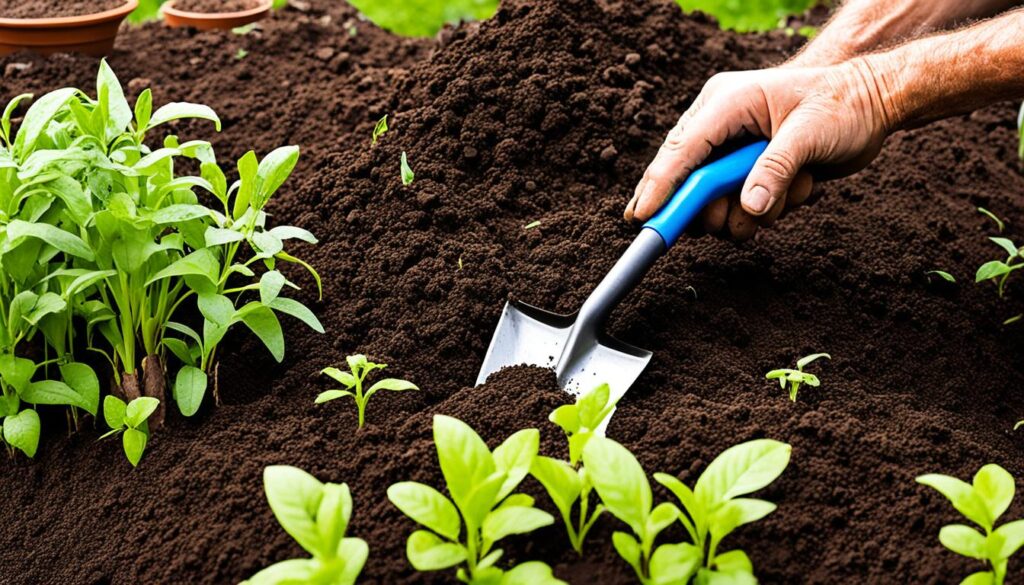
Organic matter, such as well-rotted manure or compost, is an excellent way to enhance soil drainage. These materials help break down clay particles, allowing water to move more freely. Add them to your soil to improve its structure and drainage.
3. Creating Raised Beds
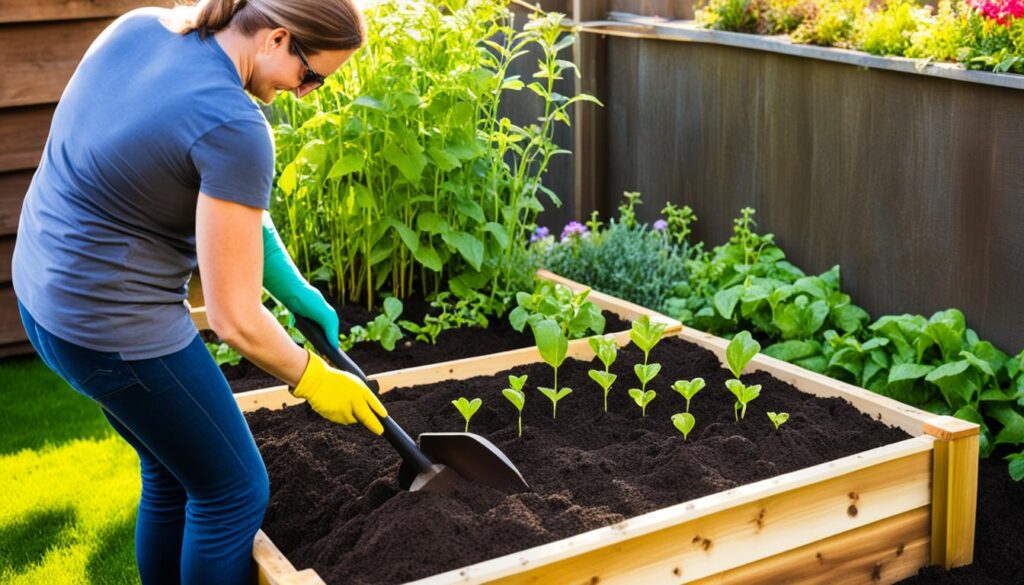
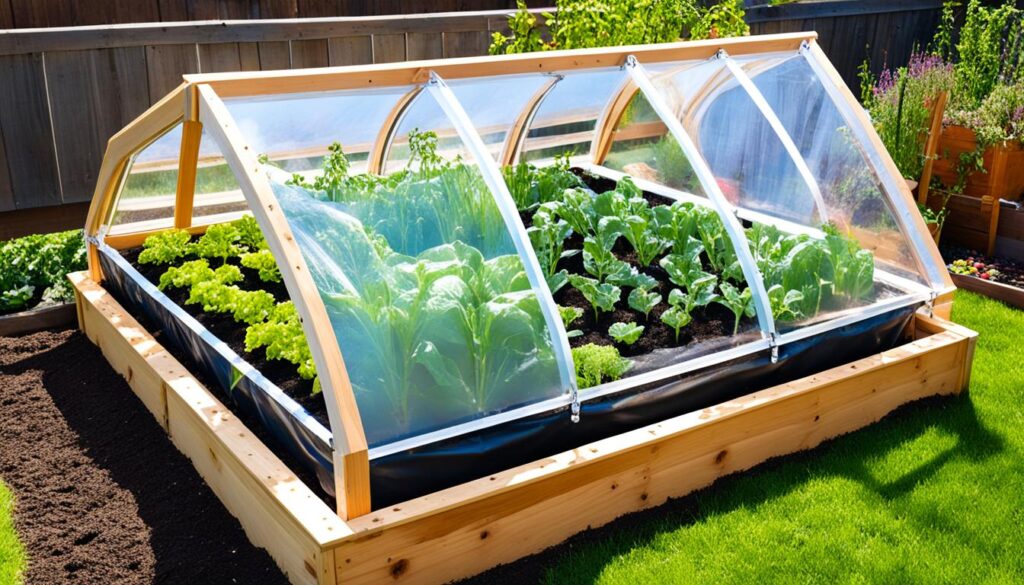
Raised beds are another effective solution for improving soil drainage. By elevating the plants above any drainage issues, you can help prevent waterlogging. Fill the raised beds with a mixture of good quality topsoil and compost, ensuring proper drainage for your plants.
4. Incorporating Horticultural Grit
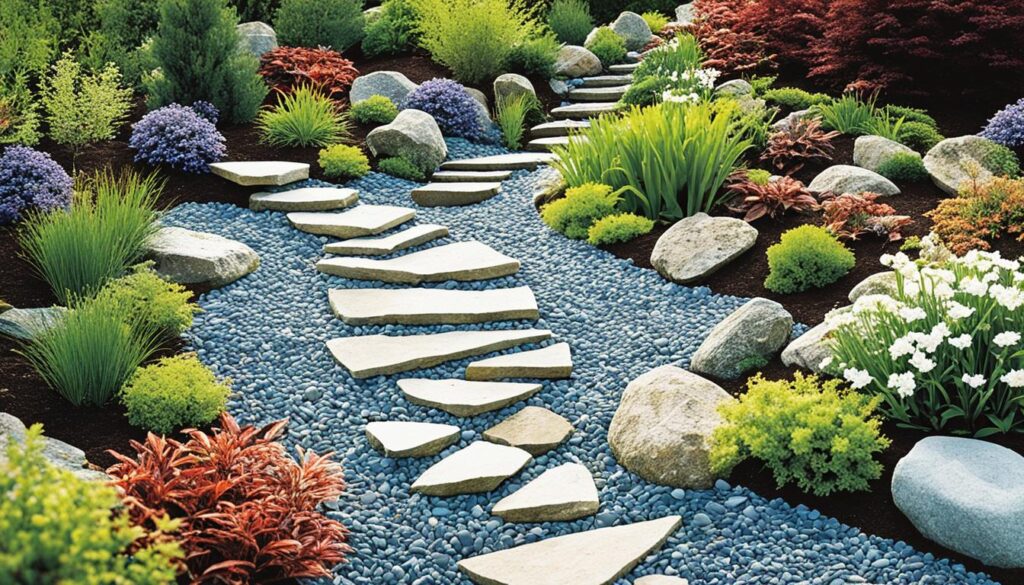
For plants that are sensitive to waterlogging, incorporating horticultural grit can be beneficial. Grit helps create spaces in the soil that allow water to drain away. Introduce it during planting to improve soil drainage and prevent waterlogged conditions.
These methods are just a few ways to improve soil drainage and fix waterlogged soil. Remember to analyze your specific soil conditions and choose the solutions that work best for you. With proper soil drainage, your plants will thrive and grow beautifully.
Making and Using Compost for Soil Drainage
Compost is a valuable addition to improve soil drainage and enhance overall soil quality. By incorporating compost into your garden, you can reap the benefits of improved water infiltration and the ability to break up clay soil. One of the best parts is that you can make your own compost, not only saving money but also contributing to a more sustainable gardening practice.
When making compost, a variety of organic materials can be used, including kitchen waste, yard trimmings, and leaves. By collecting and composting these materials, you create nutrient-rich organic matter that can be added to your soil. This process not only improves drainage but also increases the soil’s fertility and overall structure.
To make your own compost, start by collecting kitchen scraps such as fruit peels, vegetable trimmings, and coffee grounds. These materials provide a great source of organic matter and nutrients. You can also include yard waste, like grass clippings and fallen leaves, as they add additional organic material to the compost pile.
When choosing a spot for your compost pile, ensure it is well-drained and easily accessible. Constructing a compost bin or using a compost tumbler can help contain the materials and speed up the decomposition process.
As you collect your organic waste, layer the materials in your compost pile, alternating between green materials (high in nitrogen) and brown materials (high in carbon). Green materials can include kitchen scraps, fresh grass clippings, or young weeds. Brown materials can include dry leaves, wood chips, or straw.
It is crucial to maintain the right balance of moisture in your compost pile. The compost should be damp, similar to a wrung-out sponge. Regularly turning the pile and providing aeration will help speed up the decomposition process and prevent any unpleasant odours.
Over time, the organic materials in your compost pile will break down into dark, crumbly compost, ready to be used in your garden. Adding this compost to your soil annually will improve its structure, drainage, and nutrient content, making it an excellent choice for promoting healthy plant growth.
By making and using compost for soil drainage, you are not only benefitting your plants but also contributing to a sustainable gardening practice. Give it a try and experience the difference compost can make in improving the quality of your soil.
Mulching to Enhance Soil Drainage
When it comes to improving soil drainage, mulching is a highly effective practice. Mulching involves applying a layer of organic mulch, such as bark chippings, to the soil surface. This simple technique offers a range of benefits for soil health and drainage.
One of the key advantages of mulching is weed suppression. The layer of mulch acts as a barrier, preventing weeds from growing and competing with your plants for resources. By reducing weed growth, mulching allows your plants to thrive and ensures that water can freely drain through the soil.
Another significant benefit of mulching is moisture retention. The mulch layer helps to retain moisture in the soil, preventing excessive evaporation and maintaining optimal soil moisture levels. This is particularly important during dry periods when water availability is limited. By retaining moisture, mulching supports plant growth and prevents water stress.
Moreover, mulching aids in preventing soil compaction. The layer of mulch acts as a cushion, reducing the impact of heavy rainfall or foot traffic on the soil surface. This helps to maintain soil structure and prevent soil particles from compacting, allowing water to penetrate and drain effectively.
As the mulch breaks down over time, it releases valuable nutrients into the soil. This process provides a natural source of nutrition for your plants, promoting healthy growth and development. Additionally, the decomposition of organic mulch contributes to the improvement of soil structure, further enhancing drainage.
To maximize the benefits of mulching for soil drainage, it is recommended to apply a fresh layer of mulch annually in the early spring. This will ensure that your soil retains its moisture levels, suppresses weed growth, and continues to receive the nutrient-rich benefits of mulch throughout the growing season.
Using Cover Crops and Green Manure
Cover crops, also known as green manure, are a valuable tool in improving soil drainage and overall soil health. By planting cover crops in the late summer and allowing them to grow over winter, we can protect the soil from erosion, enhance nutrient cycling, and increase water infiltration.
Various cover crops, such as legumes, radishes, and ryegrass, offer different benefits for soil improvement. Legumes, for example, have the ability to fix nitrogen from the atmosphere, enriching the soil with this essential nutrient. Radishes help break up compacted soil with their deep taproots, improving drainage. Ryegrass, on the other hand, forms a dense cover that prevents soil erosion and adds organic matter to the soil as it decomposes.
Incorporating cover crops into our garden rotation is a long-term strategy for enhancing soil drainage. By alternating the planting of main crops with cover crops, we can maintain good soil structure, prevent nutrient depletion, and reduce weed growth. This practice not only improves soil drainage but also contributes to sustainable agriculture by reducing the need for synthetic fertilizers and pesticides.

Additionally, cover crops and green manure create a living cover that shields the soil from erosion caused by wind and water. The roots of cover crops bind the soil particles together, preventing them from being washed or blown away. This erosion control is crucial for maintaining healthy soil and preventing nutrient runoff into nearby water bodies.
By incorporating cover crops and green manure into our gardening practices, we can improve soil drainage, enhance nutrient cycling, and protect against erosion. These sustainable strategies contribute to long-term soil health and the success of our crops.
Encouraging Earthworms for Better Soil Drainage
Earthworms are remarkable creatures that can significantly enhance soil drainage and improve overall soil health. They serve as indicators of healthy soil, as their presence indicates a balanced ecosystem. On top of that, earthworms play a crucial role in soil aeration and nutrient cycling, benefiting plant growth.
One of the key contributions of earthworms to soil drainage is their burrowing activities. As they move through the soil, they create small channels and tunnels, allowing water to flow more freely. These burrows act as drainage pathways, preventing waterlogging and ensuring that excess water can drain away.
The presence of earthworms also enhances soil aeration. When they burrow, they loosen the soil, creating air pockets and improving the exchange of gases between the soil and the atmosphere. This increased aeration facilitates root respiration and nutrient uptake, leading to healthier and more productive plants.
Moreover, earthworms are fantastic at nutrient cycling. They feed on organic matter such as dead leaves, plant debris, and microorganisms. During digestion, earthworms break down this organic matter and excrete it in the form of castings (worm manure). These castings are rich in nutrients, including nitrogen, phosphorus, and potassium, which are essential for plant growth.
Encouraging earthworm populations in your garden or backyard can be accomplished by creating a worm-friendly environment. Adding compost and organic matter to the soil provides a food source and habitat for earthworms. You can also establish a wormery, which is a dedicated container for worm composting. The wormery allows you to recycle kitchen scraps and create nutrient-rich worm castings that can be used as fertilizer.
The benefits of earthworms go beyond soil drainage. They improve soil fertility, enhance microbial activity, and increase nutrient availability for plants. By fostering a thriving earthworm population, you can maintain healthy soil and ensure excellent soil drainage for optimal plant growth.
Selecting Plants for Wet Areas
When dealing with persistently wet areas, selecting plants that thrive in wet conditions is a practical solution. Water-loving plants, such as Cornus alba and Willows, can tolerate waterlogged soil and add beauty to the landscape. These plants can help soak up excess water and create a woody canopy that improves soil drainage. It is essential to consider the specific requirements and characteristics of each plant when choosing suitable options for wet areas.

Water-Loving Plants
- Cornus alba: Also known as red twig dogwood, this deciduous shrub thrives in wet areas and features striking red stems.
- Willows: A diverse genus of trees and shrubs that are known for their ability to tolerate wet soil conditions.
Water-Tolerant Plants
Aside from specific water-loving plants, there are also water-tolerant species that can handle occasional periods of wet soil. These plants are more adaptable and can survive in a variety of conditions, including wet areas. Some popular water-tolerant plants include:
- Hostas – Known for their beautiful foliage, hostas can tolerate moist soil and provide lush greenery to wet areas.
- Astilbes – These perennial plants are well-suited for wet areas and feature elegant flowers that range in color from white to pink and red.
- Iris – Iris varieties such as Siberian iris and Japanese iris thrive in wet soils and contribute vibrant colors to the landscape.
Wetland Species
If you’re looking to create a wetland habitat or a garden with a more extensive range of wetland species, consider the following options:
- Bulrushes – These tall, grass-like plants are common in wetland environments and can provide structure and visual interest to your garden.
- Cattails – Cattails are iconic wetland plants with distinct cylindrical flowers that can thrive in shallow water and wet soils.
- Pickerelweed – Native to wetlands, pickerelweed features spikes of blue-violet flowers and can be an excellent choice for adding color to your wet area.
By carefully selecting plants that are suited to wet conditions, you can create a thriving garden that not only enhances the beauty of your space but also helps to improve soil drainage in persistently wet areas.
Importance of Soil Testing
Soil testing is a crucial step in understanding the health of your soil and identifying potential drainage issues. By testing the pH, nutrient levels, and organic matter content of your soil, you can gather valuable information to guide your soil improvement strategies.
There are various methods available for soil testing. One option is to use DIY testing kits, which provide quick and convenient results. These kits typically include instructions and materials for collecting soil samples and conducting the tests yourself. Another option is to send soil samples to a professional soil testing laboratory. These laboratories have specialized equipment and expertise to analyze the samples and provide detailed reports with recommendations for soil improvement.
By knowing the specific characteristics of your soil through testing, you can tailor your soil management practices to effectively address drainage issues. For example, if the pH level is too acidic or alkaline, you can adjust it to create optimal conditions for plant growth. Similarly, if nutrient levels are deficient, you can supplement the soil with the necessary nutrients to promote healthy plant development. Furthermore, understanding the organic matter content of your soil allows you to determine the level of organic amendments, such as compost, that may be needed to improve drainage.
Benefits of Soil Testing
- Identify pH Levels: pH testing helps determine if your soil is too acidic or alkaline and enables you to adjust it accordingly.
- Optimize Nutrient Levels: Testing for nutrient levels allows you to determine if your soil lacks essential elements and take corrective measures to enhance plant nutrition.
- Assess Organic Matter Content: Knowing the organic matter content helps you understand soil structure and its ability to drain effectively. It also guides decisions on nutrient supplementation through organic amendments.
- Precise Soil Management: With accurate test results, you can develop a tailored approach to soil management, addressing specific issues related to drainage and overall soil health.
Regular soil testing is a wise investment for any gardener or farmer concerned with optimizing plant growth and ensuring effective soil drainage. By gaining insights into your soil’s pH, nutrient levels, and organic matter content, you can make informed decisions to improve drainage and create an environment conducive to healthy plant development.
If you haven’t performed a soil test yet, now is the time to do so. Take advantage of the valuable information soil testing provides to guide your soil improvement efforts. Whether you choose to use a DIY testing kit or consult a professional laboratory, the insights gained will help you enhance soil drainage and create optimal conditions for plant growth.
Testing Soil Drainage Before Planting
Before you start planting, it’s important to test the soil drainage to ensure optimal growing conditions for your plants. Testing the soil drainage can help you identify any potential issues and take necessary steps to improve the soil conditions. One simple and effective way to test soil drainage is by conducting a percolation test.
To perform a percolation test, start by digging a hole in the soil. The hole should be about 30 centimeters deep and wide. Fill the hole with water and let it saturate the soil. After the water has settled, observe how quickly it drains out.
Adequate soil drainage should allow the water to drain out within eight hours. If the water drains out too quickly, it may indicate sandy soil, which has large particles that allow for rapid water movement. On the other hand, if the water takes more than eight hours to drain out, it may indicate soil compaction or clay soil, which retains water for longer periods.
Understanding the soil’s drainage characteristics is essential for determining the necessary steps to improve soil conditions. If the soil drains too fast, adding organic matter such as compost can help improve water retention. For soil compaction or clay soil, incorporating horticultural grit or creating raised beds can enhance drainage.
Best Practices for Soil Health and Drainage
To maintain healthy soil and promote effective drainage, I believe it is crucial to adopt best practices for soil management. One of these practices is feeding soil microbes by incorporating a diverse range of plants into the garden. This stimulates beneficial microbial activity, improving soil fertility and nutrient availability for the plants.
Another important practice is protecting soil aggregates by minimizing soil disturbance. When we disturb the soil excessively, it can lead to compaction and disrupted soil structure, which affects drainage. By being mindful of our gardening activities and minimizing soil disturbance, we can maintain the integrity of the soil aggregates and ensure optimal drainage.
Furthermore, selecting a variety of plants that are suitable for the specific site conditions is vital for both soil health and drainage. Different plants have different root structures and water requirements, so a diverse plant selection can help optimize water uptake and prevent waterlogging. Additionally, using organic mulch can provide multiple benefits, such as conserving soil moisture, suppressing weeds, and improving soil structure, all of which contribute to better soil health and drainage.
By implementing these best practices – feeding soil microbes, protecting soil aggregates, selecting diverse plants, and using organic mulch – we can create an optimal environment for plant growth and prevent soil drainage issues. It’s all about working in harmony with nature and nurturing the soil to promote healthy, thriving gardens.