
Watering plants in the sun has long been a topic of debate among gardeners. However, recent scientific research has shed new light on this age-old question. Contrary to popular belief, watering plants in direct sunlight can actually be beneficial for their growth and overall health. In this article, we will explore the truth about watering on sunny days and provide valuable tips for effectively watering plants in sunlit areas.
Key Takeaways:
- Watering plants in the sun can have several benefits, such as helping to cool down the plant and aiding in efficient nutrient absorption.
- Watering in the cool of the evening or early morning is generally recommended to allow for effective absorption by the roots.
- Contrary to common belief, wet leaves on sunny days do not lead to leaf scorch.
- Understanding the specific water requirements of your plants is crucial for maintaining their health in sunny areas.
- Choosing the right watering methods and water sources can significantly impact the efficiency and effectiveness of plant hydration.
The Truth About Watering on Sunny Days
Traditionally, gardeners have been advised to avoid watering plants on hot, sunny days. The belief was that water droplets on the leaves could act as magnifying lenses, causing the sun’s rays to burn the plant. However, scientific evidence has shown that this “lens effect” is highly unlikely to occur. In fact, watering plants in the sun can have several benefits.
Watering plants in the sun helps to cool down the plant and replenish the water lost through transpiration. When plants are exposed to sunlight, they lose water through small pores on their leaves called stomata. This process, known as transpiration, can cause plants to become dehydrated, especially on hot days. By watering plants in the sun, we can help replenish the lost water and ensure that the plant remains hydrated.
Additionally, watering in the sun allows plants to efficiently absorb the water and nutrients they need for growth. The sunlight stimulates the plant’s roots, promoting their ability to take in water and essential nutrients from the soil. This helps plants to grow stronger and healthier.
It’s important to remember that while watering plants in the sun has its benefits, it’s crucial to ensure thorough watering while avoiding over-watering. Over-watering can lead to waterlogging, which can suffocate the plant’s roots and result in root rot. By striking the right balance and providing adequate hydration, we can help our plants thrive in sunny conditions.
Benefits of Watering Plants in the Sun:
- Helps cool down the plant
- Replenishes water lost through transpiration
- Allows efficient absorption of water and nutrients
Watering plants in the sun is not only beneficial but also a rewarding way to care for our green friends. So, next time the sun is shining bright, grab your watering can and give your plants the hydration they need to thrive.
The Best Time to Hydrate Your Plants
While watering in the sun can be beneficial, it is important to choose the right time to hydrate your plants. Watering in the cool of the evening or early morning is generally more effective than watering during the heat of the day. This allows the water to penetrate the soil and be absorbed by the roots before it evaporates in the sun.
Watering thoroughly but less frequently is also recommended for plants in sunny areas. It’s important to ensure that all layers of the soil in the root zone are wet to promote deep root growth and increase the plant’s drought tolerance.
- Watering in the early morning or evening is more effective
- Penetrates soil and absorbed by roots before evaporating
- Thorough watering, less frequently promotes deep root growth
- Increases plants’ drought tolerance
By following these techniques, you can ensure your plants receive the hydration they need to thrive in sunny areas.

Debunking the Myth of Wet Leaves
One common belief is that wet leaves on sunny days can lead to leaf scorch. However, this theory was disproven nearly ten years ago. Wet leaves do not cause scorching, but watering in full sun is not water efficient as much of the water will evaporate before it reaches the soil. To avoid wasting water, it is best to aim the water at the base of the plants, near the stem, rather than spraying the leaves directly.
- Watering at the base of the plant allows the water to directly reach the roots, where it is needed the most. By targeting the root zone, you optimize plant care in direct sunlight.
- When water is sprayed directly on the leaves, much of it evaporates before it can penetrate the soil. This can lead to inefficient watering and water wastage.
- By avoiding wetting the foliage, you also minimize the risk of fungal diseases, as moist leaves provide a favorable environment for fungi to grow.
Therefore, when it comes to watering tips for sunlit plants, it’s best to focus on the base of the plant rather than the leaves. This not only ensures efficient water usage but also helps to prevent potential leaf scorching and fungal problems. Now that we understand the truth behind wet leaves, let’s explore more watering techniques for optimizing plant care in direct sunlight.
Understanding Plant Watering Needs
When it comes to caring for plants, understanding their water requirements is crucial, especially for those that thrive in sunny areas. Sun-loving plants often have higher water needs as they may lose more moisture through transpiration. To ensure their optimal growth and health, it’s important to provide them with adequate water maintenance.
Regular light watering may seem like a convenient approach, but it can actually cause shallow rooting, making the plants less drought-tolerant. Instead, a better strategy is to water plants thoroughly but less frequently. This method allows the soil to partially dry out before watering again, promoting deeper root growth. Deep roots help plants access water stored deeper in the soil, making them more resilient to dry spells.

The Benefits of Watering Plants in the Sun
Watering plants in the sun offers several advantages. First, it allows the plants to efficiently absorb water and essential nutrients, enhancing their overall health and growth. Additionally, water helps cool down the plants, reducing heat stress in sunny conditions. By providing adequate hydration, you can help ensure that your sun-loving plants thrive and prosper.
Tips for Watering in Sandy and Clay Soil
The type of soil in your garden plays a crucial role in determining the watering techniques for plants in sunny areas. Sandy or chalky soils have a tendency to drain quickly, which means they require more frequent watering with smaller amounts of water each time. This is because the water can quickly seep through the soil and may not reach the roots effectively. To ensure proper hydration for sun-loving plants in sandy soil, consider watering more frequently but in smaller doses to compensate for the fast drainage.
On the other hand, clay-based soils have a higher water-holding capacity and tend to retain moisture for longer periods. This means that plants in clay soil require less frequent watering sessions but with larger amounts of water. By providing larger amounts of water, you can ensure that it reaches the deeper layers of the soil, where the plant roots can access it. It’s important to avoid over-watering as it may lead to waterlogging, root rot, and other issues.
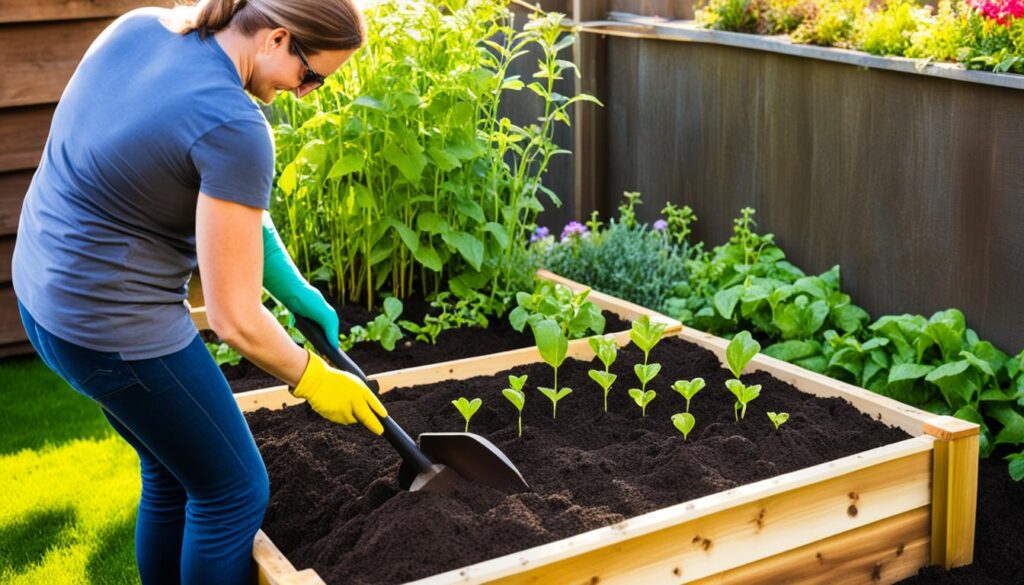
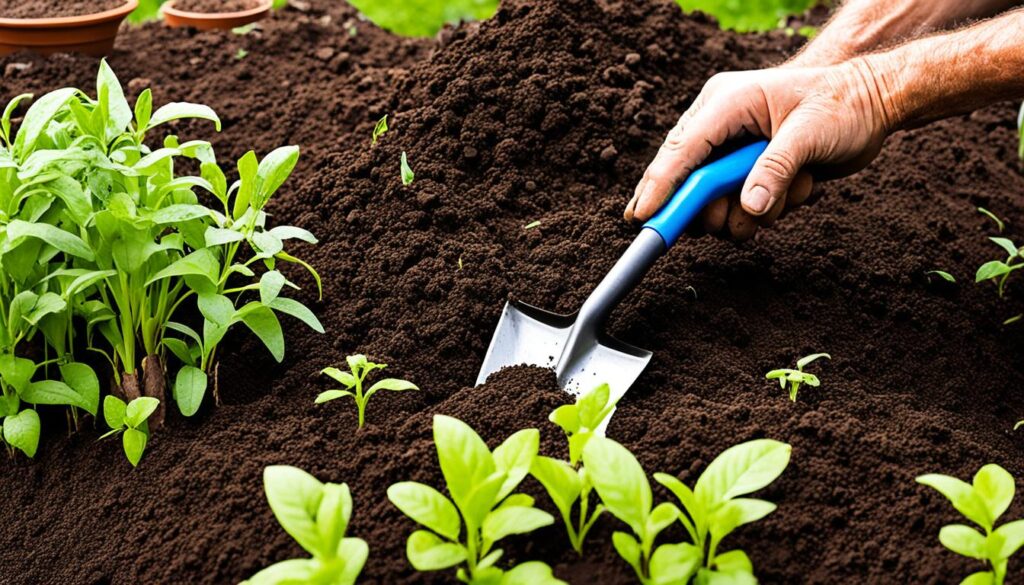
An effective way to enhance the water-holding capacity of both sandy and clay soils is by adding organic matter. Compost, for example, can improve soil structure and increase water retention. By mixing compost into the soil, you can create a more balanced environment for the roots, providing them with the necessary water and nutrients for optimal growth and development. Additionally, organic matter enriches the soil and helps sustain the overall health of sun-loving plants in sunny areas.
Avoiding Over-Watering and Under-Watering
Finding the right balance between over-watering and under-watering can be challenging. Over-watering can lead to waterlogged soil and root rot, while under-watering can cause wilting and stunted growth. It is important to monitor the moisture levels of the soil and adjust watering accordingly.
If the soil feels dry a few centimetres below the surface, it is time to water. Remember that different plants have different water requirements, so it is essential to consider their specific needs when determining the watering schedule.

When it comes to watering sunlit plants, it’s crucial to strike a balance. Over-watering can lead to waterlogged soil and root rot, harming the plants in the long run. On the other hand, under-watering can cause the plants to wilt and stunt their growth. Therefore, it’s essential to find the right balance.
Regularly monitoring the moisture levels of the soil is the key to avoiding over-watering and under-watering. Stick your finger a few centimetres below the surface to check if the soil feels dry. If it does, it’s a sign that the plants need watering.
However, it’s important to note that different plants have different water requirements. Some plants may prefer more moisture, while others may thrive with less water. Understanding the specific needs of your plants will help you determine the appropriate watering schedule and avoid over-watering or under-watering.
Choosing the Right Watering Methods
When it comes to watering plants in sunny areas, selecting the appropriate watering methods can have a significant impact on both water efficiency and the overall health of your plants. Let’s explore some effective techniques that can optimize plant care in direct sunlight.
Watering Cans for Precise Watering
Watering cans are an excellent tool for precise watering, particularly for plants in sunny areas. They allow you to deliver water directly at the base of the plants, minimizing water wastage and ensuring that the water reaches the root zone where it is needed the most. With a watering can, you can easily control the amount of water you provide, preventing both overwatering and underwatering.
Self-Watering Pots and Containers for Water On Demand
Another great option to consider is utilizing self-watering pots and containers. These innovative containers have built-in reservoirs that provide a constant source of water to the plants as they need it. This helps to optimize plant care in direct sunlight, ensuring that your plants never go thirsty. Self-watering pots and containers are especially beneficial if you are away from home for extended periods, as they provide a consistent water supply to your plants.
Seep Hoses for Accurate Water Delivery
Seep hoses are an effective method for accurately delivering water to established plants in sunny areas. These hoses can be hidden beneath the soil or mulch, reducing evaporation and ensuring that the water reaches the root zone where it is most needed. By delivering water directly to the roots, seep hoses help optimize plant care in direct sunlight and promote healthy growth.
Automated Irrigation Systems for Larger Areas
For larger areas or water-demanding plants, automated irrigation systems such as drip or trickle irrigation can be highly beneficial. These systems deliver water slowly and evenly directly to the root zone, ensuring that plants receive adequate hydration without water wastage. However, it’s important to note that automated irrigation systems require careful installation and monitoring to ensure optimal plant care in direct sunlight.
Consider the Best Method for Your Plants
When choosing the right watering method for your plants in sunny areas, consider their specific needs and requirements. Each plant has its own water preferences, and selecting the appropriate method will help you provide the ideal conditions for their growth. Whether it’s using a watering can, self-watering pots, seep hoses, or automated irrigation systems, the key is to ensure that your plants receive adequate hydration while minimizing water wastage.
Choosing the right watering methods is crucial for optimizing plant care in direct sunlight. Whether it’s precise watering with a watering can, utilizing self-watering pots, employing seep hoses for accurate water delivery, or installing automated irrigation systems, finding the suitable method for your plants will help ensure their health and vitality.
Water Sources for Plant Hydration
When it comes to watering plants in sunny areas, the source of water plays a crucial role. One of the best ways to water plants in sunlight is by using rainwater. Rainwater is not only chemical-free, but it is also readily available if you have a means of collecting and storing it. By utilizing rainwater, you can provide your plants with a natural and nourishing hydration.
If rainwater is not an option, tap water can be used. However, it is important to be aware that tap water may contain minerals that certain plants may not tolerate well. In such cases, it is advisable to consider alternative watering techniques or treat the tap water beforehand to remove any potentially harmful components.
Another viable water source for plants in sunny areas is greywater from households. Greywater can be collected and used during dry spells, providing a sustainable way to keep your plants hydrated. However, remember to prevent the water from wetting the foliage, as this can lead to fungal problems and unnecessary evaporation.
Whether you choose rainwater, tap water, or greywater, the key is to ensure that the water reaches the root zone of the plants effectively. By doing so, you can optimize plant hydration and help them thrive even in the sunniest of areas.