
Gardening enthusiasts are always on the lookout for new plants to add to their outdoor oasis, and marigolds are a fantastic choice. These vibrant and versatile flowers offer numerous benefits for your garden, from their pest-repelling properties to their ability to attract pollinators. In this section, I will explore the many reasons why planting marigolds in your garden is a wise decision.
Key Takeaways:
- Planting marigolds in your garden provides a range of benefits, from repelling pests to attracting pollinators.
- Marigolds come in various colours and sizes, offering a diverse range of options to suit your garden’s aesthetic.
- Growing marigolds requires proper care, including selecting the right location, preparing the soil, and regular watering.
- Marigold flowers can be utilized in various ways, including natural dyes, medicinal applications, and culinary delights.
- Marigolds make excellent companion plants, benefiting nearby crops and warding off pests.
The Benefits of Marigolds in Your Garden
When it comes to enhancing your garden, marigolds offer more than just their vibrant and captivating blooms. These versatile flowers bring a range of benefits that can transform your outdoor space into a thriving haven. From repelling pests to attracting pollinators, marigolds play a vital role in improving soil health and enhancing the overall aesthetic of your garden.
One of the significant advantages of planting marigolds is their natural ability to repel pests. The strong aroma emitted by marigold flowers acts as a deterrent for insects such as aphids, mosquitoes, and nematodes, helping to protect your other plants from damage. By incorporating marigolds into your garden, you can reduce the need for chemical pesticides and create a more organic and eco-friendly environment.
In addition to pest control, marigolds are known for their ability to attract pollinators. The bright colors and sweet nectar of marigold flowers act as a magnet for bees, butterflies, and other beneficial insects. By attracting these pollinators, your garden will become a hub of biodiversity, ensuring the successful reproduction of your plants and contributing to the overall health of your garden ecosystem.
Marigolds also play a crucial role in improving soil health. These flowers have a unique ability to suppress weeds by releasing natural compounds that inhibit their growth. The dense foliage of marigold plants also acts as a natural mulch, conserving moisture and preventing soil erosion. Over time, as the marigold plants decompose, they enrich the soil with valuable organic matter, enhancing its fertility and supporting the growth of other plants.
Furthermore, the vibrant colors and lush foliage of marigolds enhance the visual appeal of any garden. Whether you choose to plant them in beds, borders, or containers, marigolds add a burst of colour and a cheerful atmosphere to your outdoor space. Their versatility makes them an ideal choice for various garden styles, from traditional cottage gardens to contemporary urban landscapes.
To fully appreciate the benefits of marigolds, consider incorporating them strategically throughout your garden. You can create beautiful borders or mix them with other flowers to add height, texture, and diversity. Marigolds also make excellent companions for vegetables, such as tomatoes and peppers, as they help deter pests that often plague these crops.
By embracing the benefits of marigolds, your garden will thrive with improved pest resistance, increased pollinator activity, healthier soil, and a visually stunning display. Whether you’re an experienced gardener or a novice, the addition of marigolds will undoubtedly elevate the overall success and enjoyment of your outdoor oasis.
Tips for Growing Marigolds
As a green-fingered enthusiast, you’ll want to ensure your marigolds thrive. Here are some valuable tips to help you grow healthy and vibrant marigolds throughout the growing season:
- Selecting the right location: Marigolds thrive in full sun, so choose a spot in your garden that receives at least 6 hours of direct sunlight each day. Ensure the area has well-draining soil to prevent waterlogging.
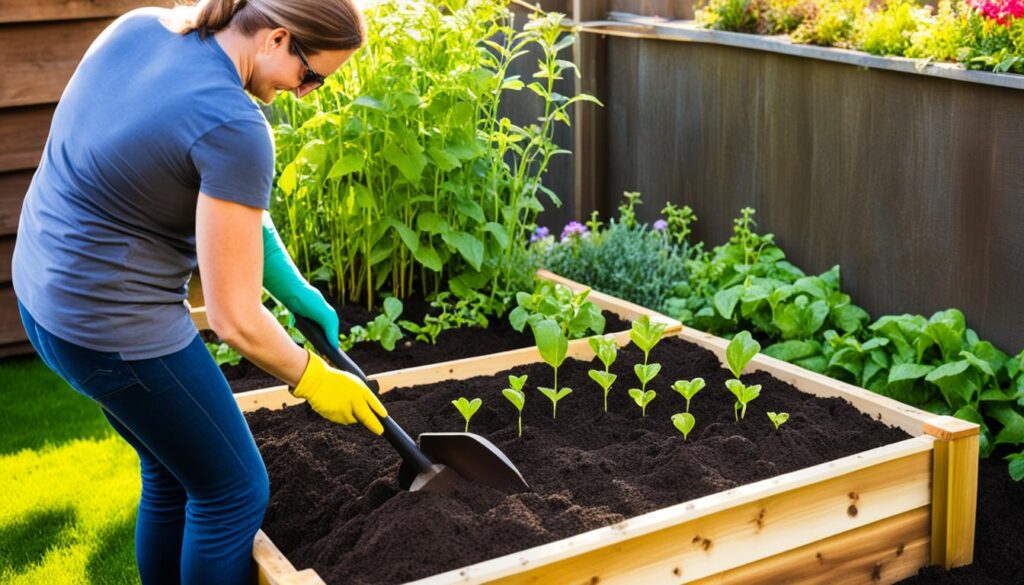
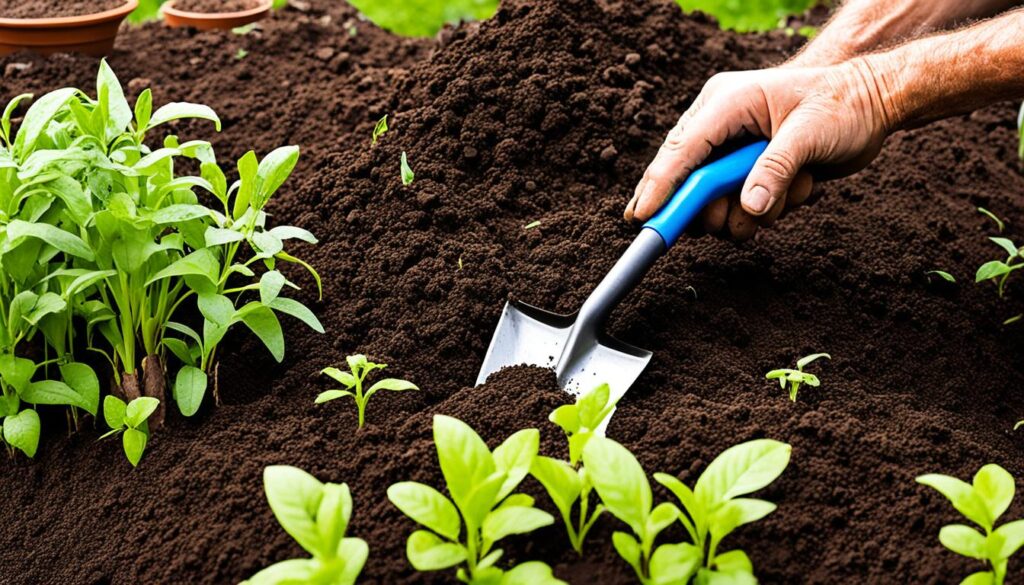
- Preparing the soil: Before planting, enrich the soil with organic matter such as compost or well-rotted manure. This will improve the soil’s fertility and drainage, providing a nutrient-rich environment for your marigolds.
- Planting marigold seeds or seedlings: Sow marigold seeds indoors 4-6 weeks before the last frost date. Transplant the seedlings outdoors once all danger of frost has passed. If using seedlings, space them according to the variety’s recommended spacing.
- Watering: Marigolds prefer moderate watering. Water at the base of the plants to avoid wetting the leaves, which can lead to fungal diseases. Allow the soil to dry slightly between waterings, but do not let it dry out completely.
- Providing proper care: Regularly deadhead faded flowers to encourage continuous blooming. Apply a balanced water-soluble fertilizer every 4-6 weeks to promote healthy growth. Mulching around the base of the plants will help conserve moisture and suppress weeds.
Follow these tips, and you’ll be rewarded with a stunning display of marigolds in your garden. With their vibrant colors and distinctive scent, marigolds are sure to add a touch of beauty to any outdoor space.

The Diversity of Marigold Varieties
Marigolds are known for their vibrant colors and are available in a wide range of varieties, each with its unique characteristics and uses. Whether you prefer the compact and cheerful French marigold or the towering African marigold, there is a marigold variety to suit every garden.
One popular marigold variety is the French Marigold (Tagetes patula). With its compact size and bushy growth habit, French marigolds are perfect for borders, containers, and edging. They come in various eye-catching colors including shades of yellow, orange, and red. French marigolds are valued for their ability to repel nematodes, making them an excellent choice for companion planting.
If you’re looking for marigolds that make a statement, the African Marigold (Tagetes erecta) is the way to go. These impressive marigolds can grow up to three feet tall and produce large, showy flowers in vibrant shades of yellow and orange. African marigolds are great for creating focal points in garden beds and attracting beneficial insects.
An interesting marigold variety worth considering is the Signet Marigold (Tagetes tenuifolia). Also known as gem marigolds, signet marigolds are smaller in size but boast an abundance of small, dainty flowers. They come in shades of yellow and orange and have a pleasant citrusy fragrance. Signet marigolds are popular for edging, rock gardens, and as decorative borders.
Marigold Varieties List:
- French Marigold (Tagetes patula)
- African Marigold (Tagetes erecta)
- Signet Marigold (Tagetes tenuifolia)
These are just a few examples of the best marigold varieties available. Each variety brings its own unique charm and attributes to your garden, ensuring a burst of color and beauty throughout the growing season.
Utilizing Marigold Flowers
Marigolds are not just beautiful to look at; they also have a wide range of uses beyond their visual appeal. In this section, I will explore the various ways you can make the most of these vibrant blooms.
Creating Natural Dyes
If you’re a fan of crafts and DIY projects, marigolds can be a fantastic natural dye source. The petals of these flowers can produce stunning hues of yellow and orange, perfect for adding a touch of natural beauty to fabrics or even homemade candles. To create a marigold dye, simply simmer the petals in water for around an hour, strain the liquid, and let it cool before using it to dye your chosen material.
Medicinal Applications
Marigolds have a long history of medicinal use and offer various health benefits. The flowers contain compounds known for their anti-inflammatory and antibacterial properties, making them a popular ingredient in herbal remedies. Marigold ointments or creams can help soothe skin irritations, minor cuts, and burns. The flowers can also be used to create a soothing marigold tea that may help ease digestive issues or calm a sore throat.
Incorporating Marigolds into Culinary Delights
Believe it or not, marigolds are edible and can add a delightful touch to your culinary creations. The petals have a mild, slightly citrusy flavor, making them perfect for garnishing salads, soups, or desserts. They can also be used as an ingredient in homemade herb butters or infused into oils and vinegars to impart a unique taste and vibrant color. Just be sure to use only the petals and remove the bitter green parts before consuming.
As you can see, marigolds are not just a pretty face. From creating natural dyes to incorporating them into culinary delights, these versatile flowers offer a wealth of possibilities. Don’t limit their potential to just garden decoration; explore the many ways you can utilize marigold flowers and bring their beauty and benefits into other aspects of your life.
Caring for Marigold Plants
Proper care is essential for the health and longevity of your marigold plants. By following a few simple steps, you can ensure that your marigolds thrive and brighten up your garden for months to come.
Fertilization
Marigolds are relatively low-maintenance plants when it comes to fertilization. However, a well-balanced fertilizer can help promote healthy growth and vibrant blooms. Apply a slow-release granular fertilizer around the base of your marigolds at the start of the growing season. Be sure to follow the instructions on the fertilizer package for the correct dosage and frequency.
Pruning
Regular pruning will help maintain the shape and promote bushier growth in your marigold plants. Use clean gardening shears to remove any spent flowers or damaged foliage. This will encourage new flower production and prevent the plant from wasting energy on seed production.
Disease and Pest Prevention
Marigolds are generally resilient and can withstand various environmental conditions. However, keeping an eye out for common diseases and pests is important for their overall health. Avoid overwatering, as excess moisture can lead to root rot. Additionally, check your marigolds regularly for signs of pests such as aphids or spider mites. If necessary, treat them with organic pest control methods or consult a local garden center for advice.
Watering
Proper watering is crucial for the success of your marigold plants. Aim to keep the soil evenly moist, avoiding both underwatering and overwatering. When watering, make sure to apply water at the base of the plants to prevent wetting the foliage. This will help minimize the risk of fungal diseases and keep your marigolds healthy.
Remember: Different factors such as climate, soil type, and marigold variety can affect the specific care requirements. It’s important to monitor your plants and make adjustments accordingly.
With a little care and attention, your marigold plants will reward you with their vibrant blooms and beautiful fragrance throughout the season. Happy gardening!
Marigolds as Companion Plants
When it comes to keeping your garden healthy and vibrant, marigolds are excellent companion plants that can make a significant difference. Their reputation for repelling pests and attracting beneficial insects makes them a valuable addition to any garden. By strategically pairing marigolds with compatible plants, you can create a thriving and productive garden ecosystem.
One of the primary benefits of using marigolds as companion plants is their ability to deter pests. These colourful blooms emit a distinct scent that repels many common garden pests, such as aphids, nematodes, and whiteflies. By planting marigolds alongside susceptible crops, you can effectively reduce pest populations and protect your plants.
Not only do marigolds repel pests, but they also attract beneficial insects. Bees, butterflies, and ladybugs are amongst the pollinators and predators that are drawn to marigold blooms. These helpful insects play a vital role in pollinating crops and controlling pest populations. By creating a welcoming habitat for them with marigolds, you can encourage a healthy balance in your garden ecosystem.
Now that you know the benefits of marigolds as companion plants, let’s explore some of the best plants to pair them with:
Cabbage and Kale
- Pair marigolds with cabbage and kale plants to repel cabbage worms, aphids, and flea beetles.
Tomatoes
- Plant marigolds close to tomatoes to deter tomato hornworms and whiteflies.
Peppers
- Use marigolds as border plants around pepper beds to repel aphids and spider mites.
Herbs
- Plant marigolds near herbs like basil, parsley, and mint to protect them from aphids and other herb-loving pests.
By incorporating marigolds as companion plants in your garden, you can reap the benefits of pest control and increased pollination. These bright and cheery flowers not only add beauty to your garden but also contribute to its overall health and productivity.

Attracting Pollinators with Marigolds
Pollinators are essential for a thriving garden ecosystem, and marigolds can play a crucial role in attracting and supporting these beneficial creatures. The importance of marigolds in your garden cannot be overstated.
Bees, butterflies, and other pollinators are vital for the successful reproduction of many plants, including fruits, vegetables, and flowers. By planting marigolds, you create a welcoming habitat that entices these pollinators to visit. Their bright colors and delightful fragrance act as beacons, guiding them to your garden.
Marigolds produce an abundance of nectar and pollen, which serve as valuable food sources for pollinators. The intricate structure of their flowers makes it easy for insects to gather nectar and pollen, ensuring a mutualistic relationship between the marigolds and pollinators.
Having pollinators in your garden is not only beneficial for their survival, but also for the success of your plants. When pollinators visit marigolds, they unintentionally transfer pollen from flower to flower, facilitating cross-pollination and increasing the chances of successful fruit and seed production. This process is essential for biodiversity and the continuation of plant species.
Marigolds also act as a welcoming beacon, attracting pollinators to your garden and encouraging them to explore and pollinate other nearby plants. By creating a pollinator-friendly environment with marigolds as part of the landscape, you’re contributing to the overall health and diversity of your garden ecosystem.
In addition to attracting pollinators, marigolds provide various benefits to your garden. Their vibrant colors add beauty and charm, enhancing the overall aesthetic appeal. Furthermore, marigolds have natural pest-repellent properties, helping to protect your garden from harmful insects.
If you want to create a haven for pollinators while enjoying the many advantages marigolds offer, be sure to include these vibrant flowers in your garden. Not only will your garden become a haven for pollinators, but you will also enjoy the vibrant beauty and myriad benefits that marigolds bring.
Marigolds and Soil Health
When it comes to maintaining a flourishing garden, ensuring the health of your soil is paramount. And did you know that marigolds can play a vital role in improving soil health? These vibrant flowers offer more than just aesthetic appeal; they contribute to the overall well-being of your garden’s soil.
One of the significant benefits of marigolds is their ability to enhance soil structure. The roots of marigold plants release compounds that break down compacted soil, improving its texture and promoting better drainage. This is crucial for the healthy growth of other plants in your garden.
Another advantage of planting marigolds is their ability to suppress weeds. Marigolds release natural compounds that inhibit the growth of weeds, significantly reducing the need for manual weeding or the use of harmful chemical herbicides. You can rely on marigolds to keep your garden beds clear and weed-free.
But that’s not all! Marigolds have even been found to assist in the remediation of contaminated soil. These remarkable flowers possess the unique ability to absorb toxins from the soil, such as lead or arsenic, thereby helping to cleanse the soil over time. They act as nature’s own purification system, making them a valuable asset in polluted areas or gardens with history of chemical use.
To maximize the soil health benefits of marigolds, consider planting them strategically in areas where you plan to grow vegetables, herbs, or other delicate plants. This can help create a healthier and more vibrant garden ecosystem.
So, whether you’re looking to improve your soil quality, suppress weeds, or aid in soil remediation, marigolds are an excellent choice. These versatile flowers offer a natural, environmentally friendly approach to soil health and can be a valuable addition to any garden.

Designing Your Garden with Marigolds
Marigolds are not only beneficial for your garden but also add a touch of vibrance and cheerfulness. Incorporating these beautiful flowers into your garden design can bring numerous benefits and create stunning displays. Let me share with you some inspiration and ideas on how to make the most of marigolds in your outdoor space.
One way to maximize the benefits of marigolds is through color combinations. Their bright and bold hues of yellow, orange, and red can complement other flowering plants and create a visually appealing landscape. Consider pairing marigolds with purple petunias or blue lobelias for a striking contrast that will catch everyone’s attention.
Companion planting is another clever way to include marigolds in your garden design. By placing marigolds near vegetables such as tomatoes, cabbages, or peppers, you can help deter common garden pests like aphids and nematodes. Additionally, marigolds attract beneficial insects like ladybugs and lacewings, which prey on harmful pests, providing natural pest control for your garden.
To create eye-catching displays, think beyond traditional flower beds. Marigolds can thrive in containers, hanging baskets, or even window boxes, adding a burst of color to small spaces or urban gardens. Mix different marigold varieties with trailing plants like ivy or cascading petunias for a cascading effect that will delight the senses.